 Emily’s Blog
- Sunset Beach Tai Chi July 22, 2024
- Coffee with Abu… July 22, 2024
- Rumi Latte in Beverly Hills July 22, 2024
- Judging a Burmese TedTalk July 22, 2024
- Mystical Tajik Cafe in Beverly Hills July 21, 2024
- Hollywood: Brown Film Festival July 21, 2024
- New Play Premiere in Burma July 21, 2024
- Bhutan Meets Malibu & Mulholland July 21, 2024
- Tricycle Bliss July 21, 2024
- Kung Fu Panda July 21, 2024
Category Archives: Blog
A Distant Boat…
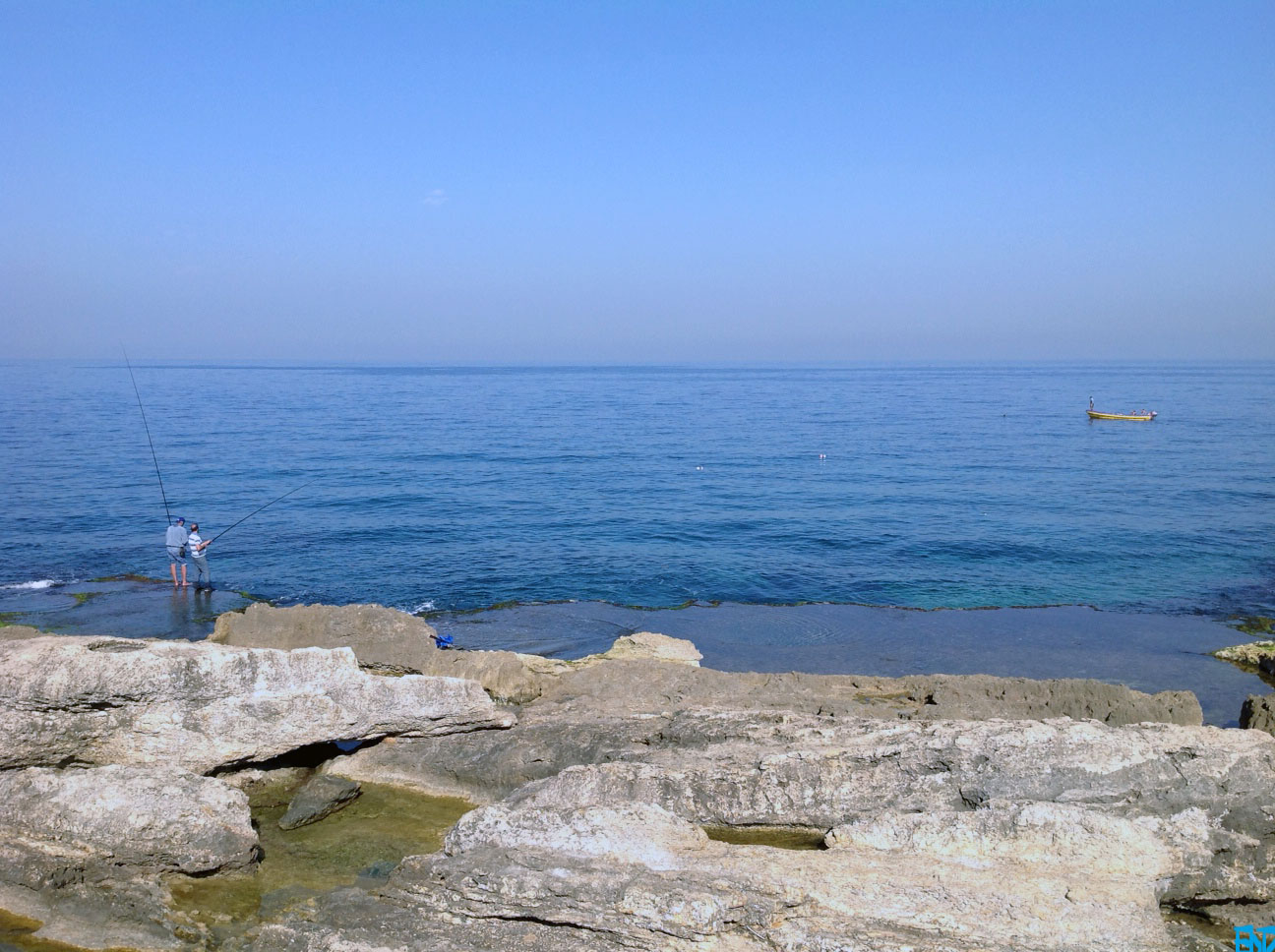
Morning in Beirut (Photo: Emily O'Dell)
Regardless of how many boats you send to other shores
or how many ships arrive upon your shores,
you yourself are an island separated by its own pains,
secluded in its happiness and far away
in its compassion and hidden in its secrets and mysteries.
— Khalil Gibran
Posted in Blog
Comments Off on A Distant Boat…
Soviet Rule in Tajikistan…
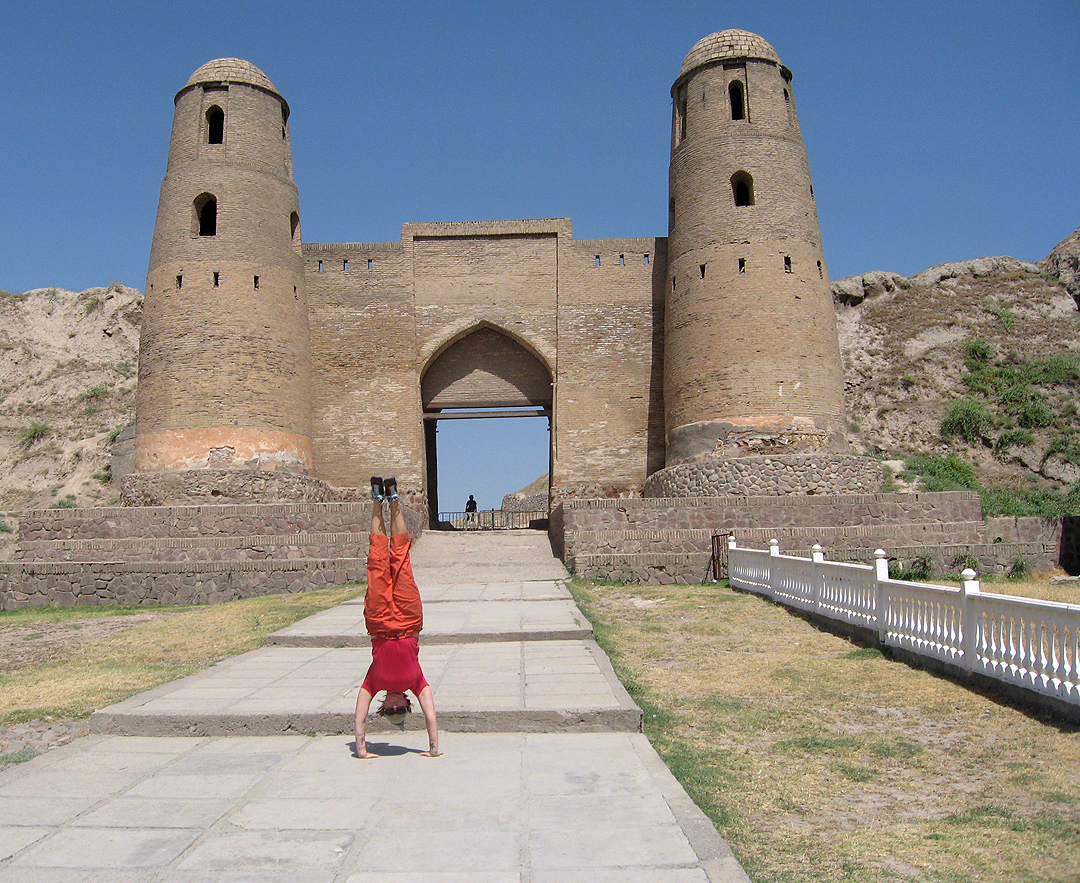
Hissar, Tajikistan (Photo: Emily O'Dell)
Early Soviet Rule in Tajikistan: Between Violence and Collaboration
Friday, November 8, 2013, 2:00 pm
Marshall D. Shulman Seminar Room (1219 IAB), 420 West 118th Street
A talk by Botakoz Kassymbekova (Visiting Scholar, Harriman Institute)
The presentation will focus on strategies and realities of the Soviet imperial state-building process in Tajikistan in the 1920s and 1930s. Kassymbekova will analyze the relationship between the nature of Stalinist political order and the kind of communication and information gathering it forged with and within its peripheries. She argues that due to imminent problems with information gathering and communication in a person-based, non-bureaucratic regime, the Soviet state’s reliance upon arbitrary violence and collaboration with short-term allies became key governing and communicative device in its multicultural and multilingual frontier.
Dr. Botakoz Kassymbekova received her B.A. from the American University in Central Asia in International and Comparative Politics and Sociology, M.A. from the University of Essex in Social and Cultural History, and Ph.D. from Humboldt University in Berlin in East European History. She worked for the Aga Khan Humanities Project (University of Central Asia), the OSCE Academy Oral History of Civil War Project in Tajikistan, advised international organizations in Tajikistan, and co-founded a youth Amnesty International Group in Kyrgyzstan. Kassymbekova published on historical and current issues on Central Asia and is currently preparing her Ph.D. dissertation for publication. She is a postdoctoral fellow at the Technical University in Berlin and is working on her second project (Habilitation) titled “Russian Imperial Grand Hotels at the fin de siècle.”
Posted in Blog
Comments Off on Soviet Rule in Tajikistan…
Tiny Doors in Morocco…
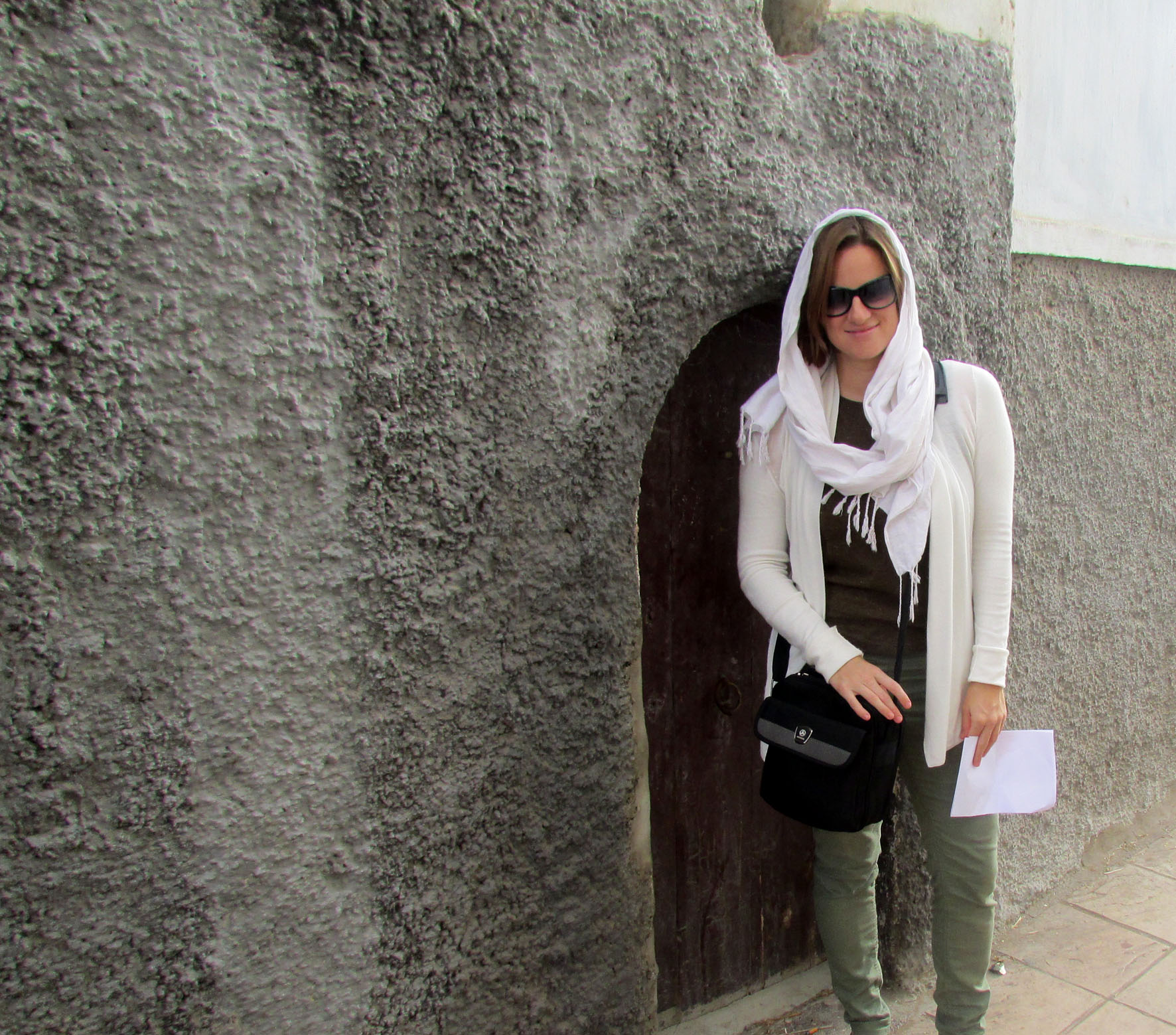
Exploring Morocco (Photo: Emily O'Dell)
To heal the burning of your sorrow,
I seek a flame.
To gather the dust of your door,
I seek the palms of my hands.
To deal with you hiding behind your holiness,
I seek a good time instead.
— Rumi
When I was in Morocco a few weeks ago exploring Sufi shrines with my family for Eid, I fell in love with doors of all shapes and sizes–from Fez to Casablanca. What surprised me the most was the small size of some of the doors–and even I had to duck down to step inside. Some of the small doors we found were for houses, others for Sufi shrines. Part of the fun was guessing what’s on the other side, before passing through the threshold to find out with our own eyes…
Posted in Blog
Comments Off on Tiny Doors in Morocco…
Elevating Alevis in Turkey…
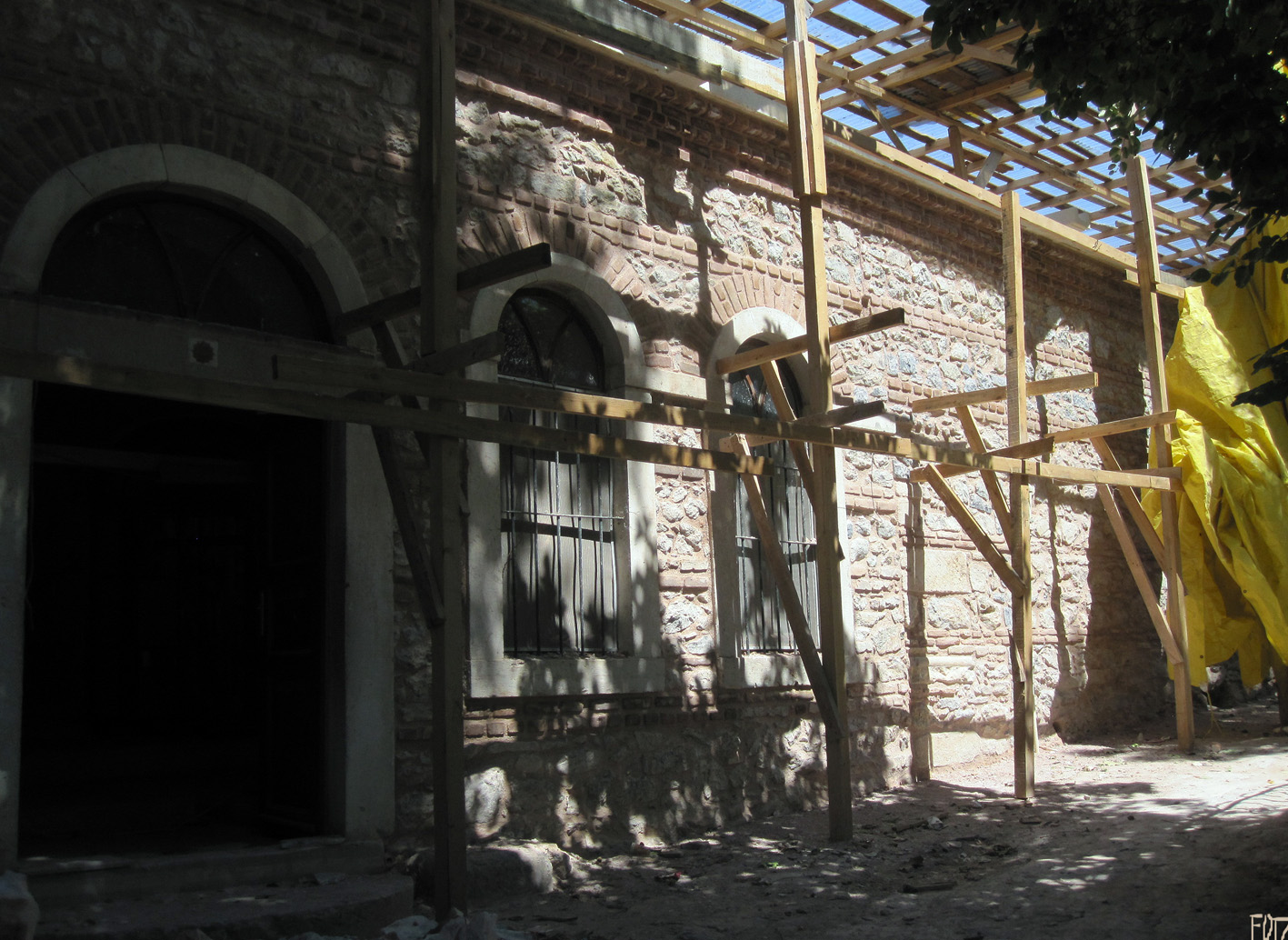
Visiting with Alevis in Istanbul (Photo: Emily O'Dell)
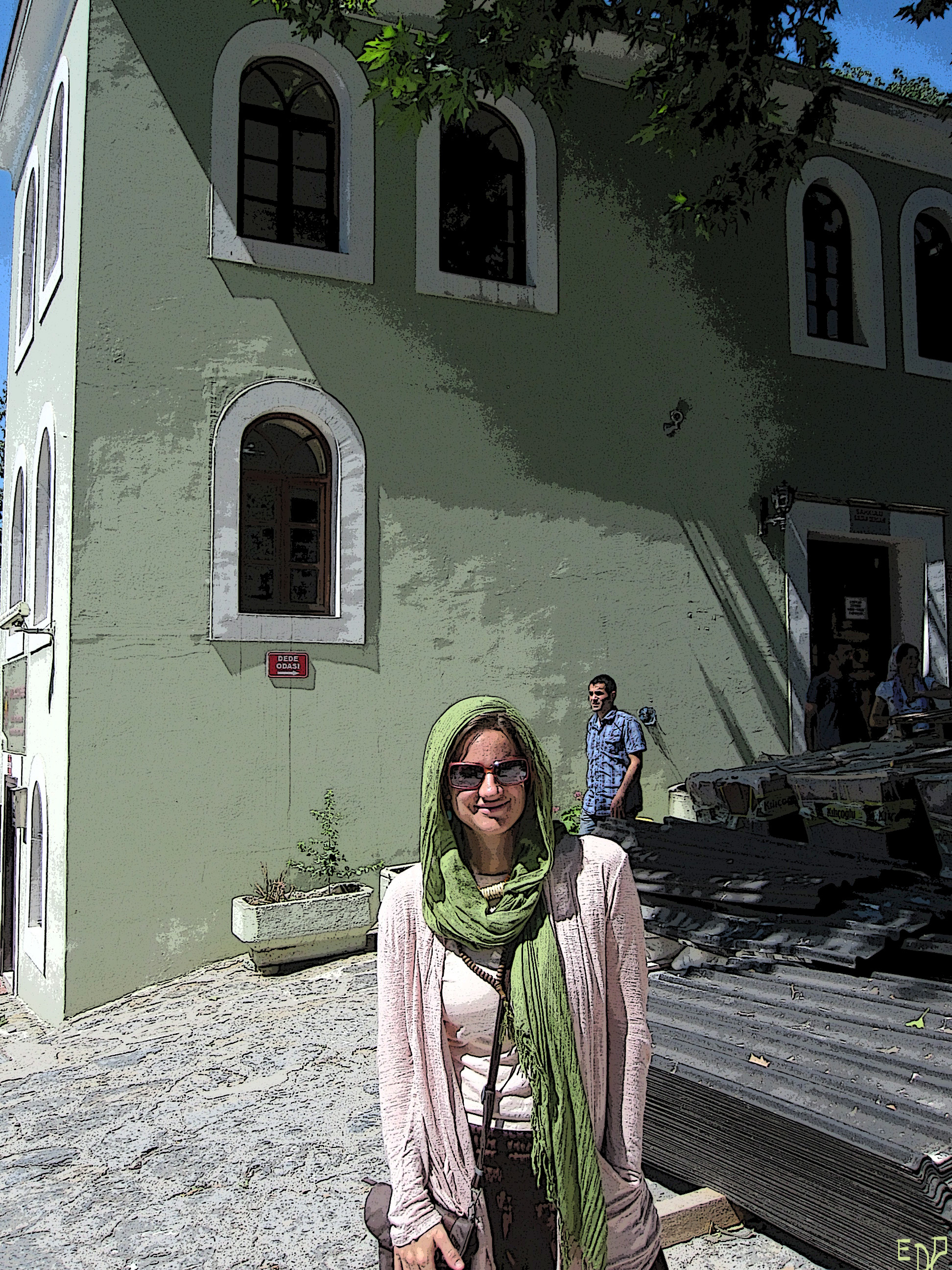
Visiting an Alevi gathering in Turkey (Photo: Emily O'Dell)
This week-end, tens of thousands of Alevis in Turkey protested for greater religious and political freedoms in Kadikoy, Istanbul–the neighborhood where I set up shop last year to explore the Asian side of the city.
Though the Alevis have long been loyal supporters of Turkey’s secular state, their faith and religious practices, which are closely related to Sufism and Anatolian folk culture, are still not recognized by the state.
When I had the opportunity last year to spend sometime with Alevis in Istanbul, I realized how much more I needed to learn about the centrality of their reverence for Imam Ali and the sacred meaning behind the gestures in their spiritual dances.
Because the Alevis usually receive very little attention in international news outlets, many people have never even heard of their community–not to mention their unique beliefs and practices. After bringing tens of thousands of supporters yesterday onto the streets, it remains to be seen if they will continue receiving increased media attention–in the wake of their recent political mobilization in Istanbul…
Posted in Blog
Comments Off on Elevating Alevis in Turkey…
We Survived the Gulag…
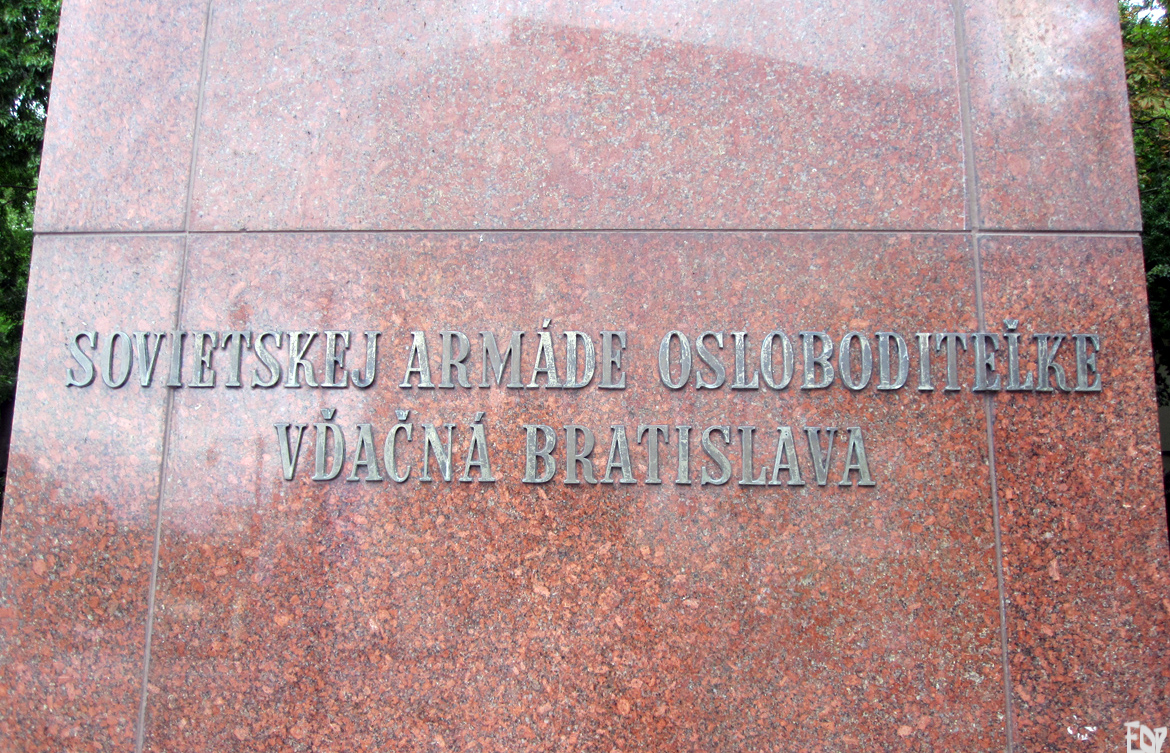
Soviet Memorial in Slovakia (Photo: Emily O'Dell)
WE SURVIVED THE GULAG (Prežili sme Gulag)
A Slovak documentary film directed by Ondrej Krajnak (2009) which includes interviews with survivors of the Soviet gulags. In Slovak with English subtitles. 45min.
Location:
Bohemian National Hall, 3rd floor
321 E 73 St
Gabriel Levicky will introduce the film and lead the discussion following the screening (RSVP: newyork@svu2000.org)
Through its dramatic, cruel history during the Stalin era, the totalitarian Soviet Union – from the 1930s through the 1950s – established Gulag camps swallowing millions of people, among them many citizens of Slovakia, illegally transported to the Gulag right after the end of the WW2. This excellent documentary film confronts and exposes the experiences of the last surviving Slovak slave laborers who, despite all odds, miraculously survived the Stalinist labor camps. The film follows their cruel fate from their arrest until their release and return, constantly surrounded by hostilities and death under dehumanizing conditions in a harsh, unforgiving natural environment.
Posted in Blog
Comments Off on We Survived the Gulag…
Back to Iraq…
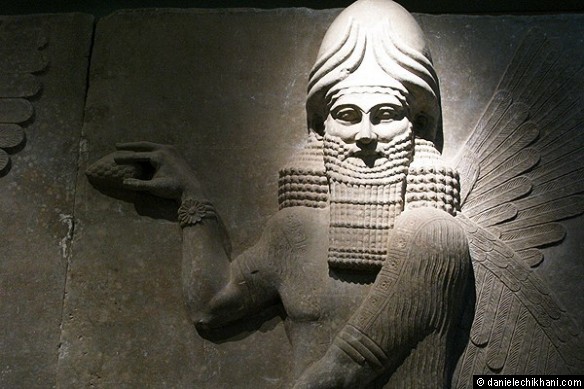
Cornell University has agreed to return 10,000 ancient tablets to Iraq–the largest return of antiquities in history by an American university. Many scholars have long suspected that the tablets in Cornell’s collection (from Jonathan Rosen and his family) were looted from Iraq after the 1991 Gulf War…
Posted in Blog
Comments Off on Back to Iraq…
Turning Skulls…

Photo: Emily O'Dell
Today I’m out wandering, turning my skull
into a cup for others to drink wine from.
In this town somewhere there sits a calm, intelligent man,
who doesn’t know what he’s about to do!
— Rumi
Posted in Blog
Comments Off on Turning Skulls…
Today in Beirut…

Today at the mall (Photo: Emily O'Dell)
Doesn’t really look like Homeland, does it?
Posted in Blog
Comments Off on Today in Beirut…
Finding Helen at St. Jude’s in Beirut…
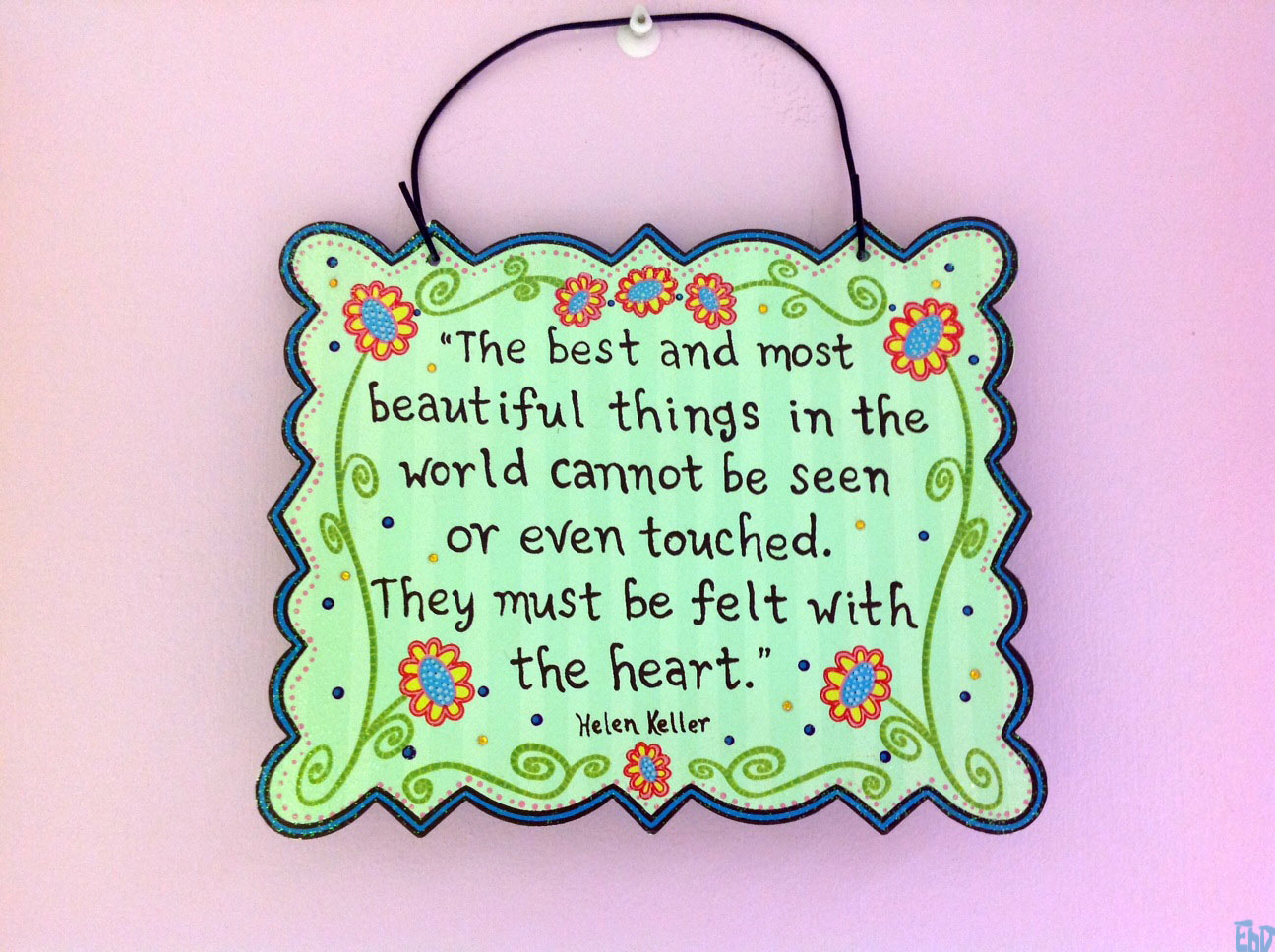
St. Jude's in Beirut (Photo: Emily O'Dell)

St. Jude's in Beirut (Photo: Emily O'Dell)
While working today at St. Jude’s in Beirut, I passed by this Helen Keller quote hanging on a hallway wall. As I was reading the quote, one of the Lebanese nurses stopped and stood next to me to read it too.
“Who was Helen Keller?” the nurse asked.
This was isn’t an easy question to answer (especially in Arabic), since Helen Keller’s life was devoted to much more than helping the blind and deaf–which is how she is commonly remembered today.
So long as I confine my activities to social service and the blind, they compliment me extravagantly, calling me ‘arch priestess of the sightless,’ ‘wonder woman,’ and a ‘modern miracle.’ But when it comes to a discussion of poverty, and I maintain that it is the result of wrong economics—that the industrial system under which we live is at the root of much of the physical deafness and blindness in the world—that is a different matter!
— Helen Keller
When I think of Helen Keller–I think of a radical and rebel. She was such a “radical” that the FBI kept her under FBI surveillance for most of her adult life. An early champion of civil rights, she openly donated money to the National Association for the Advancement of Colored People (NAACP) at a time when the organization was considered controversial, and was focused on putting an end to lynching. She also wrote for their magazine.
We, the people, are not free. Our democracy is but a name. We vote? What does that mean? It means we choose between Tweedledee and Tweedledum. We elect expensive masters to do our work for us, and then blame them because they work for themselves and for their class.
— Helen Keller
So, who was Helen Keller? A woman of many passions–as well as a peace activist who traveled in 1948 to Hiroshima and Nagasaki to speak out against the horrors of nuclear war–and all war.
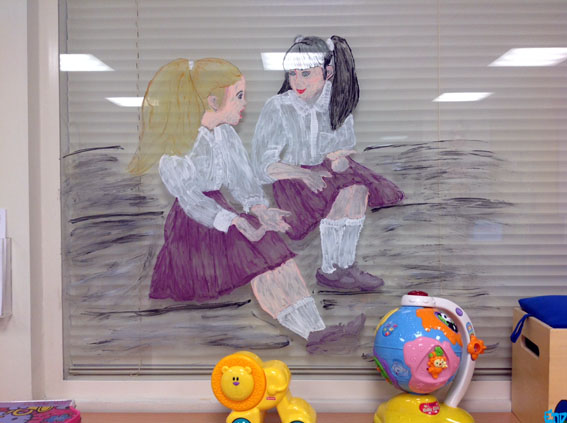
Painting at St. Jude's (Photo: Emily O'Dell)
Congress is not preparing to defend the people of the United States. It is planning to protect the capital of American speculators and investors. Incidentally this preparation will benefit the manufacturers of munitions and war machines. Strike against war, for without you no battles can be fought! Strike against manufacturing shrapnel and gas bombs and all other tools of murder! Strike against preparedness that means death and misery to millions of human beings! Be not dumb, obedient slaves in an army of destruction! Be heroes in an army of construction!
— Helen Keller (at an antiwar rally in January 1916)
And though she couldn’t see or hear, she was a world traveler too–visiting 35 countries on five continents between 1946 and 1957.
So today, when I was walking up and down the corridor of the children’s cancer center in Beirut and happened to pass by her quote on the wall–I wasn’t picturing scenes I’ve seen played on screen and stage with her teacher showing her the word for water on her hand when Helen was just a child. No, I was thinking about her revolutionary spirit as an adult–and remembering her as a brave woman who refused to succumb to self-pity and chose instead to dedicate her life to helping those suffering from illness and disability–along those suffering from social, economic, racial, and sexual injustice. In my mind’s eye, I was seeing a “visionary” woman who–despite incredible odds–never gave up, and always gave back.
Who was Helen Keller? Well, in a word–a hero.
All the world is full of suffering. It is also full of overcoming.
— Helen Keller
Posted in Blog
Comments Off on Finding Helen at St. Jude’s in Beirut…
Today at St. Jude’s in Beirut…
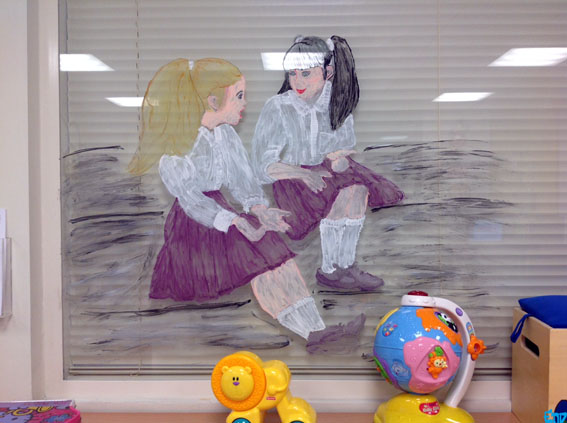
Today at St. Jude's (Photo: Emily O'Dell)
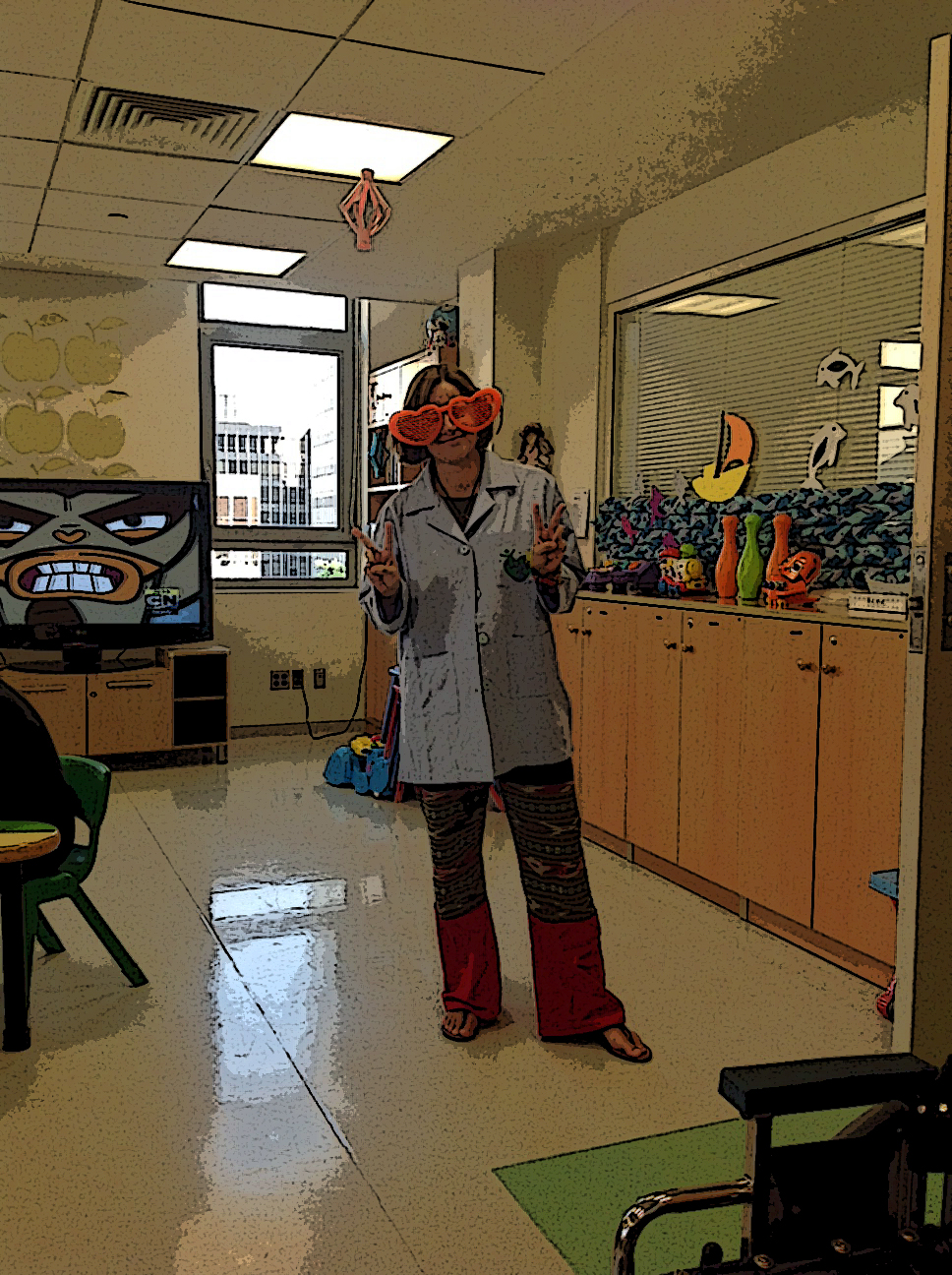
St. Jude's playroom in Beirut (Photo: Emily O'Dell)
I spent this afternoon at St. Jude’s–and it was great to be back, since last week I had a cold and had to stay home–to keep any unwanted germs away. Today, we managed to field a 6-person game of UNO, and a 4 year-old boy taught me some new tricks on how to play Grand Theft Auto. It’s embarrassing when even toddlers know more computer commands than we do–which is why I’m trying to step up my game.
When I got to the playroom today, I was happy to see this painting of two girls on the glass above. One of the beautiful things about working at St. Jude’s is that every week when I arrive a new game, piece of art, or toy has magically appeared. I say “magically” because I never know who’s responsible for introducing these new paintings and games into the playroom when I’m not there. It’s been a gift to see–and not see–the large number of caring hearts behind the scenes who provide in a number of ways for these kids with cancer–be it through donating their money, volunteering their time, or contributing their art.
When it came time today for my Grand Theft Auto tutor to receive his medicine, he threw an unexpected, though understandable tantrum–and though his parents tried to calm him down–it only made the situation worse.
That’s when a 12-year-old girl, her bald head covered by a black felt flapper cap, stood up from a heated game of UNO to go and sit at his side. As she began comforting him, we all took a step back, and let her work her magic–since it seemed to be working. After a few minutes, he was finally able to relax and take some necessary breaths from a breathing tube, before retiring calmly to his room.
While we adults try to support these kids in any way that we can, we can’t really know what it’s like to go through months of cancer treatment as a child. And perhaps that’s why my Grand Theft Auto tutor today was more willing to listen to a fellow patient–because he could recognize that she was going through the same thing too…and no doubt, she had reached out to help him because she understood–more than we ever could–just how he might feel…
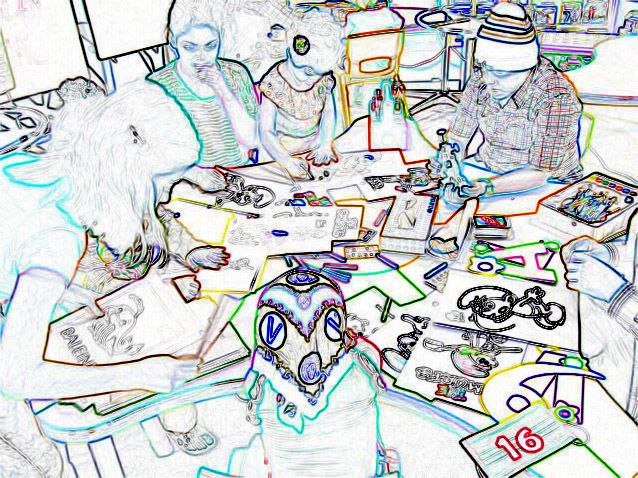
To make a donation online to support the treatment of my friends at St. Jude’s in Beirut, please click here. Coloring at St. Jude's (Photo: Emily O'Dell)
Posted in Blog
Comments Off on Today at St. Jude’s in Beirut…
Marlon in Beirut…
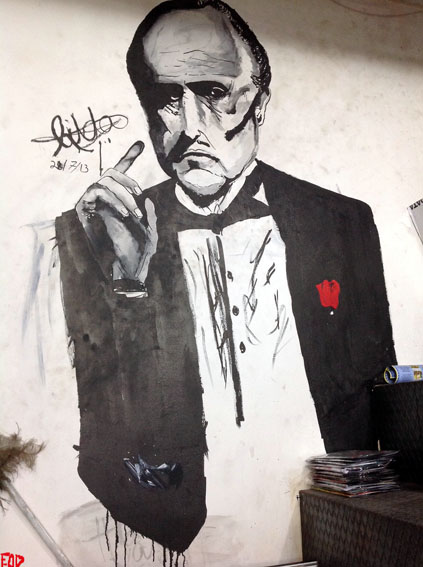
Video Store in Beirut (Photo: Emily O'Dell)
When I lie on the beach there naked, which I do sometimes, and I feel the wind coming over me and I see the stars up above and I am looking into this very deep, indescribable night, it is something that escapes my vocabulary to describe. Then I think: ‘God, I have no importance. Whatever I do or don’t do, or what anybody does, is not more important than the grains of sand that I am lying on, or the coconut that I am using for my pillow.’ So I really don’t think in the long sense.
— Marlon Brando
On my walk home tonight from St. Jude’s in Beirut, I ran into Marlon Brando in the video store–after having just bumped into Marilyn Monroe all over town…
Posted in Blog
Comments Off on Marlon in Beirut…
Marilyn in Beirut…
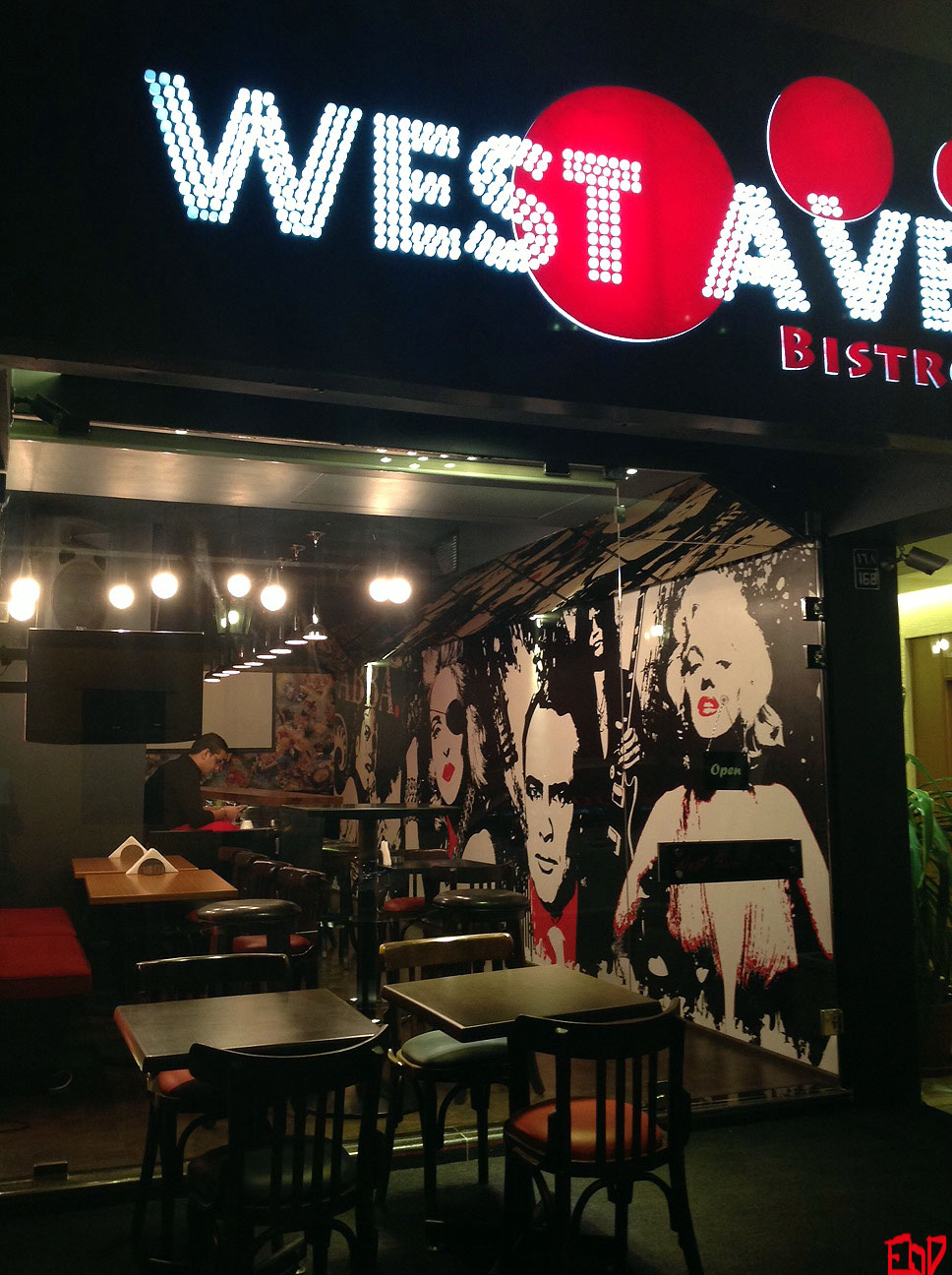
Tonight in Beirut (Photo: Emily O'Dell)
Imperfection is beauty, madness is genius and it’s better to be absolutely ridiculous than absolutely boring.
― Marilyn Monroe
After spending the afternoon volunteering at St. Jude’s, I needed to take a walk. Every week, I like to get some fresh air after playing for hours with the kids to help me decompress. Tonight on my walk through Beirut, I kept running into Marilyn Monroe–in places where I least expected to find her.
Nothing lasts forever, so live it up; drink it down, laugh it off, avoid the bullshit. Take chances and never have regrets because, at one point, everything you did was exactly what you wanted.
― Marilyn Monroe
Since beauty is so highly prized in Lebanon, the plastic surgery capital of the world, I shouldn’t have been so surprised to see Marilyn’s face plastered all over two new restaurants in Beirut. But Marilyn fancied herself as much more than just a pretty face–and some of her quotes on politics seem just as relevant today, as when she spoke them so many decades ago…
I’m for the individual as opposed to the corporation. The way it is the individual is the underdog, and with all the things a corporation has going for them the individual comes out banged on her head. The artist is nothing. It’s really tragic.
― Marilyn Monroe
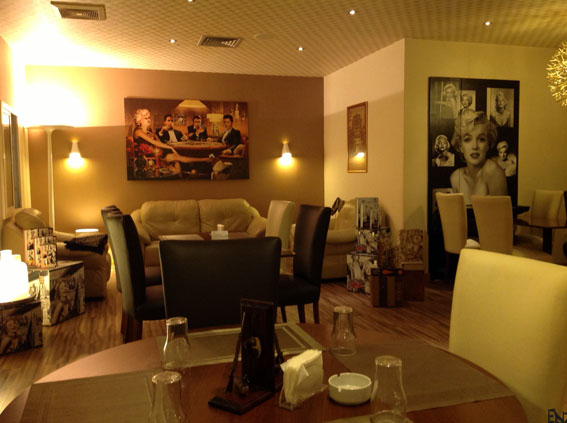
Marilyn in Beirut (Photo: Emily O'Dell)
Posted in Blog
Comments Off on Marilyn in Beirut…
Tonight in Beirut…
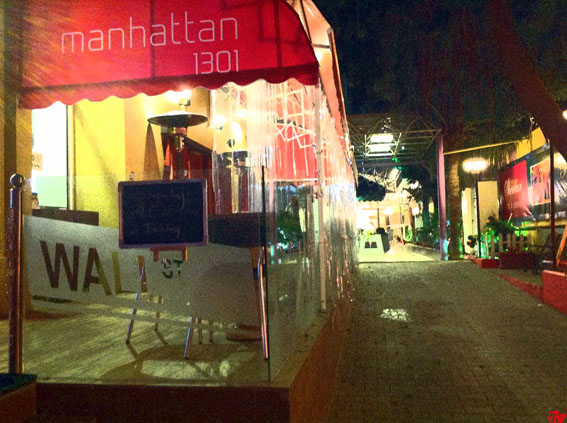
Tonight in Beirut (Photo: Emily O'Dell)
Posted in Blog
Comments Off on Tonight in Beirut…
Today in Syria…
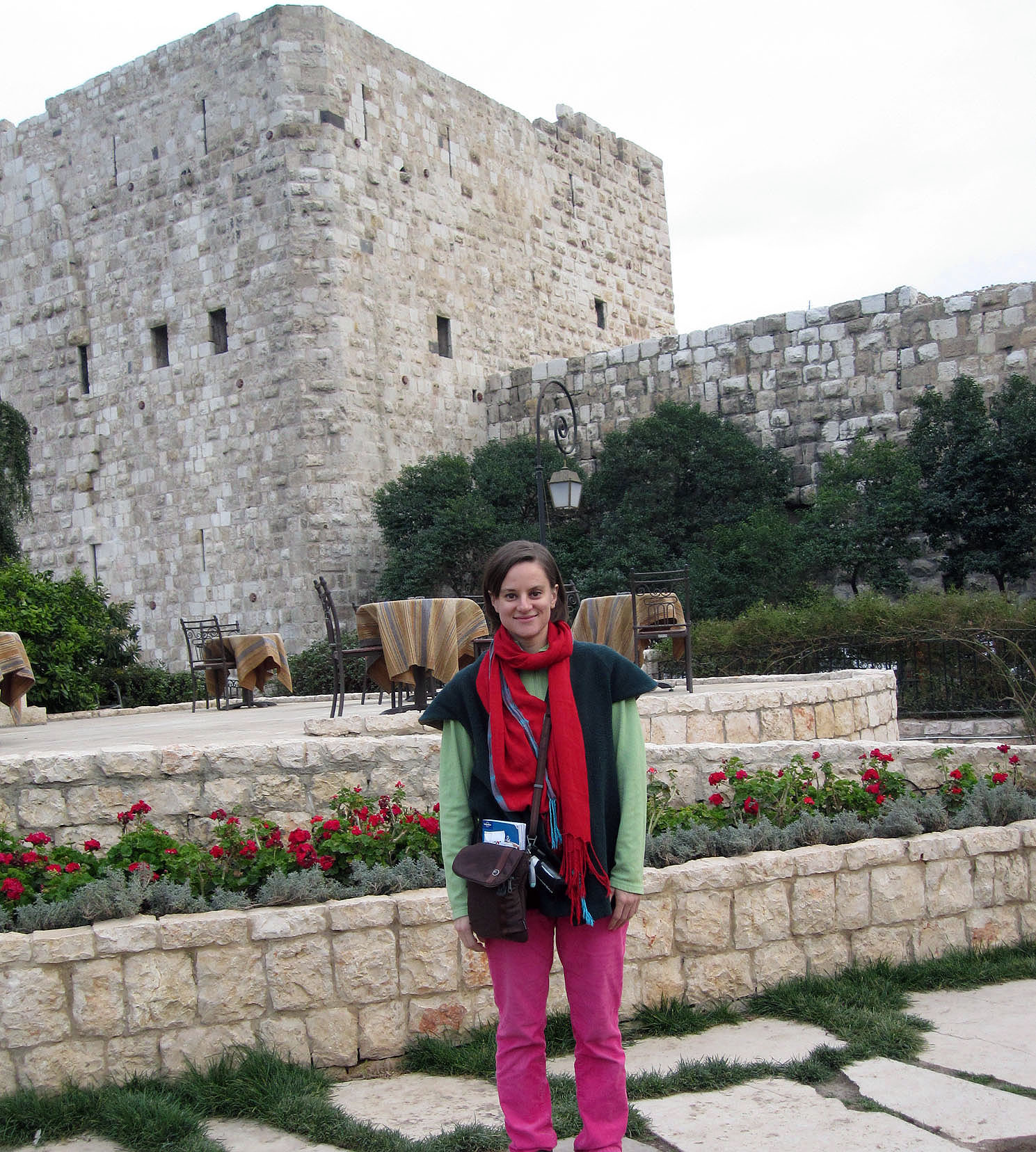
The Citadel of Damascus--before the war
Posted in Blog
Comments Off on Today in Syria…