 Emily’s Blog
- Sunset Beach Tai Chi July 22, 2024
- Coffee with Abu… July 22, 2024
- Rumi Latte in Beverly Hills July 22, 2024
- Judging a Burmese TedTalk July 22, 2024
- Mystical Tajik Cafe in Beverly Hills July 21, 2024
- Hollywood: Brown Film Festival July 21, 2024
- New Play Premiere in Burma July 21, 2024
- Bhutan Meets Malibu & Mulholland July 21, 2024
- Tricycle Bliss July 21, 2024
- Kung Fu Panda July 21, 2024
Category Archives: Blog
貝魯特的太極練習課
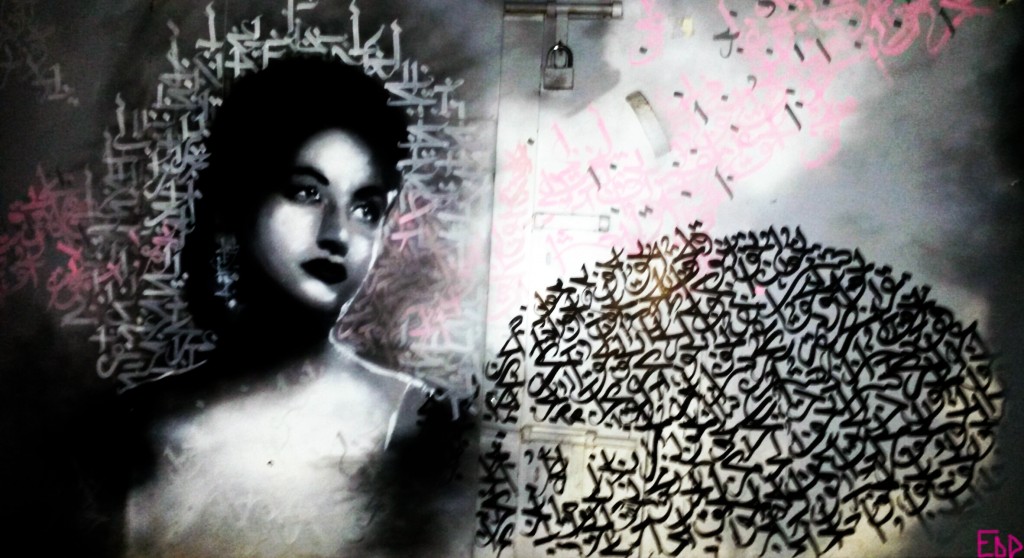
Tonight in Beirut (Photo: Emily O'Dell)
Posted in Blog
Comments Off on 貝魯特的太極練習課
Prague & the Rolling Stones…
Prague Castle, Communist Bunkers & the Rolling Stones
A talk by Prof. arch. Zdeněk Lukeš (NYU Prague)
February 11th, 6:30 PM
NYU Department of Russian and Slavic Studies
19 University Place, 2nd fl., NYC
Professor Zdeněk Lukeš is an architect and renowned architectural historian who participated in the restoration and revitalization of the Prague Castle after the Velvet Revolution. Thus, he had the opportunity to have an intimate look at this vast estate and some of its famous guests…
Posted in Blog
Comments Off on Prague & the Rolling Stones…
Memorializing Malcolm X…
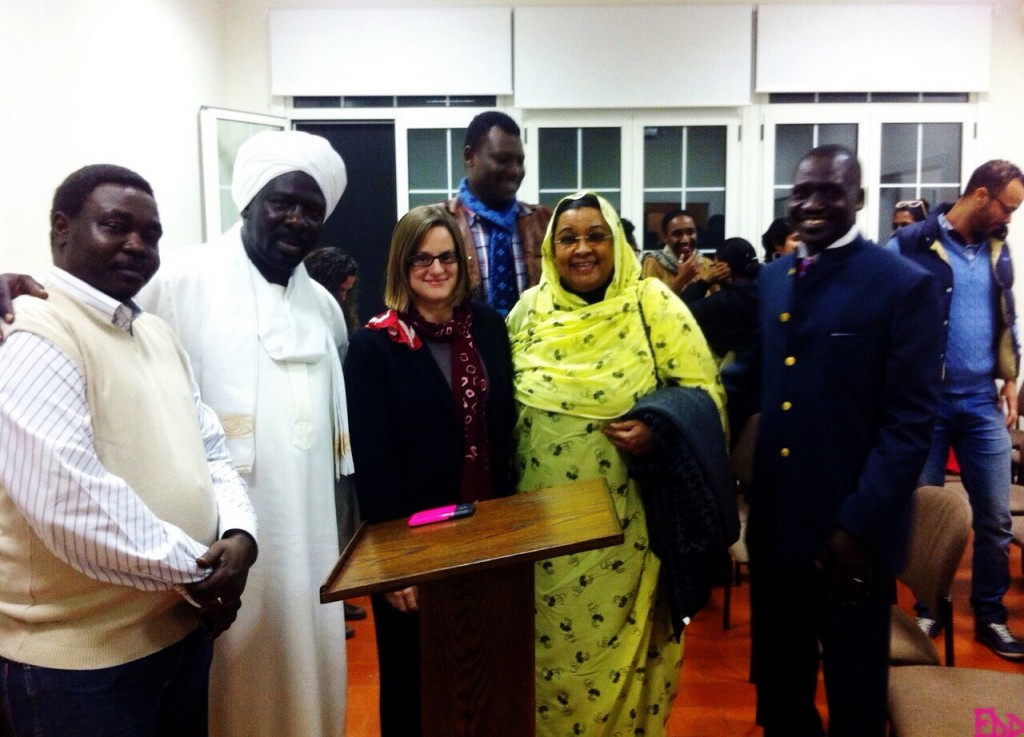
Remembering Malcolm X at the American University of Beirut (Photo: Emily O'Dell)
Posted in Blog
Comments Off on Memorializing Malcolm X…
A Monastery…
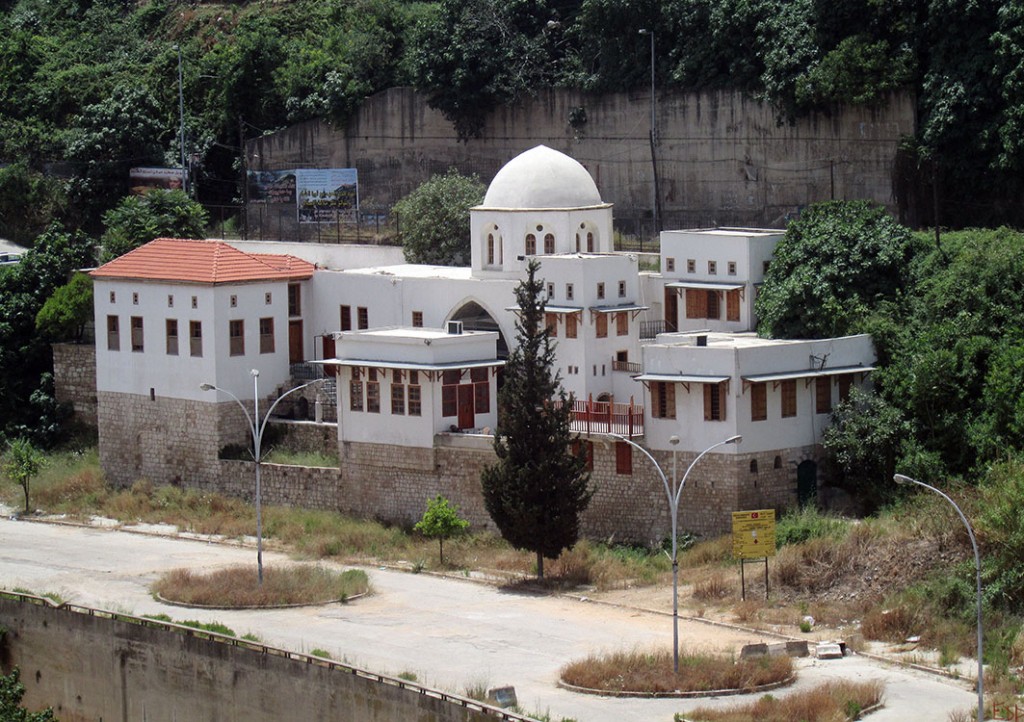
Mevlevi Tekke in Lebanon (Photo: Emily O'Dell)
A dervish must know pain’s reality
And from the depths of pain must rise, a (hu)man.
In all directions, they build yet again another monastery:
The universe is a monastery; there only needs be a true human…
Posted in Blog
Comments Off on A Monastery…
Sheikh Hamad El-Nil…
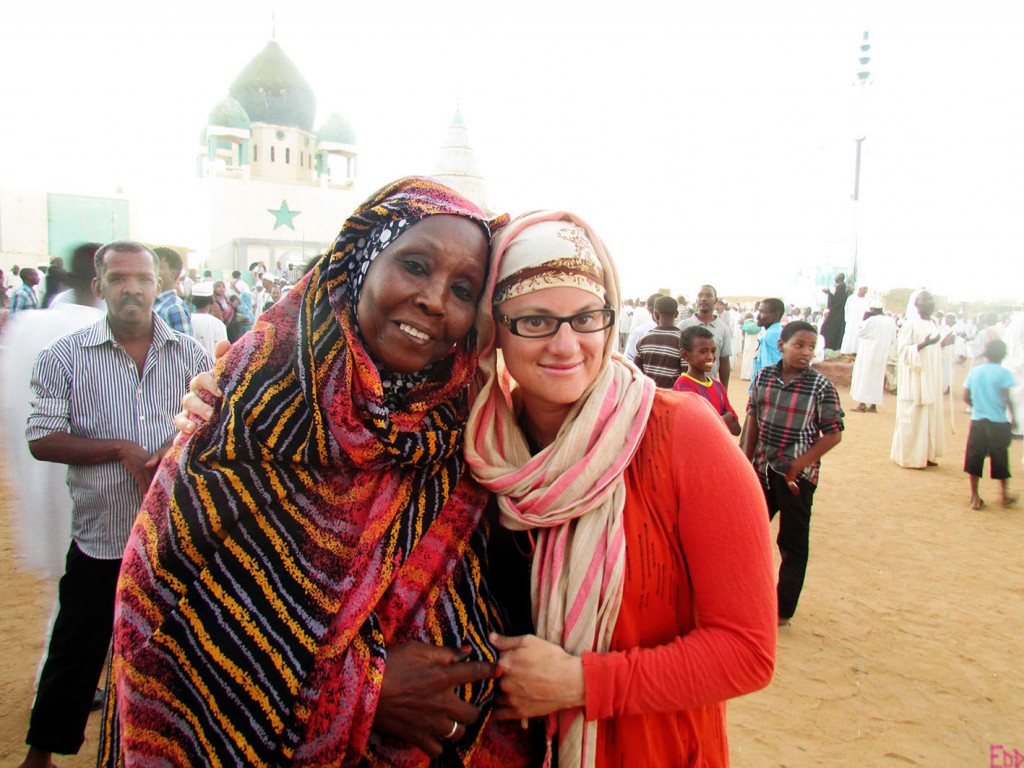
Visiting the shrine of Sheikh Hamad el-Nil in Sudan (Photo: Emily O'Dell)
Posted in Blog
Comments Off on Sheikh Hamad El-Nil…
The Corporatization of Education…

Coming up in Beirut...
Posted in Blog
Comments Off on The Corporatization of Education…
Today in Beirut…
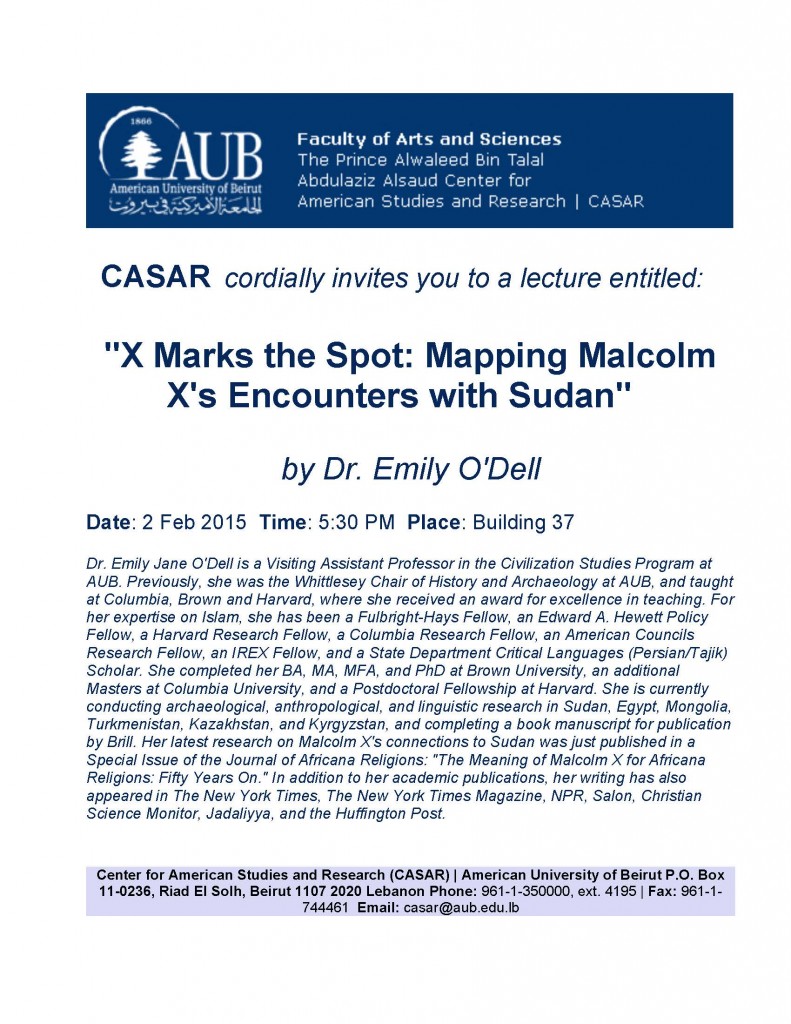
Today at AUB
Posted in Blog
Comments Off on Today in Beirut…
Leni in Sudan…
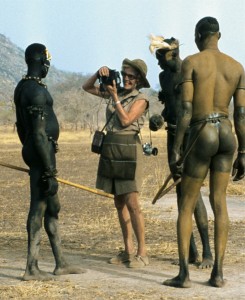
Leni Riefenstahl at work in Sudan
Many remember Leni Riefenstahl first and foremost as the director of The Triumph of the Will, the Nazi propaganda documentary that revolutionized filmmaking. Hitler also asked her to film the 1936 Olympics–from which she produced the two-part film Olympia. Unable to continue directing films after the war, Riefenstahl eventually turned her sights on Sudan, and became the first foreign woman with special permission from the Sudanese government to live in the remote valleys of central Sudan. The people with whom she lived in Sudan had no knowledge of her Nazi past in Germany.
Riefenstahl’s celebrated photographs from Sudan were published in 1974 and 1976 as The Last of the Nuba and The People of Kau. Both books became international bestsellers. She also shot 3000 meters of film.
For her work in Sudan, the Art Director’s Club of Germany awarded Leni a gold medal for the best photographic achievement of 1975. This “perfect German woman” (in the words of Hitler) was also granted Sudanese citizenship for her services to the country–becoming the first foreigner to receive a Sudanese passport. In March 2000, while making a film about her life, she was injured in a helicopter crash in Sudan, while traveling under the assumed name of Mrs. Jacob. She died in 2003 at the age of 101 in Germany.
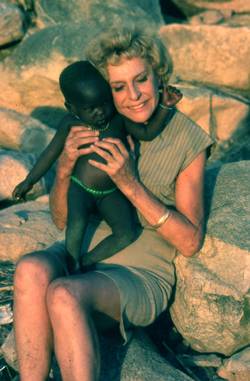
Leni Riefenstahl in Sudan
In 1975, Susan Sontag penned an infamous take down of the “fascist aesthetics” of Riefenstahl’s photographs from Sudan in a piece for the New York Review of Books entitled Fascinating Fascism. Despite Sontag’s searing criticism of Riefenstahl’s aesthetics, Sontag deemed The Land of the Nubia “the most ravishing book of photographs published anywhere in recent years.”
When asked about Sontag’s scathing critique, Riefenstahl replied: “You mean Susan Sontag? It’s a mystery to me…how such an intelligent woman can talk such rubbish…I took these pictures of the Nuba, just as they live, unobserved, without posing. What can be fascist about that? I don’t understand.”
When asked how one might define a fascist aesthetic, Riefenstahl responded: “I’ve no concept of fascism…unless it be the Hitler salute…or the fascist salute with the raised right hand. I can’t imagine anything.”
Though Steven Soderberg abandoned his Leni Riefenstahl biopic project last year (and the long-awaited Jodie Foster project has failed to materialize), Riefenstahl will soon appear on movie screens as a character in Race, the Jesse Owens biopic. Her character will be played by Carice van Houten, who plays priestess Melisandre on HBO’s Game of Thrones.
Posted in Blog
Comments Off on Leni in Sudan…
Bomb Blast in Damascus…
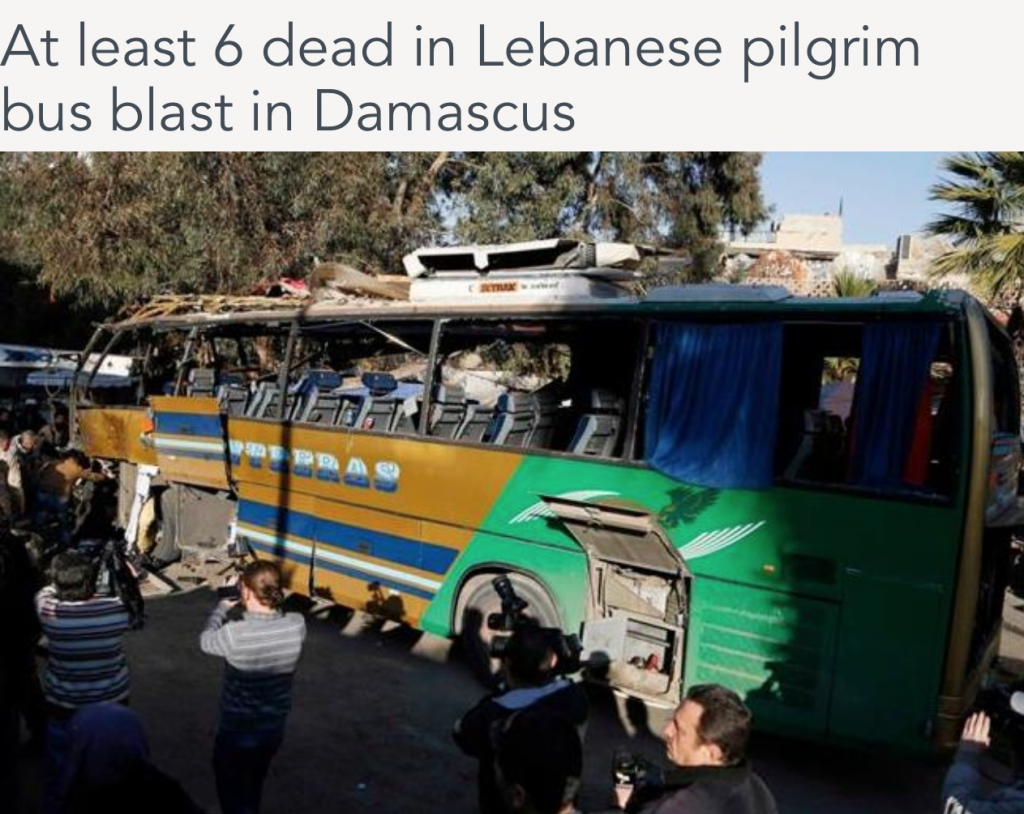
Daily Star
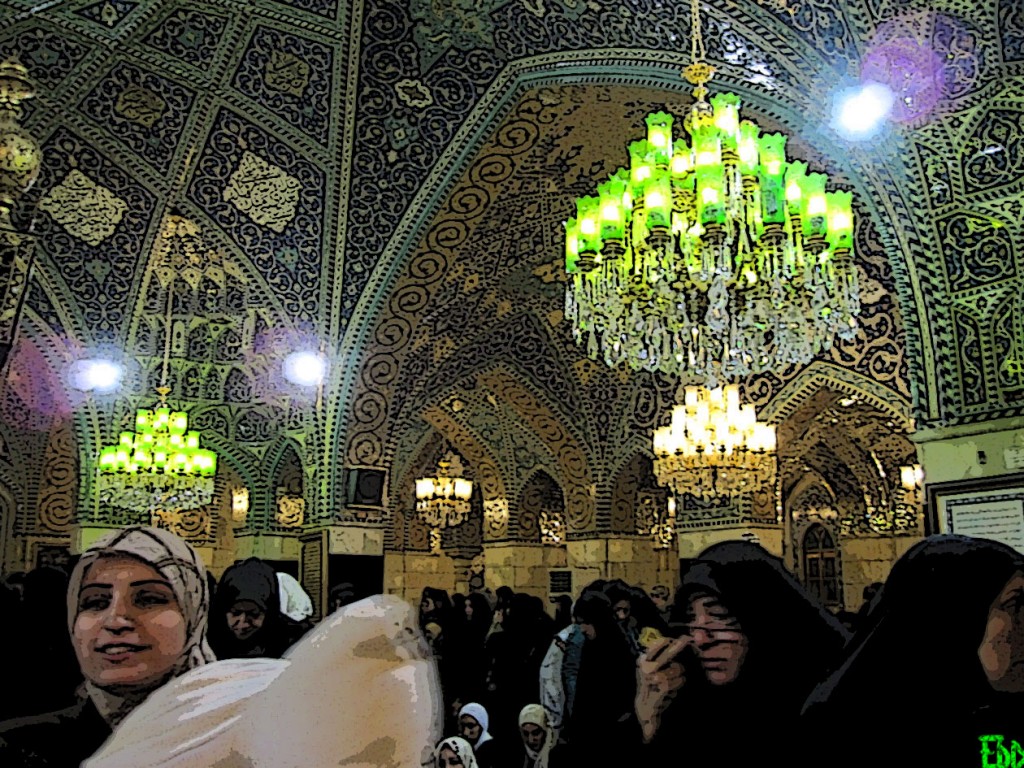
Visiting Shia Shrines in Syria (Photo: Emily O'Dell)
Posted in Blog
Comments Off on Bomb Blast in Damascus…
Russia’s Races…
kj
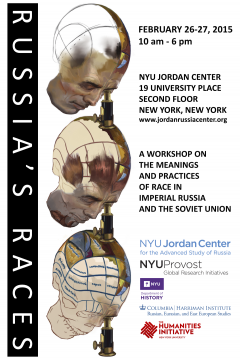
Russia’s Races: Meanings and Practices of Race in Imperial Russia & the Soviet Union
Thursday, February 26 to Friday, February 27, 2015
10:00 am – 6:00 pm
NYU Jordan Center for the Advanced Study of Russia
(19 University Place, 2nd Floor)
Please join the Harriman Institute, the Jordan Center for the Advanced Study of Russia at New York Univeristy (NYU), the NYU Provost, NYU History Department, and the Humanities Initiative at NYU for a two-day workship on race in Russia and the Soviet Union. This two-day workshop aims to make a serious intervention in a key category of global analysis. It brings together historians, literary scholars, and anthropologists from Europe and the U.S., and combines Russian specialists with discussants from other fields (Latin America, U.S., Western Europe, the Caribbean). The central question will be not whether, but how race has worked in Russia over the past two centuries.
Posted in Blog
Comments Off on Russia’s Races…
Pencak Silat in Java…
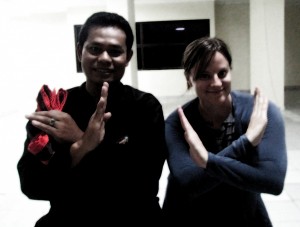
Studying pencak silat in Java (Photo: Emily O'Dell)
Posted in Blog
Comments Off on Pencak Silat in Java…
From Beirut to Indonesia…

Preparing to perform in a shadow puppet play in Java
(Photo: Emily O'Dell)
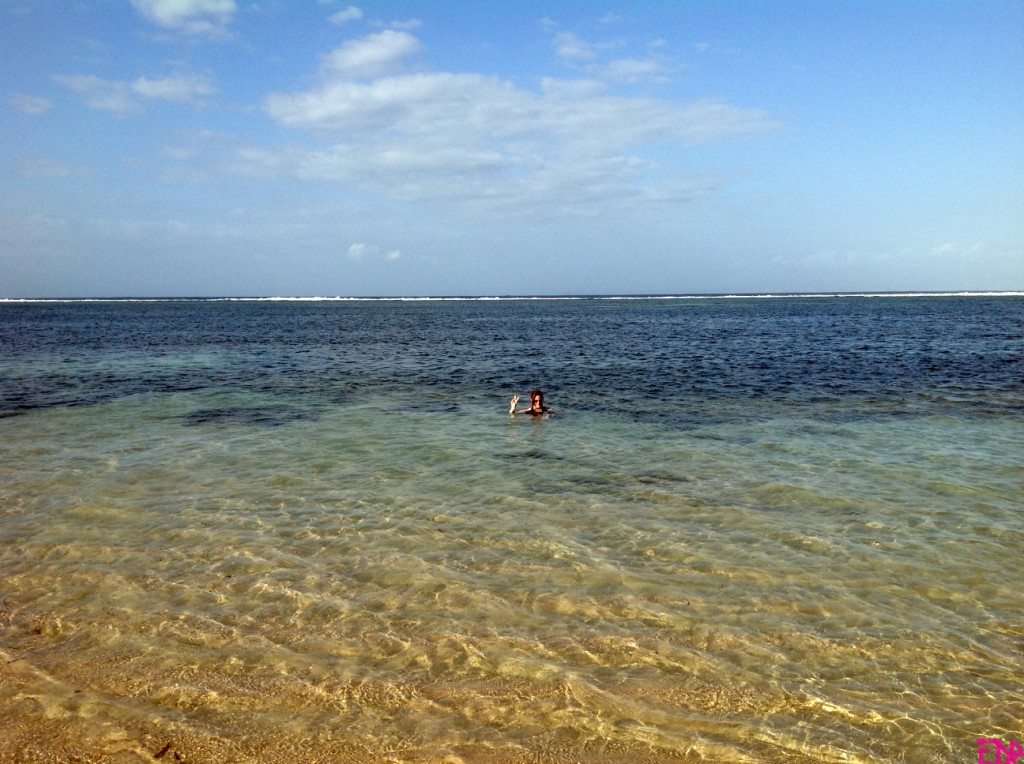
Hitting the beach in Bali (Photo: Emily O'Dell)
Posted in Blog
Comments Off on From Beirut to Indonesia…