 Emily’s Blog
- Sunset Beach Tai Chi July 22, 2024
- Coffee with Abu… July 22, 2024
- Rumi Latte in Beverly Hills July 22, 2024
- Judging a Burmese TedTalk July 22, 2024
- Mystical Tajik Cafe in Beverly Hills July 21, 2024
- Hollywood: Brown Film Festival July 21, 2024
- New Play Premiere in Burma July 21, 2024
- Bhutan Meets Malibu & Mulholland July 21, 2024
- Tricycle Bliss July 21, 2024
- Kung Fu Panda July 21, 2024
Category Archives: Blog
Strawberries…
 “My grandfather hated straw-
berries, so perishable, not like apples, pears,
quince, cherries, a strawberry ripening
is a strawberry close to rot.”
–Joyce Carol Oates
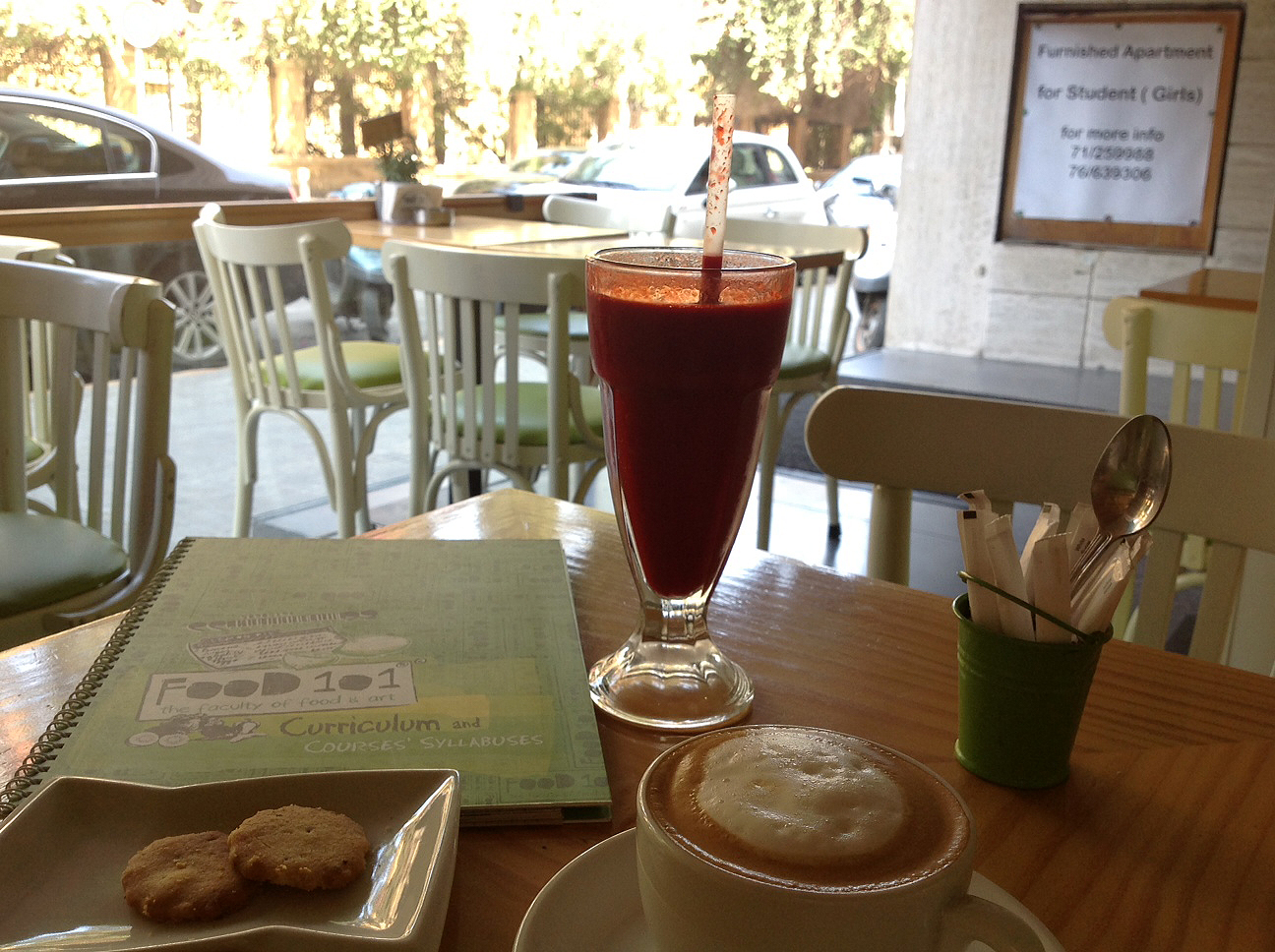
Beirut is heating up. In this hostile humidity, I’ve found that one of the best ways to cool down is to seek shade under a generous awning, and sip on a glass of fresh strawberry juice. This week-end, I tried the fresh strawberry juice at Food 101 in Hamra–and it was just the infusion of vitamin C and summer sweetness I was craving. As I savored each slow sip, I thought of a lovey piece by Joyce Carol Oates, called “Strawberries”–which you can read in full here.
Posted in Blog
Comments Off on Strawberries…
A Cafe of One’s Own…
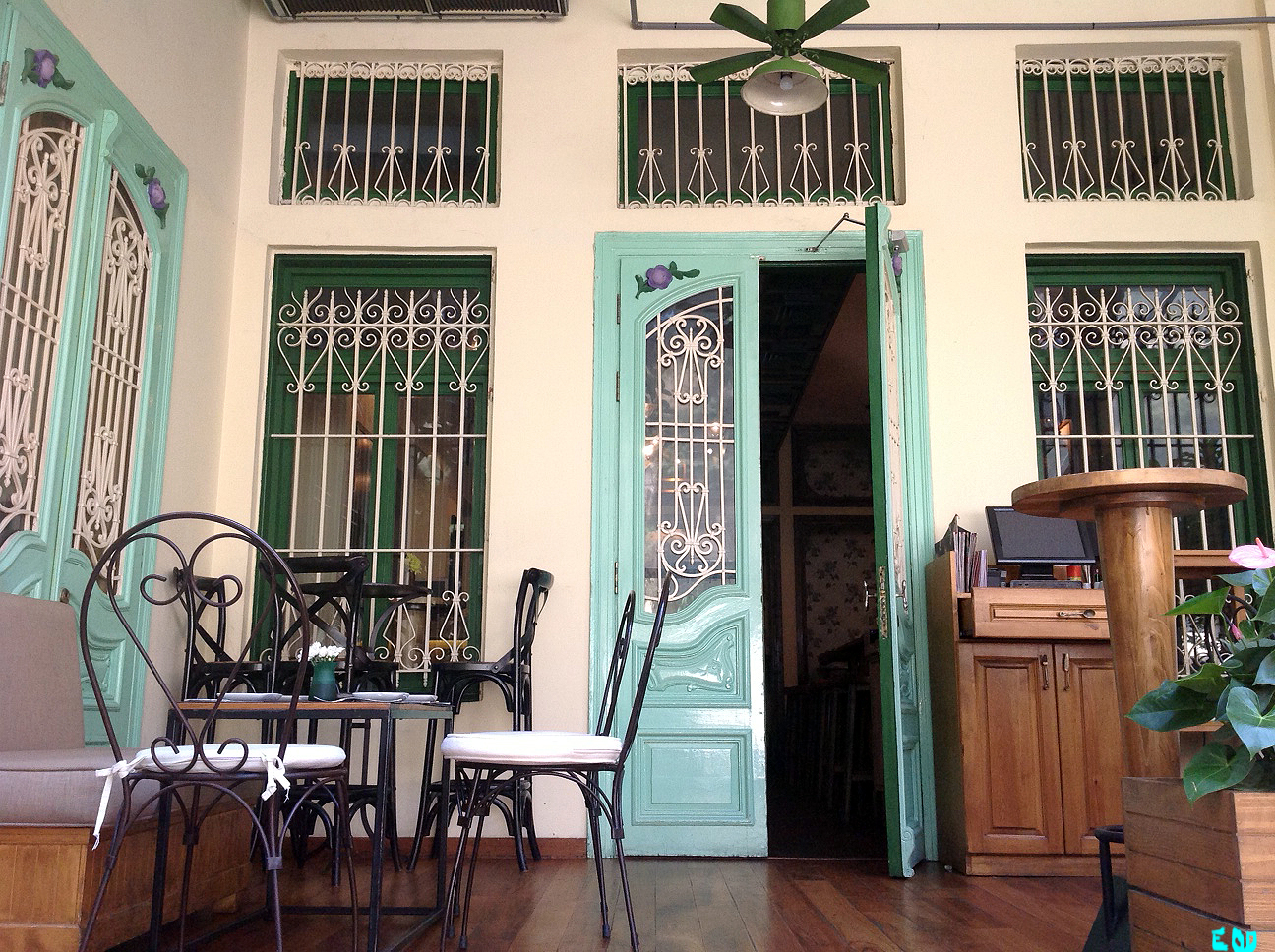
Photo by Emily O'Dell
It was a pleasant cafe, warm and clean and friendly, and I hung up my old water-proof on the coat rack to dry and put my worn and weathered felt hat on the rack above the bench and ordered a cafe au lait. The waiter brought it and I took out a notebook from the pocket of the coat and a pencil and started to write. — Ernest Hemingway
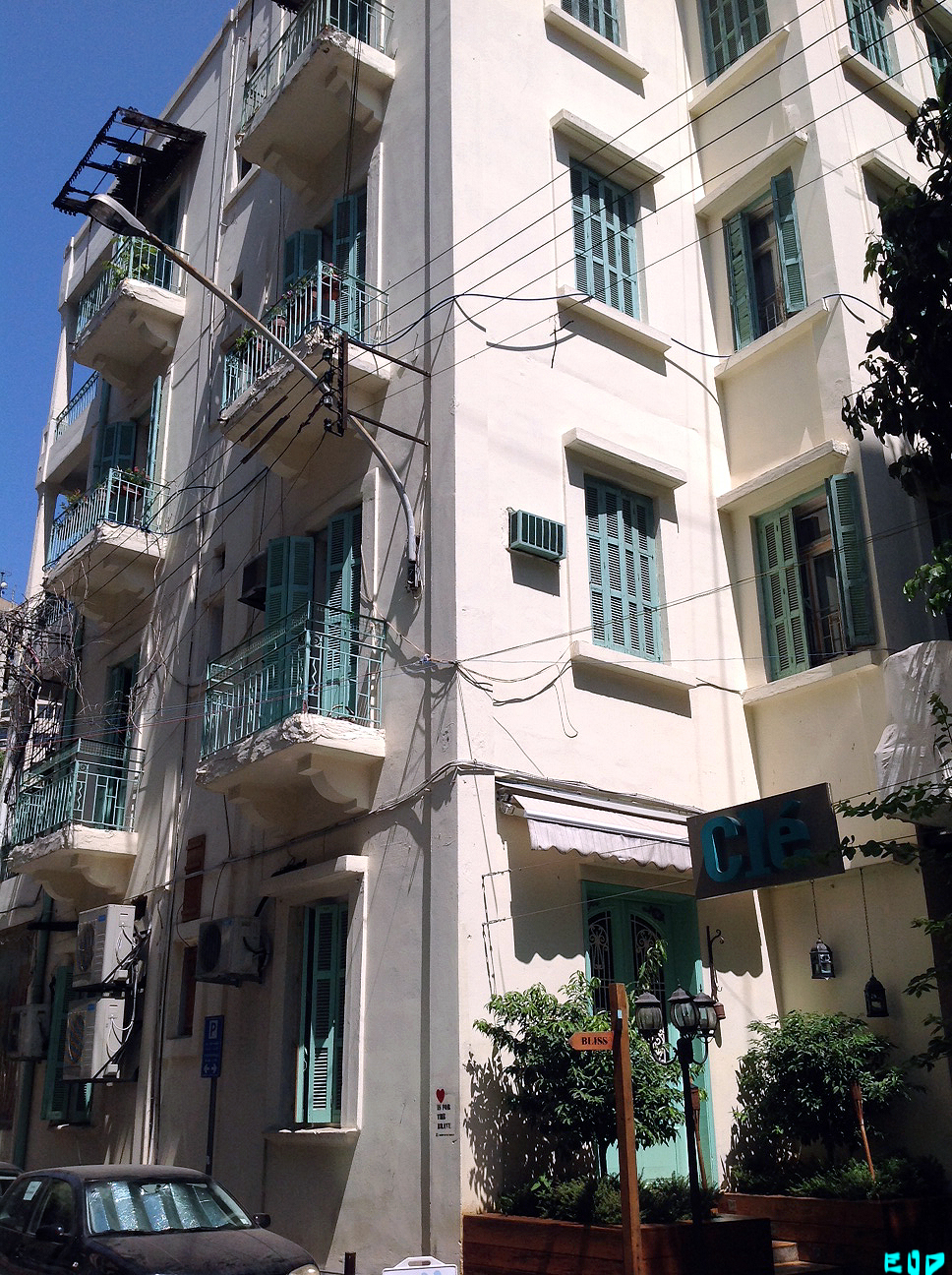
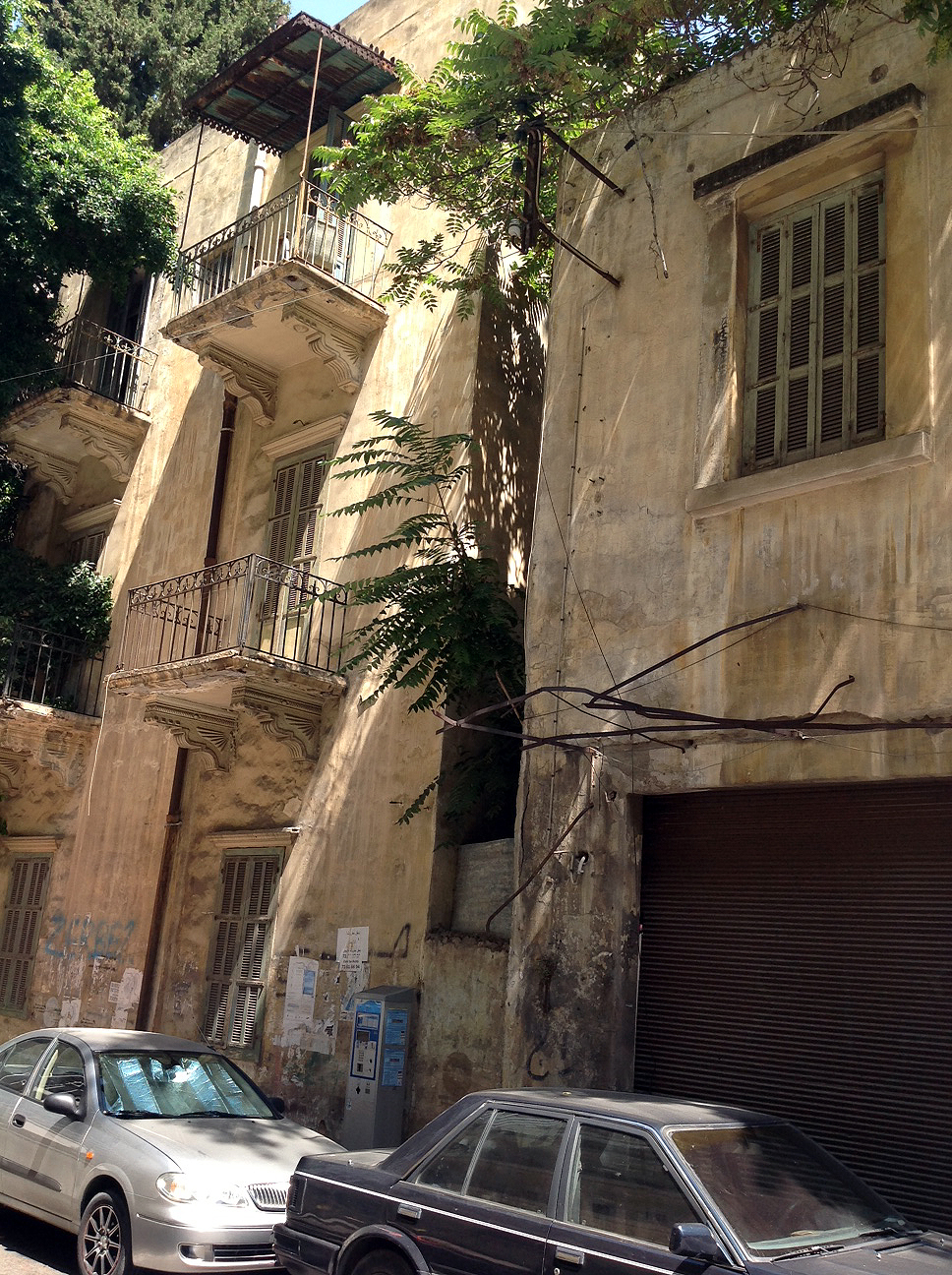 Like many writers, I do most of my writing in cafes. In Beirut, we have our pick of inspired cafes–where one can lounge and write all day. Yesterday, I took some photos at Clé–since I’m in love with their quiet garden out back. Like many cafes, restaurants, and dance clubs in Beirut, Clé is situated in a traditional Beiruti house. The white building to the left is Clé, while the other is its neighbor–which hasn’t been restored (yet?) like Clé.
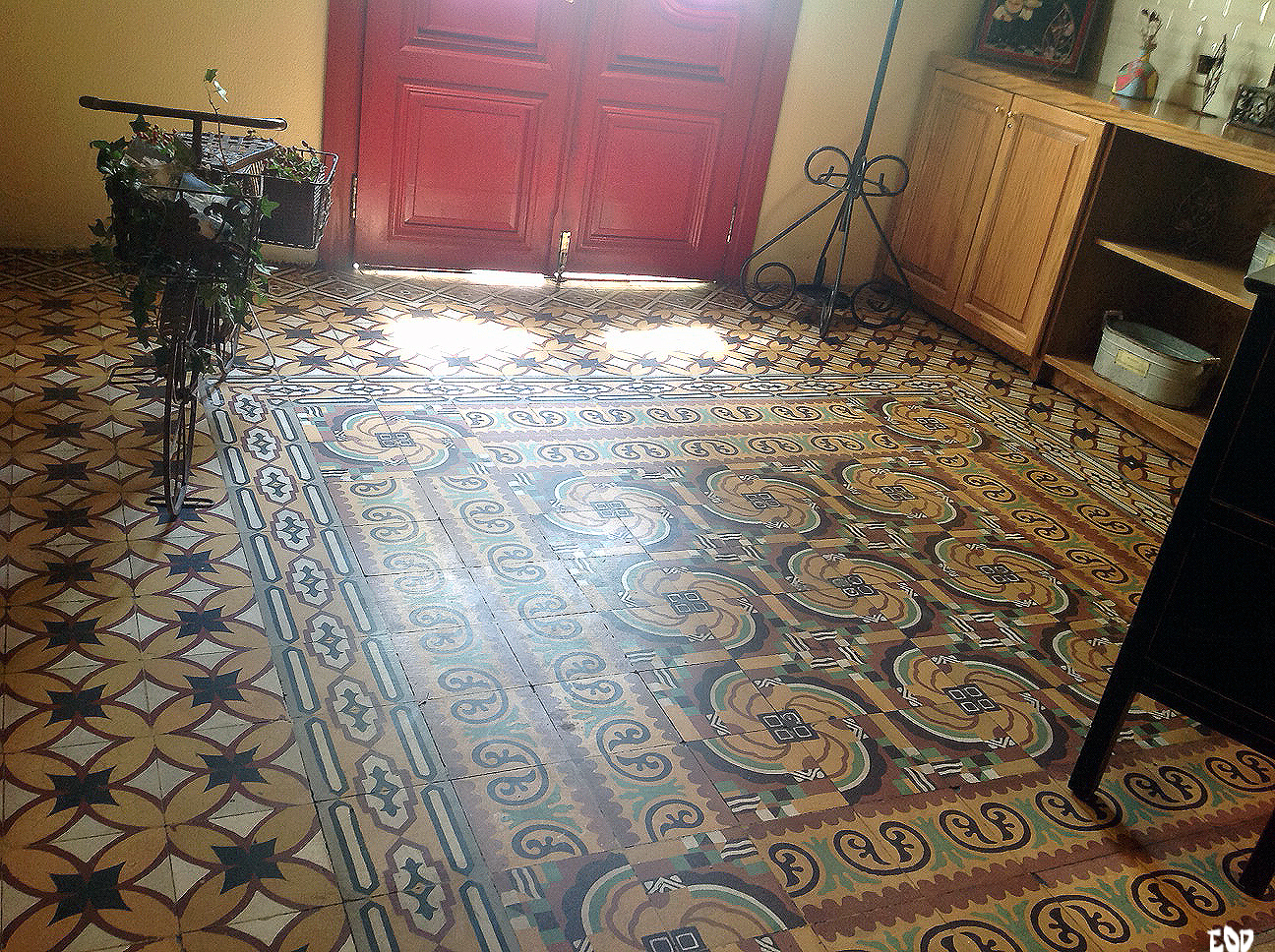
Photo by Emily O'Dell
Tis pity wine should be so deleterious, for tea and coffee leave us much more serious. – Lord Byron
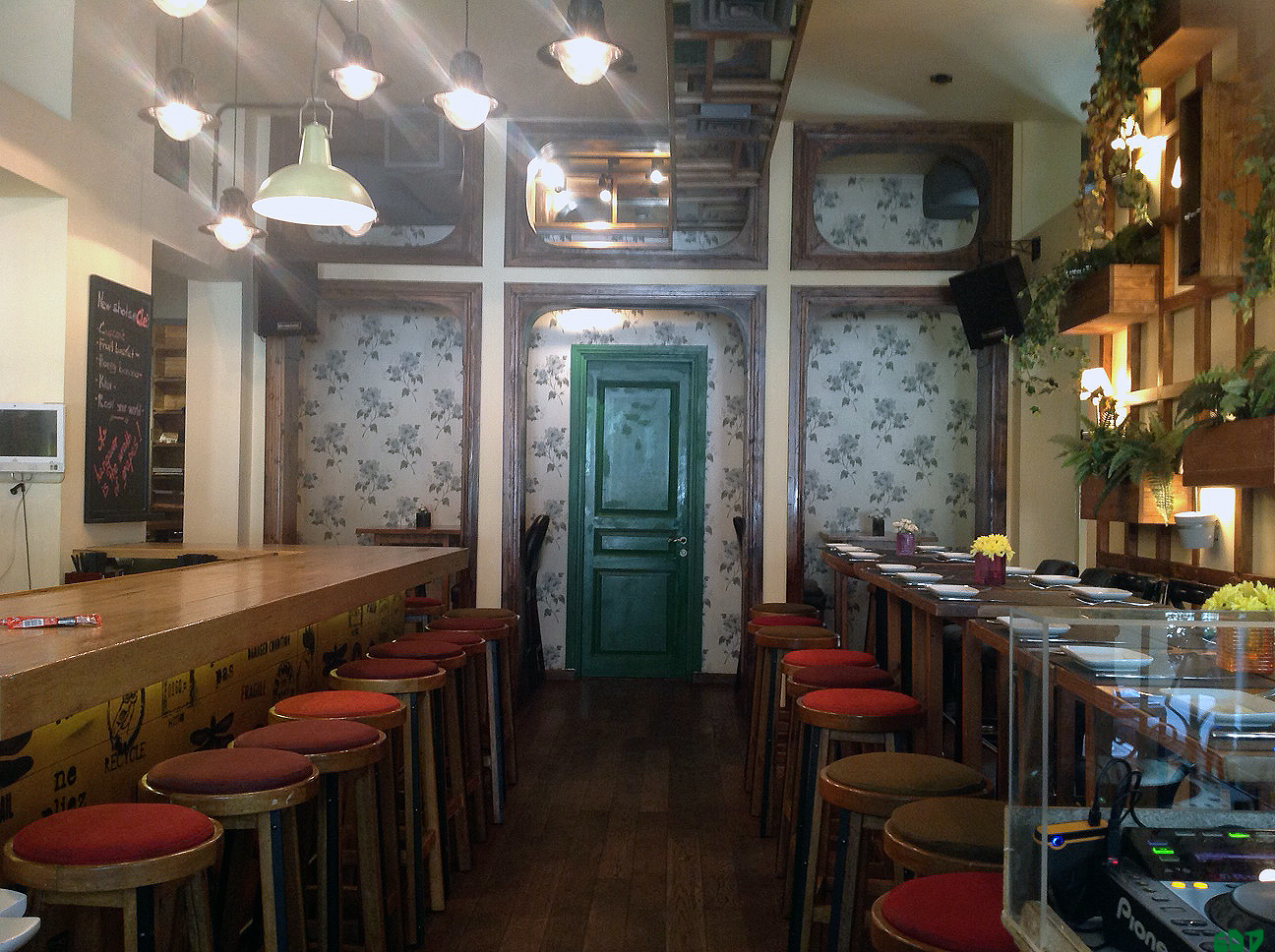
This colorful tile floor waits to greet Clé’s hungry patrons when they walk through the door. Some of my friends have floors like this running through their apartments–and they’re one of my favorite features of homes in Beirut. Before Clé was a restaurant, it served as a kindergarten–and before that, of course, a lovely residence. While some stop at the bar for a beer, others saddle up to the fireplace to sip a glass of wine. And the rest of us–saunter out back to the garden.
 Of all the unchristian beverages that ever passed my lips, Turkish coffee is the worst. The cup is small, it is smeared with grounds; the coffee is black, thick, unsavory of smell, and execrable in taste. The bottom of the cup has a muddy sediment in it half an inch deep. This goes down your throat, and portions of it lodge by the way, and produce a tickling aggravation that keeps you barking and coughing for an hour. — Mark Twain
Apologies to Baba Twain, but I’d have to disagree. Whether I’m in Istanbul, Cairo or Beirut, one of my favorite drinks is a cup of Turkish/Arabic coffee. Every morning in Beirut, I brew a mean (tiny) cup at home–the way I was taught by a Sufi sheikh in Istanbul. The magic of this delicious sludge-bottomed coffee lies in breaking one of coffee’s cardinal rules: don’t boil–and reboil–the brew. But with Arabic coffee, that part is the most fun. When a smile of foam starts to form around the edge of the ibrik–the copper hand-held brewer–I remove the coffee from the flame (three times) to ignite its savory alchemy. And when I’ve timed it just right, the coffee rises in a flurry of bubbles on the third time (and usually spills over the lip on to the stove). Thankfully, whenever I need a second round of coffee at a cafe in Beirut, Arabic coffee is always on the menu.
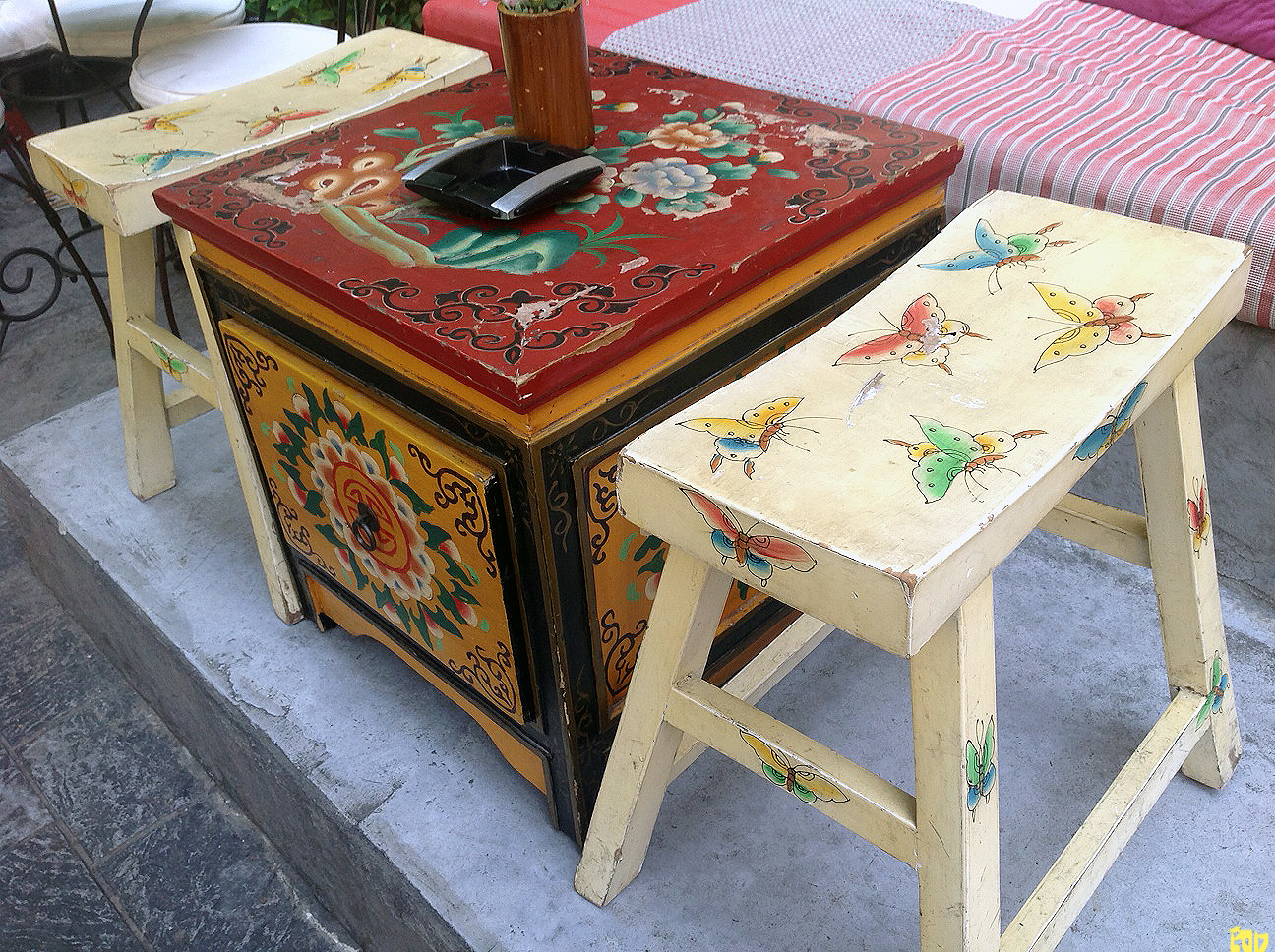
Photo by Emily O'Dell
I have measured out my life with coffee spoons. – T. S. Elliot
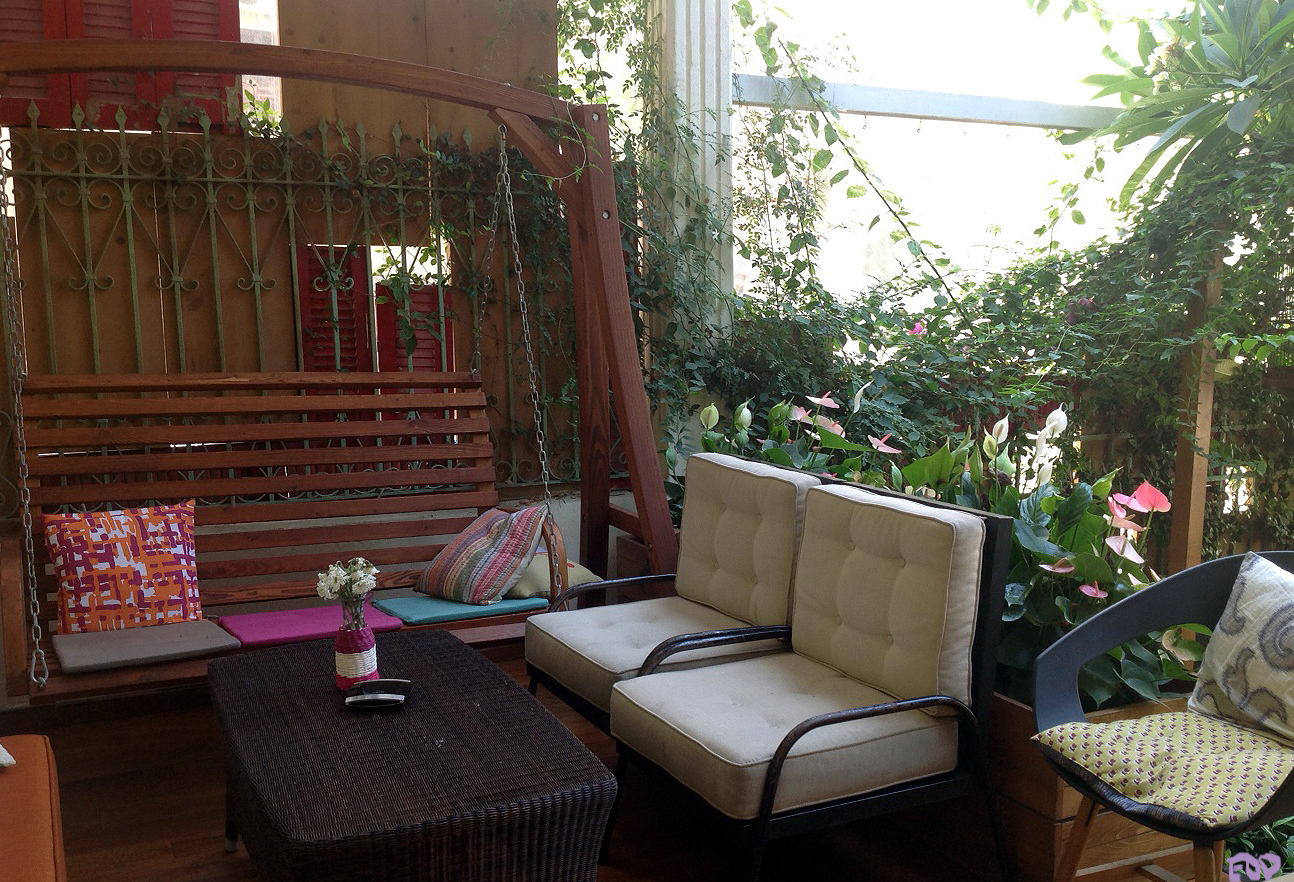
The chair in which a writer sits can influence how and what one is writing. In Clé’s garden, the furniture is an eclectic assortment of benches, swings, lounge chairs, and cushions–and rotating between them offers different perspectives of the house, street, and garden. Though some people swear by their burgers, others just go to sip on a frozen mint lemonade.
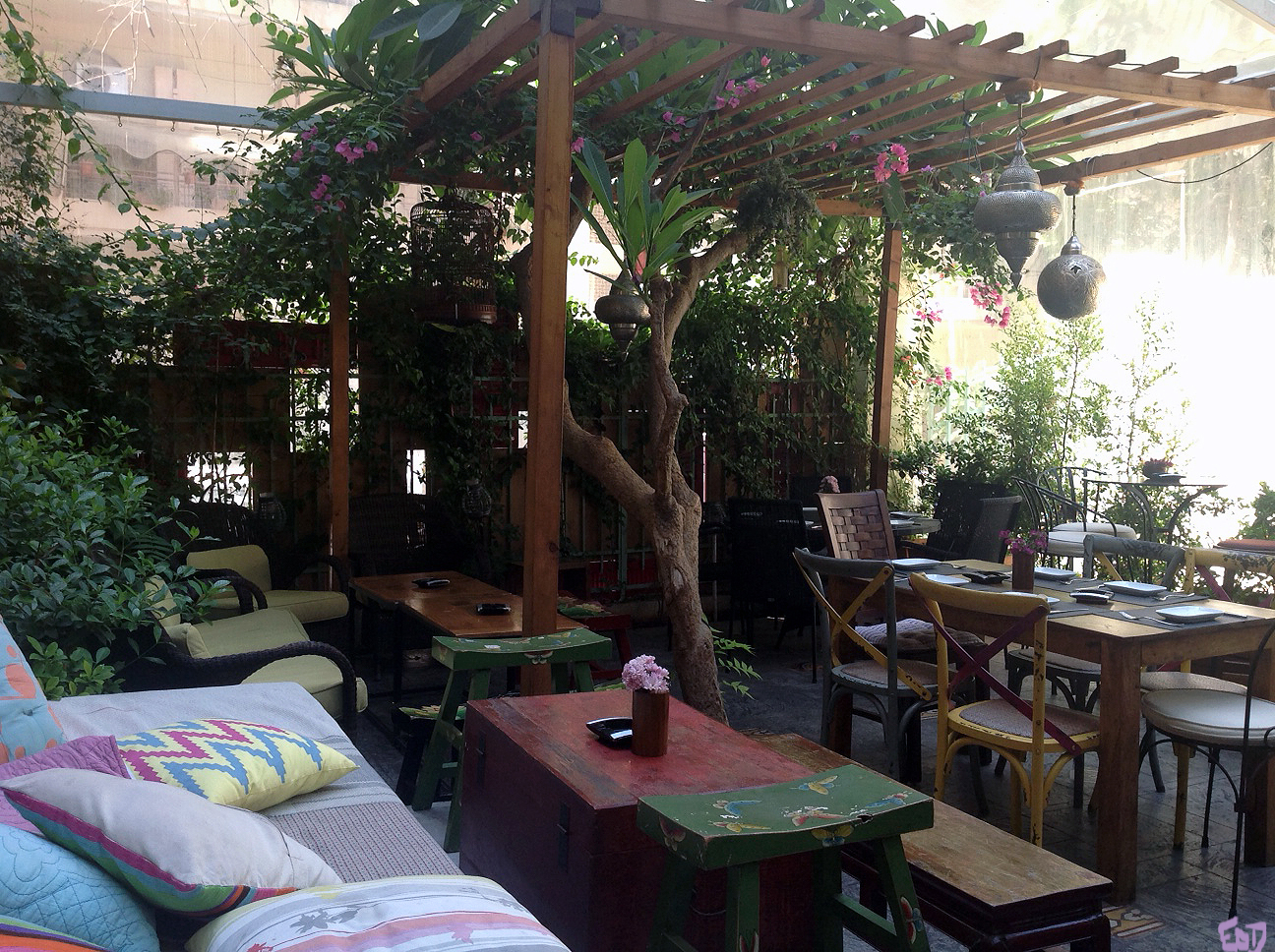
Photo by Emily O'Dell
Tobacco, coffee, alcohol, hashish, prussic acid, strychnine, are weak dilutions; the surest poison is time.
— Ralph Waldo Emerson
Beirut is heaven for a writer–a picturesque paradise well-suited for using one poison to fight off another–time. And if there’s one thing everyone is hyper conscious of in Beirut–it’s time, and how short it can be. Perhaps the best part about being a writer in Beirut is: whenever writer’s block strikes, then that means it’s time for a dip in the sea.
Posted in Blog
Comments Off on A Cafe of One’s Own…
Hearts on the Street…
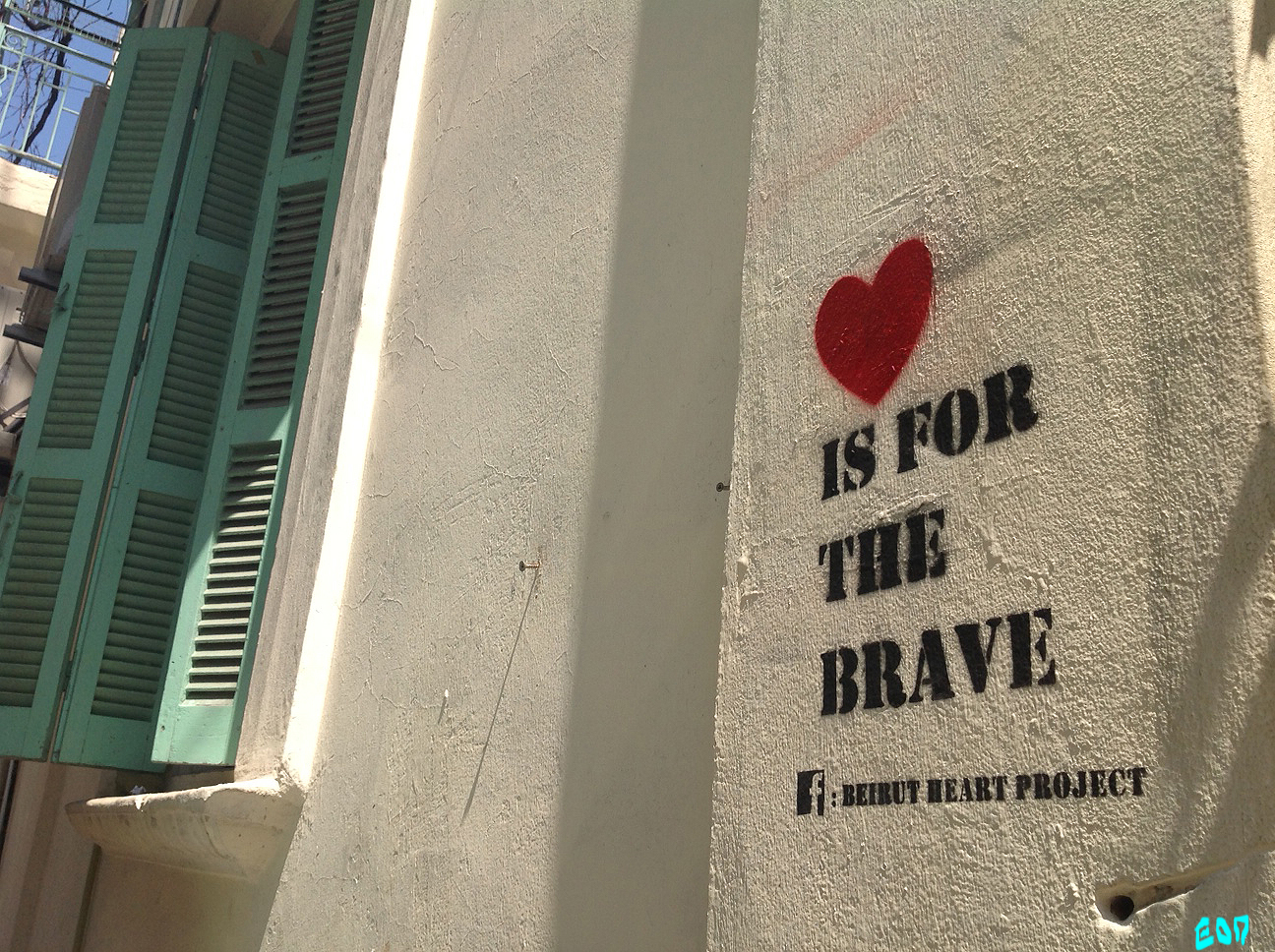
Photo by Emily O'Dell
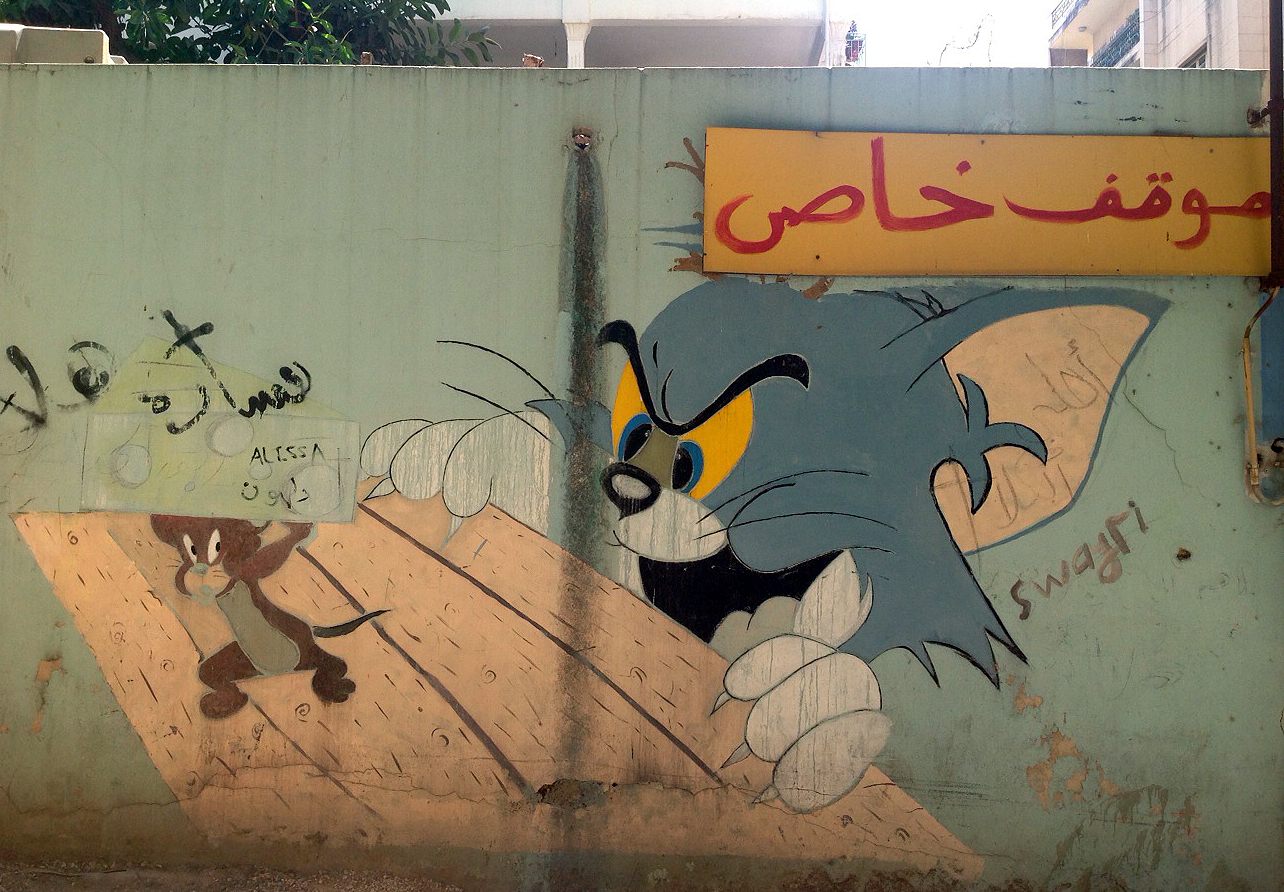
I spotted this heart on the streets of Beirut while running errands today–to learn more, please go to the Beirut Heart Project on Facebook.
Posted in Blog
Comments Off on Hearts on the Street…
Give it a Try!
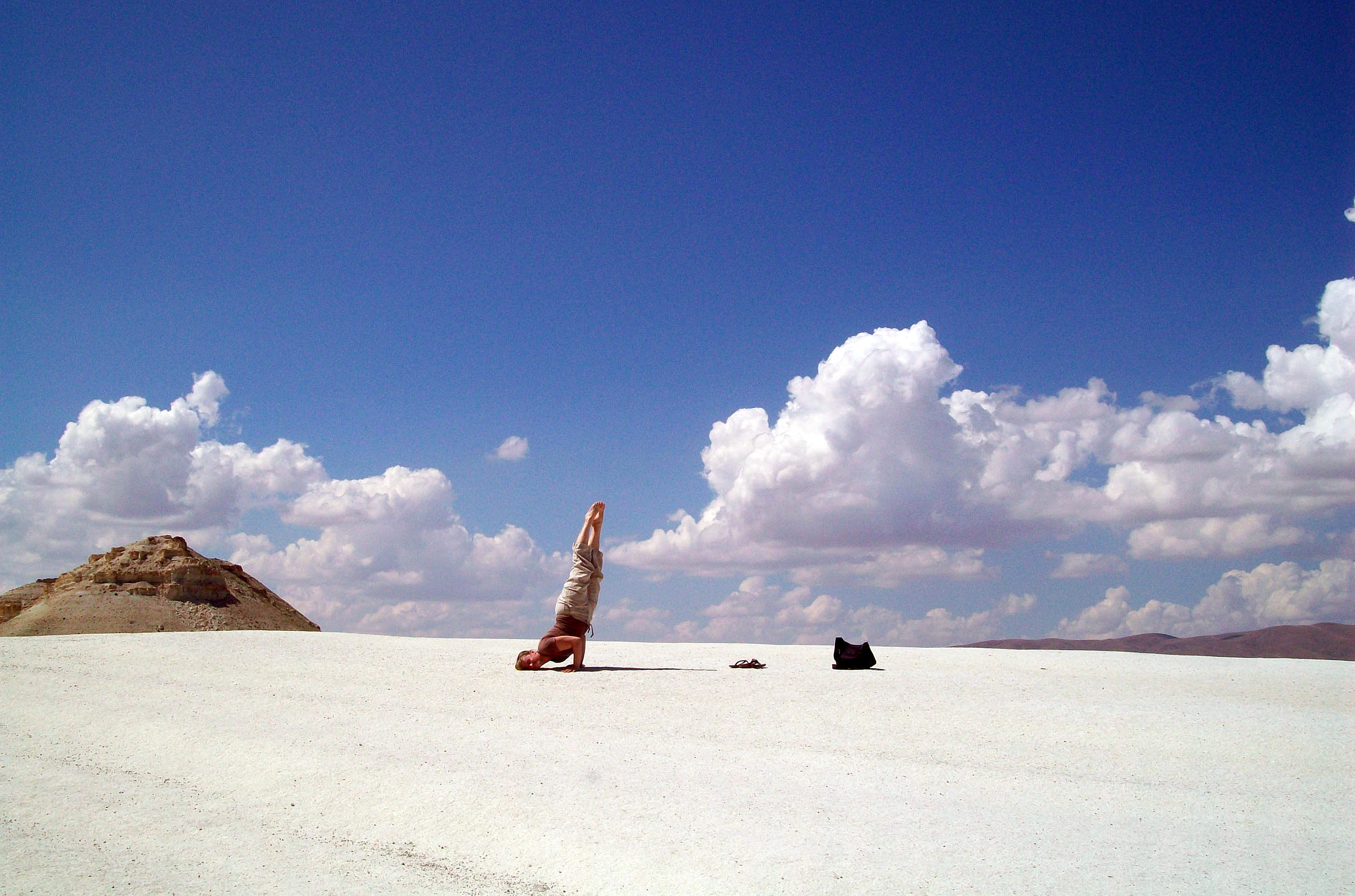
Emily O'Dell striking a capoeira pose in Cappadocia...
Capoeira is for men, women and children; the only ones who don’t learn it are those are those who don’t wish to.
– Mestre Pastinha

Doing some Kremlin capoeira...
Capoeira really is for everyone. I’ve played capoeira with 6 year olds, who showed me up with their back handsprings, and 80 year-old masters–who can take down any buff young man with just a simple swipe. I’ve played capoeira with people of every shape and size–including little people and amputees. There really is no barrier to learning capoeira, other than not wanting to learn it.
If you watch this video of a fierce amputee playing capoeira, you’ll see that having a physical limitation doesn’t have to be a barrier to learning how to fly.
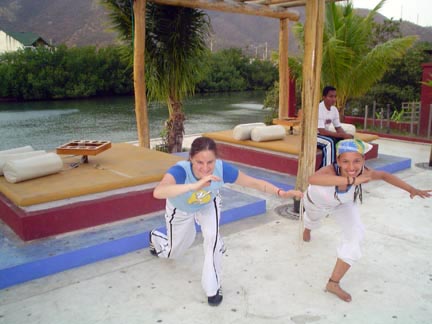
Training in capoeira in Colombia...
Capoeira is more than just a martial art–it’s also a holistic healing art, as shown in this video of disabled children learning capoeira in Brazil. While some of us have physical limitations, we all have imaginary limitations (the “I can’t” refrain on loop in our heads)–which capoeira challenges and transforms.
Life is a struggle? Life is a battle?
The player sees that capoeira is teaching him to dance within and
during this fight.
–Nestor Capoeira
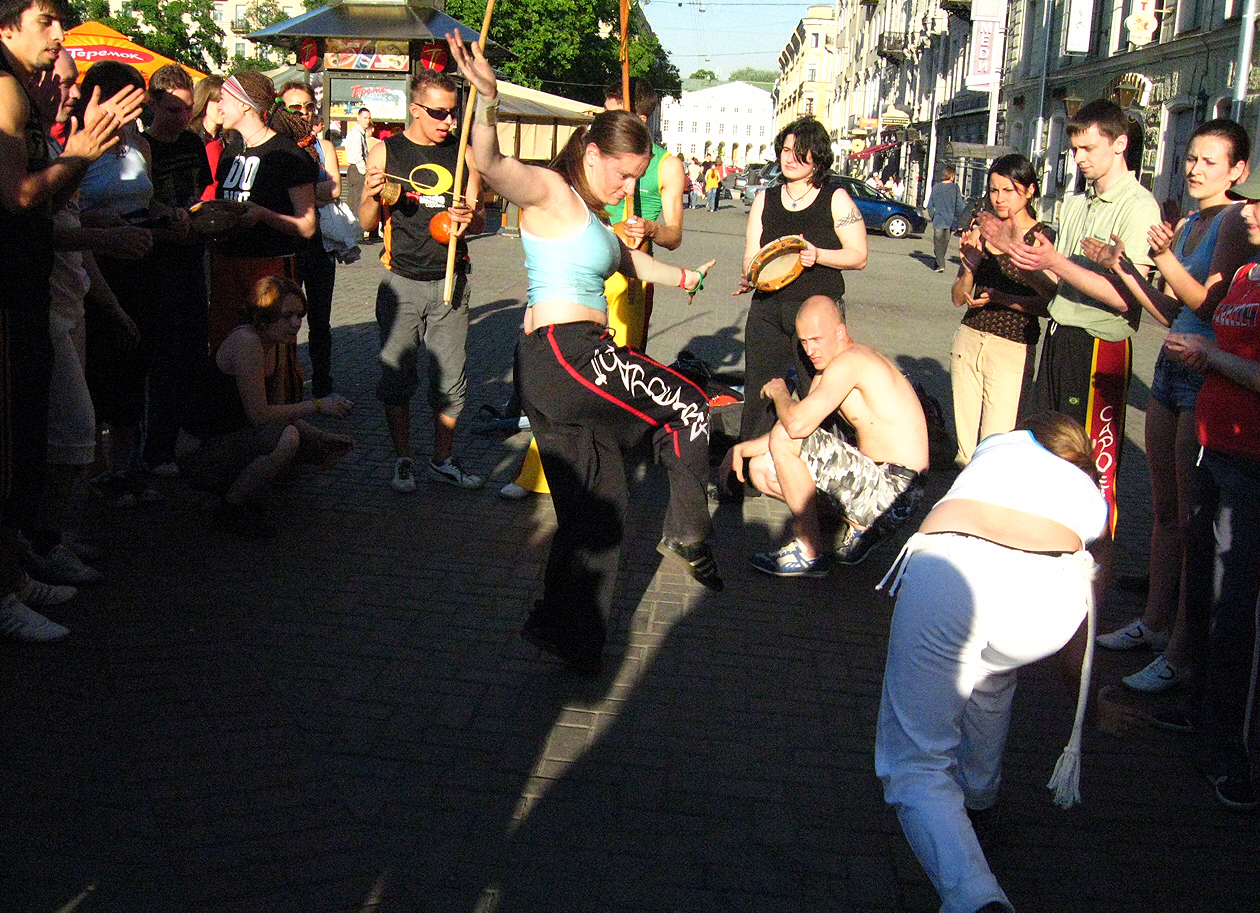
Playing capoeira on the streets of St. Petersburg, Russia
If you want a taste of capoeira, you can try following these instructional videos on youtube. If you’ve grown tired of the same old routine on your yoga mat, then why not try doing yoga in motion? After you’ve gotten the hang of the ginga, type “capoeira music playlist” into youtube, and give yourself some capoeira music to swing along to.
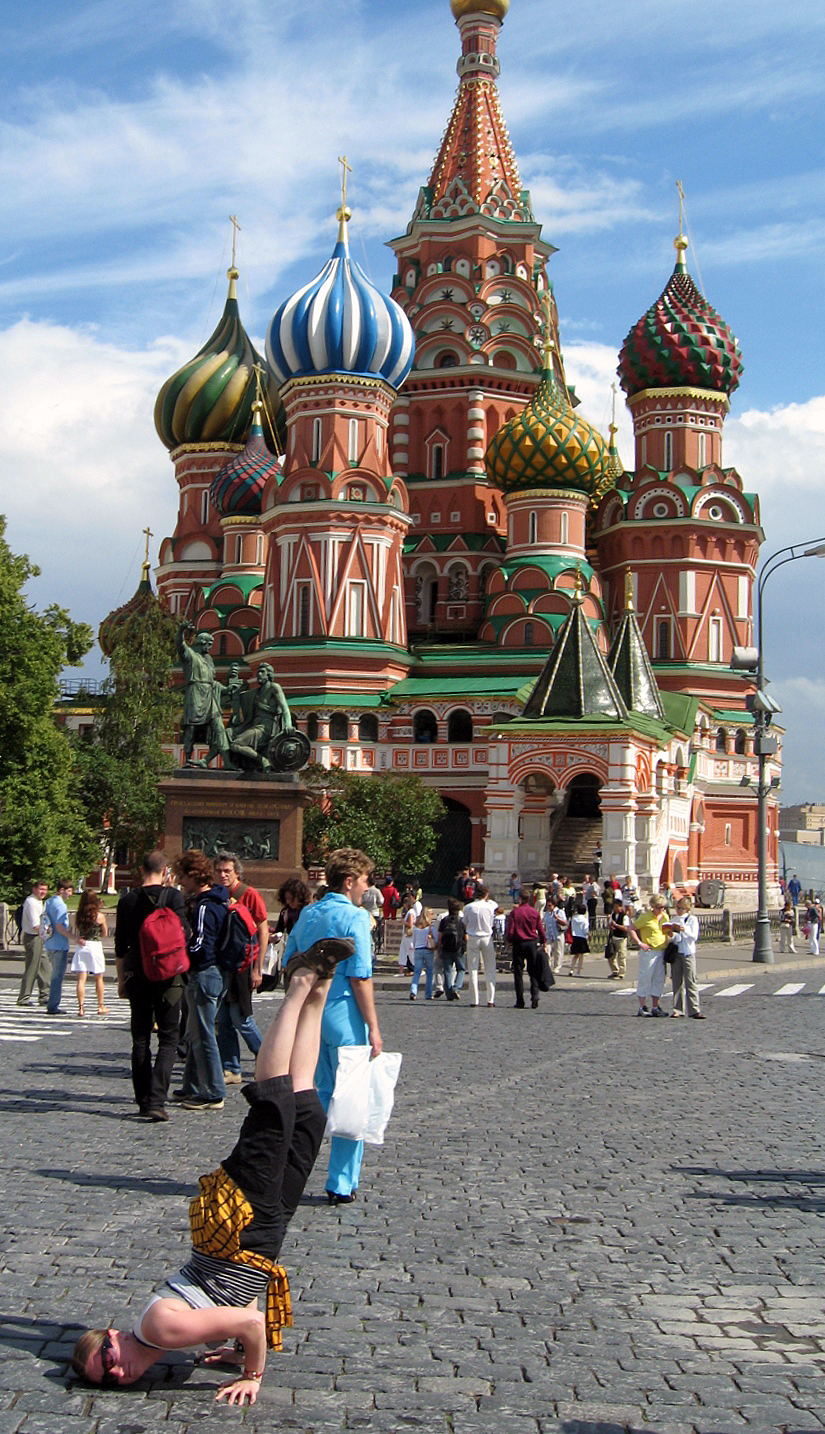
Upside down in Moscow's Red Square
But beware: capoeira is both child’s play–and deadly.
It’s kindness–and treachery.
Capoeira is a conversation between two bodies in motion, a philosophy of finding the dance in every conflict.
It is a celebration of the body–and testament to its power.
It’s a culture of resistance, and a symbol of survival.
Capoeira isn’t “done”–it’s lived.
Capoeira has always been rich and beautiful. We find everything in
capoeira: life philosophy, self-defense, art and culture. We find
part of religion in capoeira if we seek it. The word religion
means ‘to re-link oneself,’ so everything to which we link ourselves
would be a religion. We shouldn’t learn capoeira in order to cause
trouble with it, but instead use it in the hour of defense when
necessary. After all, in its life philosophy capoeira is love,
celebration, and also joy. — Joao Pequeno
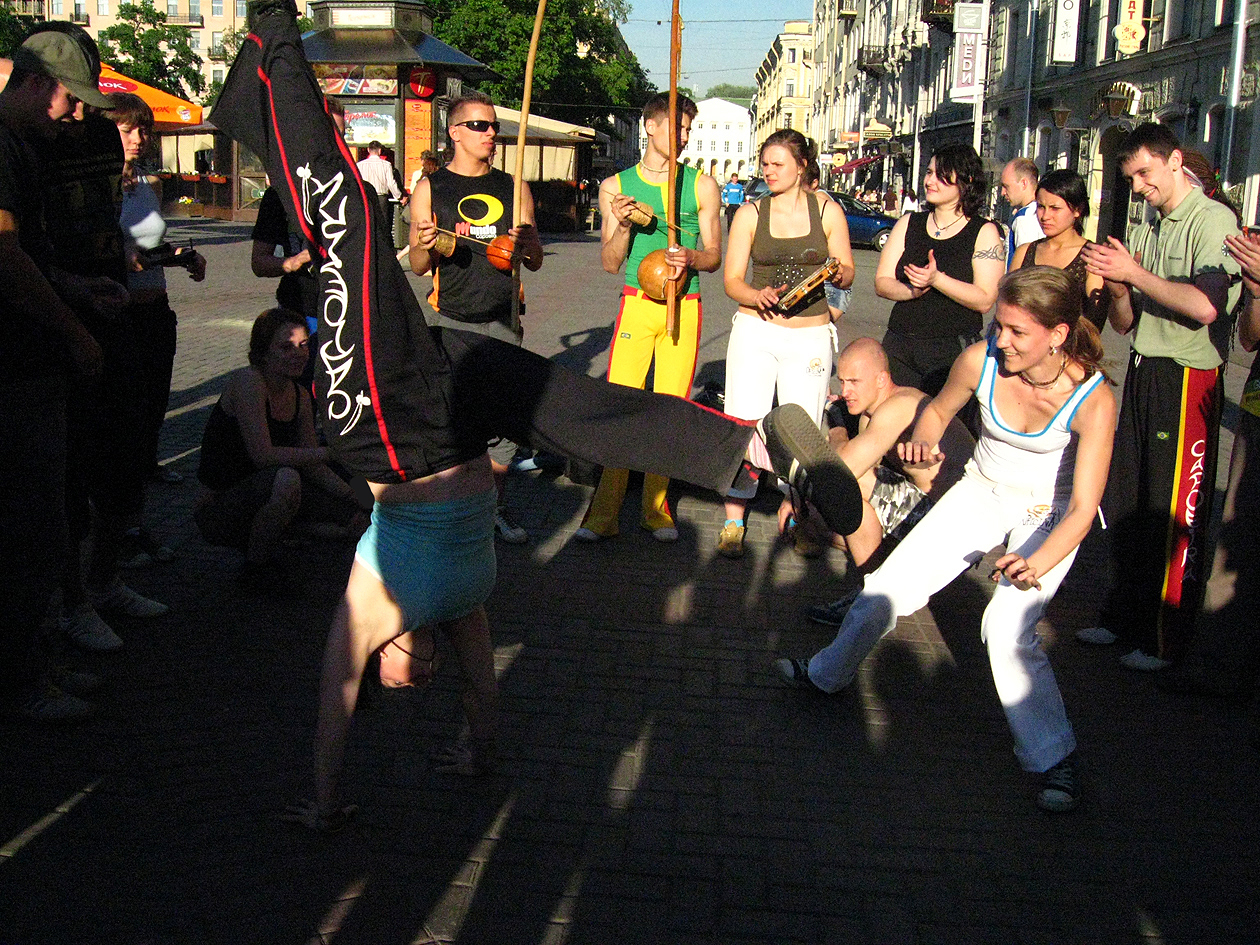
Upside down in St. Petersburg, Russia
Capoeira isn’t interested in conformity. Capoeira’s all about finding and claiming your own unique style of movement–since no two people play capoeira alike. Even if you follow the youtube instructional videos, you’ll see that your body has its own way of interpreting the moves. A capoeirista must be equal parts fighter, dancer, poet, artist, musician, and trickster. There’s an old capoeira saying: “valente nao existe”–the fearless don’t exist. As the ultimate healing art, capoeira is the best antidote to fear that I know. If you don’t believe me–try it for yourself.
The flame of this beautiful art is now in your hands. You can dampen it, you can burn yourself or your brothers and sisters, or, afraid of its heat, you can let go of it. I hope that you take good care of your capoeira and kindle this fire alive and powerful, enlightening your life.
– Mestre Accordeon
Posted in Blog
Comments Off on Give it a Try!
Caught in the Crossfire…
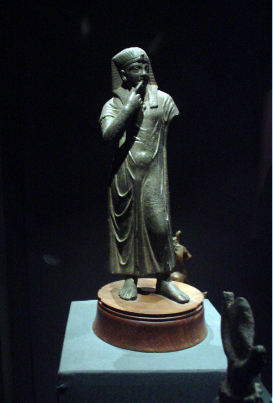
Statue in the National Museum of Alexandria (Photo by Emily O’Dell)
Between Egypt–where I work–and Lebanon–where I live, it’s been an exhausting 48 hours. In addition to staying up-to-date with the tragic human toll of the horrific violence in Egypt, along with today’s car bomb in Beirut–I’ve also been trying to track the looting of antiquities in Egypt–which have come under attack in the past 48 hours in several locations.
With the on-going violence in Egypt, the preservation and protection of antiquities obviously seems like a secondary concern. As someone on Twitter asked yesterday: “to the [sic] hell with the churches, mosques & all buildings. What steps r being taken to protect lives?”
One person responded: “Suprsingnly [sic], some are here more worried about the Buildings than Lives”
Another tweeted: “Easy to say if those structures aren’t sacred to you. For some poor villages the church is all they have”
As a human being, my thoughts are first and foremost with all those suffering–directly and indirectly–from the bloodshed. But as an Egyptologist, I feel obliged to synthesize and share the reports I’m fielding about culture caught in the crossfire from colleagues who are currently in Egypt.
The first structure to come under fire yesterday was the Rabia al-Adawiya Mosque–where yesterday hundreds were murdered. Last month, I wrote an Op-Ed for the Christian Science Monitor about the relationship of this building to gender history and Sufism–but now the mosque is in ruins–along with many lives, as shown in these haunting photographs. Sadly, this building will now occupy a very different and dark place in history and the national memory.
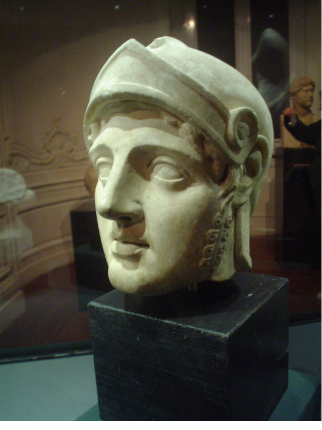
Photo by Emily O’Dell
During clashes yesterday in Alexandria, it was reported that pro-Morsi protesters destroyed guard kiosks at the entrance to the National Museum of Alexandria.
Thankfully, they didn’t get much further than the kiosk.
The National Museum of Alexandria has always been one of my favorite museums in Egypt. Its collection includes many pieces from the Greco-Roman period in Egypt–which you can see in the posture, dress, and gesture of the first photo of this entry.
While I was excavating in Egypt, I made some time to photograph the entire collection of the museum for my students. Since I know many of my students won’t make it to Alexandria–I like to bring the antiquities of Alexandria to them. Students always appreciate my slides from this museum, because they see how the Greeks and Romans took ancient Egyptian beliefs and motifs and blended them with their own.
Now, if anything goes missing from this collection–I’ll know what’s gone, since I have the entire collection at my fingertips.
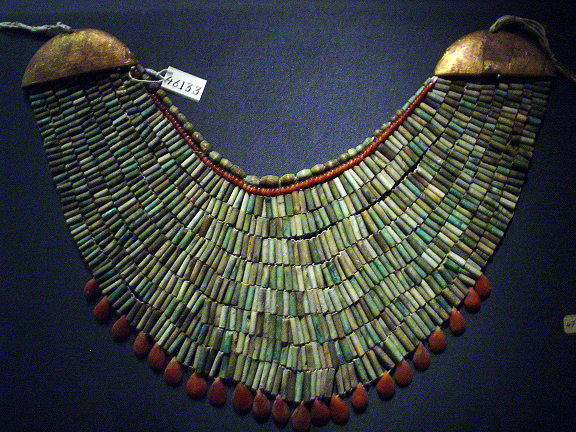
Necklace in the National Museum of Alexandria (Photo by Emily O’Dell)
In addition to the museum in Alexandria, security guards were beaten and injured by protesters breaking into the Malawi National Museum in al-Minya. A large number of objects–1050–are missing. Photographs of objects believed to have been looted have been put on Facebook at this link. There are unconfirmed reports that the statue of the daughter of Akhenaten stolen yesterday has been found and returned by locals. Today, there were also reports that the museum had caught on fire, when the nearby police station was set ablaze. Sadly, all the objects that were not stolen (around 49) and remained in the museum were burnt–including a mummy.
Al-Minya is a charming town where my colleagues and I always stay when we’re visiting the rock-cut Middle Kingdom tombs of Beni Hasan, which is 20 kilometers south of al-Minya–to see such despair and violence against people and antiquities is heart-breaking. One of my colleagues emailed me today, saying “Will Egypt ever be the same again?” The answer, we both know, is quite simple: no–absolutely not.
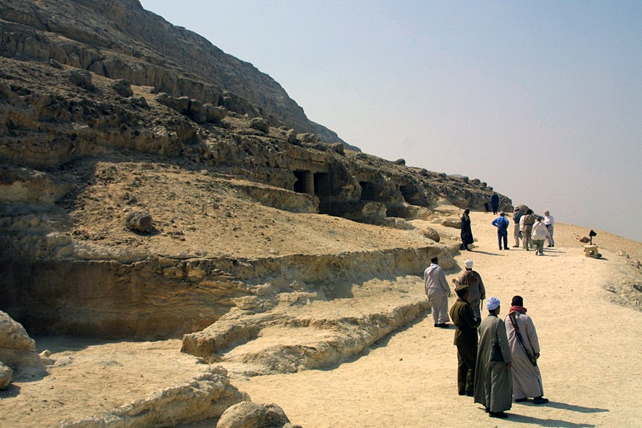
Beni Hasan
Tonight, several gunshots were heard close to the Egyptian Museum in Tahrir Square, but now they seem to have subsided. Currently, all archaeological sites and museums in Egypt are closed, and for tomorrow’s “Day of Rage” the Egyptian museum will be under armed guard.
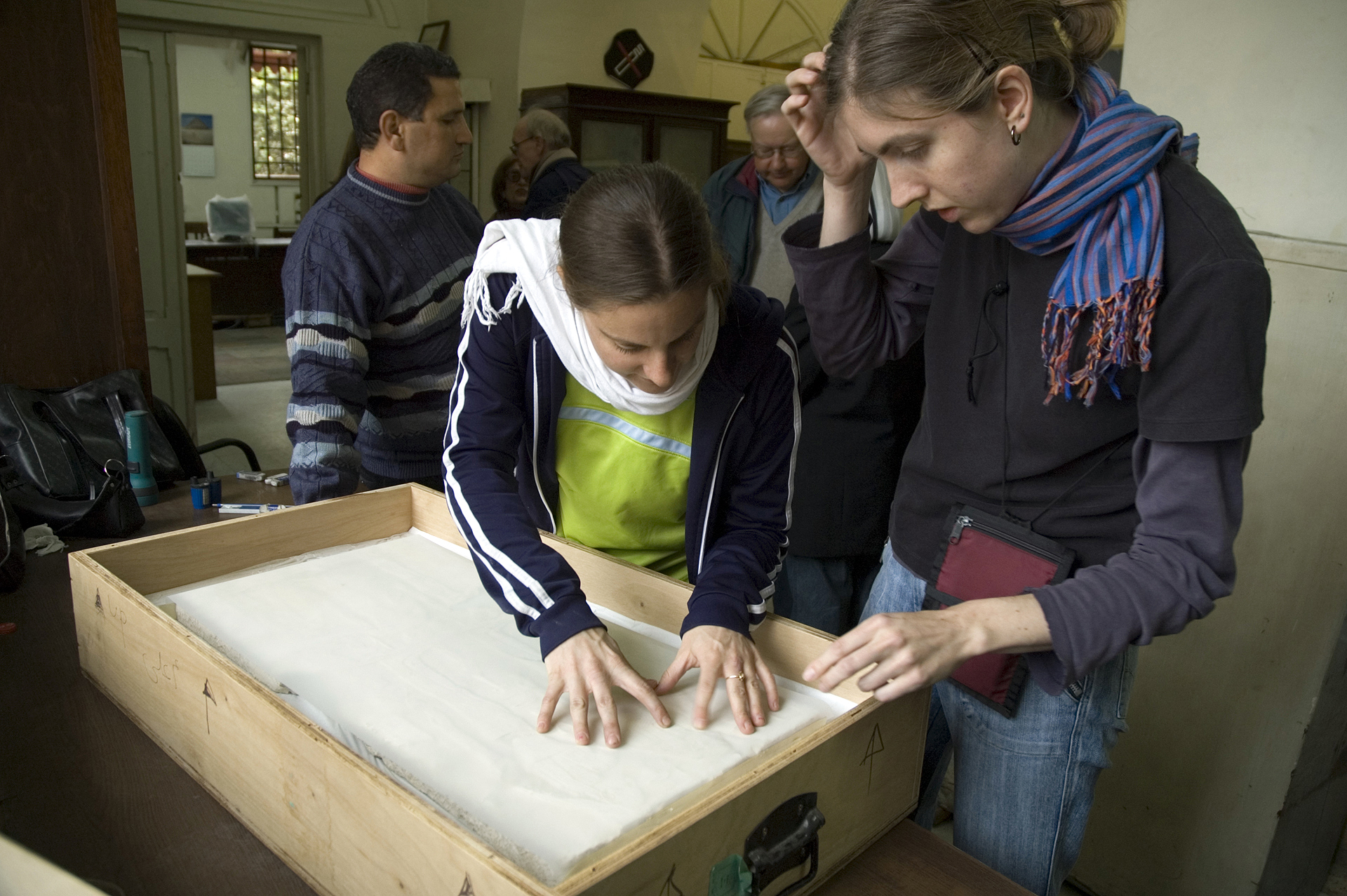
Emily O’Dell working in the Egyptian Museum
In addition to attacks on ancient Egyptian artifacts and Islamic places of worship, churches were burned and Christians were murdered yesterday in places like Minya, al-Arish, and Suez–within hours of the military attacks against protestors.
After yesterday’s attack on the historic monastery of Abu Fana––which was not the first time this monastery was attacked, the army sent troops to protect the monastery of Abu Mina. Muslim locals also reportedly stepped in to protect a church in Ainshams from being attached by a pro-Morsi march earlier today. For a list of all the churches attacked, please go here.
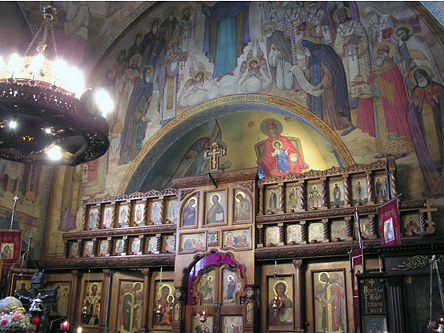
While Lives > Buildings, the two are often linked–through identity, history, economics and security. With tourists being told to leave Egypt immediately, Egypt’s main source of revenue will likely continue its downward plunge–and antiquities will likely be used in other ways to make money. But tonight, I’m not really thinking much about architecture or antiquities–instead, I’m thinking about the families in Cairo being forced to sign statements that their loved ones committed suicide–just to get their bodies released for burial. And I’m thinking of the car bomb that ripped today through the city where I live–the city I love.
Tomorrow will be a National Day of Mourning here in Lebanon–and in Egypt, it will be a “Friday of Anger”–a day of rage. Tonight, two cities–one where I excavate, one where I live–are mourning terrible tragedies–which, sadly, may only lead to more violence in the days to come…
Posted in Blog
Comments Off on Caught in the Crossfire…
Car Bomb in Beirut…
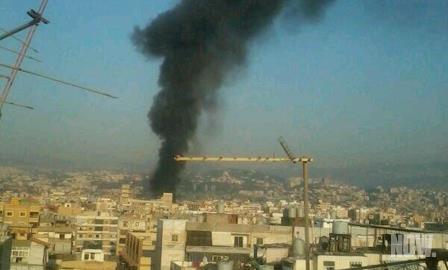
I’m only just now able to catch up online on the car bomb that exploded tonight in Beirut–the internet has been down most of the day, and I’ve been making the rounds tonight to cafes to try and get online–no success, until now. I’m hoping this internet connection stays live, so I can check on everyone and see what’s going on…so far 20 have been reported dead, and over 100 injured…more to come soon…
Posted in Blog
Comments Off on Car Bomb in Beirut…
Beirut Graffiti…
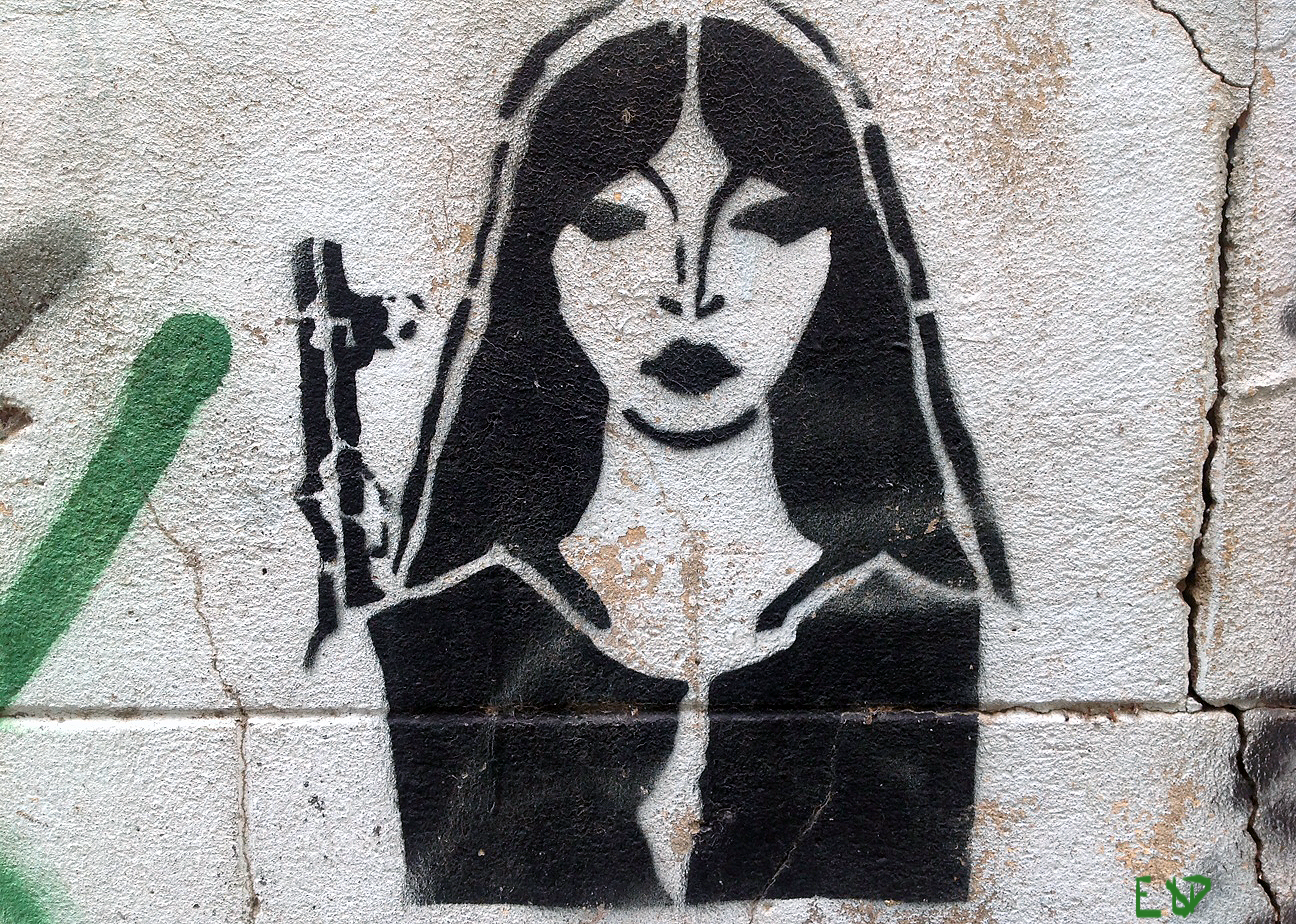
Photo by Emily O'Dell
Posted in Blog
Comments Off on Beirut Graffiti…
The Road to Relief…
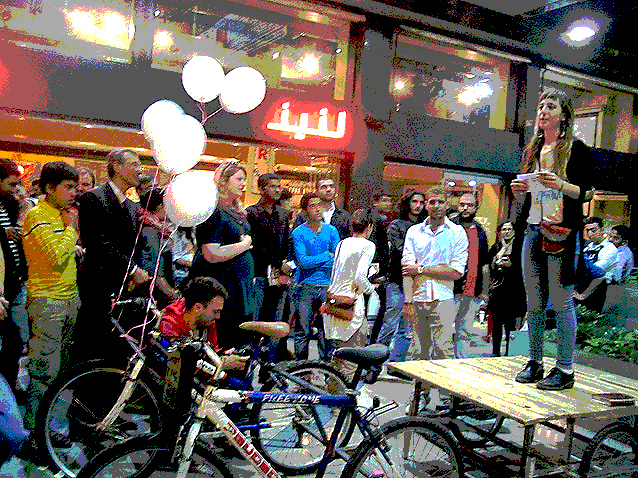
Photo by Emily O'Dell
A new months ago, I was out at night with friends, when I stumbled upon a group of young adults standing on top of a wagon–affixed to two bicycles. A crowd had gathered around the wagon, while a woman–who seemed equal parts activist and performer–stood on the wagon to speak in Arabic about social issues in Lebanon. While I wasn’t able to hear much of what they said–since I was in the back of the crowd–I was able to hear the applause which served as an exclamation point to each performative proclamation.
“Oh, duh, I get it now,” I said, when I took a photo of their wagon. A few weeks before, my students had told me about an endeavor called The Naked Wagon–a creative campaign dedicated to raising awareness about social issues, providing humanitarian relief, and offering psycho-social support to those in need through performance, art exhibitions, music, and fundraisers. This morning, AUB sent out a poster for their latest endeavor–an arts-based collaboration with Syrian children in refugee camps in Lebanon. I’m looking forward to seeing more of their work–especially if they continue to do interactive, performance art pieces where one would least expect it–on the busy streets of Beirut (which already provide their own share of compelling drama)…

Posted in Blog
Comments Off on The Road to Relief…
A Bohemian headed to Bohemia…
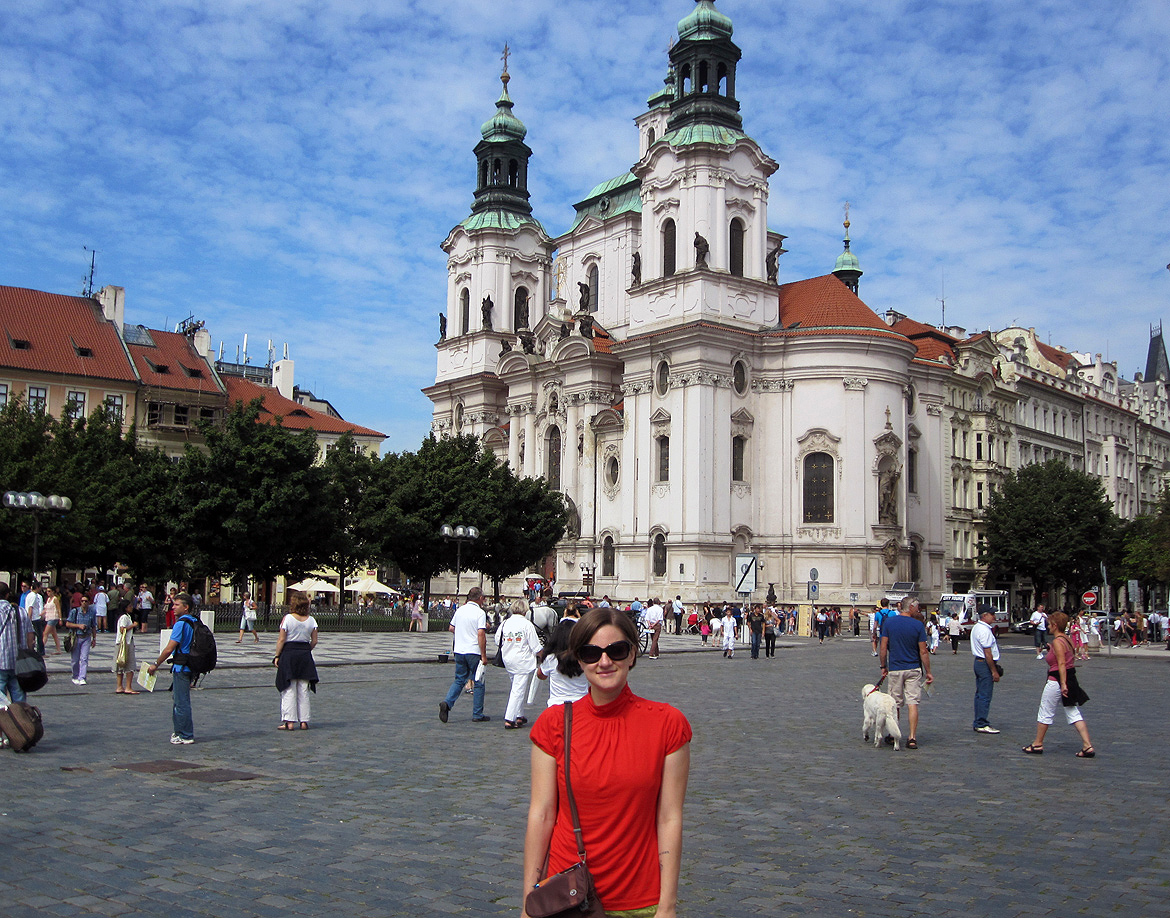
Emily O'Dell in Prague
All morning, I’ve been busy making plans for my upcoming trip to Bohemia. Unfortunately, I’ll be getting there after the Trutnov Open Air Festival, one of the country’s most iconic music festivals, and a favorite of underground music fanatics. Whenever I tell my Czech friends how proud I am of being Czechoslovak, they say, “well, at least someone is.” By contrast, the church-going Slovaks, as opposed to the (proudly) atheist Czechs, are a proud national bunch–as I find every year when I go to the NJ Slovak Festival (yes, that’s really a thing). I haven’t been back to the Czech Republic since I lived there doing research on religion a few years ago– but this trip the mood in Prague will certainly be different. Since a wire-tapping scandal this summer led to the resignation of the prime minister–with his replacement set to resign today after last week’s vote of no-confidence, my Czech friends have been plunged into even an even deeper depression than usual.
But where some cynics see corruption, others see opportunity. Today the NYTimes has an article about a new tour of locations in Prague related to corruption and cronyism called the “Crony Safari”, an idea cooked up by–what else–a philosopher, performance artist turned tour operator:
“Among the stops: the towering villa of a powerful lobbyist nicknamed Lord Voldemort; an elite school where bags of cash are said to buy a degree; and a single, barely visible address registered by nearly 600 companies.”
Perhaps the more corruption proliferates globally in this so-called era of economic instability, these kinds of tours will proliferate too–since, as Mr. Sourek (the Czech tour operator notes) notes, corruption is a growth business that’s always recession-proof.
Posted in Blog
Comments Off on A Bohemian headed to Bohemia…
Bilocating to Samarkand…
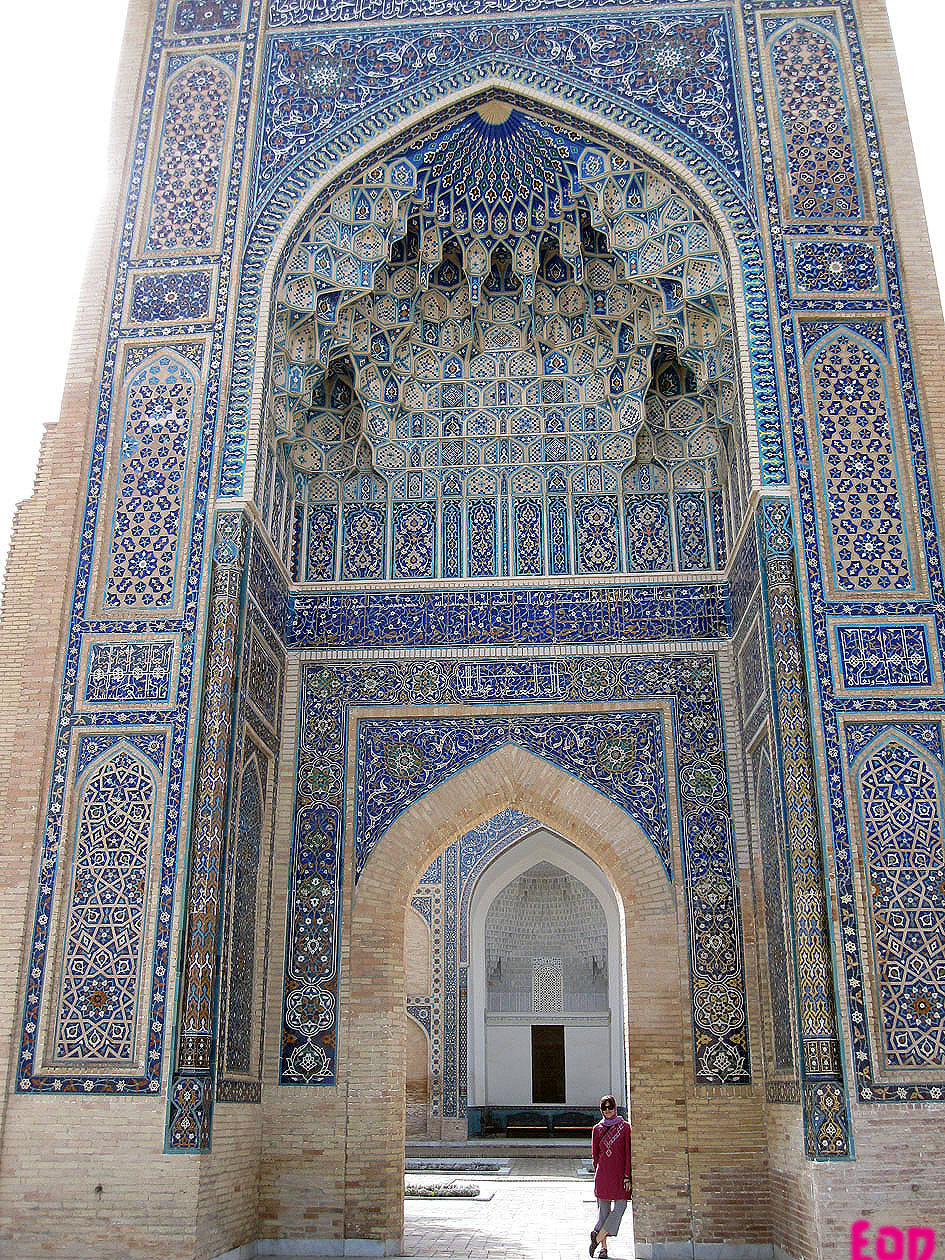
Emily O'Dell in Samarkand
We travel not for trafficking alone;
By hotter winds our fiery hearts are fanned:
For lust of knowing what should not be known
We make the Golden Journey to Samarkand.
–James Elroy Flecker
Tonight, it feels like I’m bilocating to Samarkand. All week-end, while I was working on a project on Central Asia, I couldn’t get Samarkand out of my mind. I mean–just look at those turquoise and lapis lazuli mosaics. The opening poetic verses are from the poem “The Golden Journey to Samarkand.” Its author and I have tread similar paths in the Middle East–though centuries apart. A poet and playwright by night, James Elroy Flecker’s diplomatic career by day brought him to some of my favorite haunts–like Izmir, Istanbul, and Beirut. Oh–and a sanatorium (my personal favorite is Beethoven Spa in Teplice).
The last time I went to Uzbekistan, I walked across the border from Turkmenistan to stay in my favorite madressa hotel in Bukhara, and explore Karakalpakstan for the first time. Since I was short on time, I skipped Samarkand–but perhaps next time I’ll saunter back to Samarkand and re-visit the tomb of Timur (pictured above)–a conqueror about whom Edgar Allen Poe felt inspired to write his own poem.
O craving heart, for the lost flowers
And sunshine of my summer hours!
The undying voice of that dead time,
With its interminable chime,
Rings, in the spirit of a spell,
Upon thy emptiness-a knell.
–Tamerlane, Edgar Allen Poe

Emily O'Dell in Registan Square in Samarkand
Posted in Blog
Comments Off on Bilocating to Samarkand…
Koshari in Beirut…
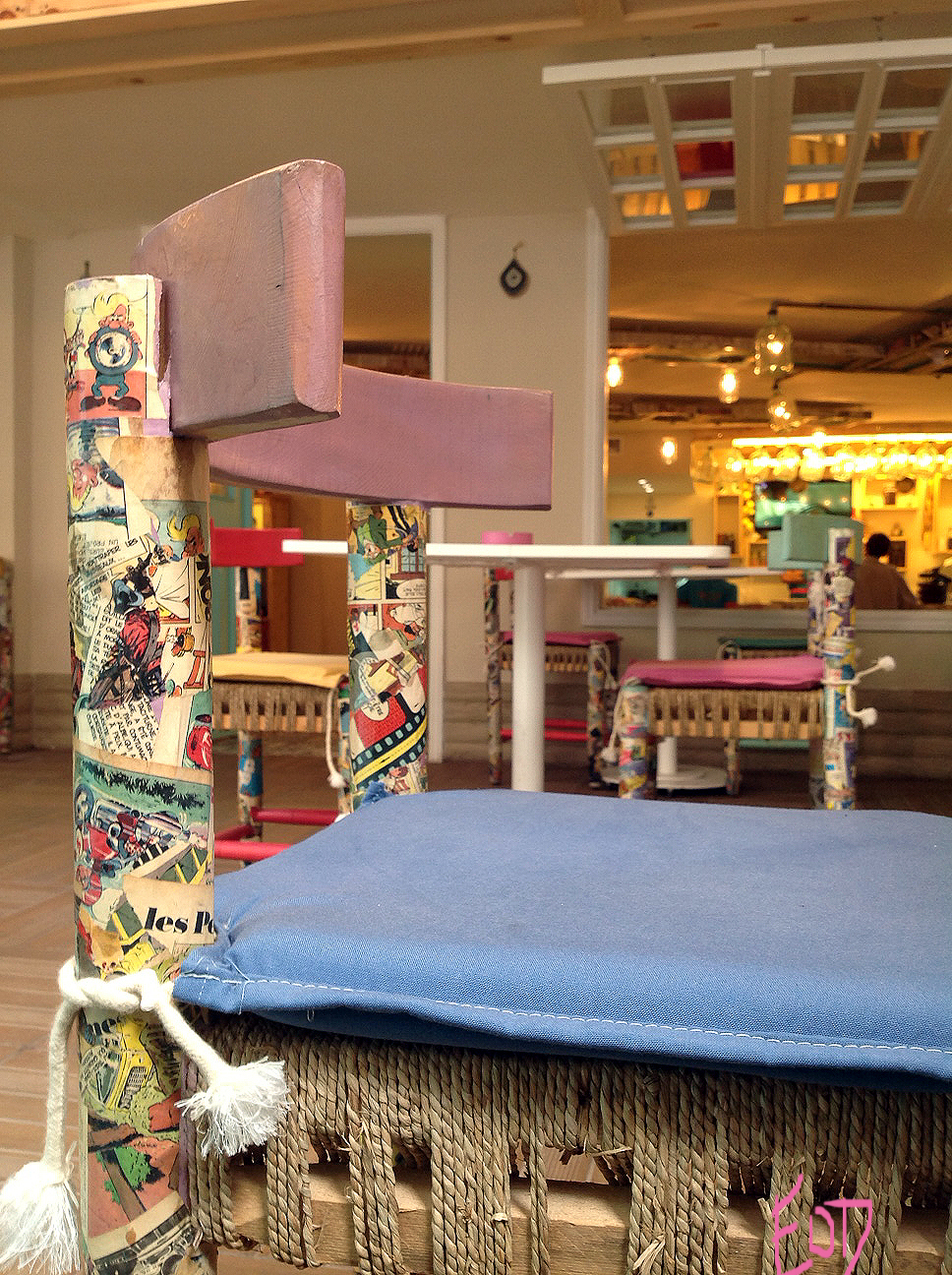 My name is Emily, and I’m a koshariholic.
It all started when I was living in Egypt, and excavating at the Great Pyramids. When you’re digging up the dead, you can really develop an appetite.
My koshari addiction started as all koshari addictions do–with the occasional koshari when walking through Tahrir Square, and at home for dinner a night here and there.
But gradually, my habit became so bad that I even ate koshari for breakfast (with my colleagues–I wasn’t alone) on the Giza Plateau–securing my morning fix from the backpacks of young kids selling it besides Khufu’s temple, as Re was rising in his blessed solar barque.
So what’s this stuff that’s had a hold on me for years?
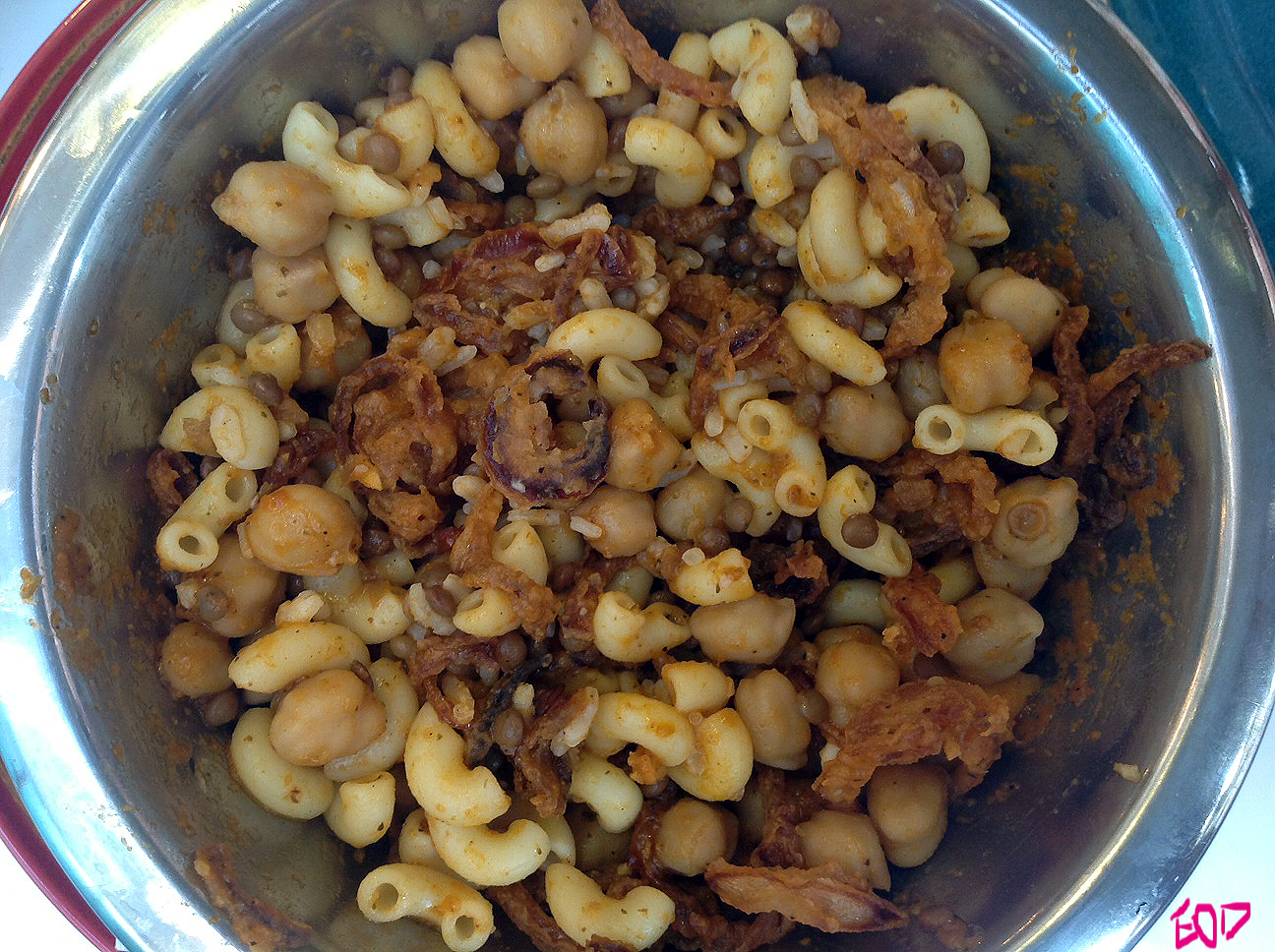
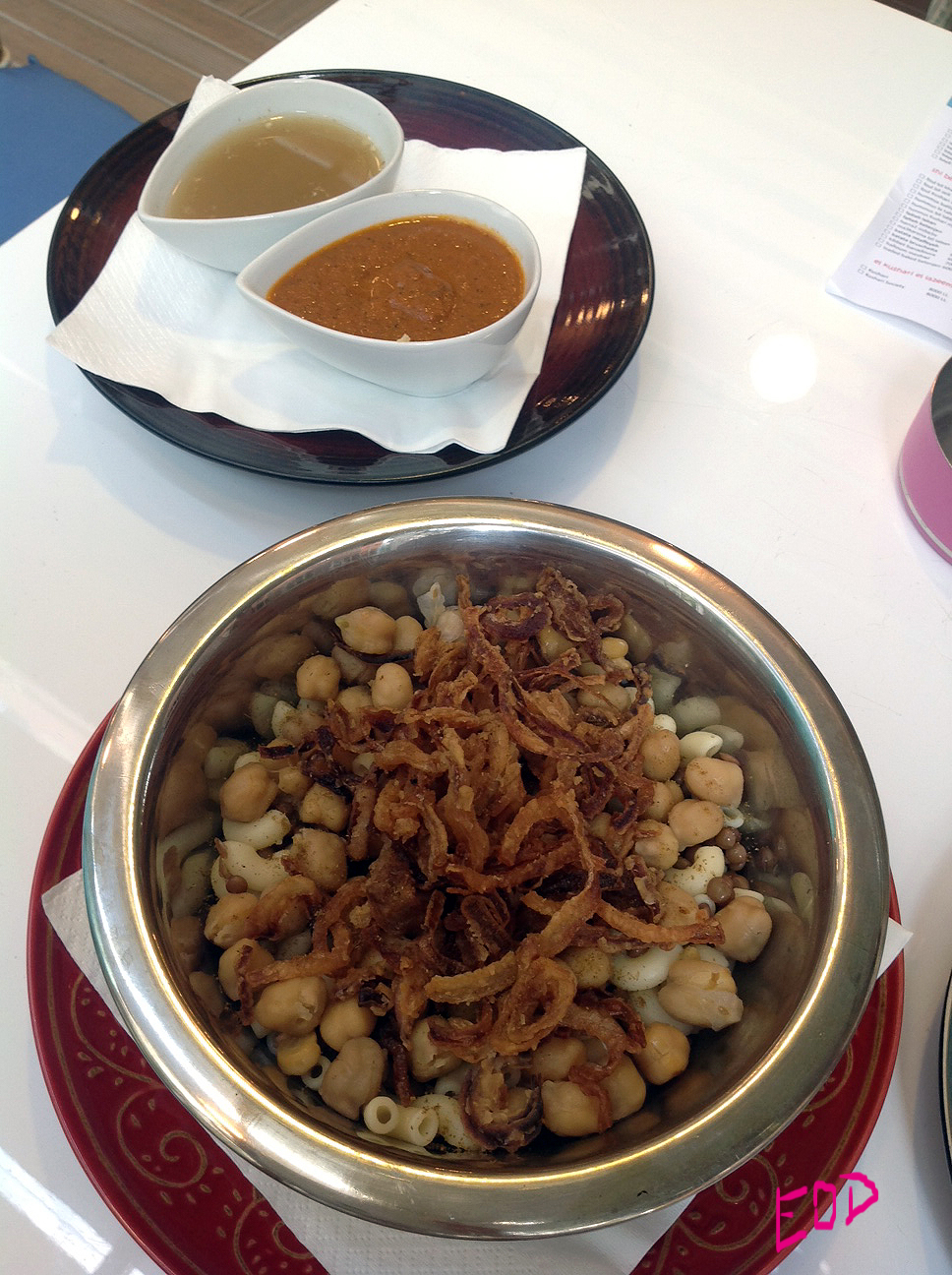
Considered the food of peasants in Egypt, koshari is a mix of rice, lentils, pasta, chickpeas, garlic tomato sauce, and crispy fried onions (my favorite part). It’s a guaranteed (and delicious) overdose of carbs, and a real punch of protein.
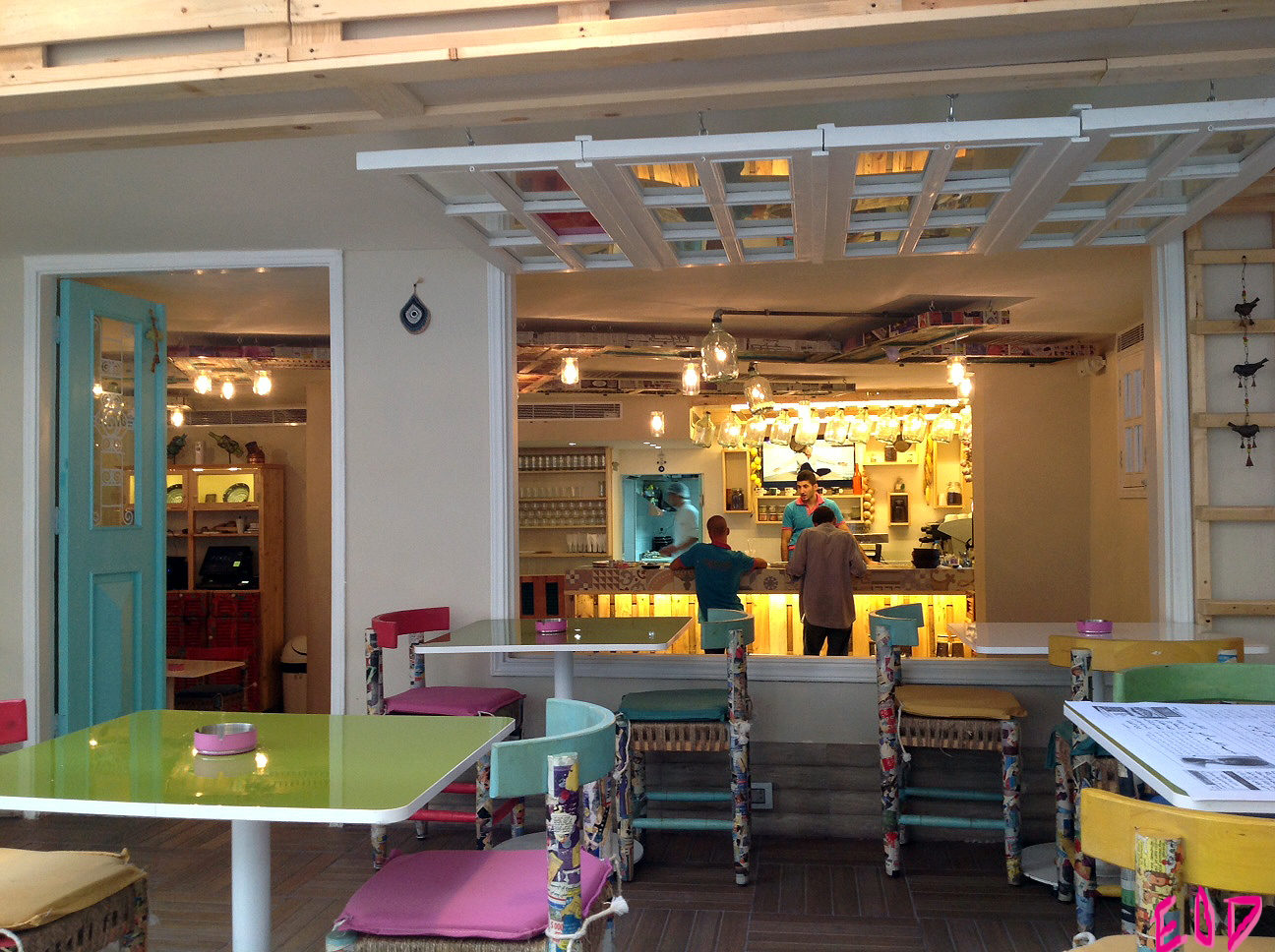
Tonight in Beirut, I was having a serious koshari craving, and I was in luck–because a new koshari restaurant recently opened just five minutes from my house. These are some of the photos I took of the koshari–both undressed and dressed.
 A few years ago, I volunteered to make koshari for like 70 people–and while it was a success (and insane), I’m just sticking to cooking koshari for a few friends these days.
But even my Egyptian friends have admitted–I make a mean koshari. I’m not sure what mystical alchemy occurs when I’m making it, but maybe it’s just my addiction that gives it that special taste. For a while, I thought of opening a koshari restaurant next to a college campus, and calling it “Voulez-vous koshari avec moi?”
To see koshari being prepared online, you can watch this video–and make your own koshari along with Magda. When my family followed this recipe this week, they produced their own killer koshari.
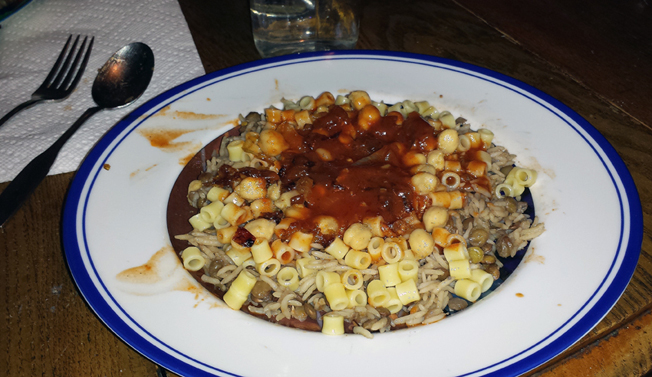
Photo by Robert O'Dell
Koshari is easy to make at home–and it’s also fun, because you get to throw rice, pasta, lentils, chickpeas–the works–into the same bowl. Koshari sure is krazy, and that’s just one reason why I love it.
Posted in Blog
Comments Off on Koshari in Beirut…
Making Dolls…
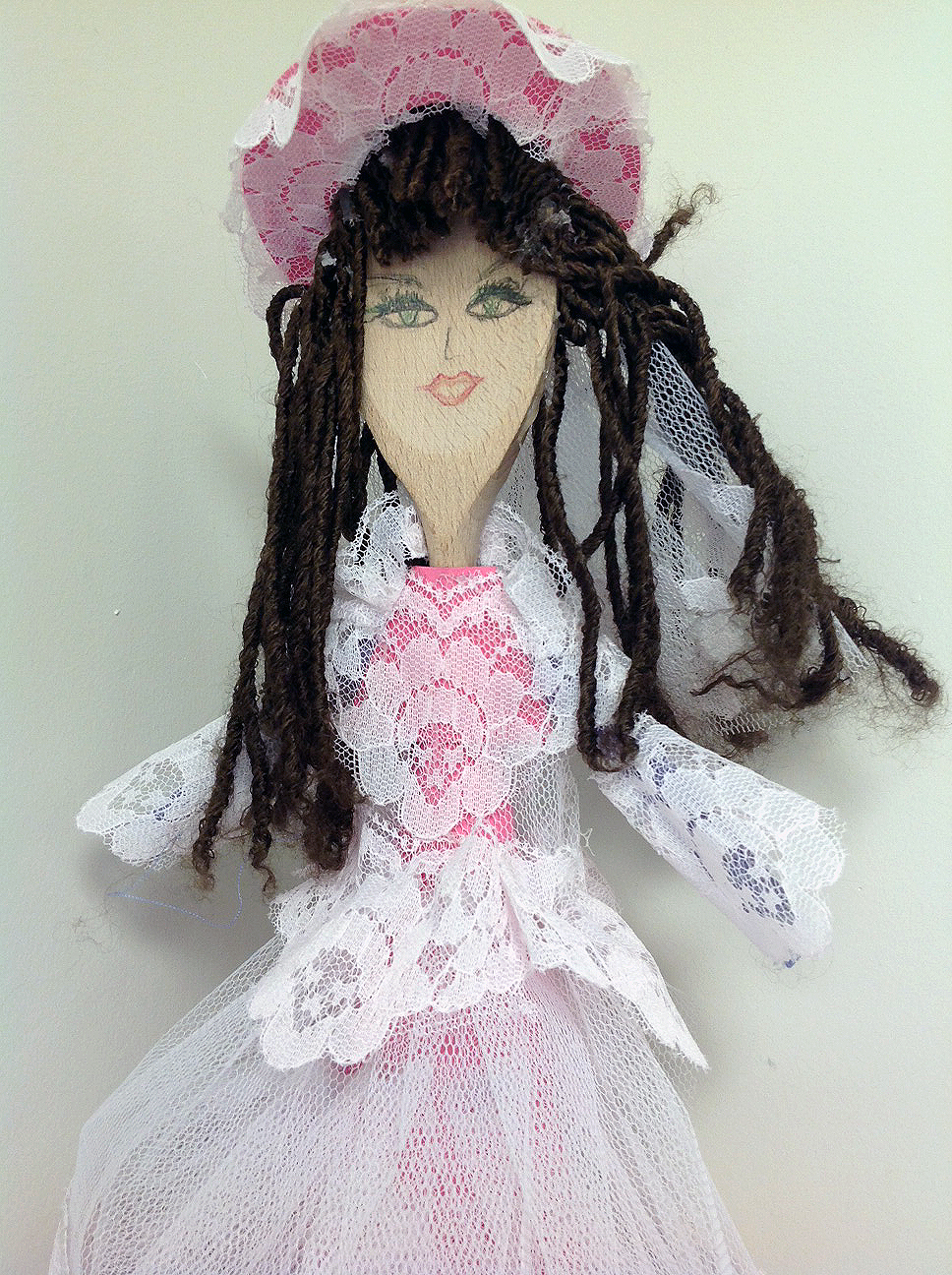
While volunteering today at St. Jude’s in Beirut, I saw this doll made from a wooden spoon standing in the corner–and she reminded me how spoon dolls can be a fun and inexpensive craft for kids of all ages (might even make my own)…
Posted in Blog
Comments Off on Making Dolls…
Lions, Drones, & Robots, oh my!

Photo by Emily O'Dell
The lion who breaks the enemy’s ranks is a minor hero compared to the lion who overcomes himself. — Rumi
To prepare for my upcoming trip to Africa, my friends have been doing market research to help me buy a new camera. I spent every day this week in deep contemplation–comparing the pixels, sensors, and zoom functions of a Canon I spotted in the store, and a Sony I admired last year on safari in East Africa.
But what I hadn’t considered–was the possibility of using a drone or robot to take my photos–like this National Geographic photographer who uses both to take his phenomenal shots. For now, I think I’ll stick with an old-fashioned camera, but it does seem that drone photography–even in the wild–might just be the wave of the future.
Posted in Blog
Comments Off on Lions, Drones, & Robots, oh my!