 Emily’s Blog
- Sunset Beach Tai Chi July 22, 2024
- Coffee with Abu… July 22, 2024
- Rumi Latte in Beverly Hills July 22, 2024
- Judging a Burmese TedTalk July 22, 2024
- Mystical Tajik Cafe in Beverly Hills July 21, 2024
- Hollywood: Brown Film Festival July 21, 2024
- New Play Premiere in Burma July 21, 2024
- Bhutan Meets Malibu & Mulholland July 21, 2024
- Tricycle Bliss July 21, 2024
- Kung Fu Panda July 21, 2024
Category Archives: Blog
Stop-Motion.
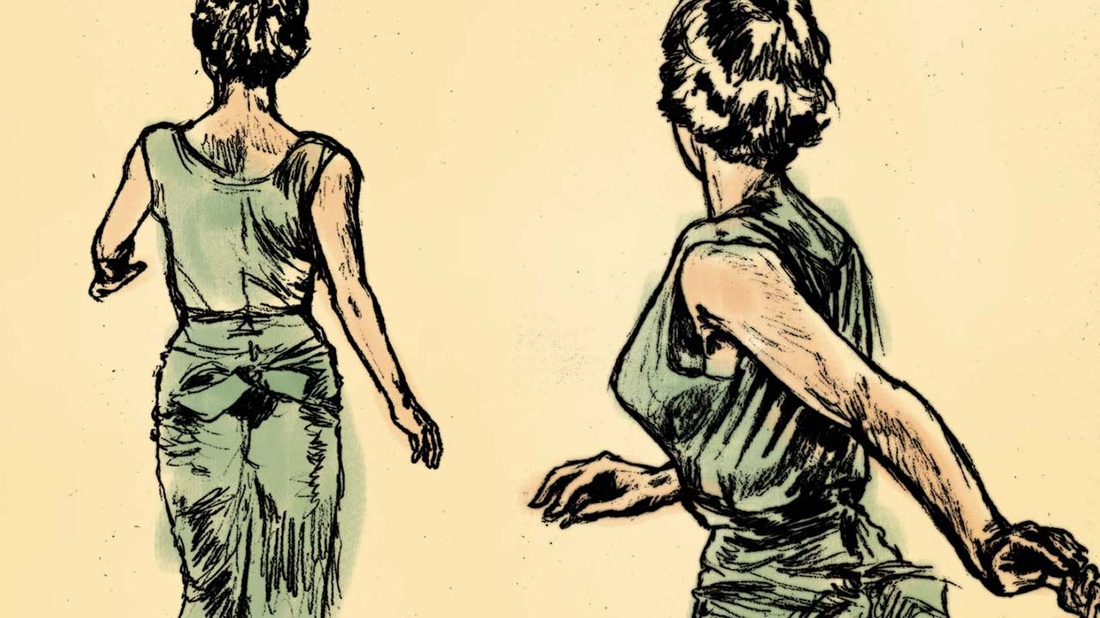
Artwork by C.E. Spangler

Artwork by C.E. Spangler
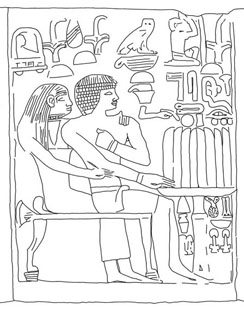
The fruit of our labor!
When I needed an illustrator for a children’s book I was writing last year (random, but true), I knew just where to turn–to the friend with whom I was once trapped in a sandy tomb for two months in the middle of the desert.
Dodging bats and swatting flies together in the cobwebbed corners of a tomb can make fast friends–or enemies–out of anyone. So I breathed a sigh of relief on my first day of doing epigraphy at the Great Pyramids with Christina Ean Spangler–when it was immediately clear how talented, kind and creative she was.
e·pig·ra·phy ( -p g r -f ). n. 1. Inscriptions considered as a group. 2. a. The study of inscriptions. b. Decipherment, especially of ancient inscriptions
Our mission together at the Great Pyramids and in the Egyptian Museum was to trace (and decipher) all of the hieroglyphic writing and reliefs from our site in the western cemetery. While I was responsible for training others in this patient and antique art–Ean had been invited to join the epigraphy team for a unique talent that none of the rest of us shared. As an artist who graduated from RISD, it was her skilled hand that was responsible for inking–without a single mistake–all of the penciled drawings the rest of us could make.
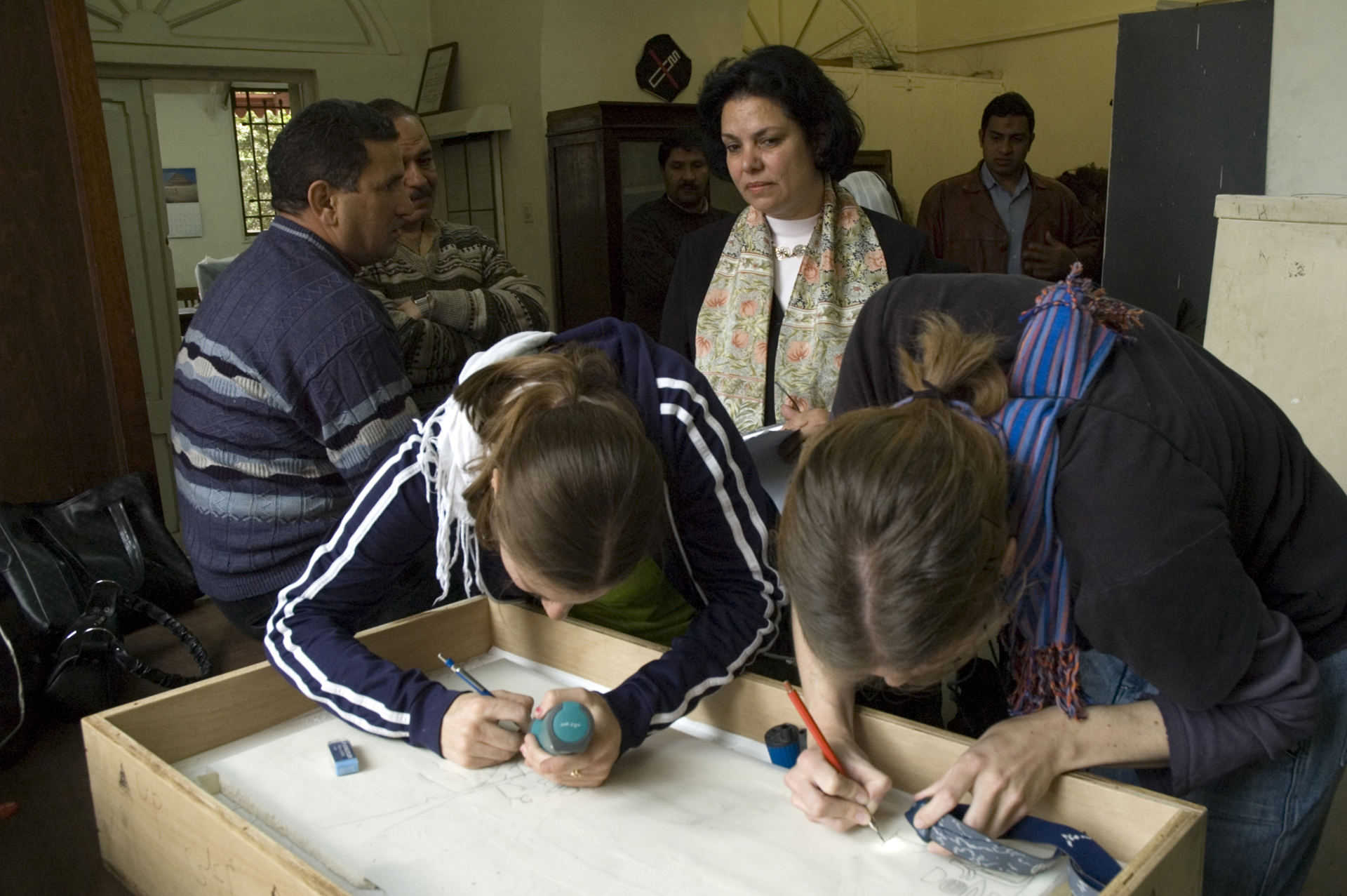
Emily O'Dell and C.E. Spangler doing epigraphy on recently returned objects to the Egyptian Museum
It wasn’t until our adventures in Cairo had concluded that I was introduced in person to Ean’s inspired and whimsical art. The reason why she was the obvious and ideal illustrator for my children’s book is because of how easily she can capture the expressions and posture of young children in her art. Ean is also gifted at creating furry creatures (like the one pictured above) which are small in size–but big in spirit. As a long time admirer of stop motion animation, I’m of course charmed by her magical moving images–and it’s been a delight to witness how her laborious process works. From the 1950s-styled image on the top of this post, you can see there are no limits to the style and subjects Ean chooses to explore…
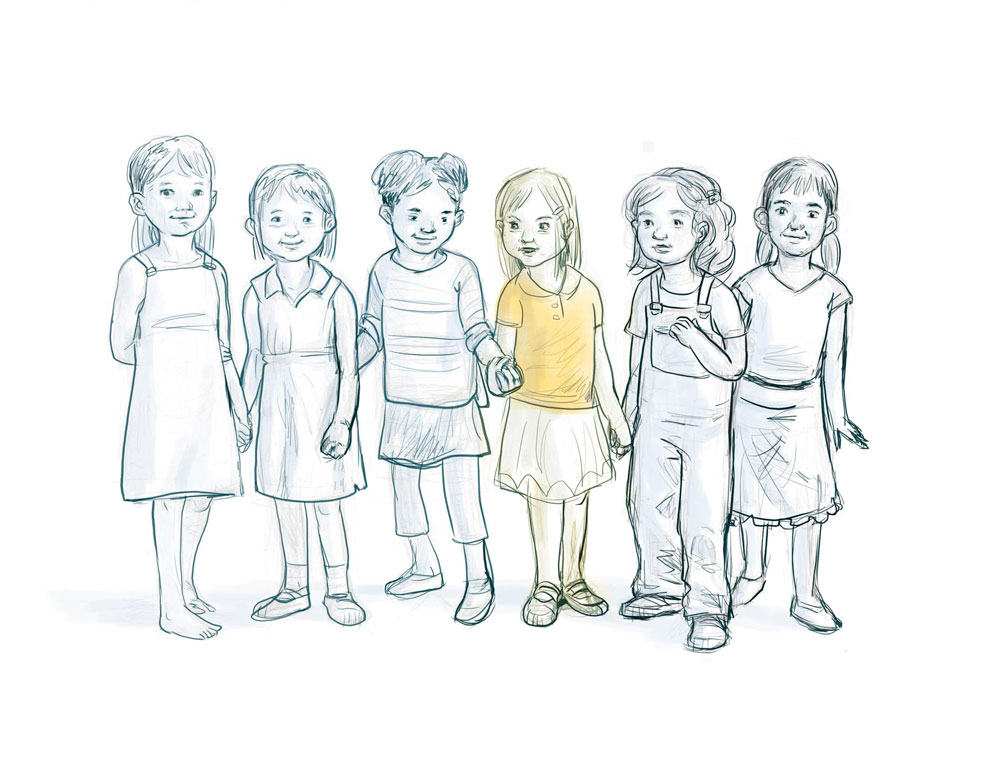
Artwork by C.E. Spangler
For all of the artists I’ve covered in my blog, I’m grateful for the opportunity to have sat for them while they paint and sketch. Sometimes, I swear I can feel their pencils and brushes tracing my skin–and it even tickles. One night in Cambridge, in the middle of a blizzard when all the shops were shuttered and the power was flickering in and out, Ean came over to my apartment to sketch me, while I rested on the couch with Anubis and watched the snow fall. Because Anubis is so zen–peaceful and poised–he already had experience with sitting still for artists to practice their trade.
One of the reasons I love sitting for Ean is because I get to watch how the process of sketching unfolds–what colors are used, what details are noted, and what mood is conveyed. Now that I’m an ocean away, I’ve been enjoying Ean’s quirky animations and clever creations from afar–and I’m looking forward to seeing them again in person one day soon…

Artwork by C.E. Spangler
Posted in Blog
Comments Off on Stop-Motion.
Songs of Compassion from Iran…
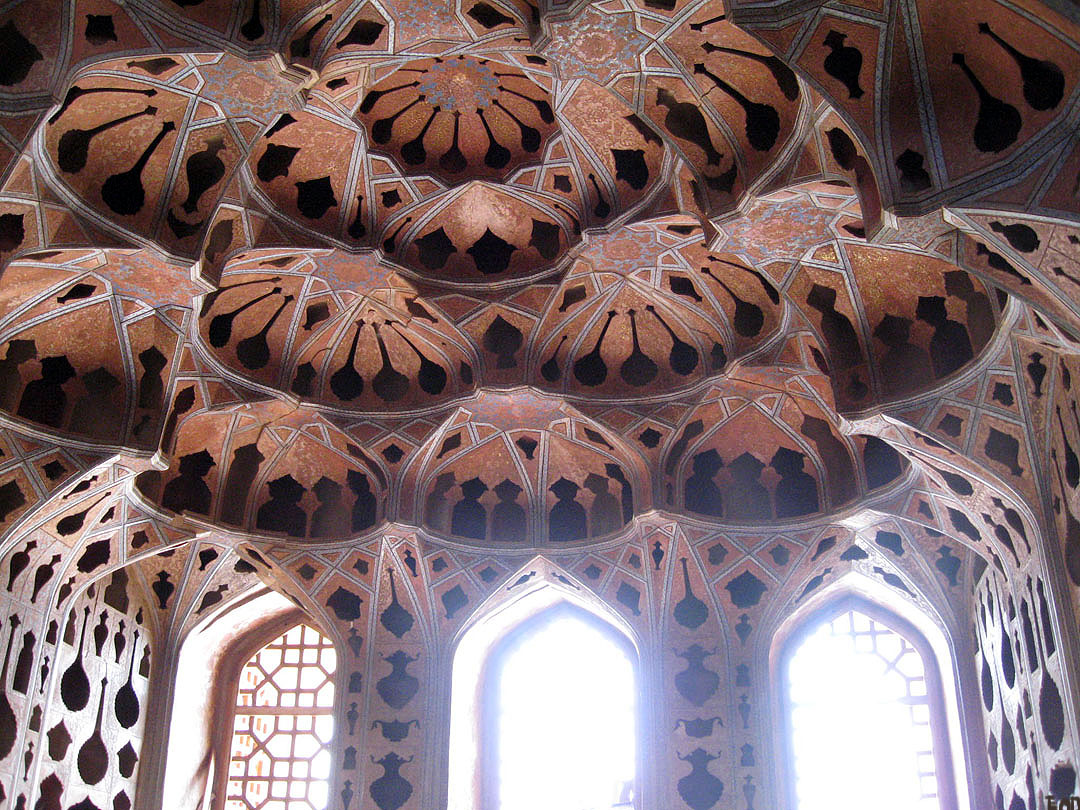
The Music Hall of the Ali Qapu Palace in Iran (Photo by Emily O’Dell)
Tonight I’m turning down the volume on the beating of war drums with regard to Iran to listen instead to the music of Hossein Alizadeh–one of my favorite Iranian musicians, who I have been very fortunate to see perform in person several times. I highly recommend buying any and all of his CDs to enjoy as much of his music as possible–you’ll understand why when you listen to the opening section of the piece below. Enjoy…
http://www.youtube.com/watch?v=u9WRHenFL6g
Posted in Blog
Comments Off on Songs of Compassion from Iran…
Back to School in Beirut…
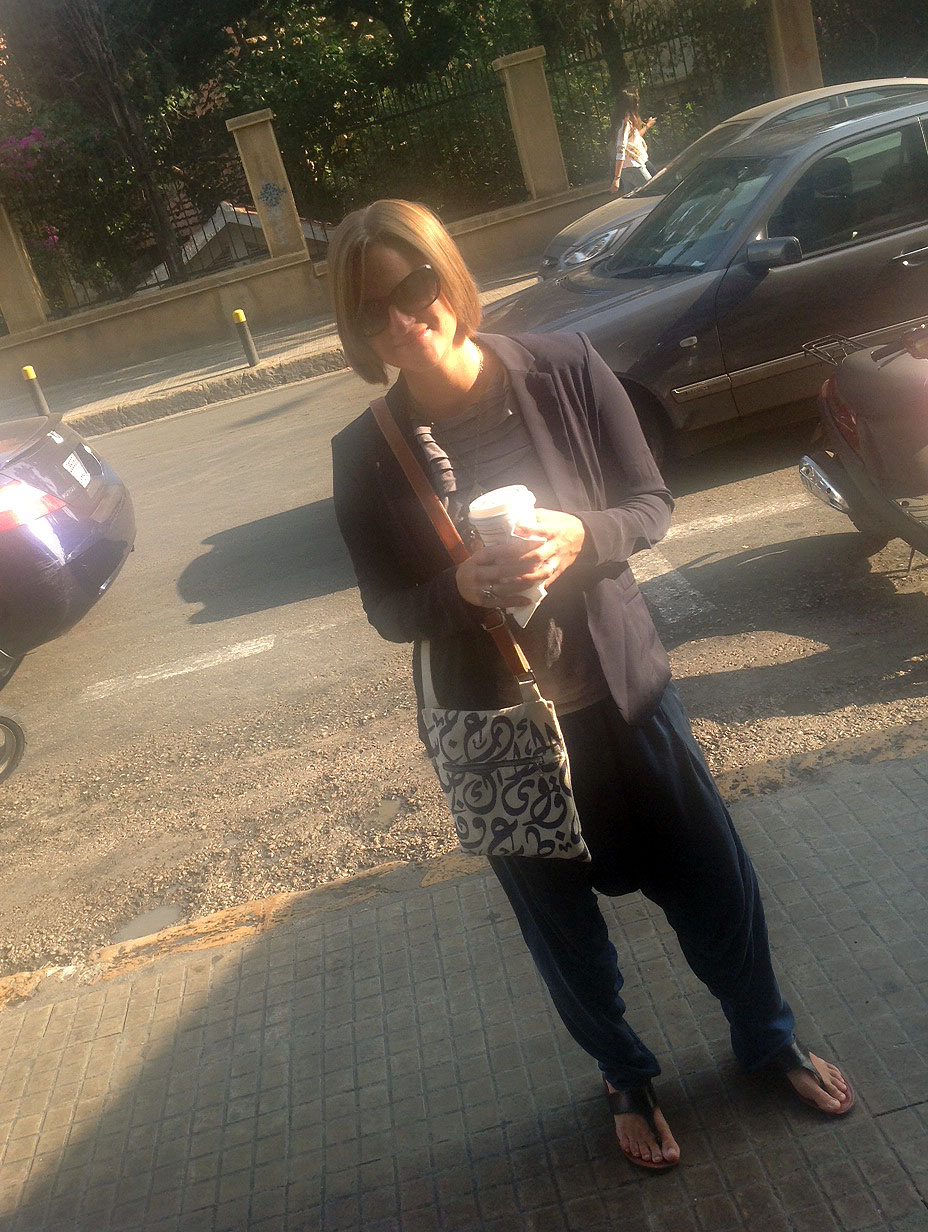
Emily O’Dell in Beirut
A man has perished,
and his corpse has become dust,
but writing causes him to be remembered
in the mouth of the story-teller…
— Papyrus Chester Beatty IV
As I walked to my first class of the semester this morning, cupping my latte in my hands as helicopters hovered above, I felt incredibly humbled and grateful for the opportunity to explore life’s big questions with my students in Beirut during this tense time of turmoil. From Gilgamesh to Thucydides, my students and I will be spending this semester pondering–through reading ancient texts–the meaning of existence, the origins of justice, the basis of human knowledge, the emergence of ethics, and the nature of heroism. Today, our teaching contributions to Lebanon feel more important than ever–as we professors become more aware each day of the urgency and necessity of cultivating the critical thinking and leadership skills of the future leaders of the Middle East–just as AUB has done for 147 years. This is just one of the many reasons why I think AUB is one of the coolest places in the world. So, long live the humanities–and long live Lebanon…
Posted in Blog
Comments Off on Back to School in Beirut…
My Favorite Chapel in Syria…
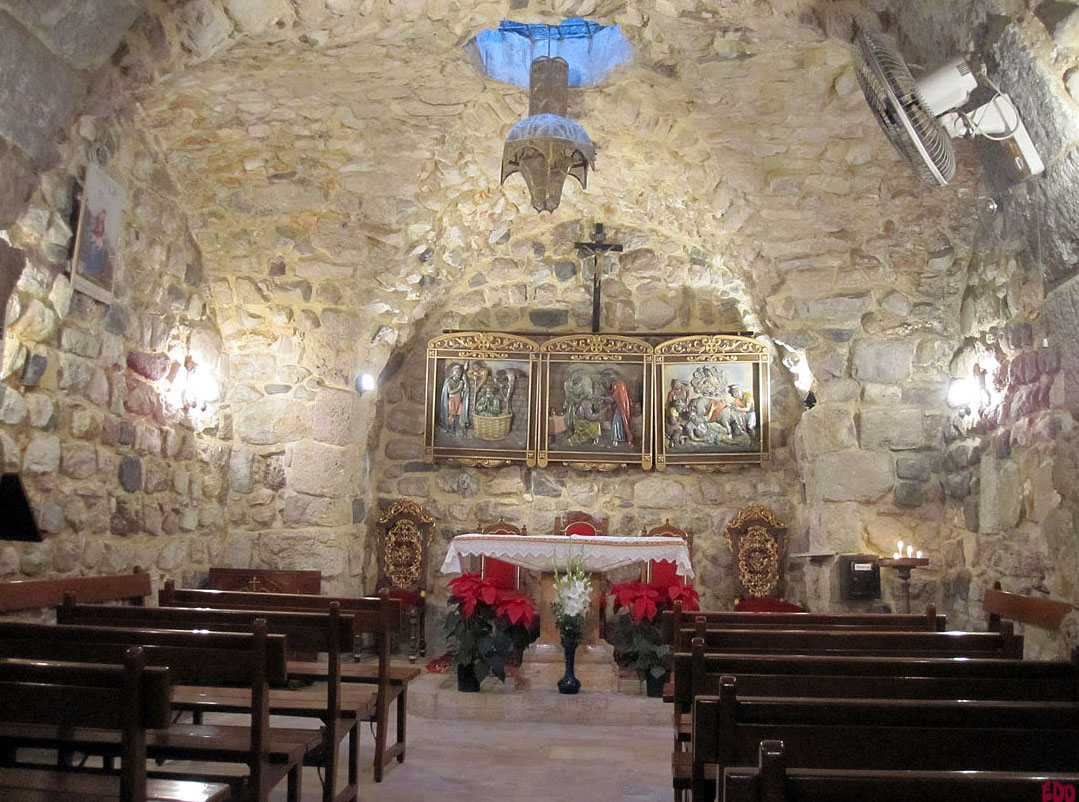
Photo by EOD
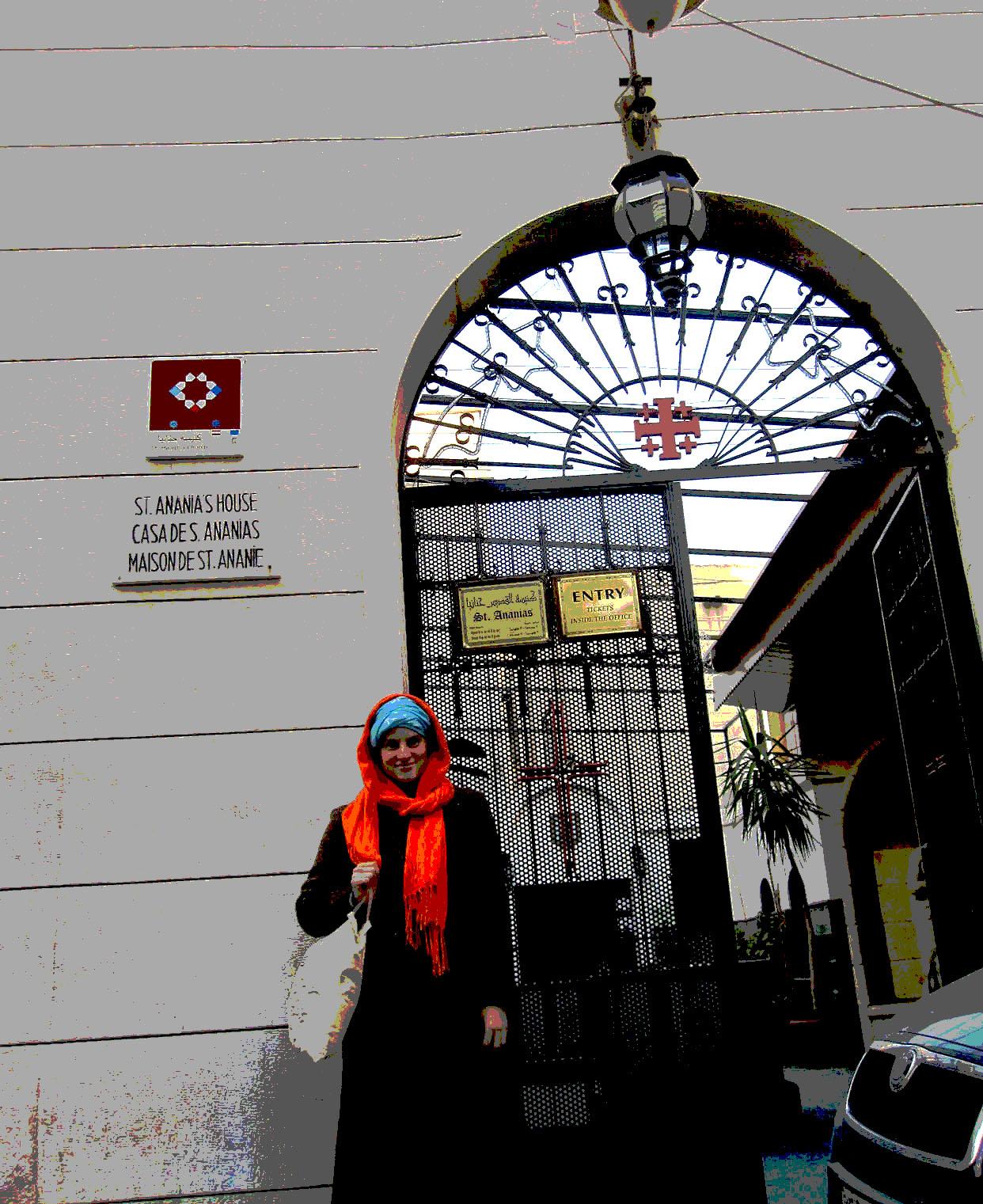 If I had to choose, I’d say that my favorite chapel in Syria is that of St. Ananias in the old Christian quarter of Damascus. St. Ananias is the apostle credited in the Bible (Acts 9) with miraculously restoring the sight of Saul (who later becomes St. Paul). This underground stone chapel is said to be one of the places where St. Paul took refuge in Damascus. Perhaps I was drawn to it because early Christianity is one of my favorite periods to study–or perhaps because, as an archaeologist, I’m biased towards subterranean spaces…
I first became interested in Christianity in Syria when I studied “Christianity in Late Antiquity” with the incomparable Susan Ashbrook Harvey at Brown. A specialist on asceticism, hagiography and “the holy women of the Syrian Orient,” Professor Harvey was the teacher who first introduced me to the dramatic lives and inspired feats of Syrian saints like the brave virgin St. Thecla, the martyr St. Domnina (killed with her daughters), and the ultimate ascetic–St. Simeon.
While I had already read the gnostic gospels in the original Coptic for my Egyptology degree (before signing up for her course), Professor Harvey opened up to me a corner of eastern Christianity about which I had known very little. Beyond being a first-rate scholar in her field, Professor Harvey has also received awards and much praise over the years for being a master teacher. I learned just as much from her about teaching, as I did about Christianity in Syria…
Though most of the other students were (understandably) captivated by all of the gore in the lore of those early Syrian martyrs and saints, the saint who stuck with me the most was St. Simeon (the Stylite)–a Christian ascetic who lived for over thirty years on a small platform on the top of a pillar near Aleppo. Because so many people sought him out for his piety and prayers, St. Simeon escaped to the perch on his pillar to focus solely on his own ascetic devotions and pious prayers. Now that’s what I call getting away from it all…
For centuries, St. Simeon has inspired religious practioners and writers alike. In fact, in 1842 Alfred Lord Tennyson wrote a poem about St. Simeon (along with the physical ailments Simeon suffered) which you can read here. Yes, it’s very long, but it’s still worth the read…
Posted in Blog
Comments Off on My Favorite Chapel in Syria…
The Guest House: Damascus
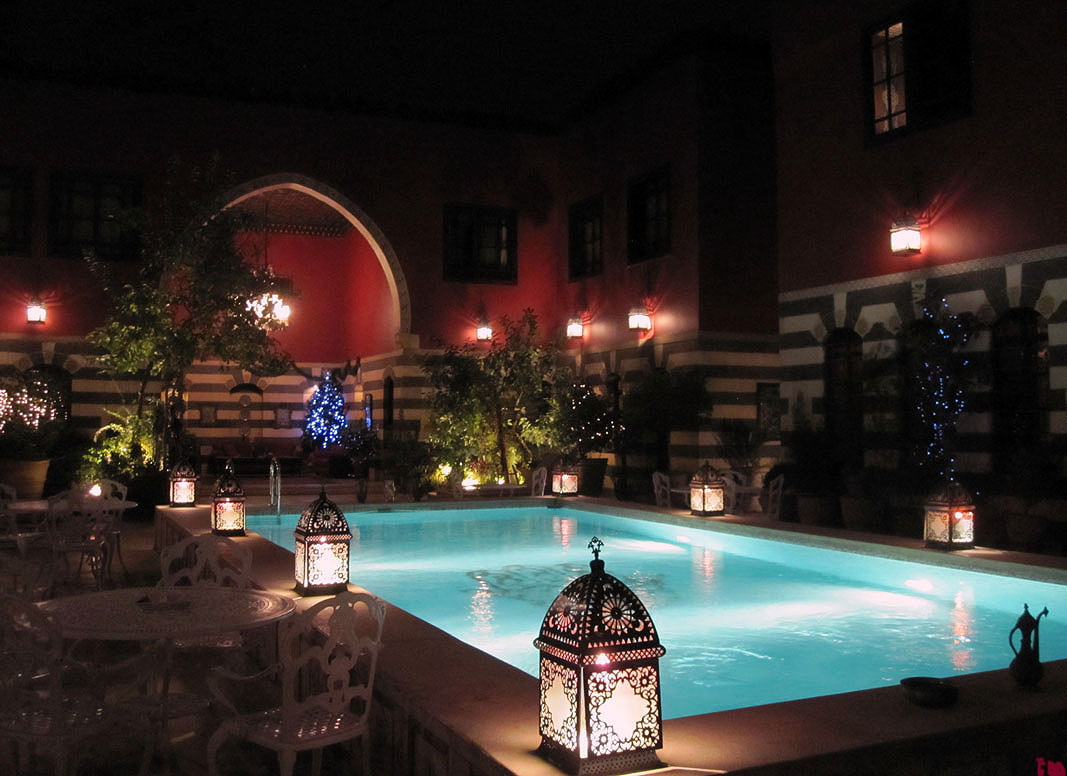
Photo by EOD
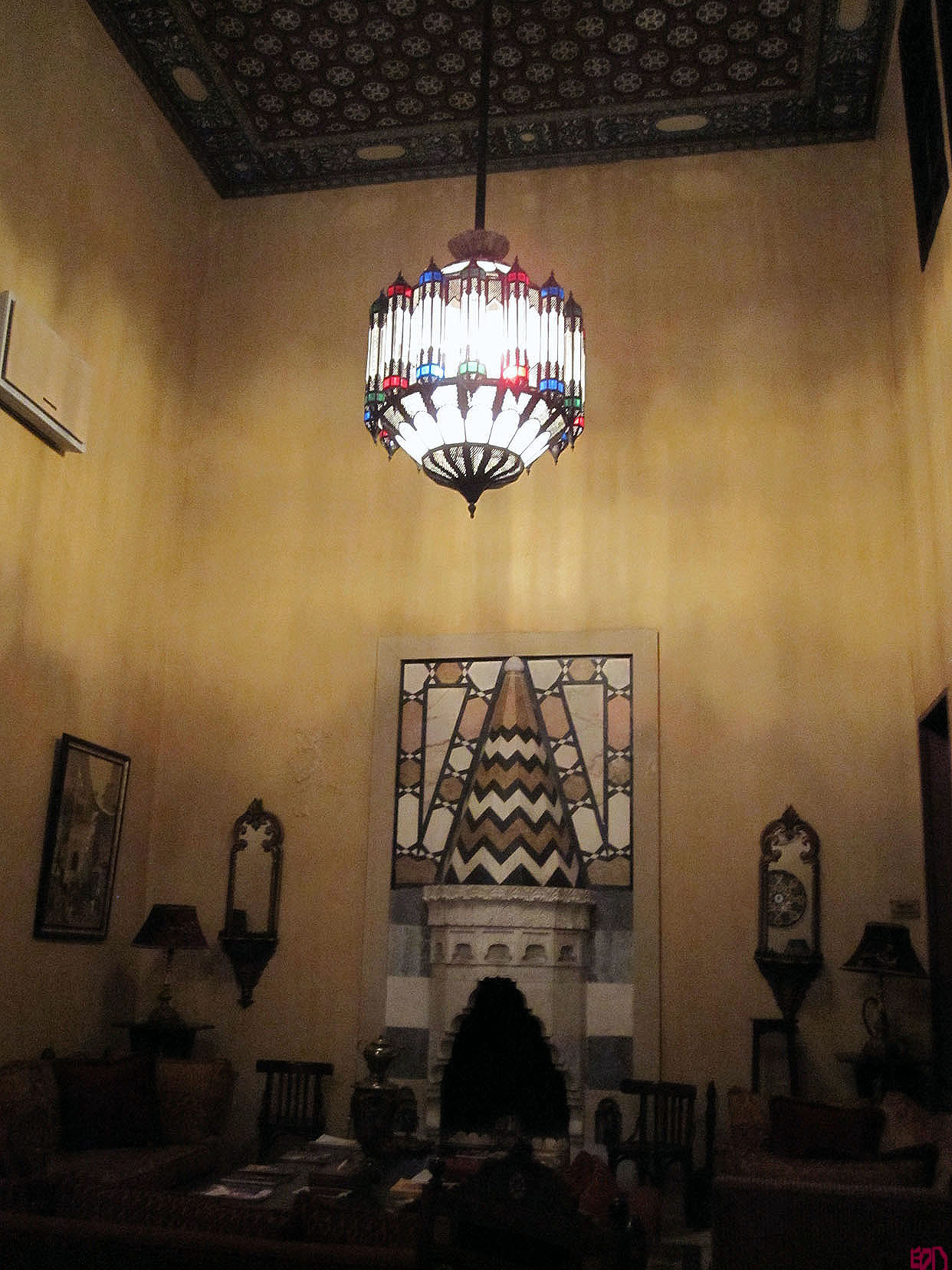
As foreign bombs are being prepared for Syria and residents are fleeing Damascus, I thought I would share some photos of my favorite mosques, churches, Sufi shrines, hotels, restaurants and alleys in Damascus–to share what Syria looks like (other than what is shown on the news), and to illustrate that Syria is not a desolate land of sand and camels–as many who have not been there seem to think (because of how it is often portrayed)…
I took the photos in this post at Talisman, my favorite boutique hotel in Damascus–a 300 year-old house which was once a Jewish palace. From the narrow, quiet alley leading to the hotel, you wouldn’t have any clue that it’s there. I certainly didn’t, until I stumbled upon its front door while wandering in the dark through the Old City. When I passed with late night curiosity through the hotel’s front door, and discovered the hidden treasures waiting on the other side–well, I felt like I’d been let in on a little secret–which now I’d like to pass on to you…
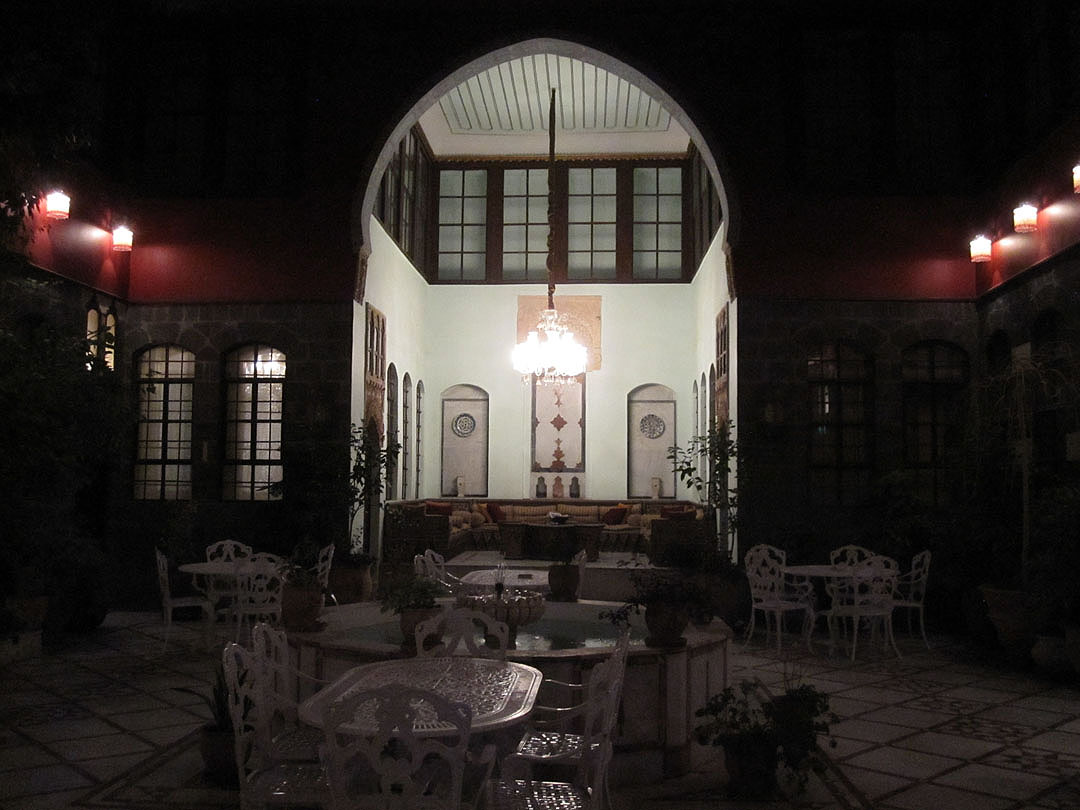
Photo by EOD

Photo by EOD
Posted in Blog
Comments Off on The Guest House: Damascus
From the Whirling Dervishes of Syria…

Photo by EOD
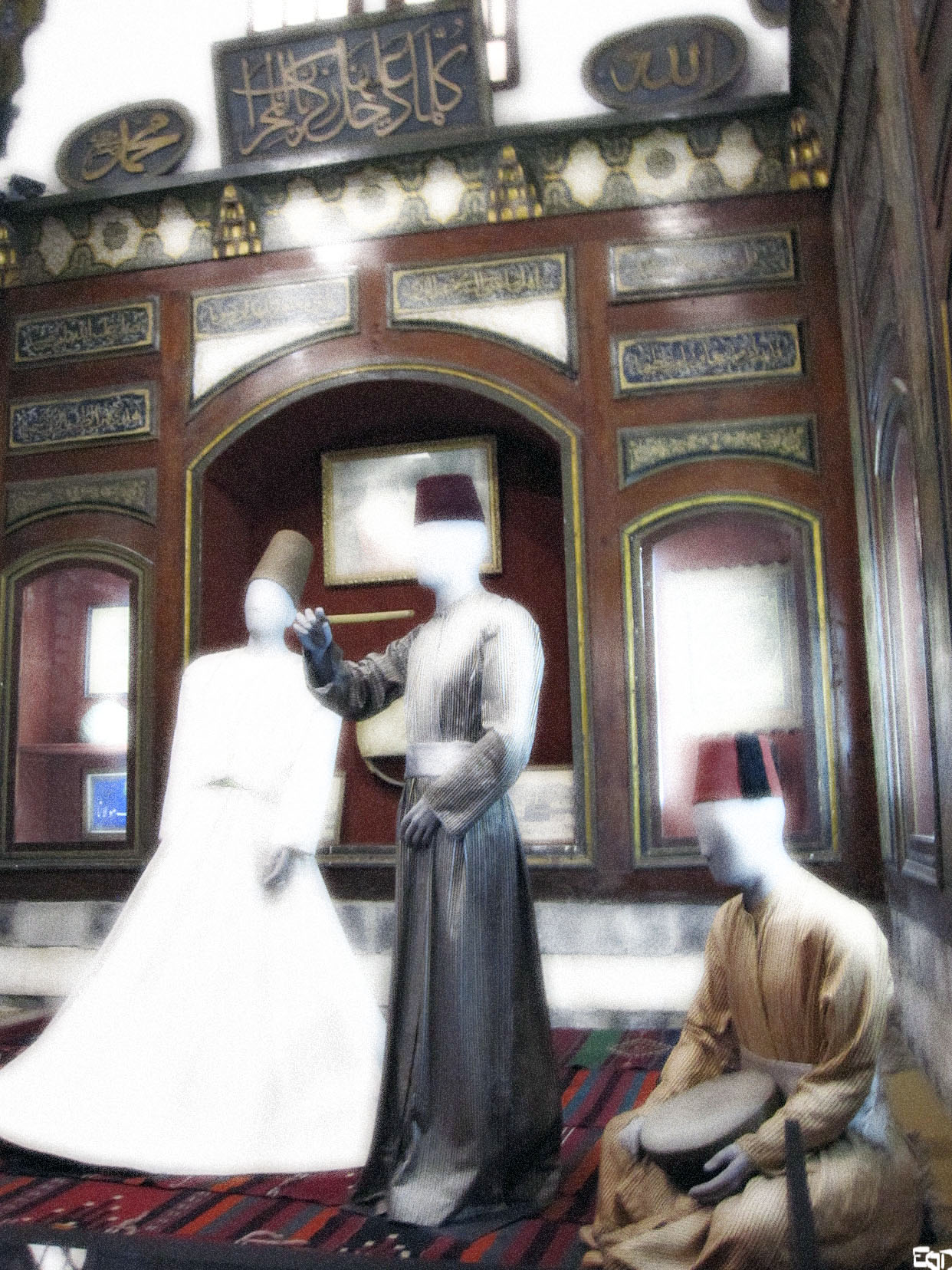
Photo by EOD
Though we’re all thinking these days about weapon attacks in Syria, I can’t stop thinking about all of the Sufis there. Since it’s really just a matter of days–or moments–before the decision on American intervention in Syria is made–I thought I’d share some of what I saw in Syria while I was there–since I’ve been reminiscing about lately anyway…
Most of my time in Syria was dedicated to visiting sacred “spaces” of Sufism–like Sufi shrines, cemeteries, hostels and schools. Though I’d set out with an itinerary–visit this saint, find that mosque–I kept running into whirling dervishes in the most unexpected places. Take, for instance, the photo to the left, which I took in the 18th century Azm Palace of Damascus, where one of the (breathtaking) rooms had these statues of whirling dervishes on display–to illustrate how Sufi philosophy and ritual has long been woven into the spiritual and artistic fabric of Syria. When most people think of Rumi, they don’t think of Syria–but they should, since the Mevlevi Sufi Order, which follows in his footsteps, has been active there for centuries–and still is today…
A number of Sufi orders are currently active in Syria–the Mevlevis, Naqshbandis, Qadiris–and more. In Damascus, I was very fortunate to spend time with a number of esteemed living and dead Sufi masters. Another vibrant and historic center of Sufism, of course, is Aleppo–and Sufis from Aleppo are still sharing their rich spiritual and musical traditions with devotees and audiences near and far. For example, I had the opportunity to see an ensemble from Aleppo perform and whirl in Cambridge–though sadly not all of the members of the ensemble could be present–since a number of their visas had been denied…
“We are not terrorists,” one of the musicians pleaded into the microphone–after receiving a standing ovation. “We are here for peace,” he said. The audience broke out into such a supportive and spirited applause that it made a number of those sitting around me weep. To get a taste of sema–the whirling ceremony of Rumi–here is a clip of Aleppo’s Al Kindi Ensemble performing and whirling in Fez…
One of the other reasons I was drawn to Syria was because in the past few years, Damascus has become a celebrated hub of Middle Eastern art–and I wanted to see the art on display at places like Ayyam Gallery for myself. The war in Syria hasn’t stopped Syrian artists from creating cutting edge art–in fact, some artists are incorporating bombed out buildings into their gripping and haunting installations.
When I walked through the dusty lanes of the Old City of Damascus–to go visit the Umayyad Mosque–I was struck by all of the paintings of whirling dervishes for sale in the bustling shops of the souq. Granted, these colorful dervishes were likely painted to cater to a tourist’s taste–but it was still delightful to see dervishes whirling in all directions, as I passed on my way to that awe-inspiring 8th century mosque–built on the remains of a Roman temple to Jupiter…

Photo by EOD
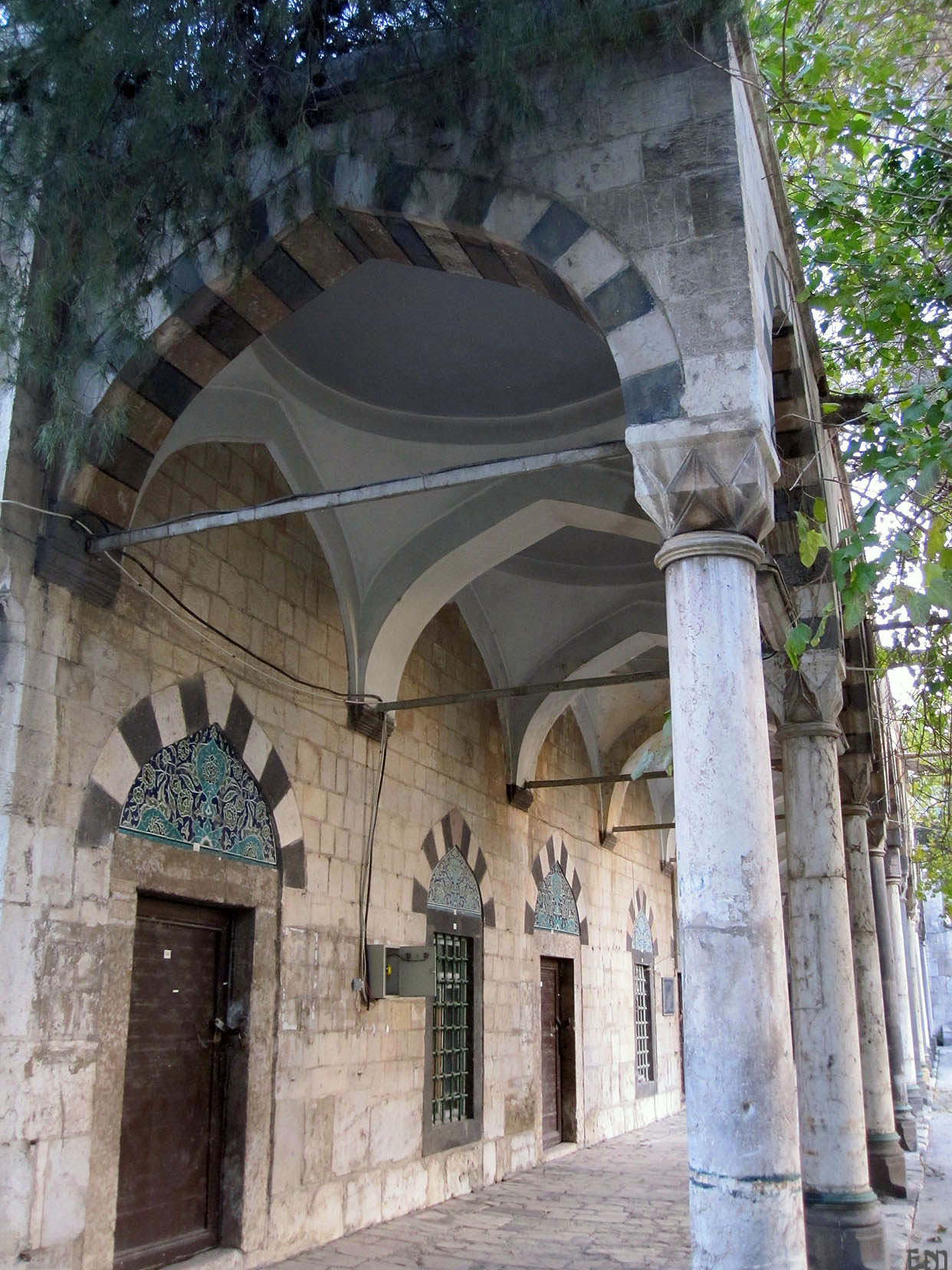
Photo by EOD
I snapped the photo to the left in Damascus at Tekkiye Suleymaniye–a medieval school for the whirling dervishes of Rumi’s Mevlevi Order. As I walked by these Ottoman dervish cells–each equipped with its own fireplace–I tried to imagine what life had been like for the dervishes who not only lived in those stone cells–but also worked in the soup kitchen and hospice across the courtyard–since hands-on service and charity have always been one of the hallmarks of Sufism…
***
Little did I know when I moved to Lebanon that my foray into Syrian Sufism hadn’t ended in Damascus. Earlier this year, when I was teaching a whirling workshop in Beirut, an older woman walked through the door–whom I’d never seen before. But, of course, everyone–known or unknown–is welcome.
“I am from Syria,” she said, “and I am a Sufi.” She explained, through tears, how she had been forced to flee across the border from the violence.
And though she was older than all of us by decades, when the Sufi music started–she began to whirl with the speed, delight and openness of a child–seeming not to have a care in the world, seeming only to be living for love…
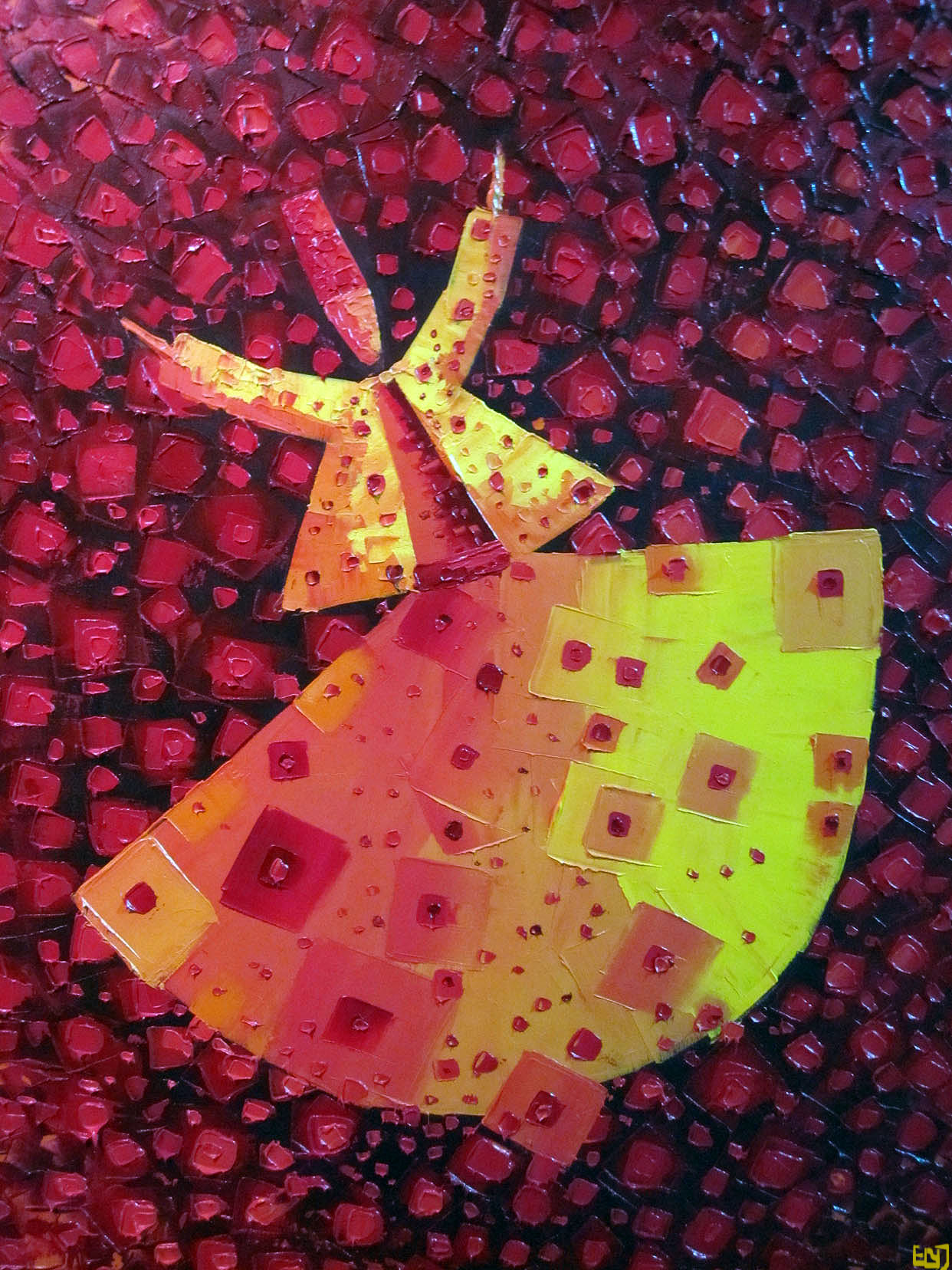
Photo by EOD
Posted in Blog
Comments Off on From the Whirling Dervishes of Syria…
The Slovaks are Going, the Slovaks are Going…
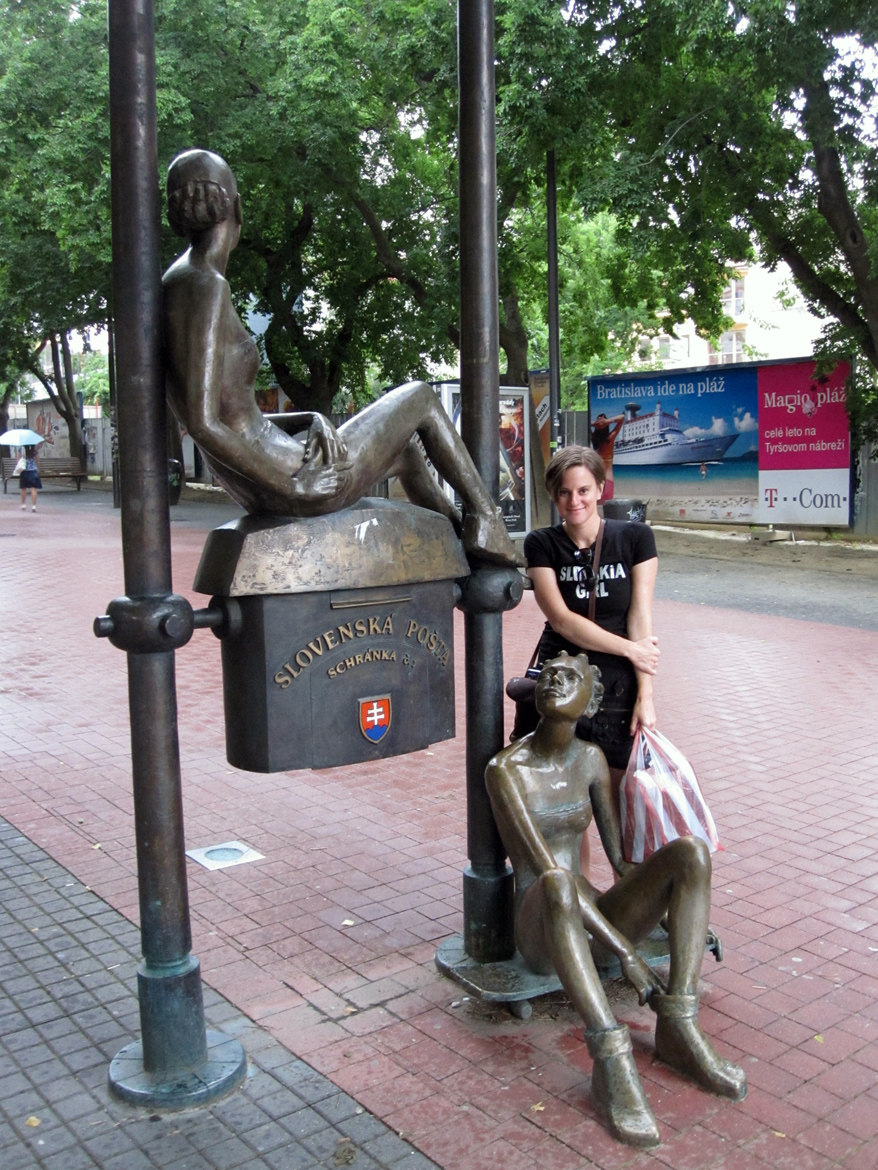
Emily O'Dell on the rainy streets of Slovakia
Iran has just released six out of eight Slovak paragliders held since May on suspicions of espionage. The flying Slovaks had been arrested for photographing restricted areas in Isfahan–home to the Natanz nuclear plant. The Slovaks, however, contend that they were merely filming a documentary from the air…
As a Persian-speaking flying Slovak in the Middle East myself–I’m so relieved I could just do a Slovak cartwheel…just like I did all over Slovakia, when I was living there…
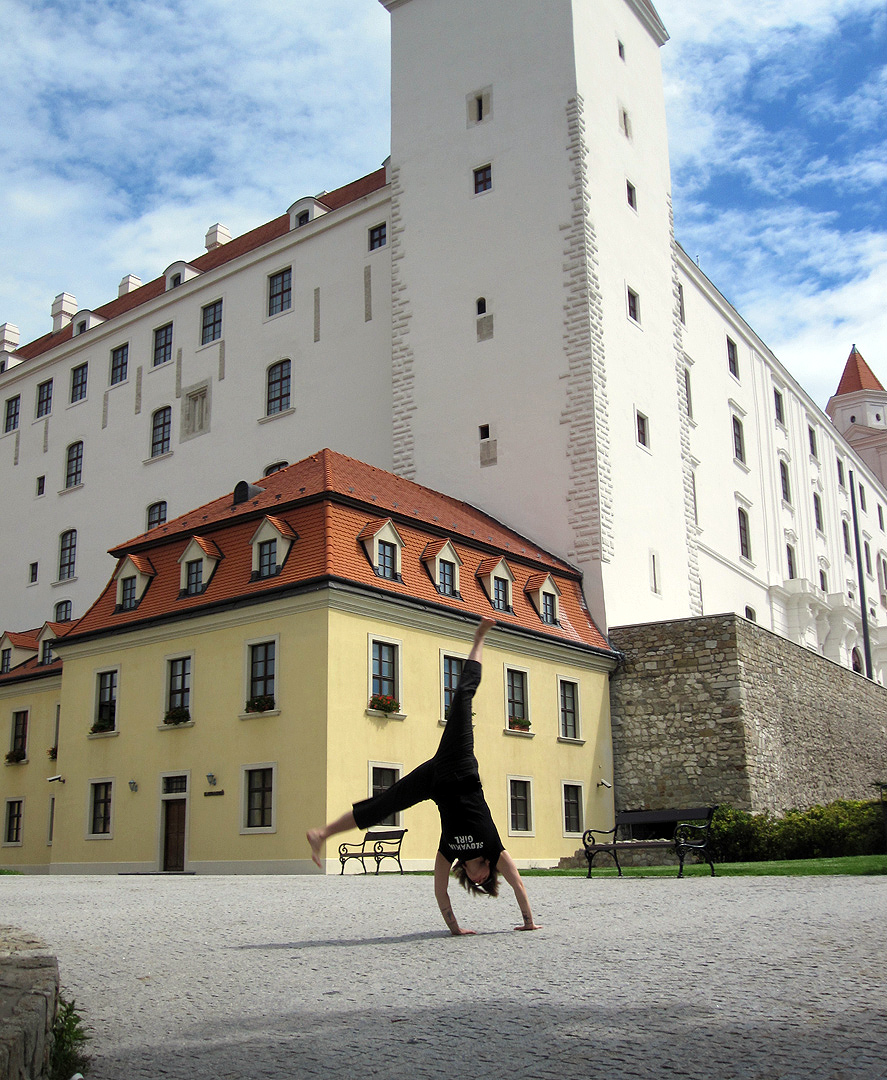
Emily O'Dell upside-down in Bratislava
Posted in Blog
Comments Off on The Slovaks are Going, the Slovaks are Going…
Tiny Houses: From Amsterdam to Afghanistan
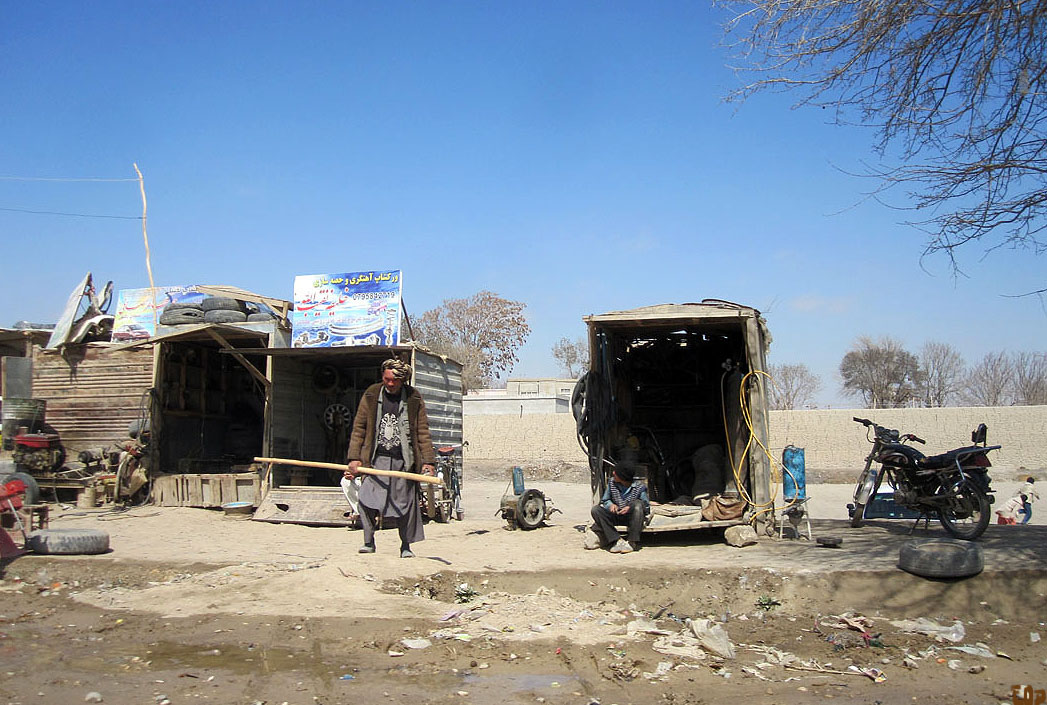
Photo taken in Afghanistan by Emily O'Dell
For years, I’ve been a fan of the tiny house movement. I’ve long considered putting a tiny house or yurt on my family’s farm in the heartland, when I’ve felt like leaving the big city behind. This summer, though, my yurt dream came true years before I thought it would–when I had the opportunity to live in a yurt for month in the desert sands of Turkmenistan.
Over the years, I’ve spent countless hours researching tiny houses. No, not the tiny houses of Laurie Simmons (Lena Dunham’s mom)–though I’ve admired those too–but a small house with no flourish and no fuss. Since I’m in love with simplicity and anything miniature–from chihuahuas to Turkish coffee cups–a tiny house seems like it would be ideal–especially on a farm.
But this morning, while eating breakfast and reading an article about the popularity of shipping container houses in Amsterdam, I began having second thoughts. Watching a video about the virtues of living in a 215 sq ft. shipping container in Europe, I got the same sick feeling in my stomach as I did when I was in Afghanistan and saw countless Afghans living in shipping containers–by necessity not choice. Living through decades of war is tragic enough–but imagine doing that while living inside of a shipping container.
When we talk about the American economy and politics in relation to the Afghan war, an important topic largely absent from the conversation is the devastating poverty found throughout Afghanistan. Even though I studied Afghan history and culture at Columbia before journeying to Afghanistan, it wasn’t until I witnessed Afghans living in shipping containers that I began to grasp the humanitarian tragedy–on top of the violence–exacerbated by the Afghan war.
When scholars and activists in America say that war is the enemy of the poor, they’re often referring to the devastating toll war takes on the pockets and lives of the poor in America. But war is also an enemy of the poor in the lands where we’re fighting–because war is always an enemy to the poor on both sides.
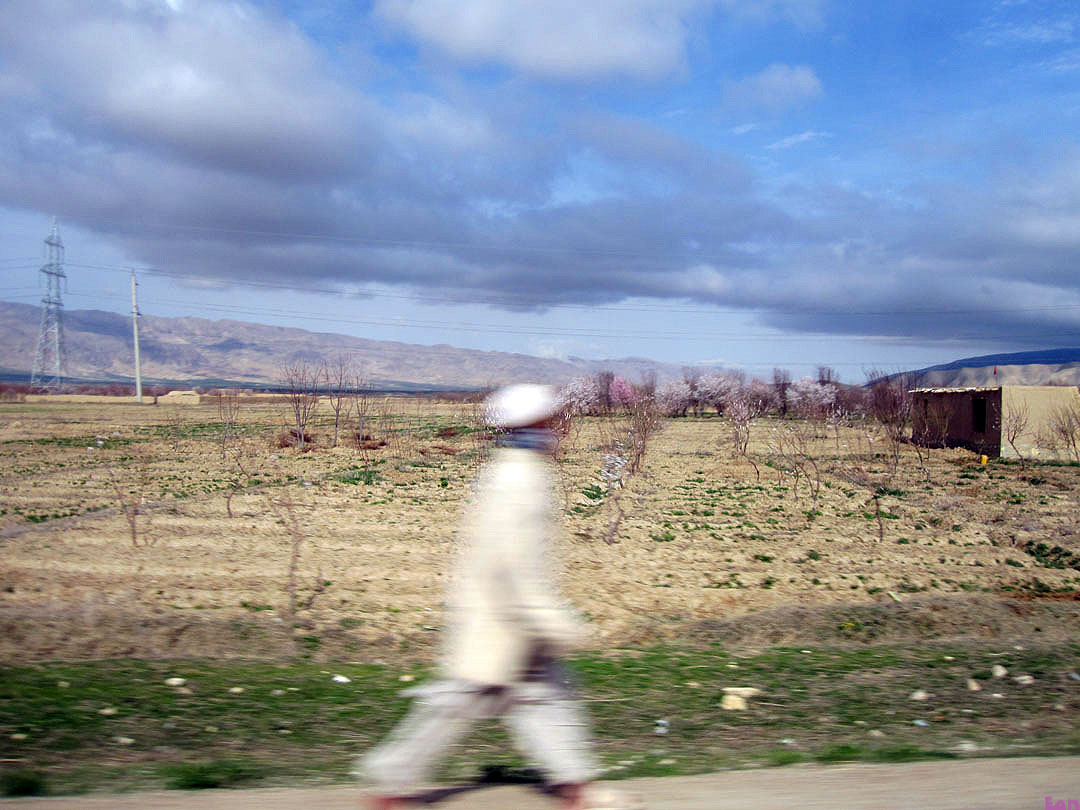
Photo taken in Afghanistan by Emily O'Dell
Before I saw those tiny houses in Afghanistan, I had analyzed every angle of the Great Game currently being played there. I’d considered every political triangulation and historical repetition–but I hadn’t given nearly as much thought to the poor. I hadn’t yet looked into their eyes–and been told that, for some, war comes as an afterthought–a secondary strife–for those struggling just to survive.
Of course, dire living conditions are not particular to Afghanistan–as anyone who has walked through Kibera, Dharavi or Neza-Chalco-Itza knows. These days, wherever I wander, I’m always shocked that media commentators consistently ignore the most simple and ubiquitous equation in the world (poverty + despair = violence) in their coverage from Afghanistan to Cairo–and beyond.
Now I have to wonder: is my love of tiny houses born from a sincere desire to make a small carbon and spatial footprint, or am I just fetishizing simplicity? For decades now, less has often been prized as more when displaying one’s privilege and wealth. For instance, a number of anthropologists and writers have articulated how our modern obsession with thinness is related to status and class. A thin body in American society connotes wealth instead of poverty–because it takes time (is money!) and resources (a gym membership–along with yoga classes) to achieve and maintain.
By this logic (of abstaining in the face of abundance), is a tiny house an environmentally friendly alternative, or just another thin body–a fetish of scarcity masking as a marker of simplicity? Is our thriving cult of simplicity a natural reaction to the excesses of consumerism, or is it–in a way–an appropriation of poverty? And if raw food diets and tiny houses are, on some level, an appropriation of poverty–does that appropriation assuage one’s guilt about individual and national wealth–when so many around the world still go without?
Of course, not all shipping container houses in the news are created equal–or designed for simplicity’s sake. Some of them are actually luxury homes–which combine the “best of both worlds.”
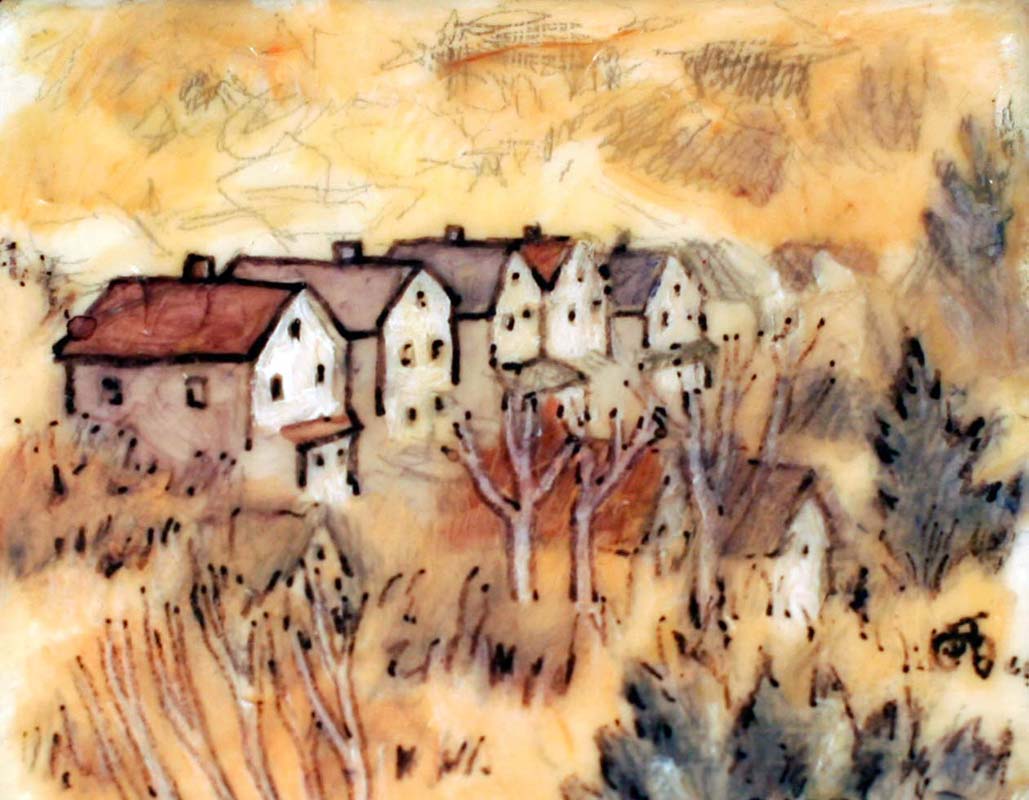
Artwork by Ean Spangler
In romanticizing the simple life, it’s easy to forget those for whom a simple life–out of necessity–is an extreme hardship. And in romanticizing the hardship of those living a simple life, it’s easy to forget that not everyone who lives a simple life considers it a struggle.
Despite my restless rumination and ramblings today on tiny houses, I still think they make a welcome alternative–they’re affordable, environmentally friendly–and, well, they’re cute. But I’m not alone in noting that the trend of “paring down” one’s life in a society of abundance can look a bit absurd if seen through a wider lens. Take, for example, this hilarious video–which takes the tiny house movement to its inevitable end…
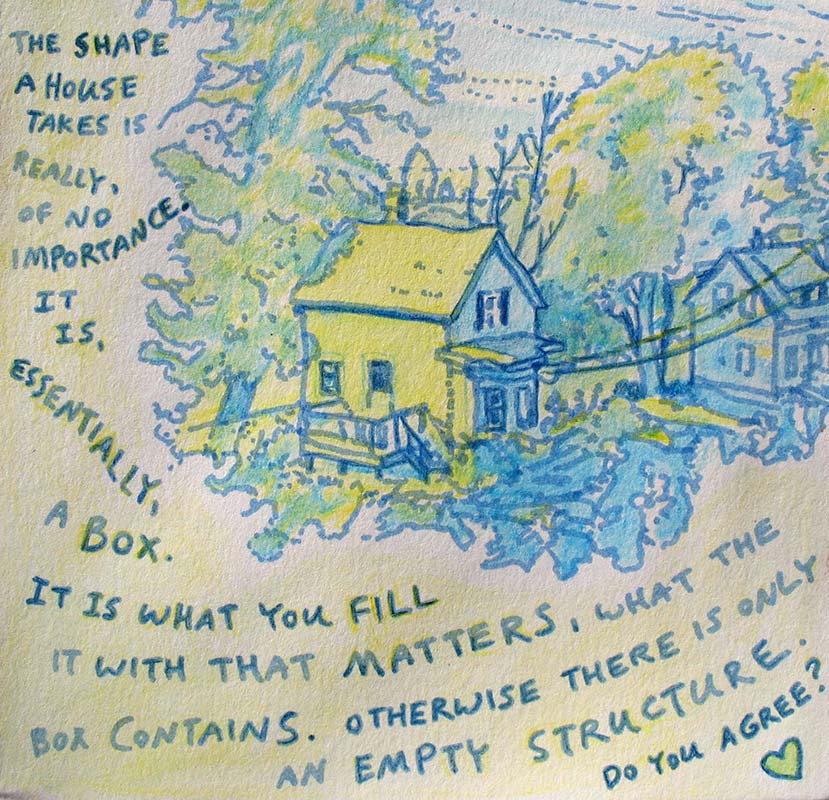
Artwork by Ean Spangler
Posted in Blog
Comments Off on Tiny Houses: From Amsterdam to Afghanistan
Iran’s Foreign Policy on Facebook
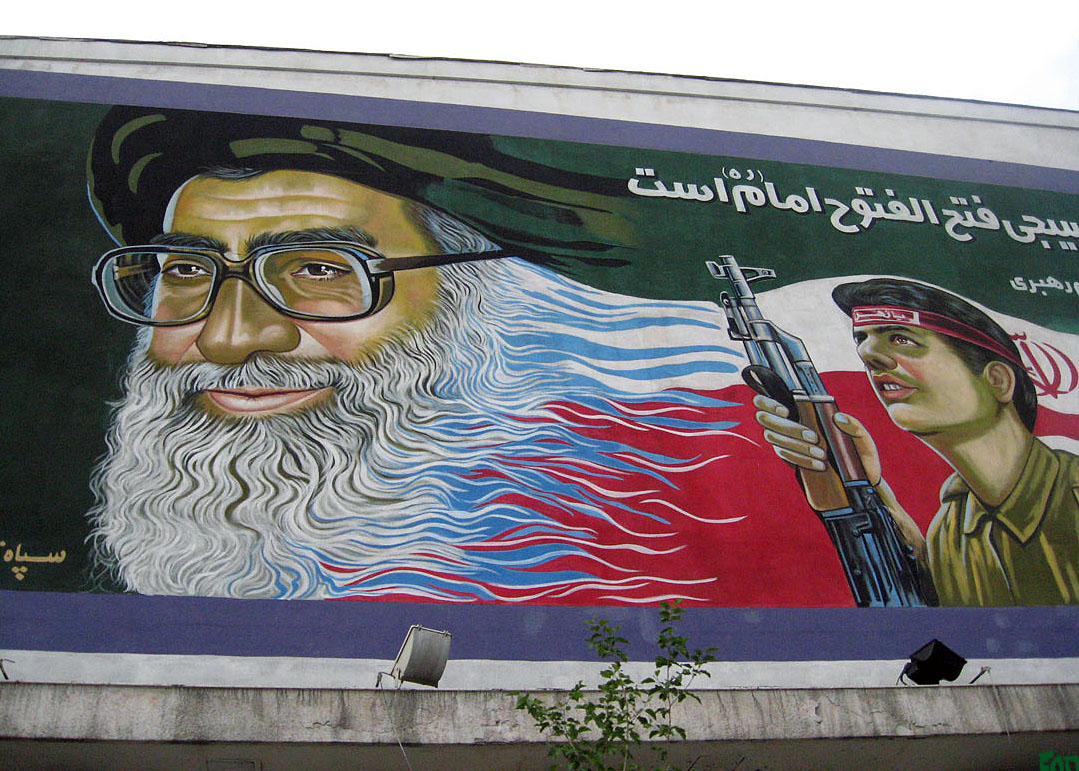
Photo taken in Iran by Emily O'Dell
When I was in Iran, I had the unique opportunity of visiting the Ministry of Foreign Affairs–where the diplomats with whom I spoke were very forthcoming about their foreign policy goals, and their hopes for improved relations with the United States (and no, it wasn’t just taarof).
Now, however, you don’t have to travel to Iran to access the Foreign Ministry, since Iran’s new Minister of Foreign Affairs–Mohammad Javad Zarif–is an active and accessible Facebook user. With the ongoing crisis in Syria, his page has attracted over 95,000 likes. His recent piece on Syria–posted in Persian and English–drew thousands of comments. Not surprisingly, he has connected the current “moral” outrage and call for intervention in Syria coming from Washington to the international silence and inaction on Saddam Hussein’s chemical weapons attacks (sarin and mustard gas) against the Iranians. Since a military response by the United States, in his estimate, would be against international law, Zarif is in favor of negotiations to resolve the ongoing crisis about chemical weapons.
Another question he posed, as mentioned in this analysis of his Facebook page, was:
If we accept the use of force (regardless of excuses and their justifications), have we not enabled the powerful to use it whenever their interests warrant it, to kill and destroy people, to destroy their own economic resources and to fall into a trap that leads to endless terror and violence? Do you know of even one case where the powerful have accepted the heavy costs of a war for public interest or for safeguarding human rights?
To read a summary of the diverse comments posted on his Facebook page, please go here. And to keep up with all the latest–from the Iranian perspective–you might consider friending him on Facebook–like so many already have…
Posted in Blog
Comments Off on Iran’s Foreign Policy on Facebook
Today in Beirut…
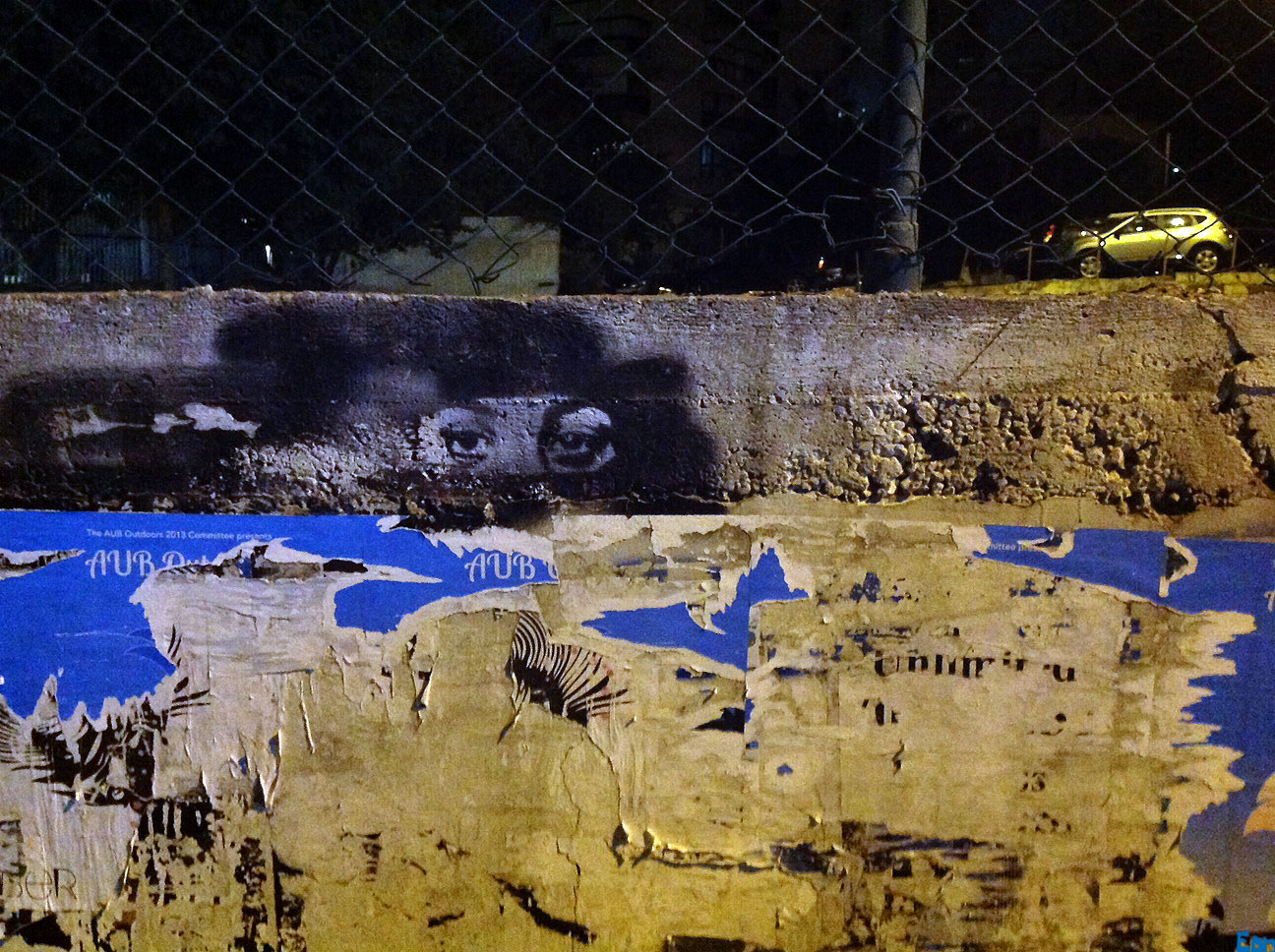
Photo by Emily O'Dell
Don’t let your throat tighten with fear.
Take sips of breath,
all day and night.
Before death
closes your mouth.
— Rumi
“When do people here tend to consider a break out in violence as a war?” I asked a Lebanese colleague today–on the beach in Beirut.
“Why, when it starts raining, of course!” he replied.
Today in Beirut–even on the beach–everyone was on edge.
“We’re such a small country, we’re gonna get clobbered,” said a ripped body-builder on the beach. He wasn’t confident that his muscles could hold back the oncoming tide. And, under the water, no one told the turtles about the troubles brewing above.
Today in Beirut, the beach was bare–the Corniche quiet. This city feels like it’s turning into a ghost town–and it’s impossible to book a flight out. Yesterday, the Kuwaitis were evacuated, and today Bahrain urged its citizens to leave too. In-coming flights, by contrast, are empty–since Britain and France have advised their citizens to stay home. As tensions grow over a possible U.S. military strike in Syria, a number of regular flights to Beirut are being cancelled.
“If the airport gets bombed, you’ll have to leave by ship,” my colleague added–rehashing what happened here in 2006. In that case, he explained, a helicopter would come to pick us up on a field near my home.
“But don’t worry–no one’s going to bomb the airport anytime soon–because the CIA, KGB, and Syrian intelligence officers still have to use it–right now, they’re the airport’s best customers,” he said.
In between swims, dinners, and shopping, everyone’s trading their own tantalizing tidbits of intelligence–prefacing each prediction with phrases like, “Well, I can’t say where I heard this, but–“. People whose loyalties lie on opposing sides, are all relaying the same message: don’t go to this neighborhood, avoid this public space, remember that most car bombs go off between 10 am and 4. Is this intel, or just common sense? Who’s to know what’s true? Who’s to know who’s planning what–and when?
Tonight in Beirut, the streets were just as quiet as during the day. Instead of the usual Saturday night in Beirut, it felt more like a Sunday morning. And in the supermarket, I found that all the eggs and essentials were long gone.
Now that President Obama will be seeking congressional approval before launching a Syrian strike, maybe Beirut will soon be back to partying every night like it’s a Saturday night–and I can finally buy that carton of eggs…
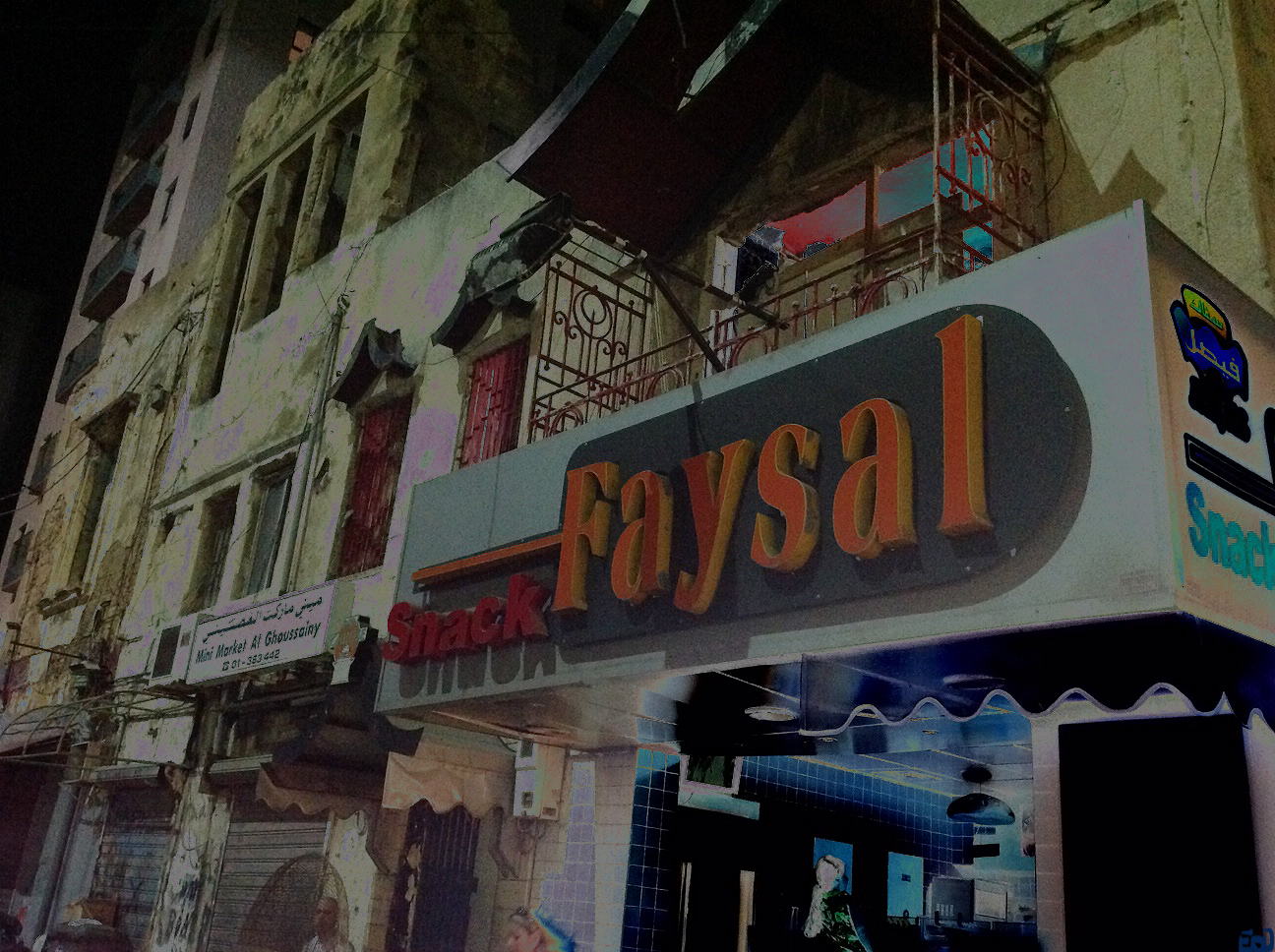
Photo by Emily O'Dell
Posted in Blog
Comments Off on Today in Beirut…
Touring Iran…
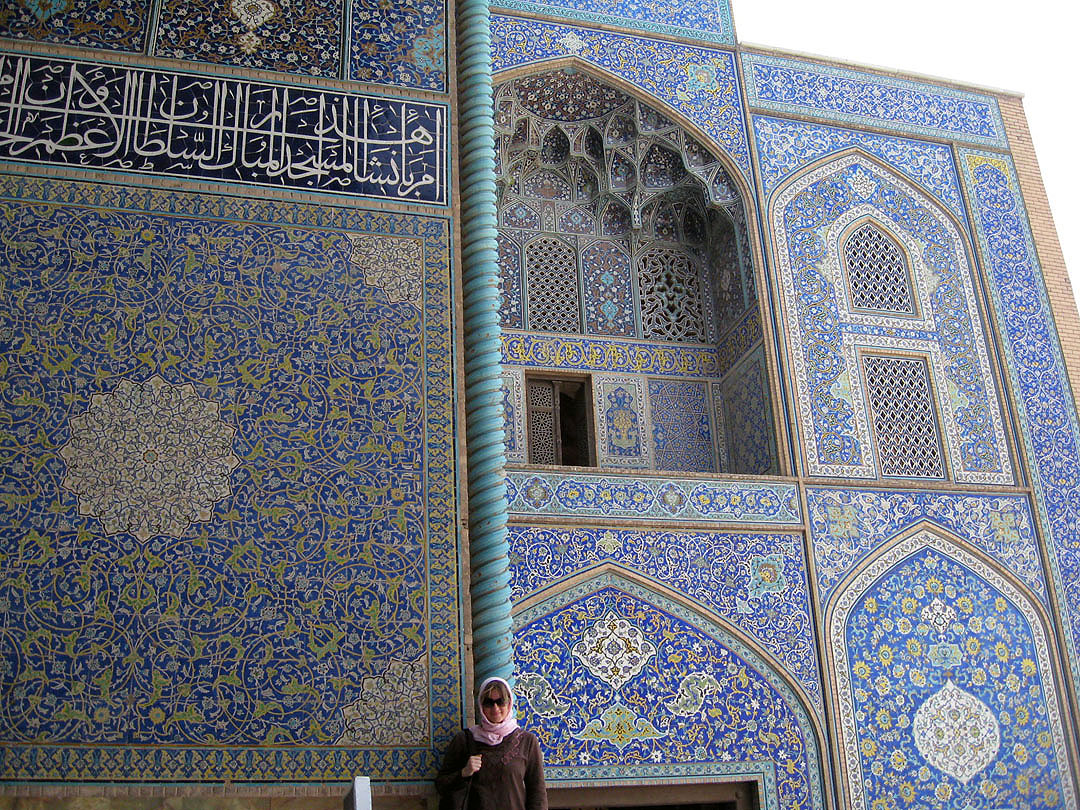
Emily O’Dell in Isfehan, Iran
Esfahān nesf-e jahān ast
[Isfahan is half of the world]
Iran’s new president, Hassan Rouhani, is currently looking to the tourist industry to help repair Iran’s struggling economy. His goal: to double the number of foreign tourists to Iran from 4 million a year to 10 million. Tour operators are already reporting an increase in requests among those considering Iran as a tourist destination.
Though I had already read the Persian poetry of Hafiz in the original after studying Persian for years before traveling to Iran, it wasn’t until I was actually there that I could fully appreciate and understand the richness of Persian language and culture–and marvel at the awe-inspiring beauty of its ancient, medieval and modern treasures. Now when I teach Persian history and culture, I have personal experience–and spectacular photos–to share with my students. With its 16 UNESCO World Heritage sites, Iran has no shortage of historic sites for tourists to visit. In fact, seeing all of Iran’s legendary cities often takes more than one trip–since it’s almost impossible to fit them all into one stay.
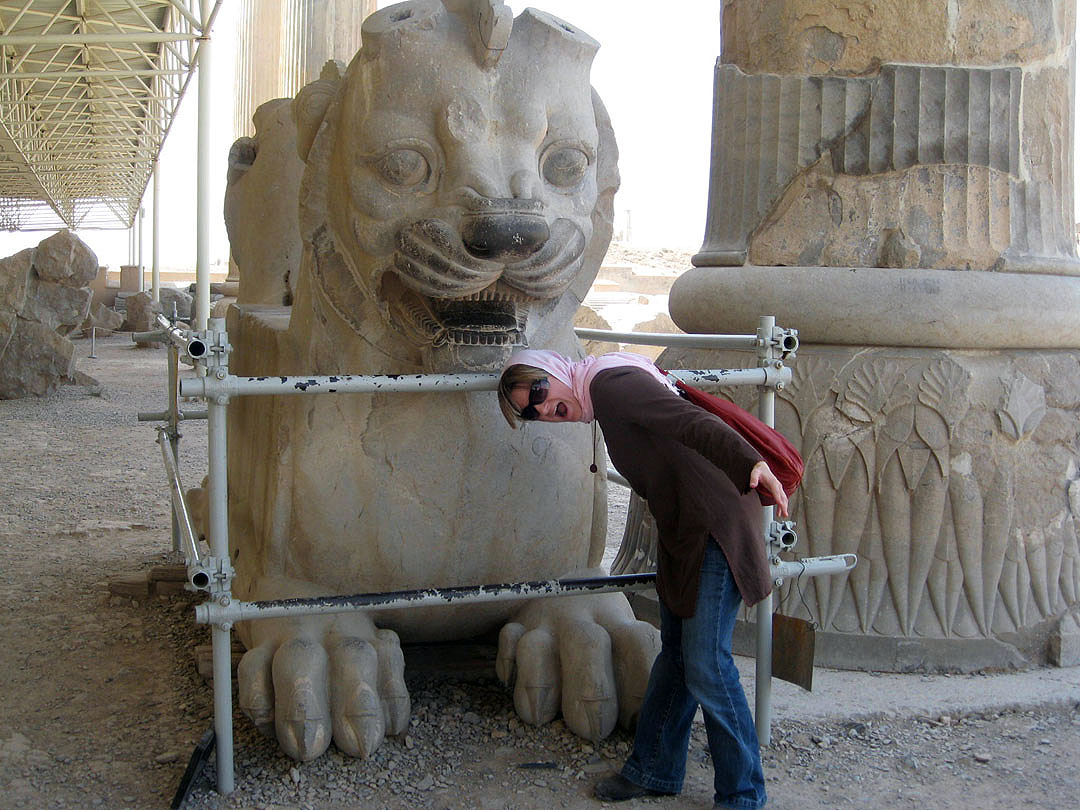
Emily O’Dell at the ancient site of Persepolis in Iran
A recent NYTimes article about the expected increase in tourism to Iran, uses a stock photo of the ancient site of Persepolis, which is unfortunate–since the site offers so many angles for a unique and brilliant shot. The article also fails to mention one of the most crucial contributors to the increase of interest in visiting Iran: with so many countries in the Middle East currently in turmoil, Iran has become one of the more stable places to visit. With the expected uptick in tours to Iran, perhaps I’ll consider leading one myself…
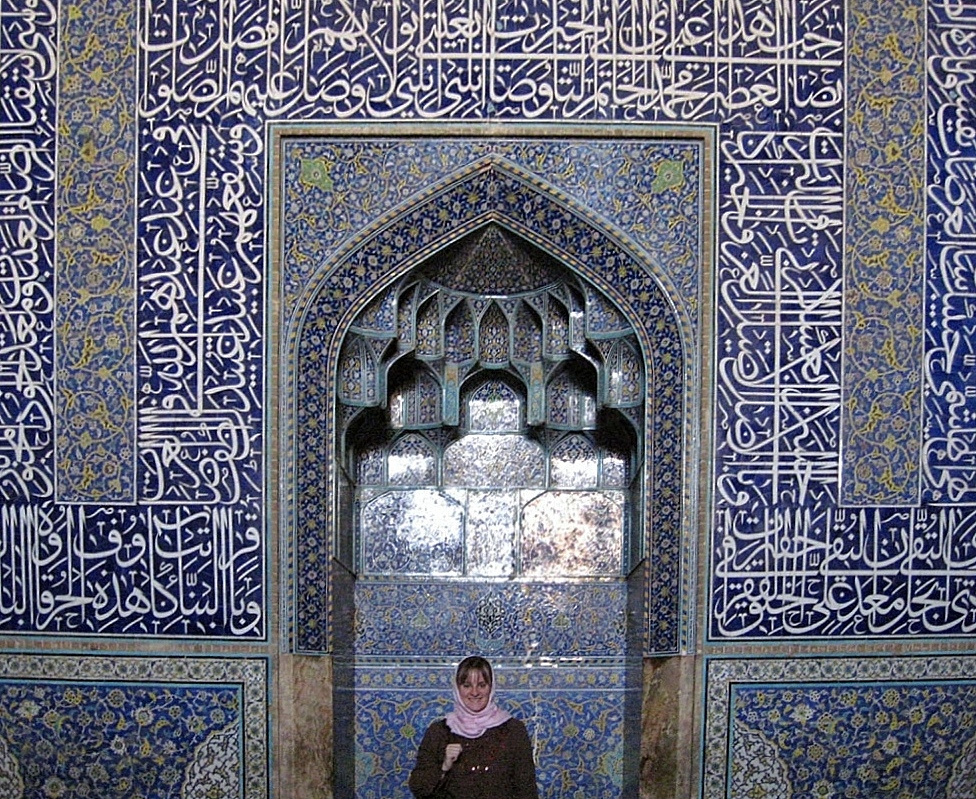
Emily O’Dell in Iran
Posted in Blog
Comments Off on Touring Iran…
The Shrine of Hafiz…
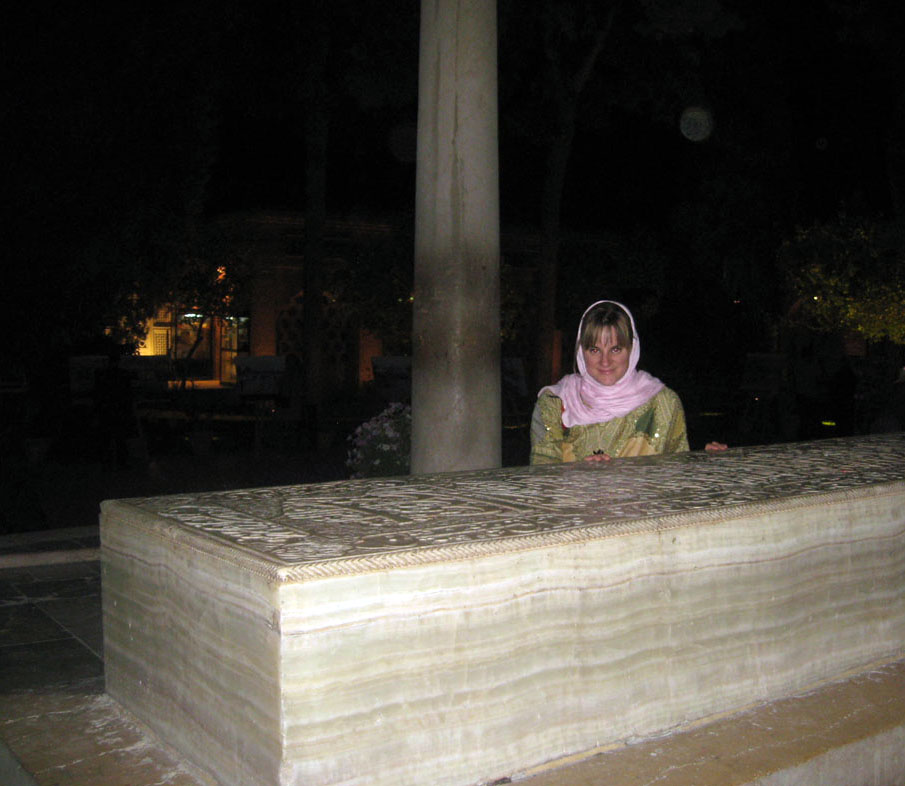
Tomb of Hafiz in Iran (Photo: Emily O'Dell)
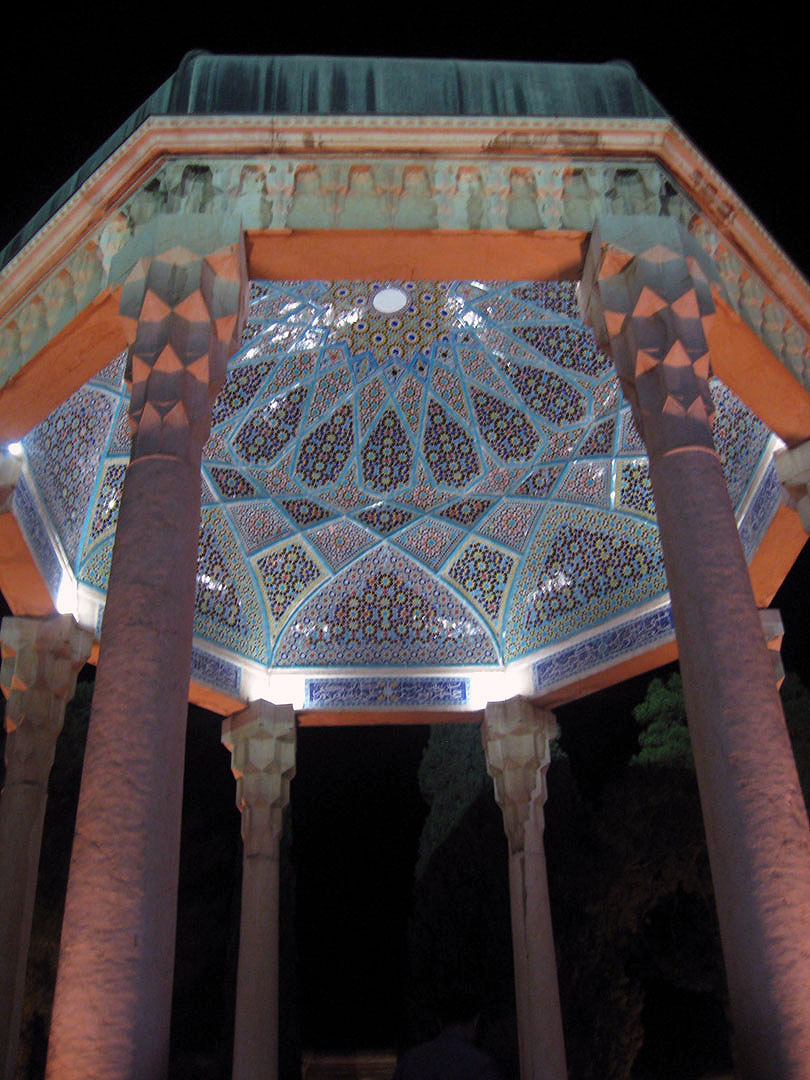
Tomb of Hafiz (Photo by Emily O'Dell)
The subject tonight is Love
And for tomorrow night as well.
As a matter of fact,
I know of no better topic
For us to discuss–
Until we all die!
Today, I’m reading the Sufi poetry of Hafiz, and remembering my visit to his tomb in Shiraz. How I placed my hands on the marble slab over his grave–engraved with nastaliq ghazals:
The dust of my body has covered the face of my soil.
It will be a happy moment when I uncover that face.
Next to me, a little girl sat on his smooth stone, and laughed–while her mother kissed his chiseled epitaph.
I have never seen any poetry sweeter than yours, O Hafiz.
I swear it by that Qur’an which you keep in your heart.
Through that garden embellished with orange trees and Persian verse, I wandered–his mystic madness breezing past me from speakers circling his grave. The sly rectangular pool displayed with pride its prey–the moon. His dome–a copper canopy in the shape of a dervish’s hat–shone mosaic polychrome stars above his final sleeping stone. And everyone there, from their hands or from their heart, was reciting one of his poems…
One regret, dear world,
That I am determined not to have
When I am lying on my deathbed
Is that
I did not kiss you enough.
— Hafiz
Posted in Blog
Comments Off on The Shrine of Hafiz…