 Emily’s Blog
- Sunset Beach Tai Chi July 22, 2024
- Coffee with Abu… July 22, 2024
- Rumi Latte in Beverly Hills July 22, 2024
- Judging a Burmese TedTalk July 22, 2024
- Mystical Tajik Cafe in Beverly Hills July 21, 2024
- Hollywood: Brown Film Festival July 21, 2024
- New Play Premiere in Burma July 21, 2024
- Bhutan Meets Malibu & Mulholland July 21, 2024
- Tricycle Bliss July 21, 2024
- Kung Fu Panda July 21, 2024
Category Archives: Blog
Peace: From Beirut to the World…
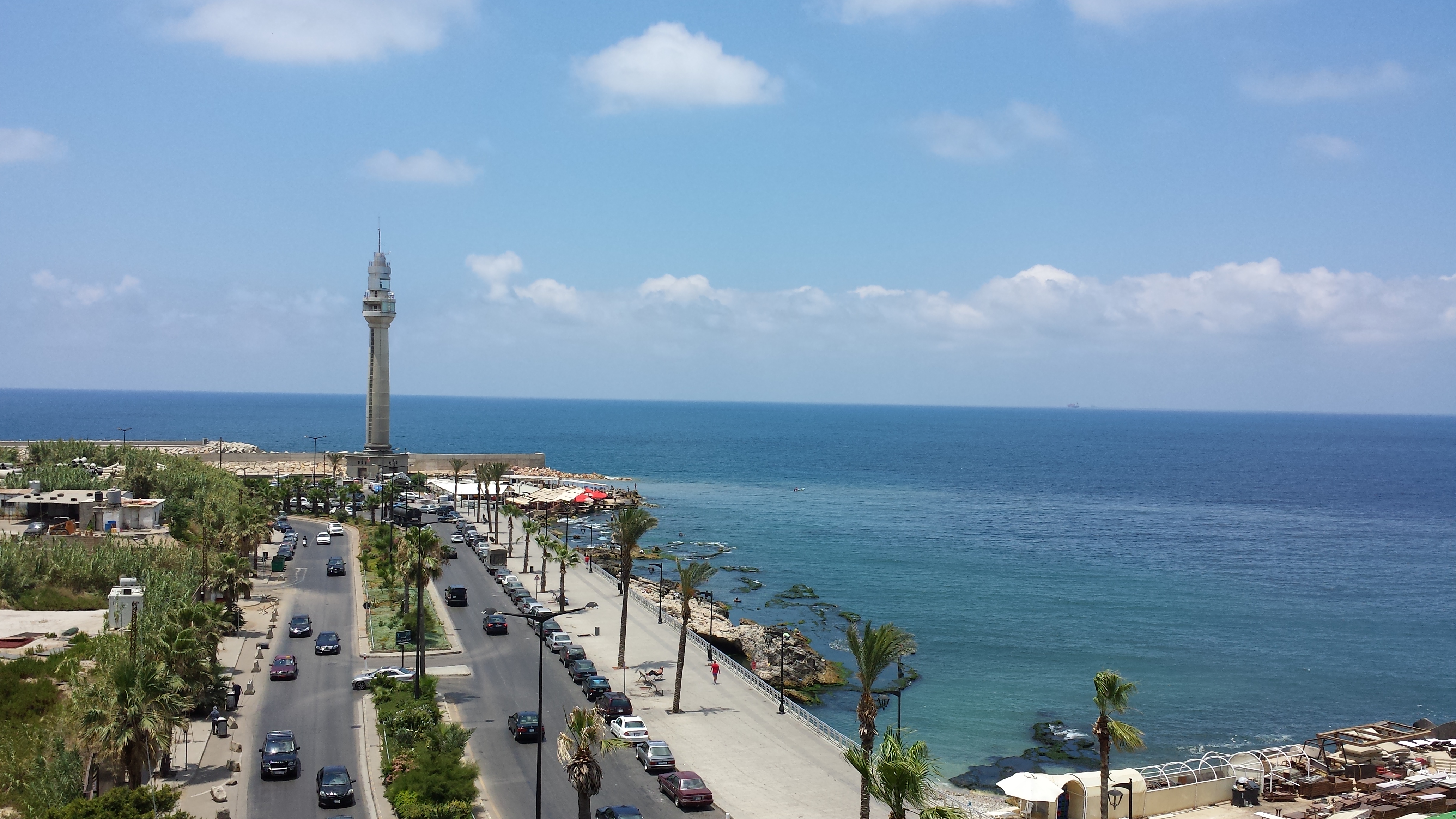
Photo by Robert O'Dell
For International Peace Day (September 21st), the UN in Lebanon, along its associated partners for peace, will be sponsoring the first online demonstration for peace from Beirut to the world. The theme for this event is “Tolerance for Peace” to encourage peaceful co-existence and understanding. To join in the online demonstration, please visit Demonstrate for Peace.
Posted in Blog
Comments Off on Peace: From Beirut to the World…
Visiting John the Baptist in Damascus…
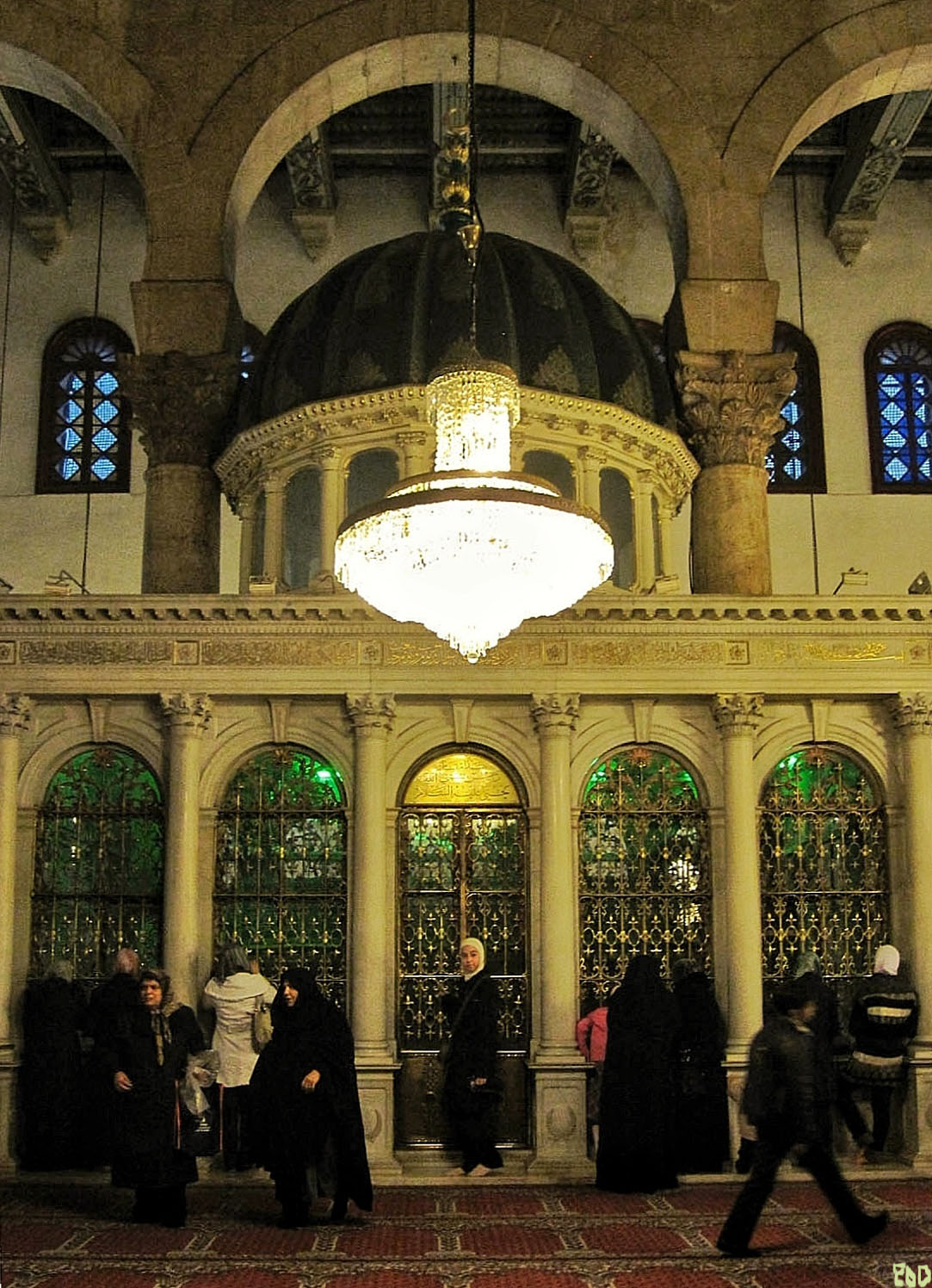
Shrine of John the Baptist in Damascus (Photo by Emily O'Dell)
Posted in Blog
Comments Off on Visiting John the Baptist in Damascus…
Compartiendo Sufies en Siria
Many thanks to some very sweet and generous Sufis in Mexico (yes, Mexico has Sufis too!) for translating my Huffington Post piece “Sharing the Sufis of Syria” into such beautiful Spanish–muchas gracias…
Compartiendo Sufies en Siria
Por Emily O’Dell

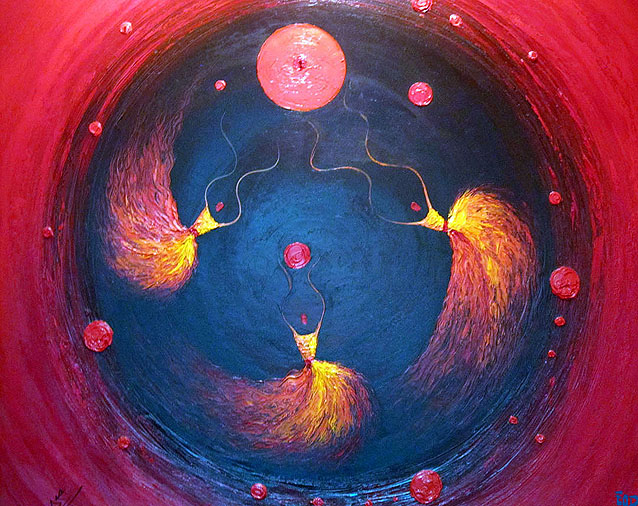
A Dervish Painting in Damascus (Photo by Emily O'Dell)
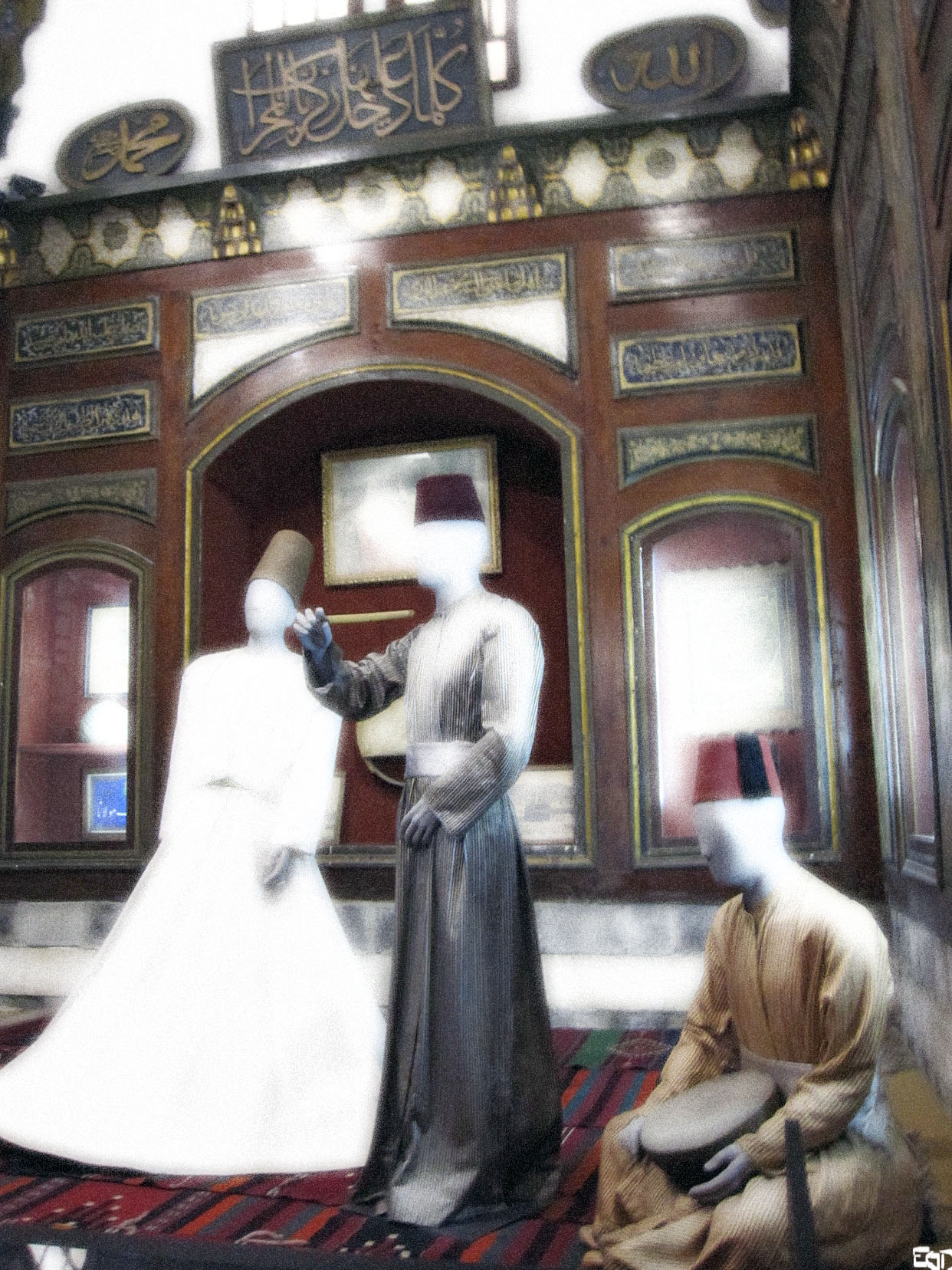 Mientras todos pensamos en las armas químicas en Siria, no puedo dejar de pensar en los Sufis de ahí –los maestros místicos vivos y muertos y los derviches que encontré en Damasco dos meses antes de que la guerra civil iniciara.
Mientras arribaba en Damasco, me encontré caminando con derviches en donde menos lo esperaba.
Cuando la mayoría de la gente piensa en derviches y en el poeta sufí Rumi, no piensan en Siria, pero deberían. La Orden Sufi Mevlevi, que sigue los pasos de Rumi, ha estado activa en Siria por centurias, como lo ilustra una foto de un derviche girador del siglo XIV en el Hospital Mamluk, en Aleppo.
Años atrás, cuando tuve la oportunidad de mirar Sufis de Damasco en una presentación en Harvard, algunos miembros del ensamble faltaban, porque sus visas habían sido negadas. “No somos terroristas” decía un derviche al micrófono, tras nuestra ovación de pie. “Somos Sufis, y hemos venido aquí por paz, no por guerra” dijo. Las humildes palabras entregadas de un corazón en súplica, arrancaron una ola de aplausos, que nunca antes había escuchado. Profundo y desafiante- molesto e inspirado- nuestro aplauso por la paz fue tan fuerte que hizo que los asientos temblaran y las lágrimas cayeran.
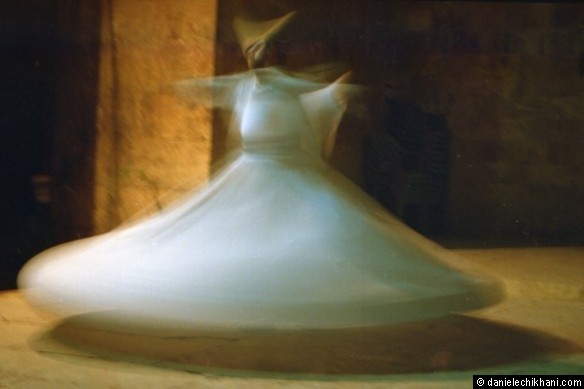
Recordé ese energético aplauso, mientras me dirigía a visitar la Mezquita de Umayyad – la misma que visitó el Papa Juan Pablo II en 2001 en la primera visita que un papa visitaba una mezquita. En muchas tiendas del mercado encontraba figuras coloridas de derviches a la venta, pensaba que era una forma de catar el gusto de los turistas, realmente fue placentero encontrar derviches giradores en todas direcciones, mientras rodeaba la ciudadela.
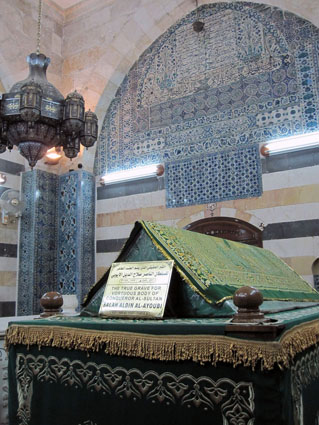 Cerca de la esquina noroeste de la mezquita, me tropecé con el santuario de Saladin, aquel legendario Sultan del siglo XII que no solo repelió a los Cruzados de Levant, sino que también fundó Escuelas y Logias Sufis en Egipto.
Escolares y Sufies han debatido sobre si la Caballería de Saladin fue influenciada por la conexión de él con la Orden Sufi Qadiri. Fue Saladin, después de todo, quien mandaba frutas y regalos a Ricardo Corazón de León, su adversario, cuando escuchó que estaba enfermo – antes de la histórica tregua.
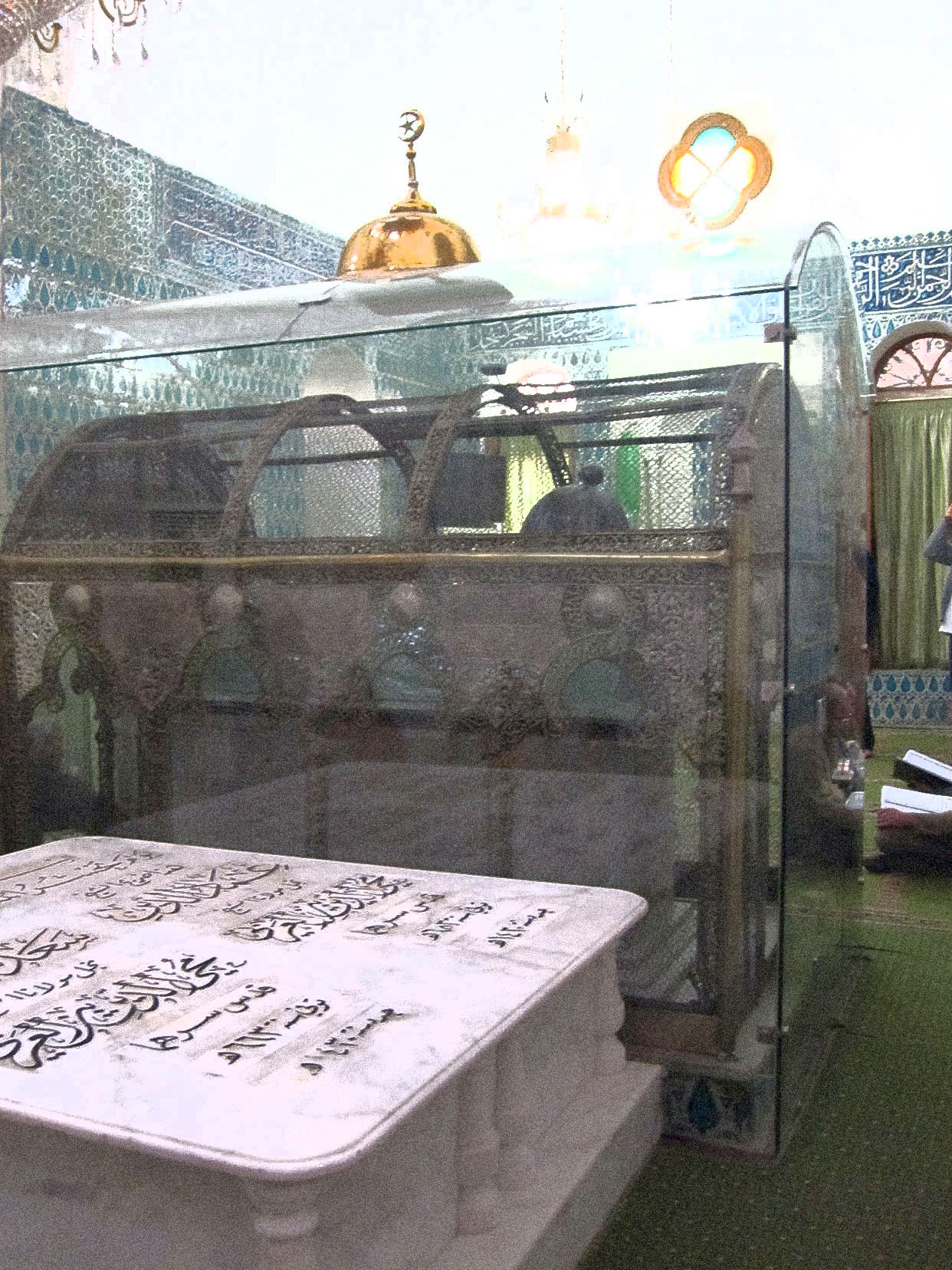
Después de visitar los santuarios y la mezquita, sabía que mi visita no sería completa si no visitaba la tumba de Ibn Arabi, el venerado filosofo sufí del siglo XIII – que muchos consideran un más grande maestro Sufi.
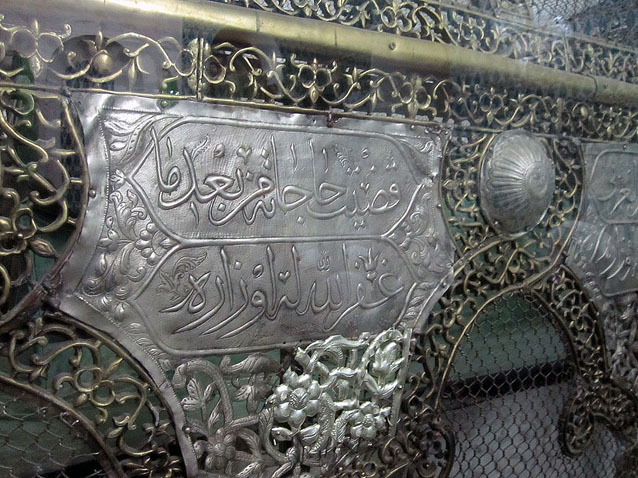
Sentada ahí junto a su tumba y montones de mujeres y sus hijos- recordé como una de sus maestras Sufi en España solía decirle a Ibn Arabi:
Yo soy tu divina madre, y la luz de tu madre terrenal.
Mi corazón se ha hecho capaz de adoptar todas las formas.
Es pasto de gacelas y convento de monjes cristianos:
Templo de ídolos, Kaaba de los peregrinos,
Tablas de la ley judía y el libro del Corán
Yo vivo en la religión del amor,
dondequiera que se vuelvan sus cabalgaduras,
ahí está mi religión y mi fe
— Ibn Arabi
En este tiempo, la tradición de maestras sufíes está aún viva en Siria – y fui muy afortunada de conocer a una de ellas mientras estuve ahí. Durante un lunch cerca de la Ciudadela, me contó que hacía años que no veía a su maestro Sufi- nadie lo ha hecho- porque vive en un profundo y aislado retiro.
“No le extrañas”- pregunté. “Cómo podría extrañarlo, cuando él siempre está aquí en mi corazón? Él me enseñó todo lo que necesitaba que aprender, y ahora depende de mí ponerlo en práctica”, respondió.
Vagando por las calles de un vecindario conservador esa misma noche más tarde, me encontré con la tumba de Sheikh Ahmad Kuftaro (d. 2004) –el antiguo Gran Mufti de Damasco, que había sido también la cabeza de la orden sufí Naqshbandi en Siria-. Reconocí su nombre porque recordé que una querida amiga mía de Chicago me contó que lo había conocido en el mismo año en que lo hizo el papa Juan Pablo II –cuando Sheikh Kuftaro le dijo que “la fe es como un árbol de olivo que necesita ser atendido –así que toma tu tiempo. Una vez, cuando un embajador le preguntó al Sheikh Kuftaro cuál era el número de cristianos en Siria, él respondió que toda la gente en Siria era cristiana, porque un musulmán cree en Cristo y en su mensaje.
Me veo como el gran muftí de los 23 millones de sirios; no sólo de los musulmanes, sino también de los cristianos e incluso de los ateos. ¿Quién sabe?, puede ser que un agnóstico me convenza con mejores argumentos un día y entonces me convierta en un no-creyente.
— Grand Mufti Ahmad Hassoun
El sucesor de Sheikh Kuftaro, el actual Gran Mufti Ahmad Badreddin Hassoun, es también conocido por sus declaraciones inspiradas en el sufismo, que algunas veces parecen parábolas o anécdotas zen: “Soy practicante Sunni, soy un fiel Shiita. Mis raíces son Salafi y mi pureza es Sufí”. Él no ha sido ajeno a la violencia pues su hijo de 22 años fue asesinado, y ha sido criticado por otros sheiks y juristas sufíes como Muhammad al-Yaquobi (@Shaykhabulhuda) por apoyar al presidente Assad. Como cualquier grupo, hay sufíes sirios en cada lado de la actual división.
Olvida el mundo y así dirige al mundo
Sé una lámpara o un bote salvavidas o una ladera.
Ayuda a sanar el alma de alguien
Sal de tu casa como un pastor.
Mantente en el fuego espiritual.
Deja que te cocine.
Sé una hogaza bien horneada, y el señor de la mesa.
Ven, y sé servido
para tus hermanos.
–Rumi
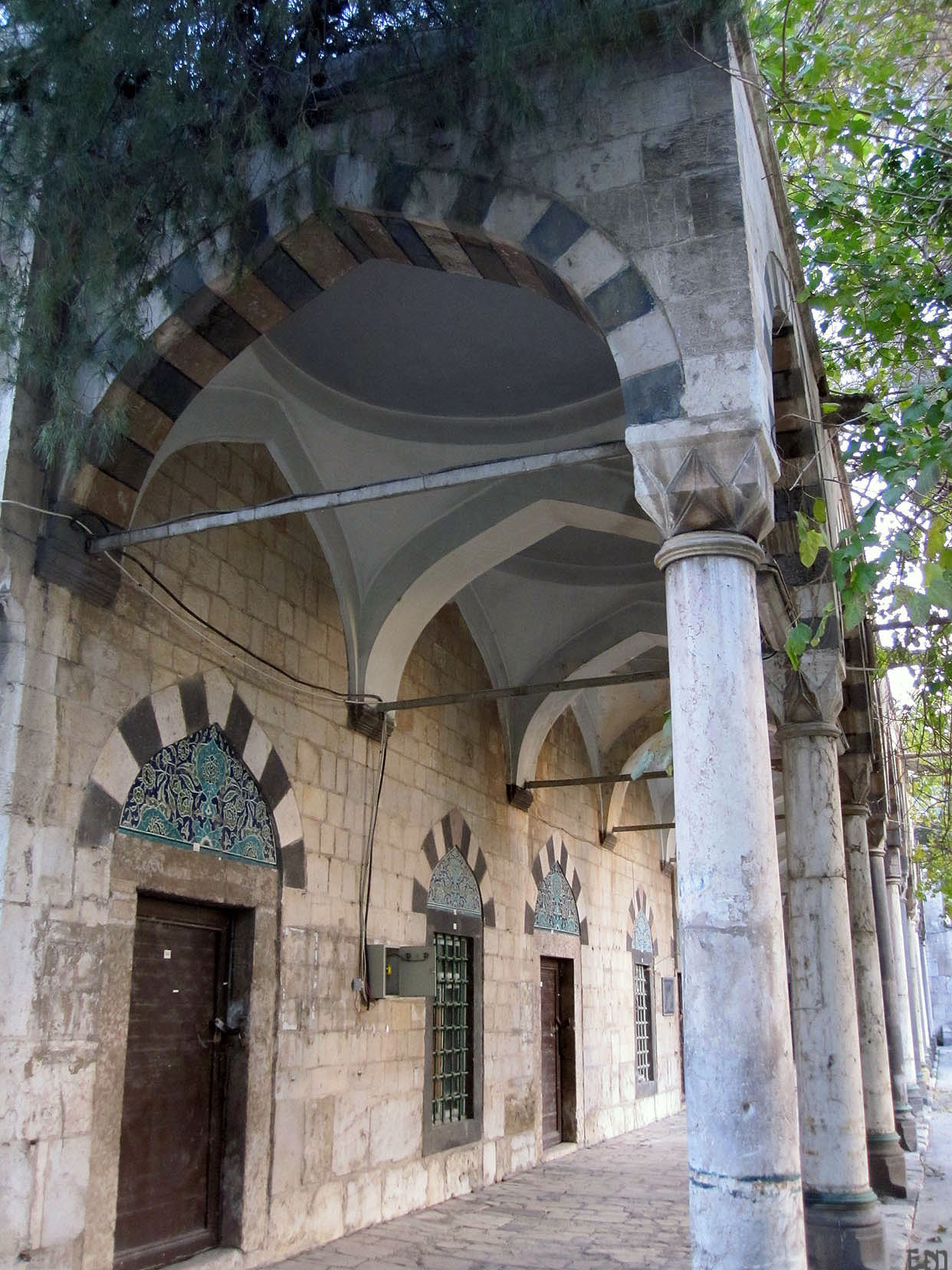
A pesar de que en este mismo instante muchos sirios están huyendo de Damasco para escapar de un golpe militar extranjero, Damasco está lleno de edificios históricos a los que la gente acude para encontrar refugio y paz. Mientras recortaba la fotografía de Tekkie Suleymaniye –un sufí medieval de los derviches giradores- intentaba imaginarme cómo habría sido la vida para los sufíes en aislamiento que dormían en esas celdas de piedra otomanas y trabajan en la cocina y en el hospicio atravesando el patio, pues el servicio a los necesitados siempre ha sido un sello de los sufíes.
Lo que me había sido desvelado de las experiencias y visiones, no puede ser expresado en palabras. Cuando entro en aislamiento le digo a mi ego: ‘Oh mi ego, aún si voy a morir, no dejaré este aislamiento. Debes saberlo. No trates de convencerme o engañarme.’
— Sheikh Abdullah Fa’izi ad-Daghestani (d. 1973)
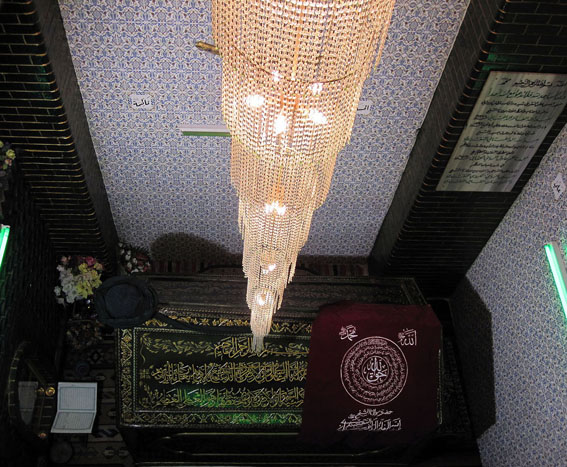
Terminé mi estadía en Siria en el santuario del Sheikh ad-Daghestani. Estaba tan oscuro y pacífico que me quedé dormido, convirtiendo mi visita en un retiro de una noche. Sheikh ad-Daghestani –que mantuvo un retiro de cinco años dentro de una cueva en una montaña nevada- era un maestro de lo que se solía llamar las cinco estaciones del corazón: el corazón mismo, el secreto, el secreto del secreto, lo oculto y lo más oculto.
En su comprensión, “la (primera) etapa del Corazón está bajo la autoridad del Profeta Adán puesto que representa el aspecto físico del corazón. La estación del Secreto está bajo el profeta Noé porque es la vasija que es salvada de la anegación de la ignorancia. La estación del Secreto del Secreto está bajo dos profetas: Abraham y Moisés que representan la presencia Divina en la Tierra.” En lo que respecta a “la estación Oculta, está bajo la jurisdicción de Jesús, dada su especial relación con el conocimiento oculto y la comprensión espiritual. Y la Más Oculta estación del corazón, explicaba ad-Daghestani, está presidida por el Profeta Mohamed, porque es el que “fue ascendido en la noche de la ascensión a la Divina Presencia”.
Como lo demuestran todos estos ejemplos, hay mucho más en Siria que sólo guerra y las imágenes que vemos actualmente en las noticias. Ese rico y complejo país posee una historia y un abundante conocimiento, que puede ser aprendido y ponderado.
Permitámonos estrechar las manos de la hermandad y de la cooperación en lugar de las manos de la agresión y la matanza, y concedámonos ofrecer a la humanidad el amor y la paciencia en lugar del odio y la matanza.
— Sheikh Kuftaro en su carta al Papa
Una noche a principio de este años, cuando enseñaba la adoración del giro en Beirut, una mujer mayor cubierta de negro de la cabeza a los pies y a quien ninguno de nosotros había visto antes, entró con dificultad.
“¿Está aquí por el giro?” Pregunté.
“Sí, soy de Siria” dijo ella, “y soy sufí”.
Mientras la saludábamos comenzó a compartir –con lágrimas cansadas- cómo había huido de la violencia dos meses antes. No se limpió las lágrimas; siendo una dedicada derviche por décadas sonrió con alivio y explicó cómo había sido incapaz de encontrar a algún sufí en Líbano hasta esa noche.
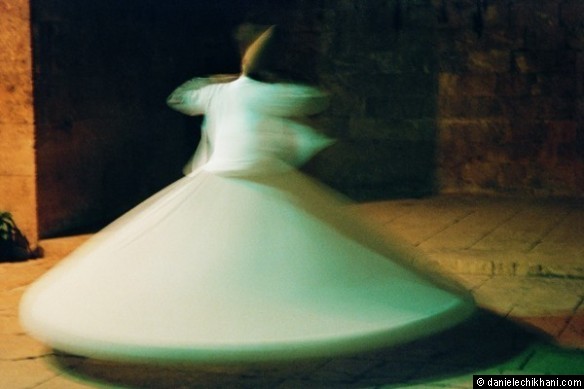
A pesar de ser más grande que nosotros por décadas y de tener problemas en sus rodillas, cuando la flauta de caña comenzó a susurrar y las percusiones comenzaron a latir, la mujer nos sorprendió levantando el vuelo. Girando velozmente, con el corazón de un niño, parecía que había dejado de interesarse en el mundo –como si viviera únicamente por amor- a pesar de todos los innombrables horrores que había atestiguado.
*Artículo original: “Sharing the Sufis of Syria”, huffingtonpost.com
Traducción al español: Jakika y Alía Al Yerrahi
Posted in Blog
Comments Off on Compartiendo Sufies en Siria
Whirling like a Wheel…
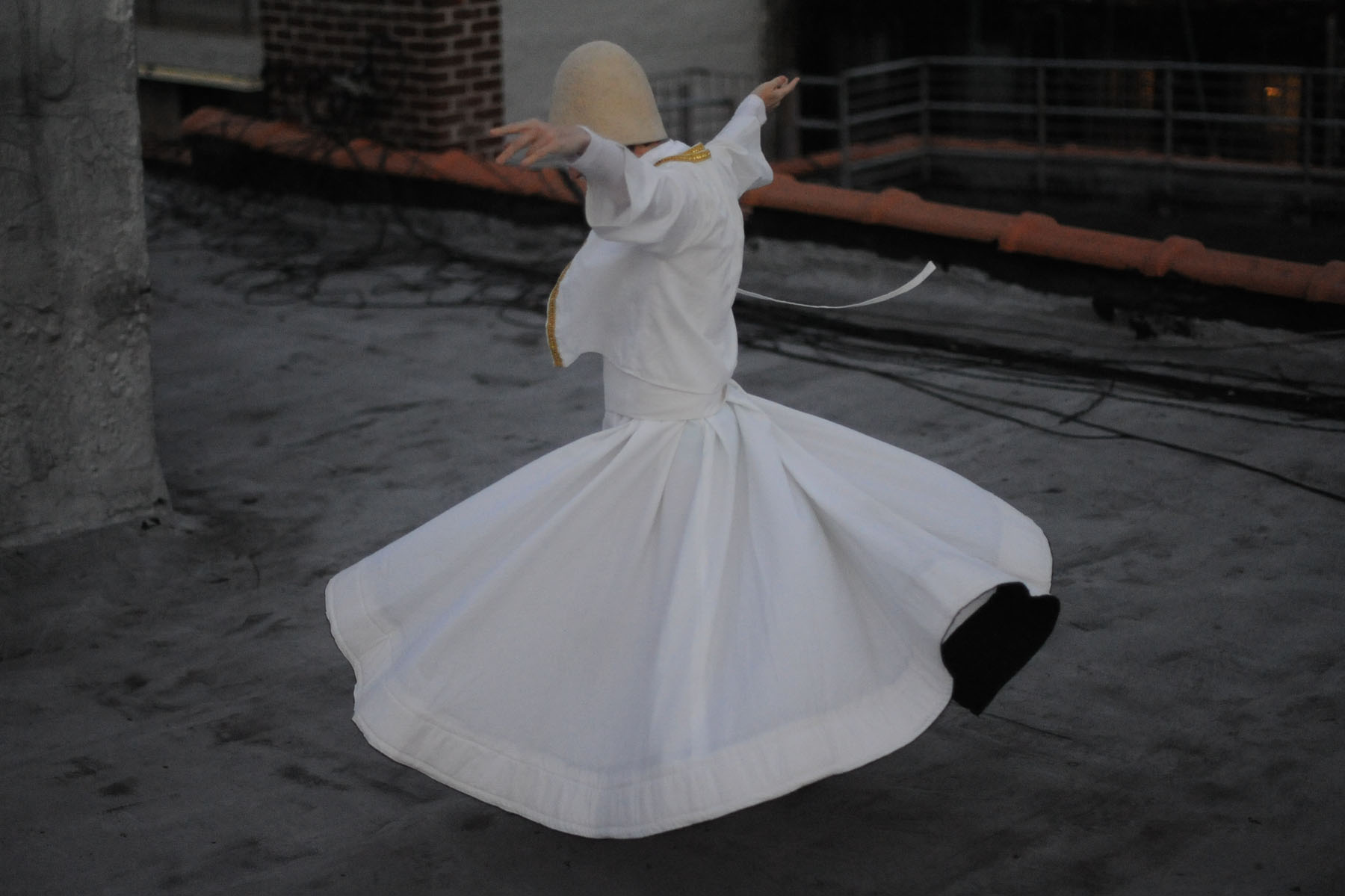
Whirling on my roof above the city...
Whirling and dancing like a spinning wheel
I saw myself as the source of existence
I was there in the beginning
And I was the Spirit of Love…
Now I am sober
There is only the hangover
And the memory of Love
And only the sorrow...
— Rumi
Posted in Blog
Comments Off on Whirling like a Wheel…
Beirut Cupcakes…
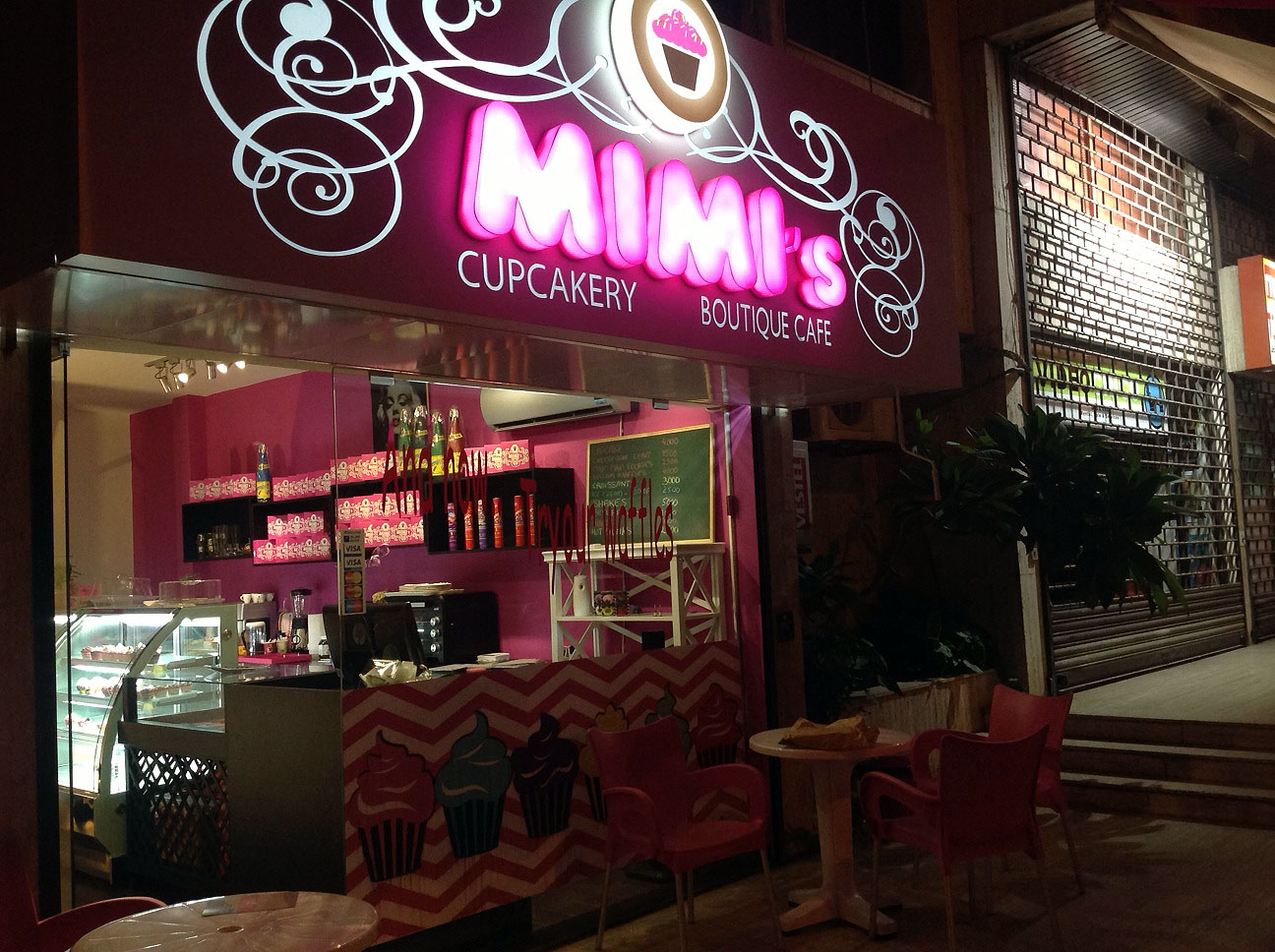
Photo by Emily O'Dell
Posted in Blog
Comments Off on Beirut Cupcakes…
Bomb Shots in Beirut…
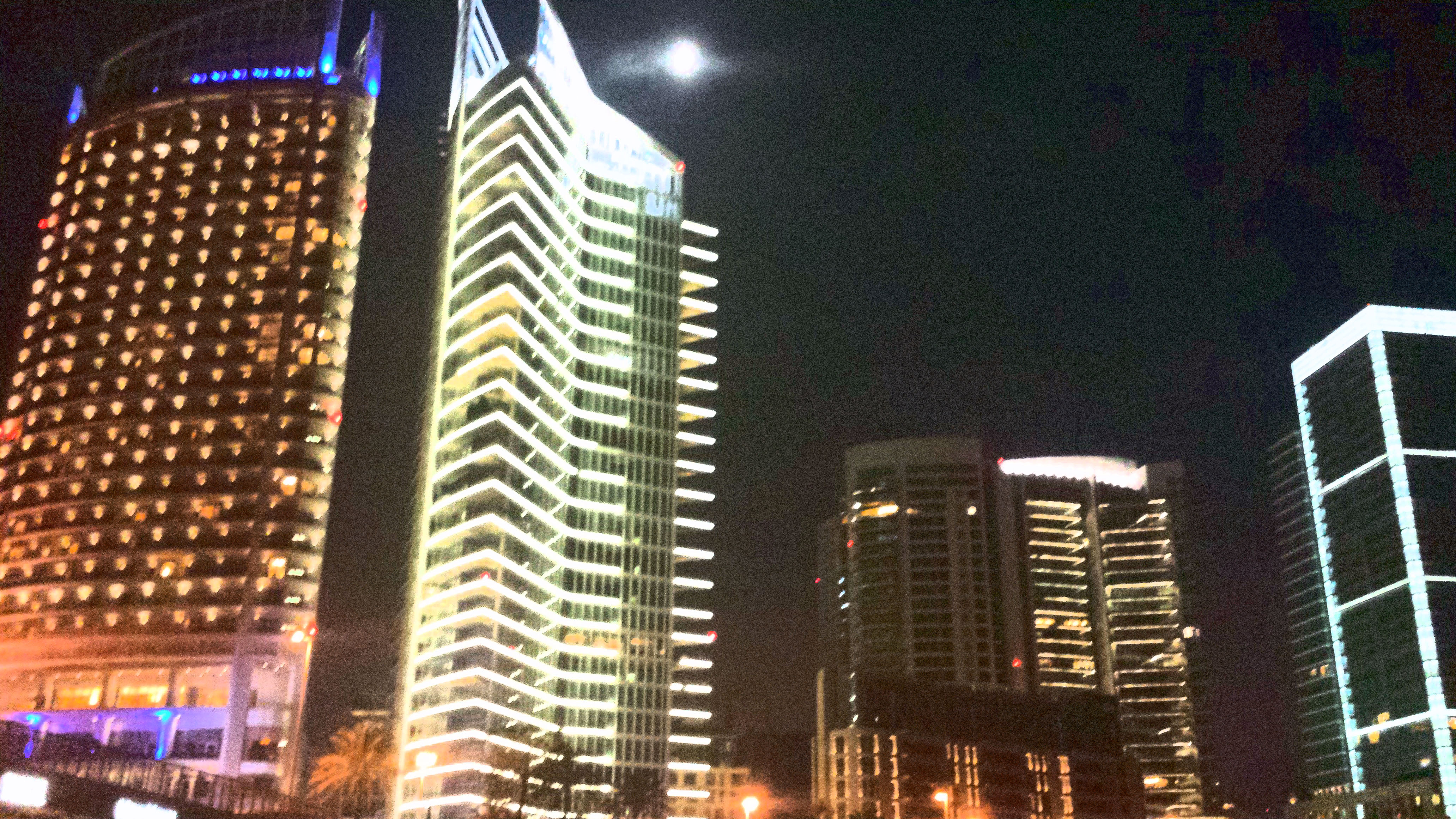
Photo by Robert O'Dell
Last night, while I was watching crowds of partygoers spill from the bars, I saw some men dancing to rap on the top of their cars. Of course, no matter where we are in Lebanon, war is never far. At my table last night, the menu of conversation included the influx of refugees, claims of chemical weapons being brought to Lebanon, and one friend’s upcoming trip to Damascus this week…
Despite the spirited scene last night on the streets, I guess I did end up seeing one bomb–when I walked past a chalkboard hanging outside of popular a bar–which read: “Nuclear Bomb Shots.”
Posted in Blog
Comments Off on Bomb Shots in Beirut…
Language Learning at St. Jude’s…
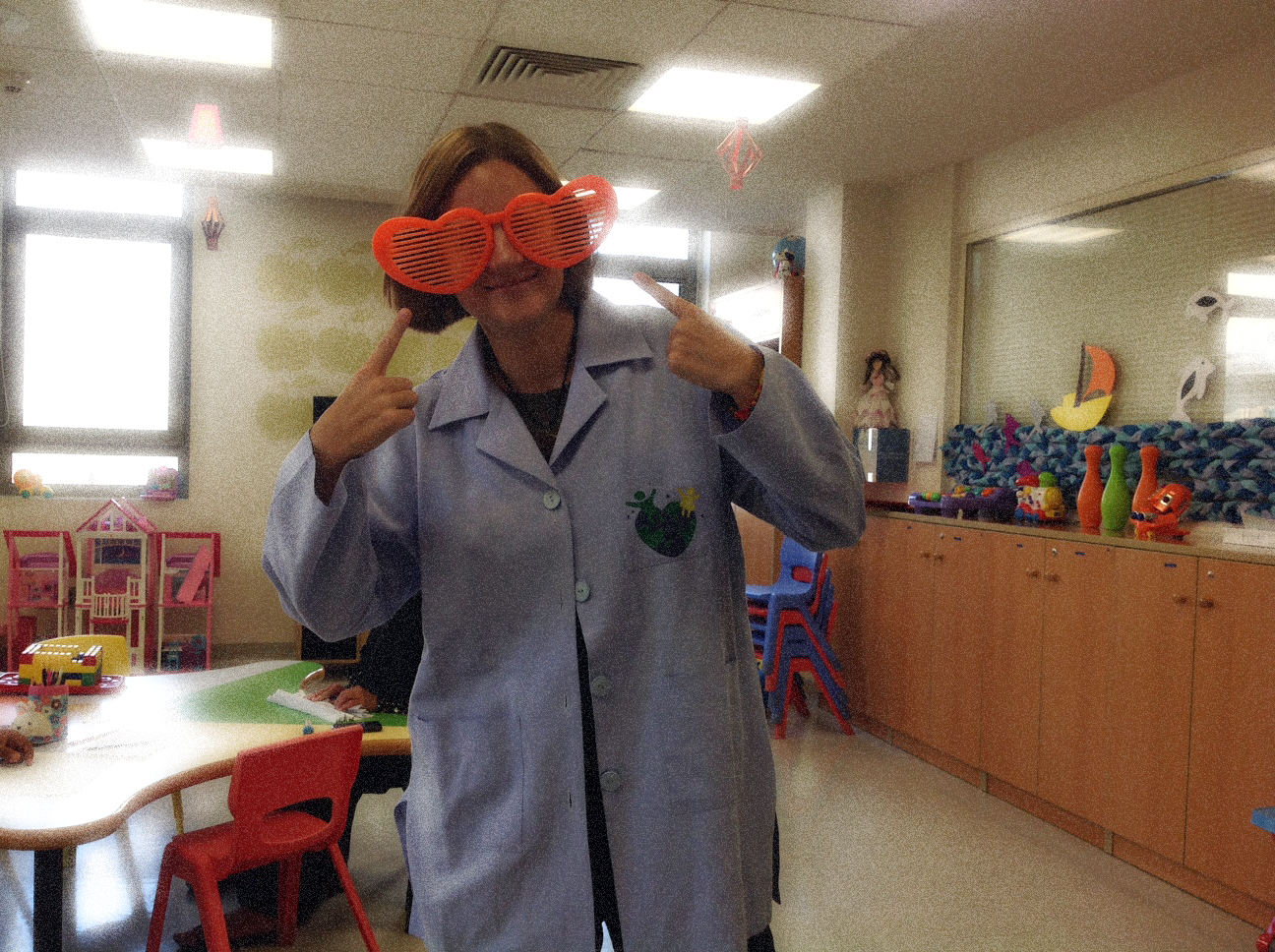
At St. Jude's...
Today at St. Jude’s in Beirut when I entered the playroom, I noticed a boy I hadn’t seen before playing on the computer. Though he was in a wheelchair with his back turned towards the door, I could tell his leg was extended in front of him in a long green cast. Next to him, his father was playing a video game on another computer. After I introduced myself, his father and I got to talking. Of course, one of my first question (in Arabic) was to ask where they are from, since families at St. Jude’s come from all over Lebanon.
“Syria,” he said. “Where are you from?”
“America,” I said.
There was no need to mention the elephant in the room, because in a cancer ward, the subject on everyone’s mind tends to be survival–in the face of extreme suffering, politics often seems like a luxury.
When I asked the names of his other children–who are still in Syria–he responded with names I had never heard before–and I had trouble repeating them. To me, they sounded Persian.
“No, they are Kurdish names,” he replied. No wonder his accent in Arabic had been so hard for me to place.
As his son, whose cancer had caused his leg to break on its own, played on the computer, we talked in Arabic about politics in Syria and the Kurds–a subject I knew little about, since it’s not being covered much in the news. As he explained to me how he had driven through a war zone to bring his son to the hospital for treatment in Beirut, I couldn’t imagine how he was staying sane with all of his compounded stress. Between the war, his son’s illness, relocating to another city for chemo, and contending with Beirut’s high cost of living, he seemed like he was barely holding it together–which is probably why he was grateful to talk.
“How do you say ‘how are you’ in Kurdish?” I asked. It took several tries for me to imitate the smooth sounds he patiently kept repeating–and my attempts at speaking baby Kurdish made him chuckle.
Before I knew it, I was getting intensive introductory Kurdish lessons in the playroom. I had a good reason for wanting to learn a few phases, beyond just being a linguist. My favorite phrase was the expression used to say “I’m very good”–Gilgy bosh (at least, that’s how it sounded–not sure how it’s spelled). When I had memorized a few phrases, after much repetition, I was finally able to walk over to his son, and ask him in Kurdish how he was doing–which is the reason why I had wanted to learn a little Kurdish.
“How are you?” I said in Kurdish–triggering the son’s first smile of the afternoon.
“Gilgy bash,” he said, giggling and shaking his head at this strange foreigner–trying her best to speak in his native tongue, in hopes of eliciting a sweet and spontaneous smile…
Posted in Blog
Comments Off on Language Learning at St. Jude’s…
Sunset in Beirut…
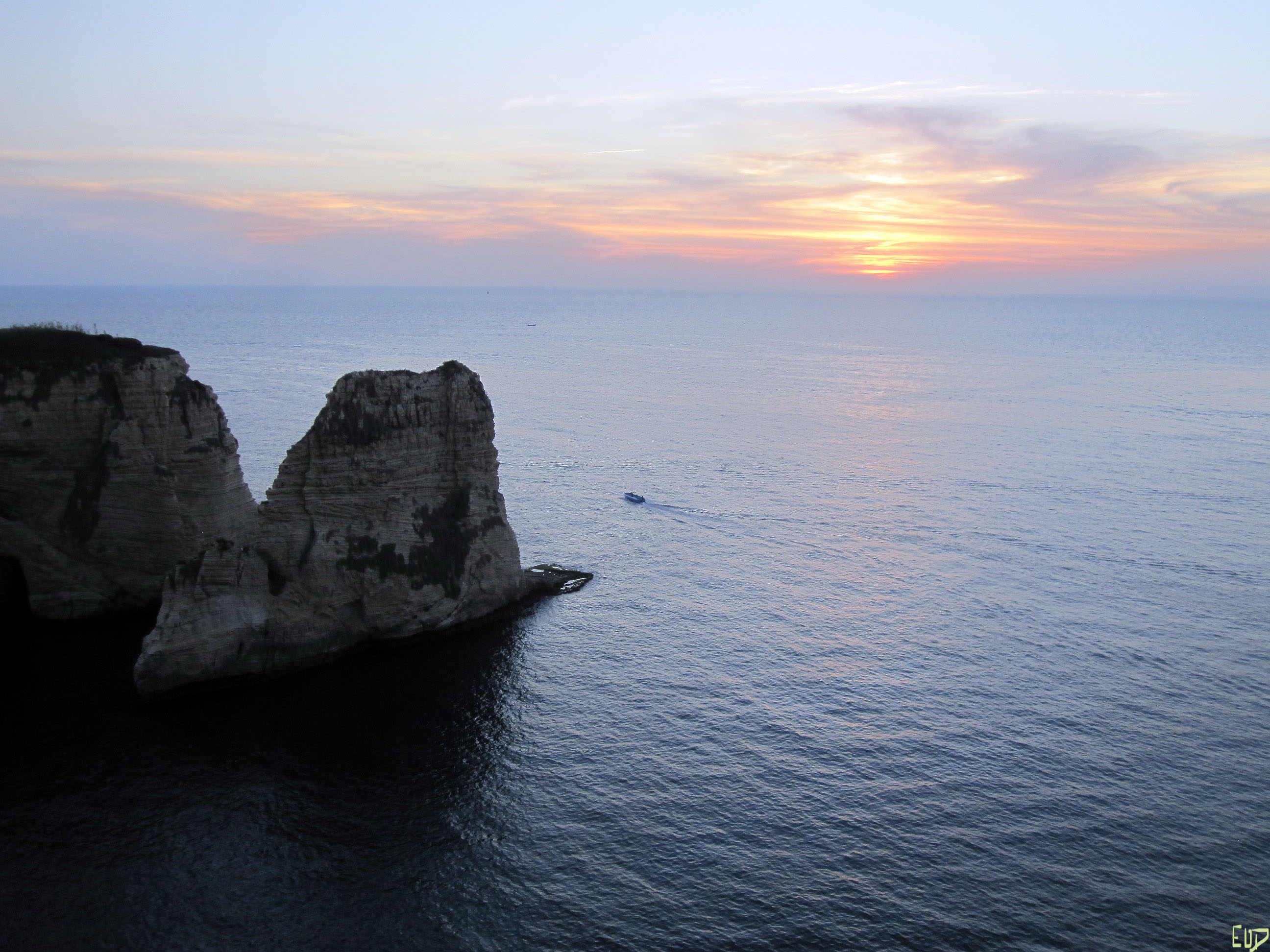
Photo by Emily O'Dell
Show me the way to the Ocean!
Break these half-measures,
these snall containers.
All this fantasy and grief.
Let my house be drowned in the wave
that rose last night out of the courtyard
hidden in the center of my chest.
— Rumi
“Why aren’t you at the beach?” my colleague said on Friday, as I was running in the opposite direction to get my computer fixed.
“I’m coming, I’m coming,” I said–taking care of some business, before heading off to the sea.
You know it’s a healthy work environment when the question asked is “why aren’t you at the beach”–instead of “why aren’t you in your office?” It’s more fun to compare turtle tallies, than play petty power games–especially with such low stakes. Good work tends to flow from being relaxed–and in Beirut, swimming in the sea is a great way to do that…
Last night, when I was taking my daily swim in the sea, everyone passing me in the water kept singing different versions of the same refrain.
“This is magical,” said one.
“Paradise–ecstasy!” said another.
With so many schools of fish whirling around their seafloor abodes, and the sunset putting on one of its best shows–I was torn between spending my time underwater, or floating on the sea’s smooth surface to watch the sky.
From a favorable current, the water was unusually clear. Each time I rose for a breath of air–traveling between the two worlds–the sounds of an old man on the Corniche plucking the soulful strings of his oud–serenaded my steady strokes towards the sun. What a surprise it was then when I turned around and saw the rising of the fluorescent moon. Just as the lifeguard was about to blow his whistle to call us back to shore, the evening call to prayer began emanating from the minaret on the mosque down the street…with such beauty before us in all directions, it was only natural to feel so complete…
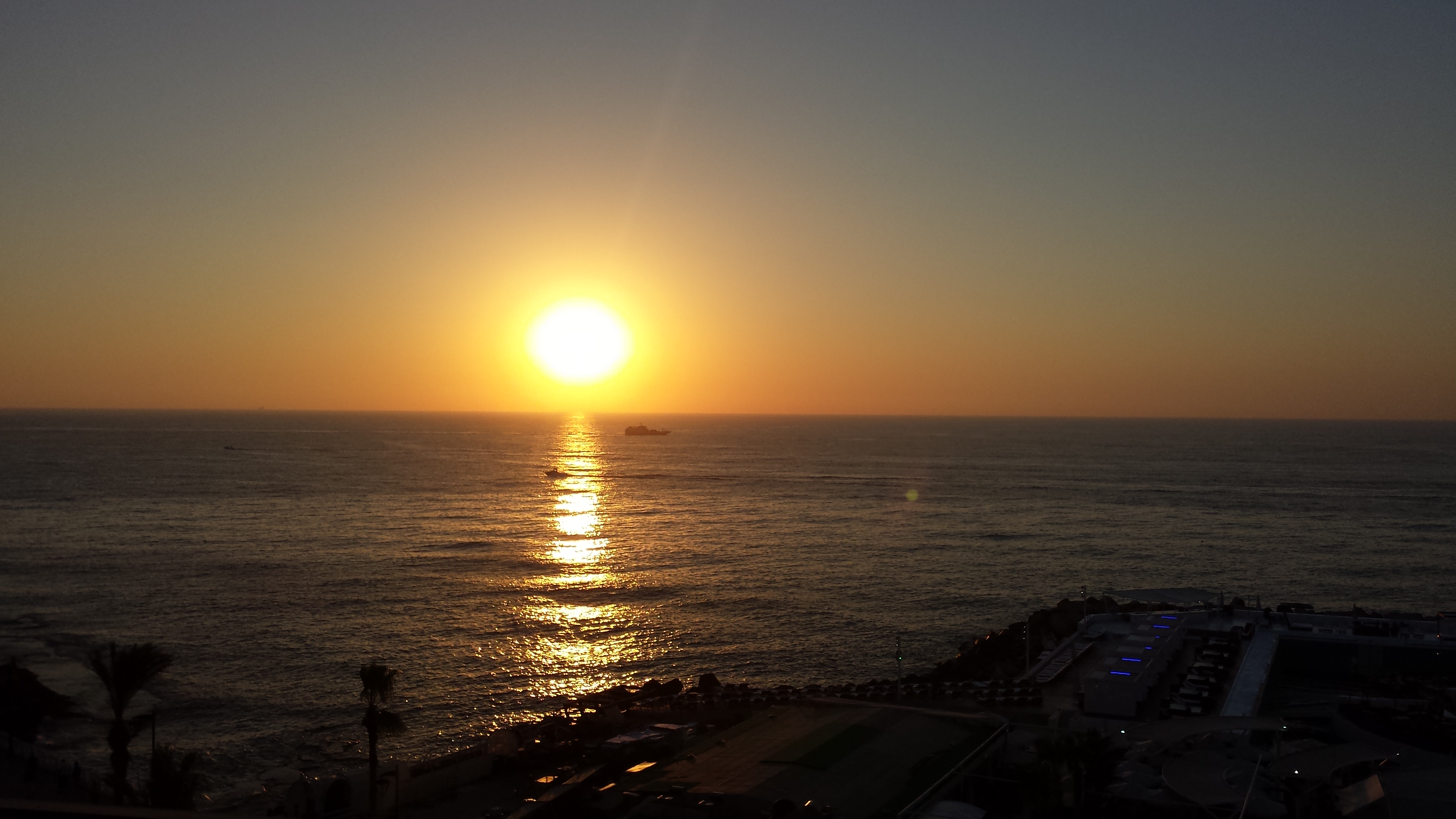
Photo by Robert O'Dell
Posted in Blog
Comments Off on Sunset in Beirut…
Beach Volleyball in Beirut…
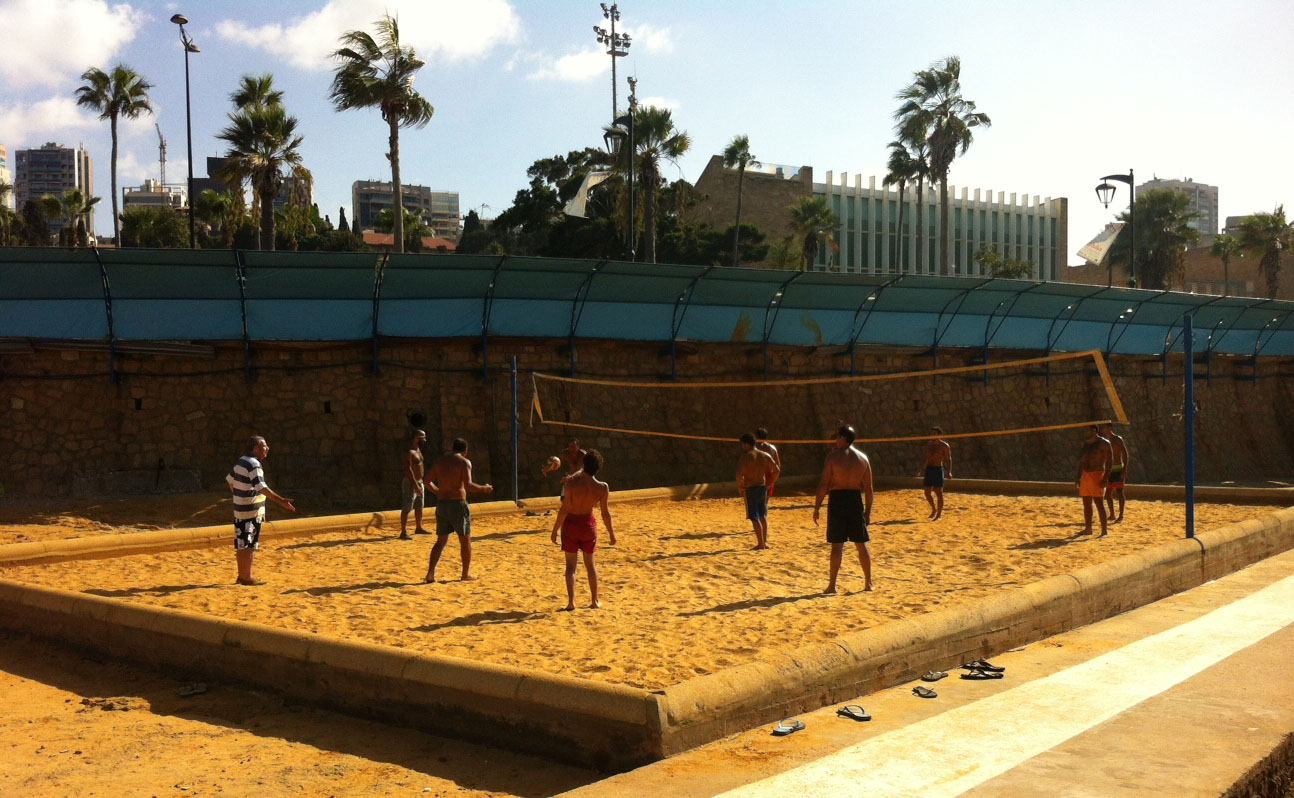
Today in Beirut, the beach volleyball fun lasted all day...
Love boils the oceans like boiling pots.
Love pulverizes the mountains like grinding sands…
— Rumi
Posted in Blog
Comments Off on Beach Volleyball in Beirut…
Tombstone Hats…
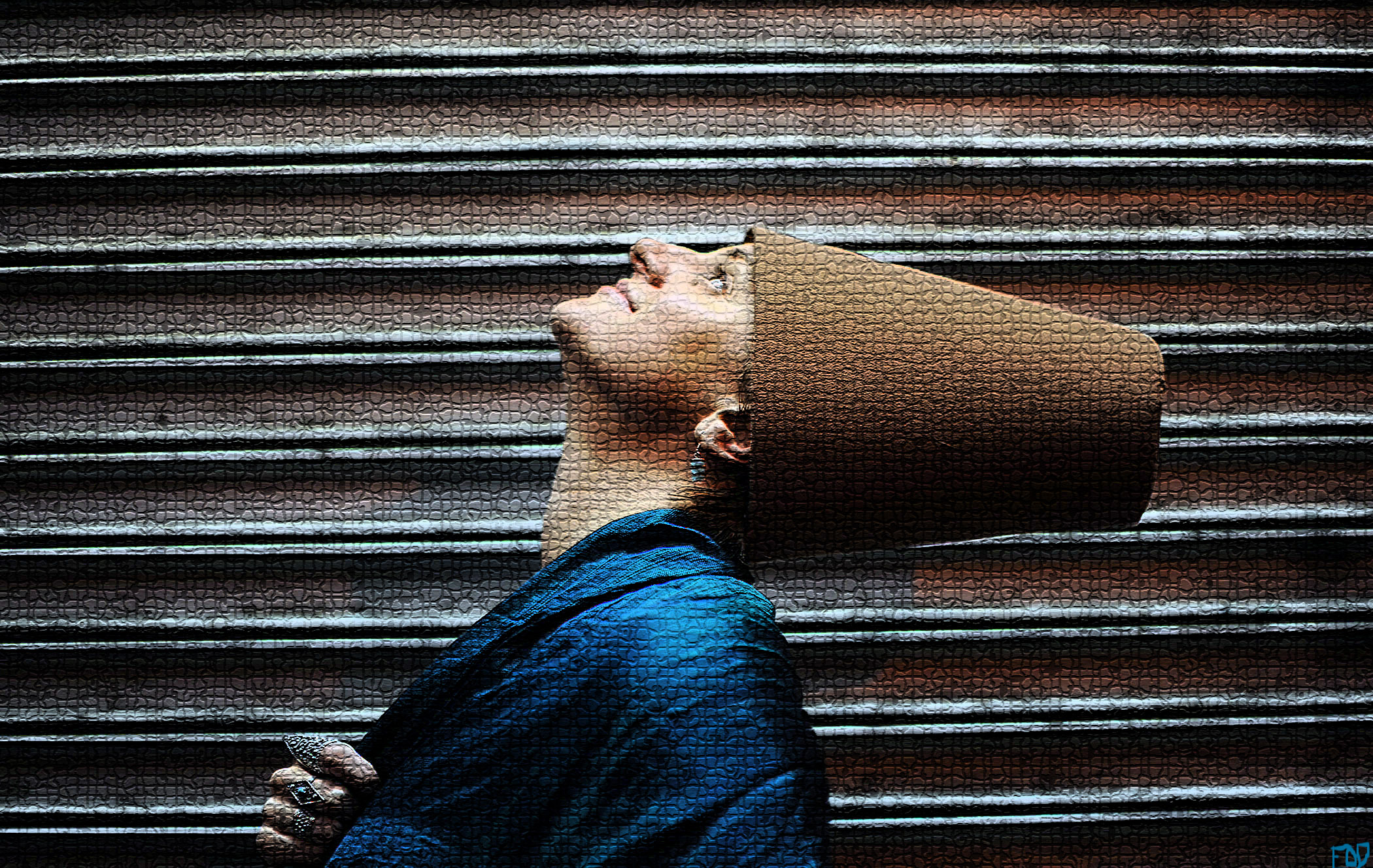
Midnight stroll through Harlem (Photo by Eddie Chu)
A fire has risen above my tombstone hat.
I don’t want learning, or dignity,
or respectability.
I want this music and this dawn,
and the warmth of your cheek against mine.
The grief-armies assemble,
but I’m not going with them…
— Rumi
Posted in Blog
Comments Off on Tombstone Hats…
Intergalactic Akkadian…

You may have heard that the Voyager spacecraft, launched into space in 1977, just entered interstellar space–the first man-made object to do so.
On board the spacecraft, now traveling 11 billion miles from earth, is a time capsule of sorts–a phonograph record (a 12-inch gold-plated copper disk containing sounds and images intended to represent the diversity of life and culture on Earth). The sounds on the record were chosen by a committee at NASA headed by Carl Sagan. In addition to nature sounds, languages, and music from around the world, the record also contains spoken greetings in different languages–beginning with Sumerian and Akkadian (languages spoken in ancient Iraq about five thousand years ago). It still remains to be seen if interstellar space has any kebab(u)…
When Carl Sagan put this project together at Cornell, my father, a
professor of ancient Near Eastern Studies at Cornell, was about my
age. I was 7 years old at the time, about the age of my children now –
playing with Carl’s son Nick in my back yard. My father’s voice was
the first greeting recorded on the Voyager message. It was a greeting
from the people of planet earth, spoken by him in Sumerian and
Akkadian, two of the earliest written languages, and his is the first
voice of mankind to leave the solar system on the Voyager 1 today…
— Joshua Owen, an associate professor of industrial design at The
Rochester Institute of Technology, is the son of David I. Owen of
Cornell University
Posted in Blog
Comments Off on Intergalactic Akkadian…
Homeland…
On Friday, I had the opportunity to attend the stimulating brown bag discussion posted below about how “America goes to war.” The discussion was informed, of course, by the threats, discussions, and negotiations of the past two weeks with regard to Syria.
Some of the questions discussed were: How did the United States become the “voice” of the international community? Do Americans oppose military intervention in Syria because of the economy and their own self-interest, or is there a re-evaluation happening regarding the principles and benefits of peace? What is the relationship between American involvement in Libya, and the lack of support for a military intervention in Syria? Can another war be sold on “moral and humanitarian” grounds, after what we have witnessed in Iraq and Afghanistan? How has the idea of the “homeland” grown to include the whole world?
|
The Center for American Studies and Research (CASAR) How Does America Go to War? “America and the International Community,” Dr. Vijay Prashad, Edward Said Chair of American Studies, CASAR “Securing the ‘Homeland,” “What Happens When the Majority of Americans Oppose a War?,” This is the first of a series of open discussions regarding the nature, projection, and limits of America in the world. Presentations will be brief and intended to generate discussion with audience members. We welcome suggestions from faculty across AUB who would like to participate in a future CASAR brown bag event. |
Posted in Blog
Comments Off on Homeland…
Syria at Night…
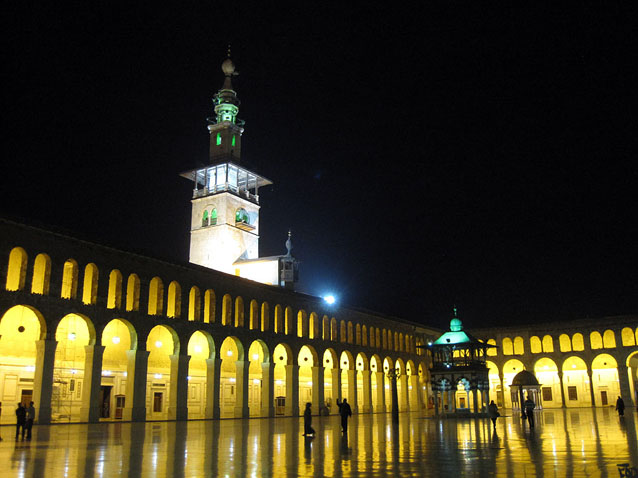
The Umayyad Mosque in Damascus (Photo by Emily O'Dell)
the night is generous
it can give you
a gift of the full moon
it can bless your soul
with endless treasure
every night when you feel
the world is unjust
never ending grace
descends from the sky
to soothe your soul…
— Rumi
Posted in Blog
Comments Off on Syria at Night…
A Special Syrian Shrine…
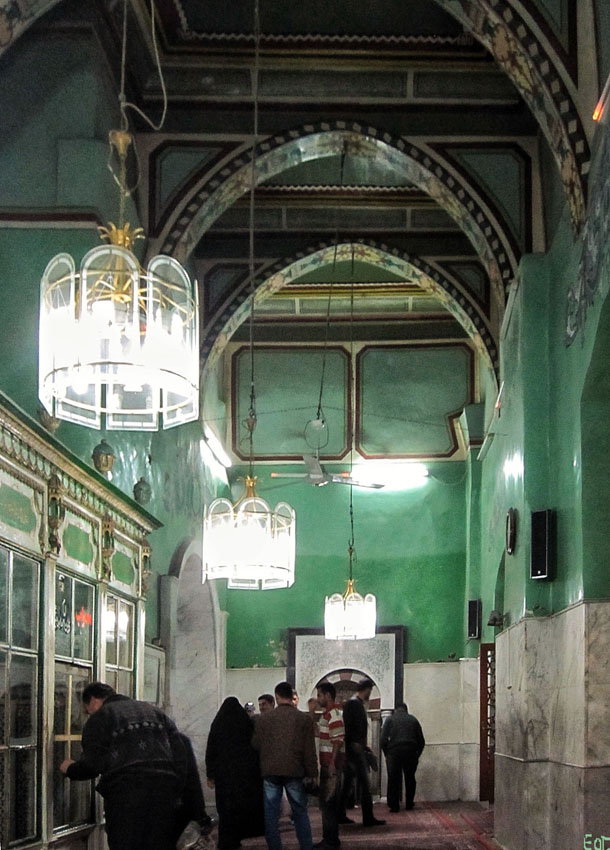
The Shrine of Imam Hussein in Damascus (Photo by Emily O'Dell)
Don’t you know that the Day of Ashura is a day of mourning for a single soul
that is more excellent than an entire generation?
How should this tragedy be lightly esteemed by the true believer?
Love for the ear-ring is in proportion to love for the ear.
In the true believer’s view the mourning for that pure spirit
is more celebrated than a hundred floods of Noah…
— Rumi
Posted in Blog
Comments Off on A Special Syrian Shrine…