 Emily’s Blog
- Sunset Beach Tai Chi July 22, 2024
- Coffee with Abu… July 22, 2024
- Rumi Latte in Beverly Hills July 22, 2024
- Judging a Burmese TedTalk July 22, 2024
- Mystical Tajik Cafe in Beverly Hills July 21, 2024
- Hollywood: Brown Film Festival July 21, 2024
- New Play Premiere in Burma July 21, 2024
- Bhutan Meets Malibu & Mulholland July 21, 2024
- Tricycle Bliss July 21, 2024
- Kung Fu Panda July 21, 2024
Category Archives: Blog
Happy World Peace Day: Thinking of Saadi…
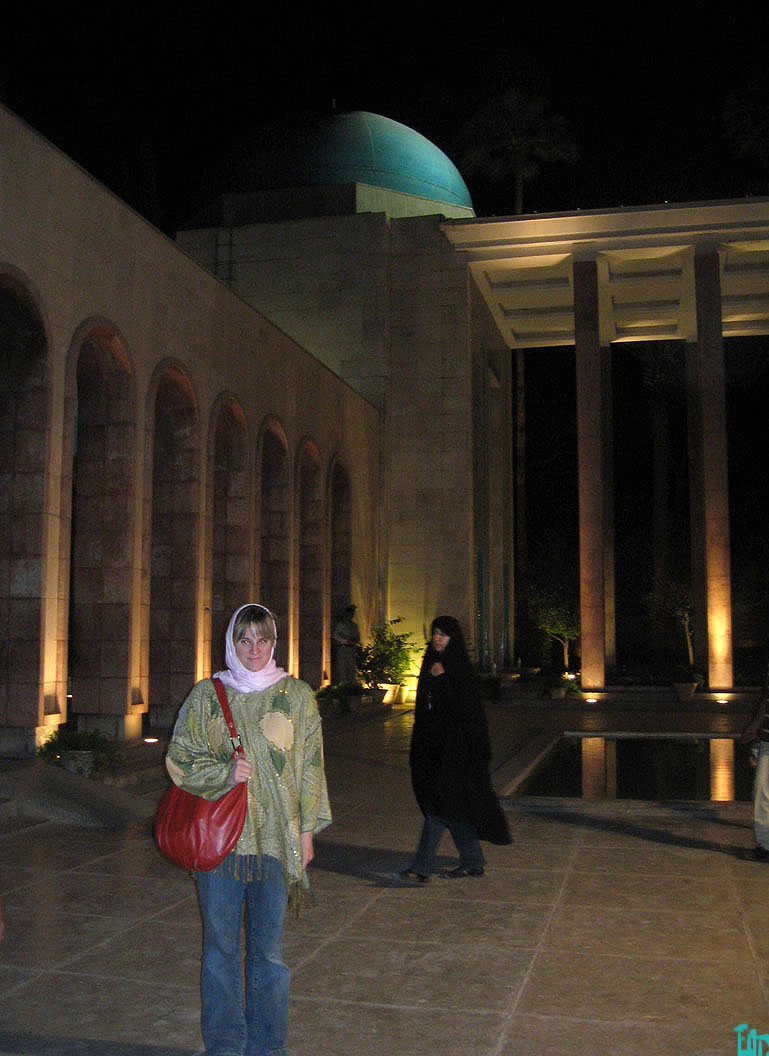
Visiting the tomb of the Sufi poet Saadi in Shiraz, Iran
Human beings are members of a whole,
In creation of one essence and soul.
If one member is afflicted with pain,
Other members uneasy will remain.
If you’ve no sympathy for human pain,
The name of human you cannot retain!
— Saadi
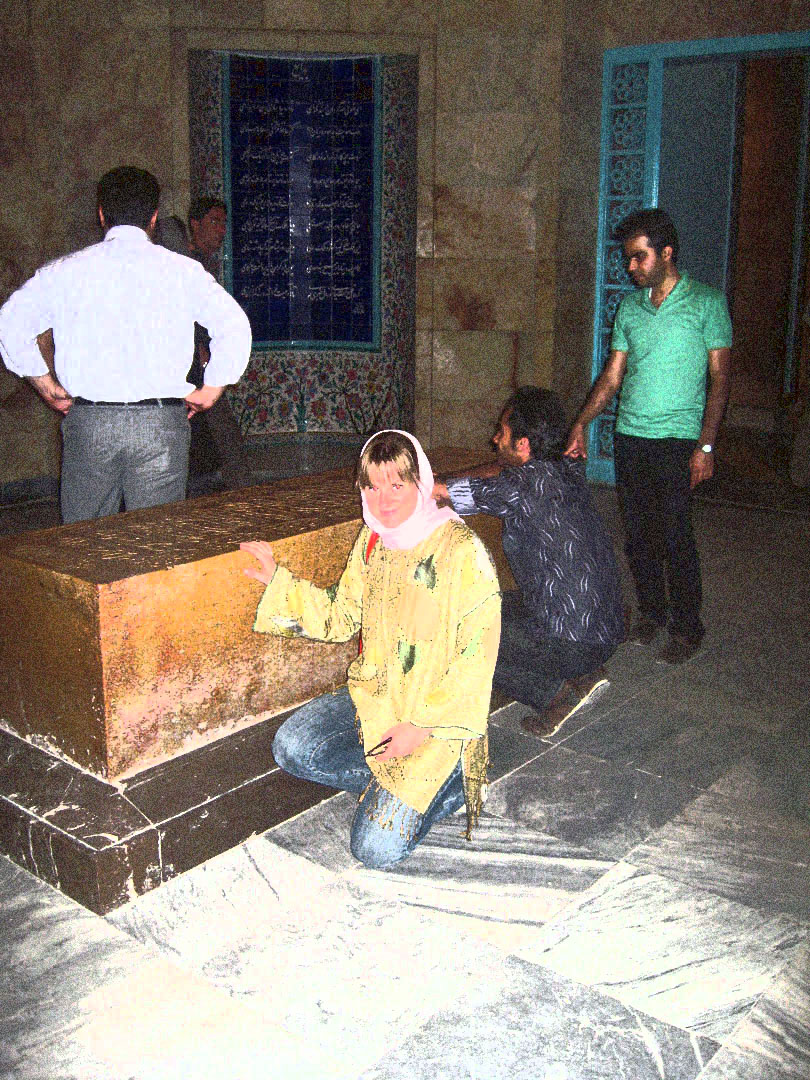
Inside the shrine of Saadi in Iran...
The poem above was written by the Persian Sufi poet Saadi (d. 1291)–the first Persian poet to be translated into English. The poem is displayed in the Hall of the United Nations in New York, and when President Obama sent a Persian New Year’s greeting to the people of Iran in 2009, he said “But let us remember the words that were written by the poet Saadi, so many years ago: The children of Adam are limbs to each other, having been created of one essence.”
Saadi, like many Sufis of his time, spent a significant amount of time traveling throughout the Middle East and Central Asia–including Syria. Though I’ve spent the past decade trying to follow in his footsteps, he’s got me beat by several decades of wandering–since his far flung journeys lasted thirty years. When I arrived at his tomb in the garden paradise city of Shiraz in Iran, I paid my respects by kneeling at his side–just as the Iranians visiting his tomb that night had showed me to do.
In the days of Saadi and Rumi, many dervishes didn’t exactly “choose” to wander–the Mongol invasions pushed waves of people, including Sufis, far away from their homes. Between the attacks of the Crusaders and Mongols, it was a time of extreme upheaval and chaos, with many displaced for decades–wandering for years to escape the unstable conditions which followed in the wake of so many Mongol sacks.
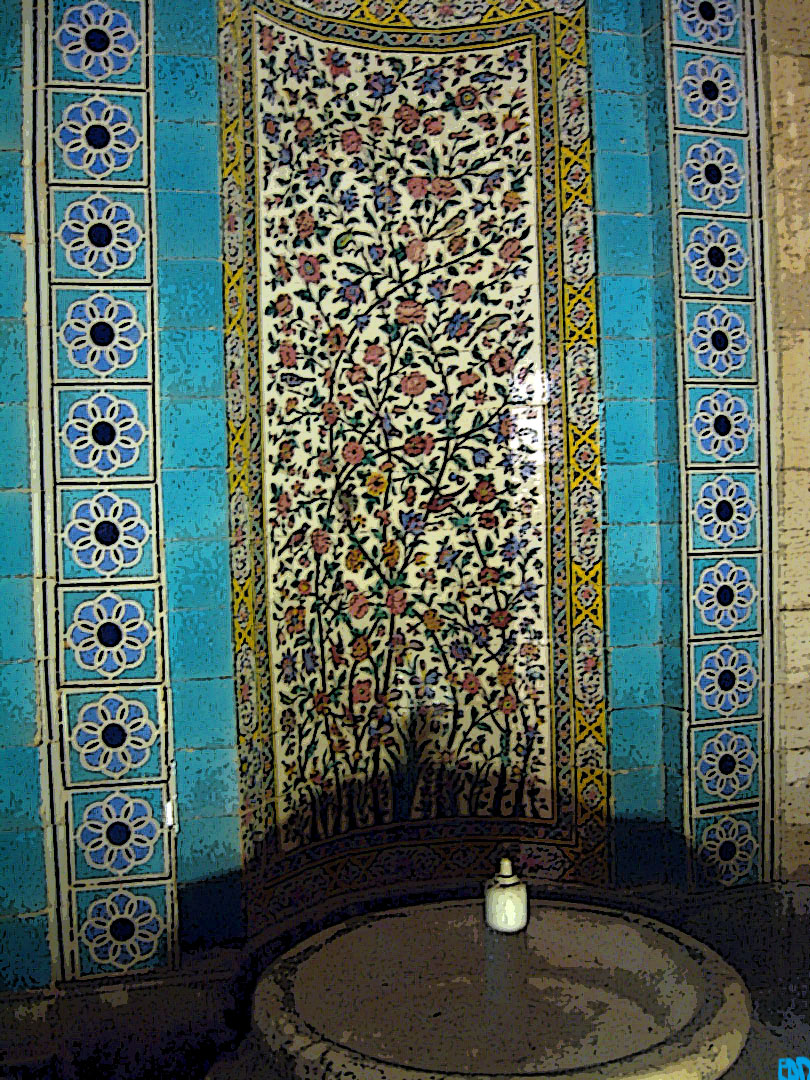
Decoration in Saadi's Shrine (Photo: Emily O'Dell)
Today, people from all over the world are celebrating International Peace Day. Russia is celebrating with a 24 hour charity broadcast, and in Turkey there are already thousands of people taking to the streets of Istanbul to march for peace. The world, as in the time of Saadi and Rumi, is still plagued with extraordinary amounts of violence on all levels–from the war machines fueling geopolitical conflicts to the passive aggressive exchanges of every day life. But today–for these 24 hours–millions around the world are thinking of peace–whether it’s just by reading a tweet about it, or by taking part in one of today’s demonstrations. Wouldn’t it be great, if every day was International Peace Day? Or, if no day was–because peace was all there is?
For International Peace Day here in Beirut, the UN is sponsoring the first online demonstration for peace from Beirut to the world–to encourage peaceful co-existence and understanding. To join in the online demonstration today and discuss peace with participants in Beirut, please visit Demonstrate for Peace. It’s amazing to think that sharing a moment of peace with a stranger from the other side of the world is just a click away…
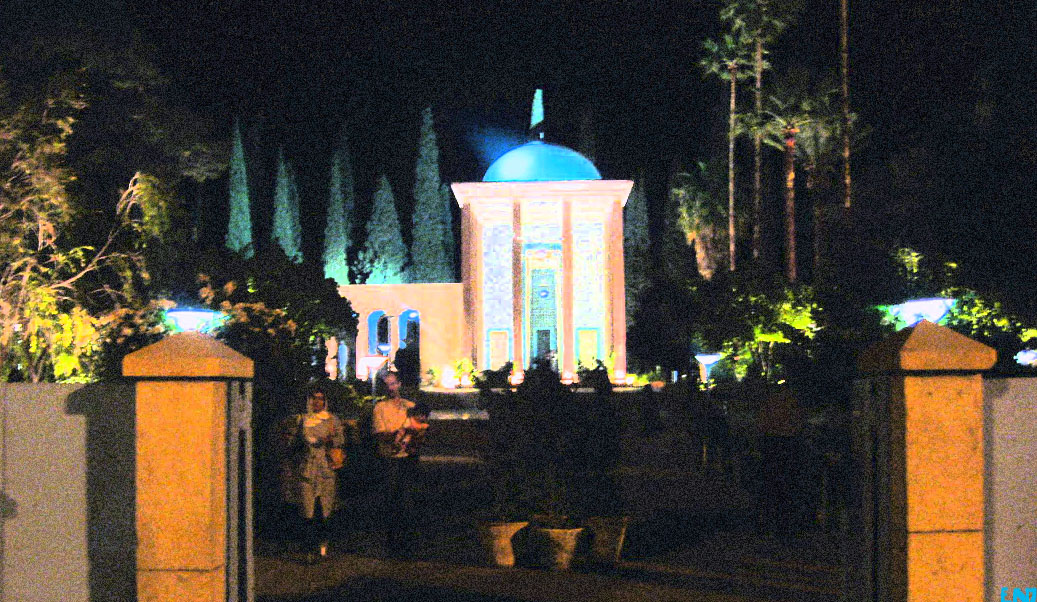
Tomb of Saadi in Shiraz (Photo: Emily O'Dell)
Posted in Blog
Comments Off on Happy World Peace Day: Thinking of Saadi…
Blue Perfection…
Photo by Emily O'Dell
How will you know the difficulties of being human,
if you’re always flying off to blue perfection?
Where will you plant your grief-seeds?
We need ground to scrape and hoe,
not the sky of unspecified desire.
— Rumi
Posted in Blog
Comments Off on Blue Perfection…
Postcard from Lebanon…
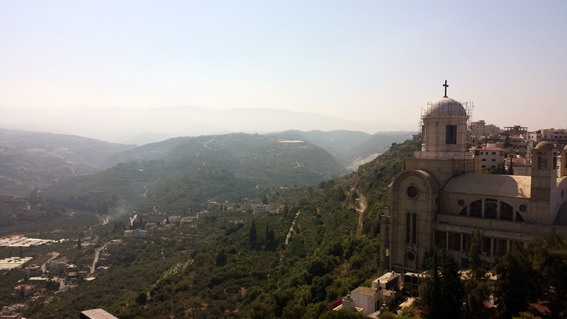
One of the many churches in Lebanon (Photo: Robert O'Dell)
I love you when you bow in your mosque, kneel in your temple, pray in your church.
For you and I are sons of one religion, and it is the spirit.
― Kahlil Gibran
Posted in Blog
Comments Off on Postcard from Lebanon…
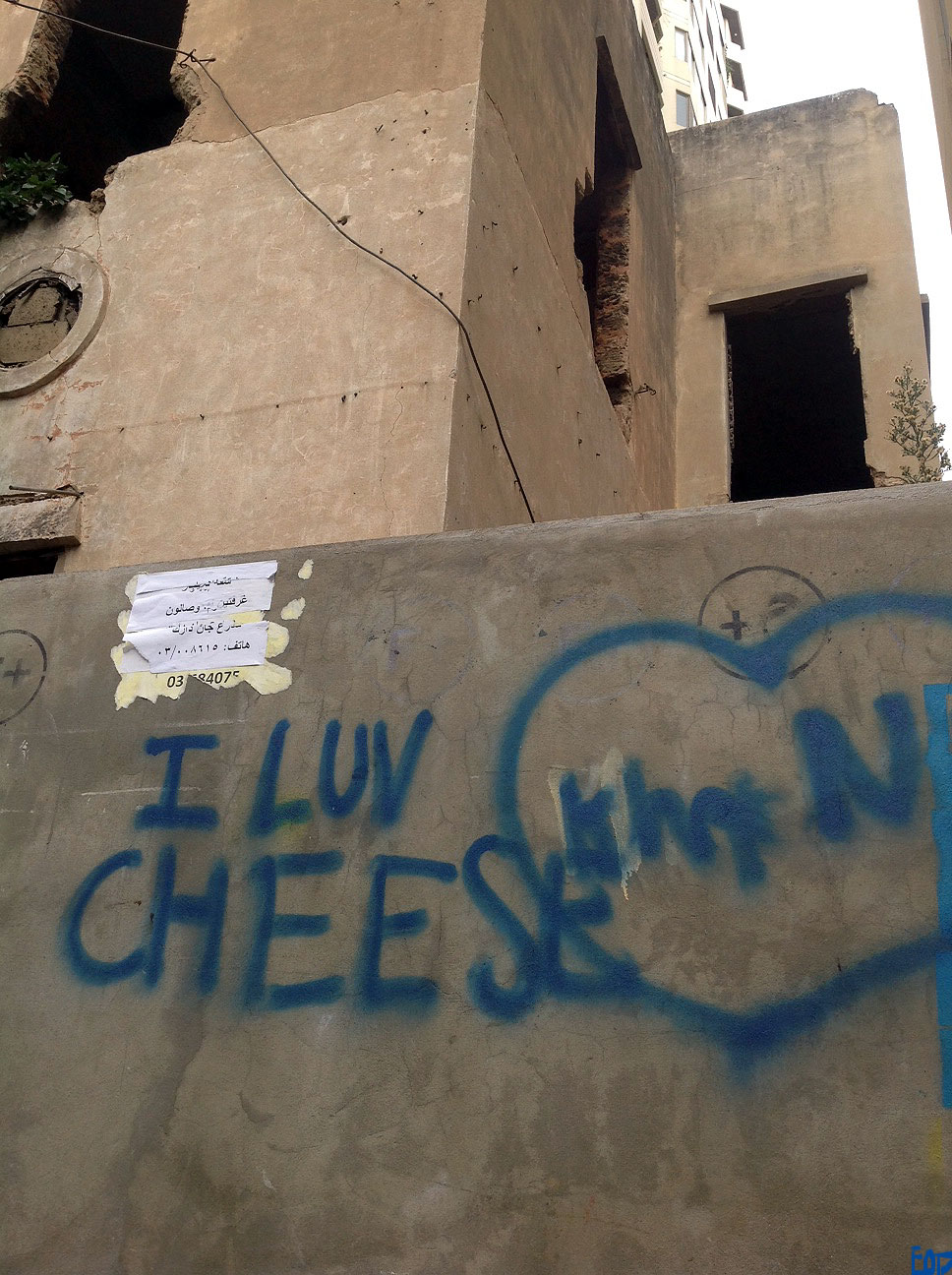
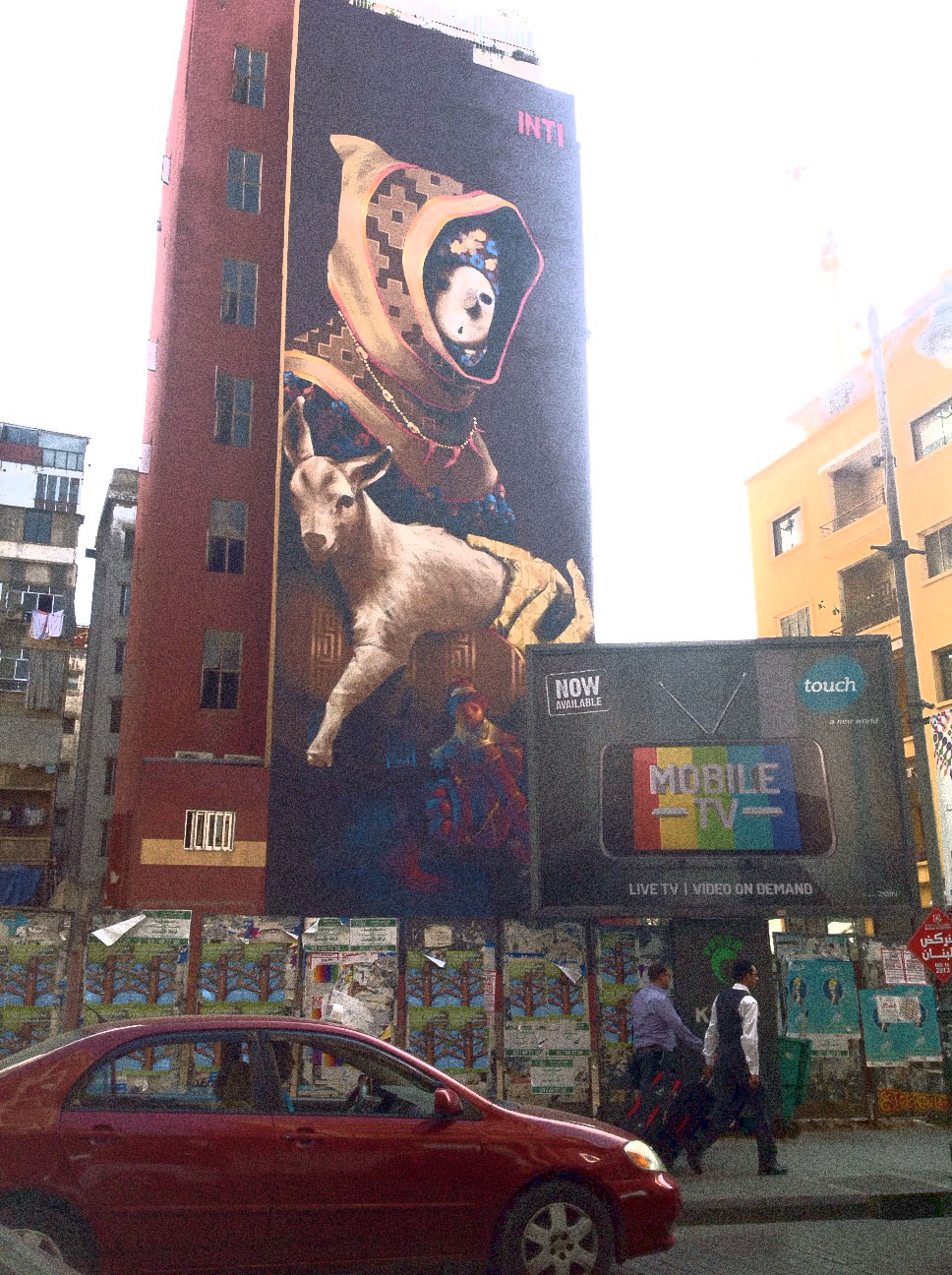
Beirut Graffiti…
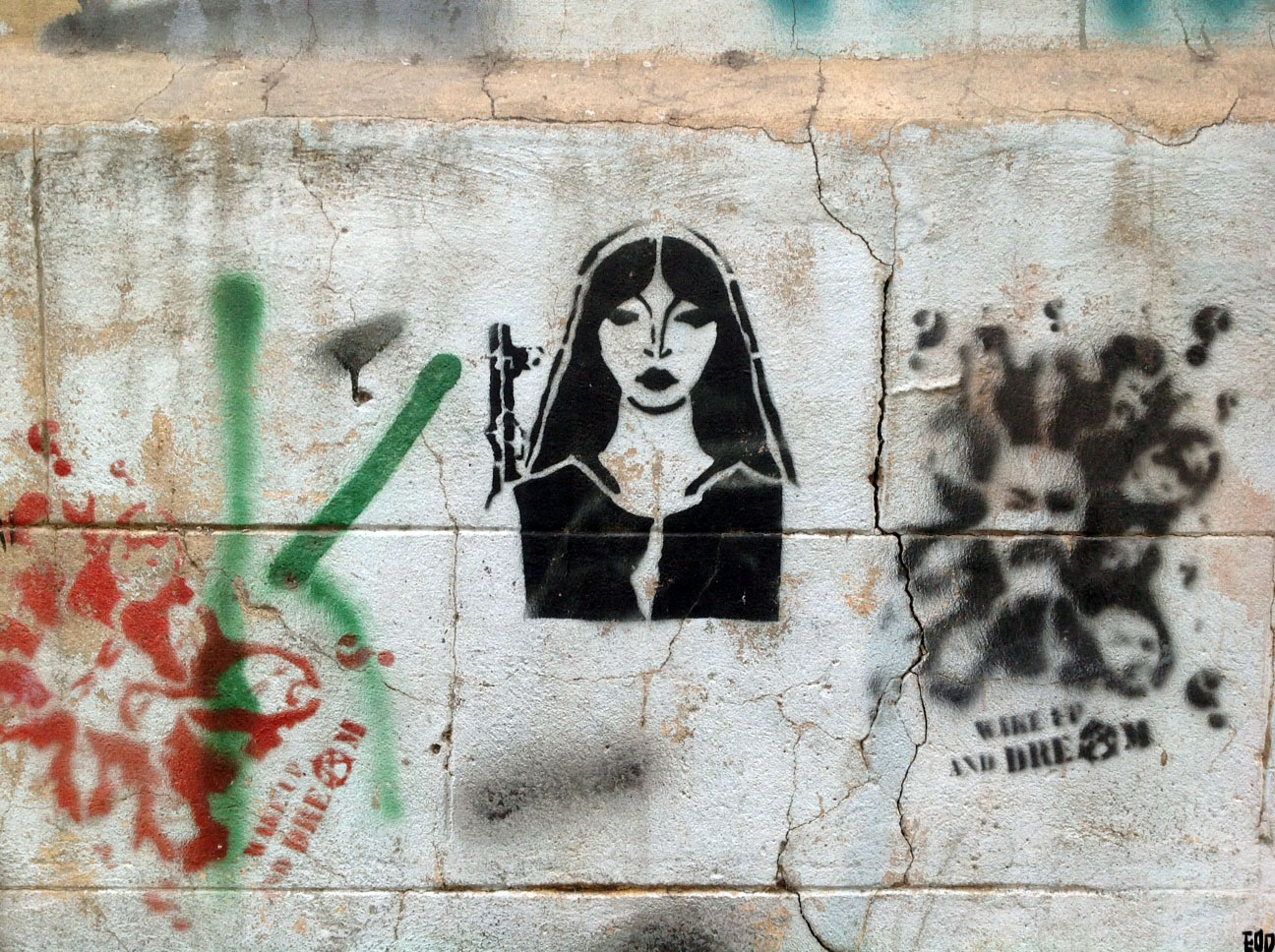
Wake Up and Dream (Photo: Emily O'Dell)
Posted in Blog
Comments Off on Beirut Graffiti…
Eyes on Iceland…
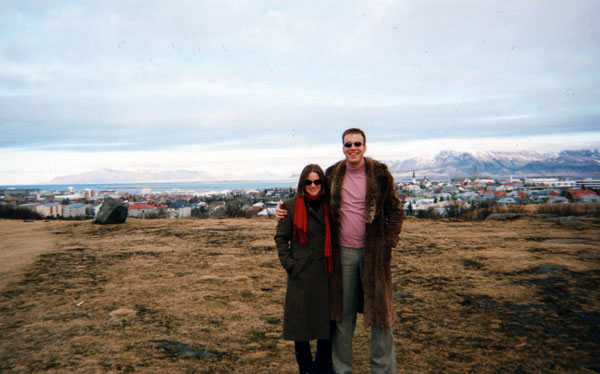
Exploring Iceland... (Photo: Emily O'Dell)
By sun and moon
I journeyed west,
My sea-borne tune
From Odin’s breast,
My song-ship packed
With poet’s art:
Its word-keel cracked
The frozen heart.
— Egil’s Saga
Today, the NYTimes has a travel article devoted to Iceland–36 Hours in Reykjavik. Though I’m usually drawn to warm places, exploring Iceland’s fantastic fjords, roaring waterfalls, and cutting-edge fashion scene proved to be just as much fun as any of my other adventures. Watching the cosmic dance of the northern lights while soaking in the white clay waters of the Blue Lagoon is an experience I’ll never forget–in addition to having my Icelandic friends show me Bjork’s pool, and the rocks where they believe certain fairies live. About a five hour plane ride from New York, Iceland makes for the perfect trip from Boston or New York to get away for a few days, and–if it’s your fancy–eat some puffin and rotted shark meat, soak in healing geothermal waters, and explore the spouting geysers and many other marvels of its Scandinavian countryside…
Posted in Blog
Comments Off on Eyes on Iceland…
International Park(ing) Day: In Beirut
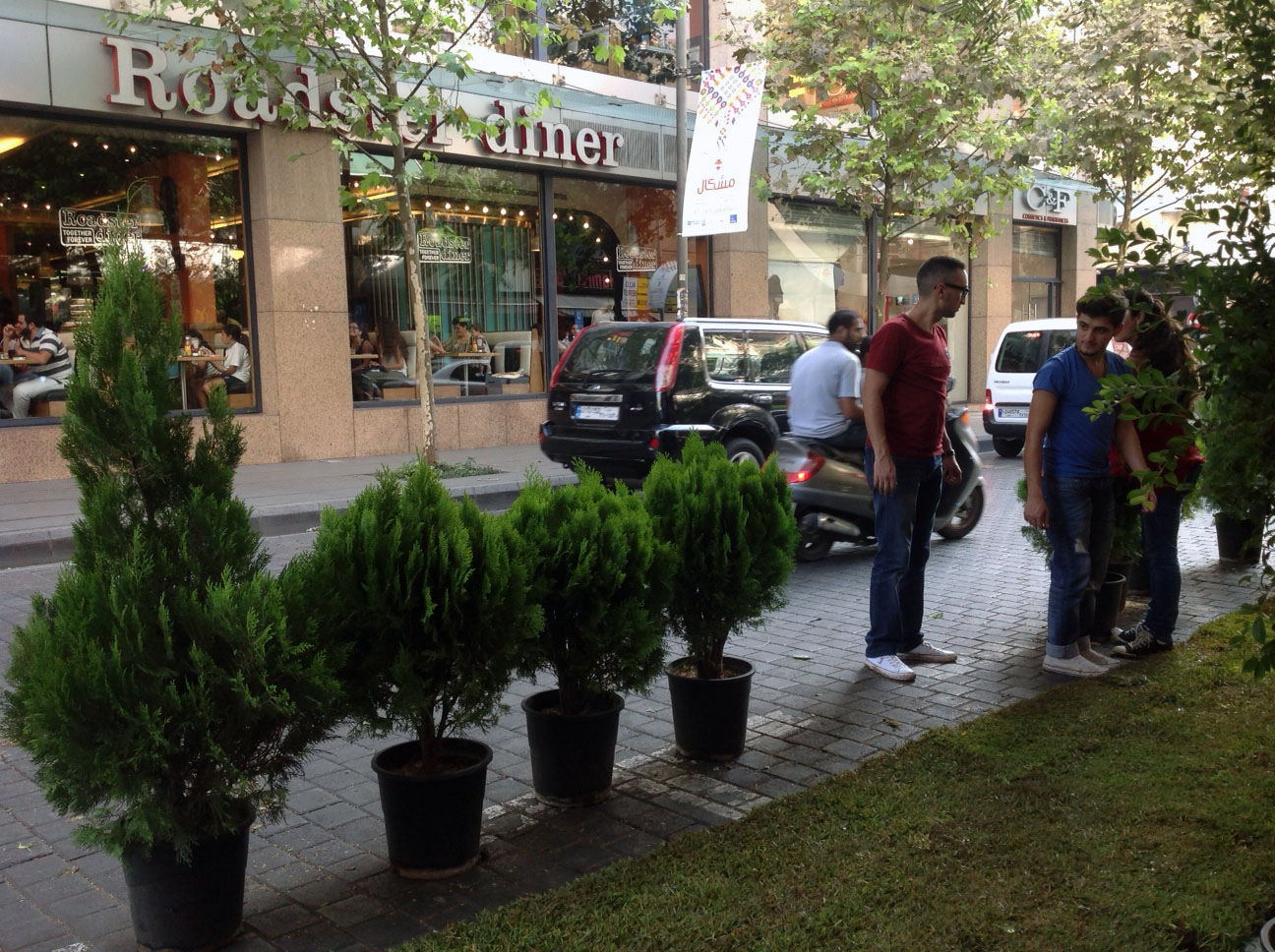
International Park(ing) Day in Beirut (Photo by Emily O'Dell)
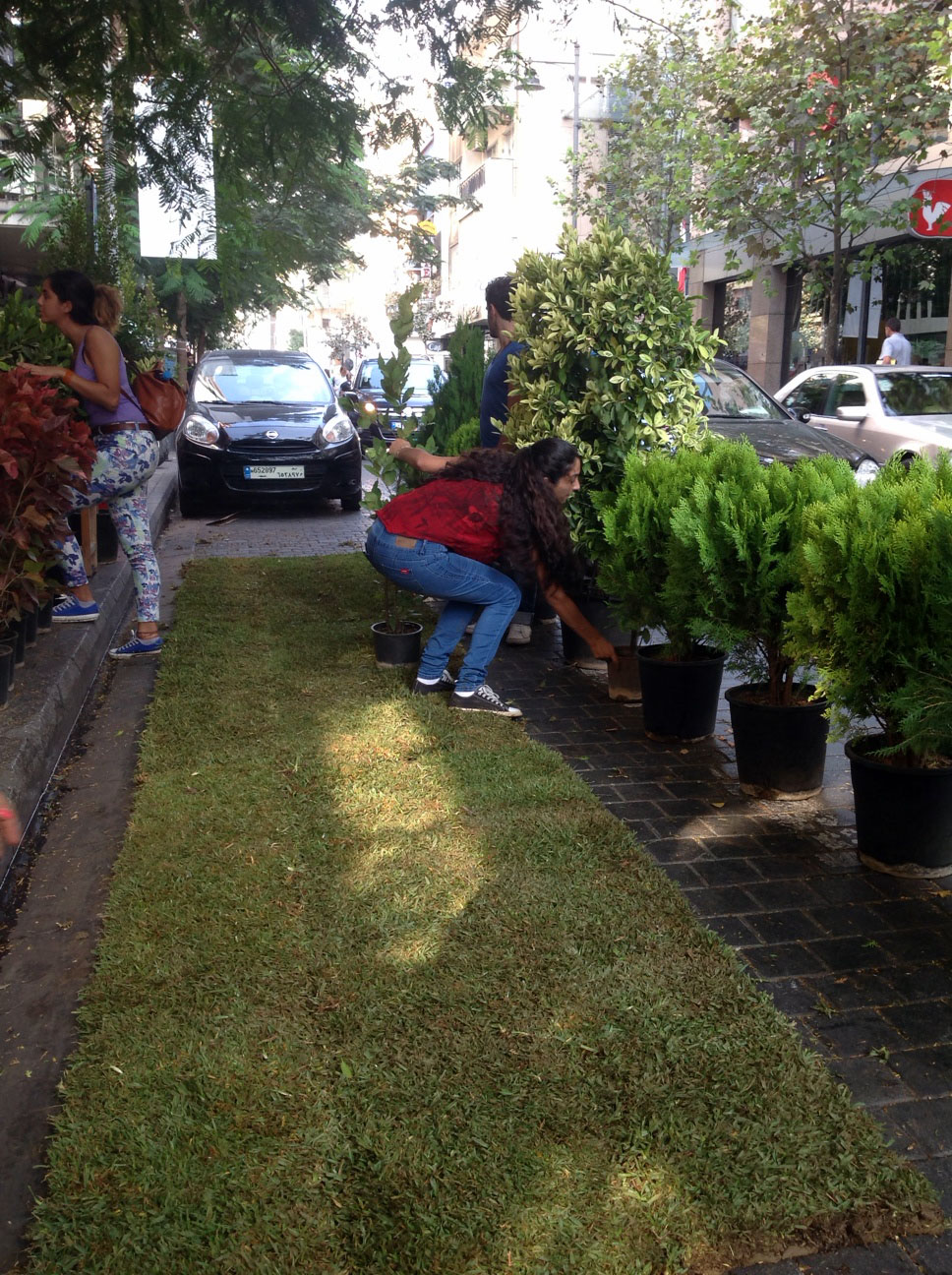 Today, I walked by a number of students setting turf, grass, and plants down in the parking spots of one of the busiest sections of Beirut. When I asked them what they were doing, they said they were aiming to turn as many parking spots as possible into mini-parks for International Park(ing) Day–a day devoted to artists, designers and citizens from around the world transforming metered parking spots into temporary public parks.
In the past, some participants have planted mini-urban farms for a day, opened a free bike repair shop, offered a mini free health clinic, and even hosted a wedding ceremony–all in the small confines of a parking space.
PARK(ing) Day is “intended to promote creativity, civic engagement, critical thinking, unscripted social interactions, generosity and play.” The students participating today in Beirut looked like they were having a great time creating their mini-green spaces, and it was a delightful surprise to see some grass being laid on the road on my walk home from work…
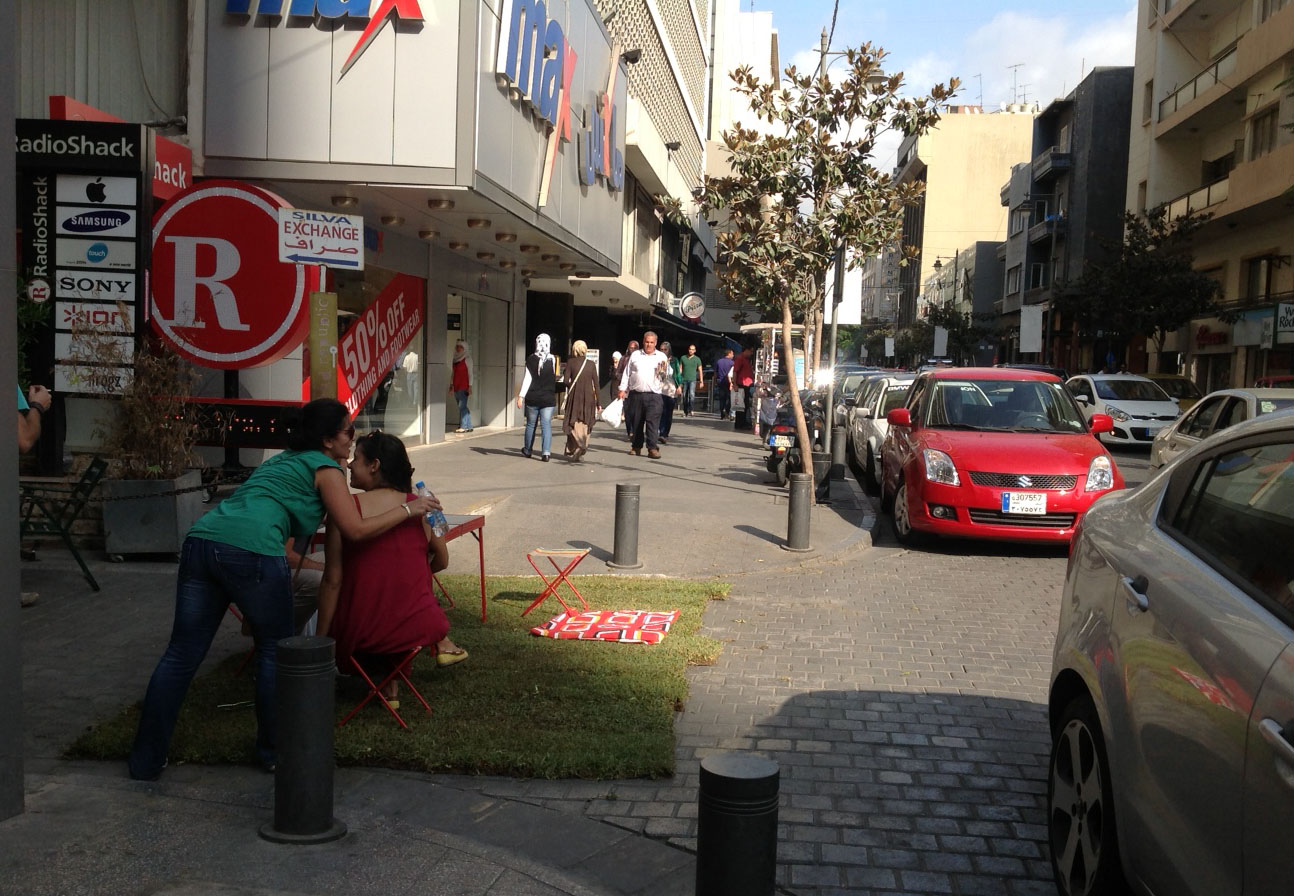
Grass Grows in Beirut (Photo by Emily O'Dell)
Posted in Blog
Comments Off on International Park(ing) Day: In Beirut
Finding Rumi in Afghanistan…
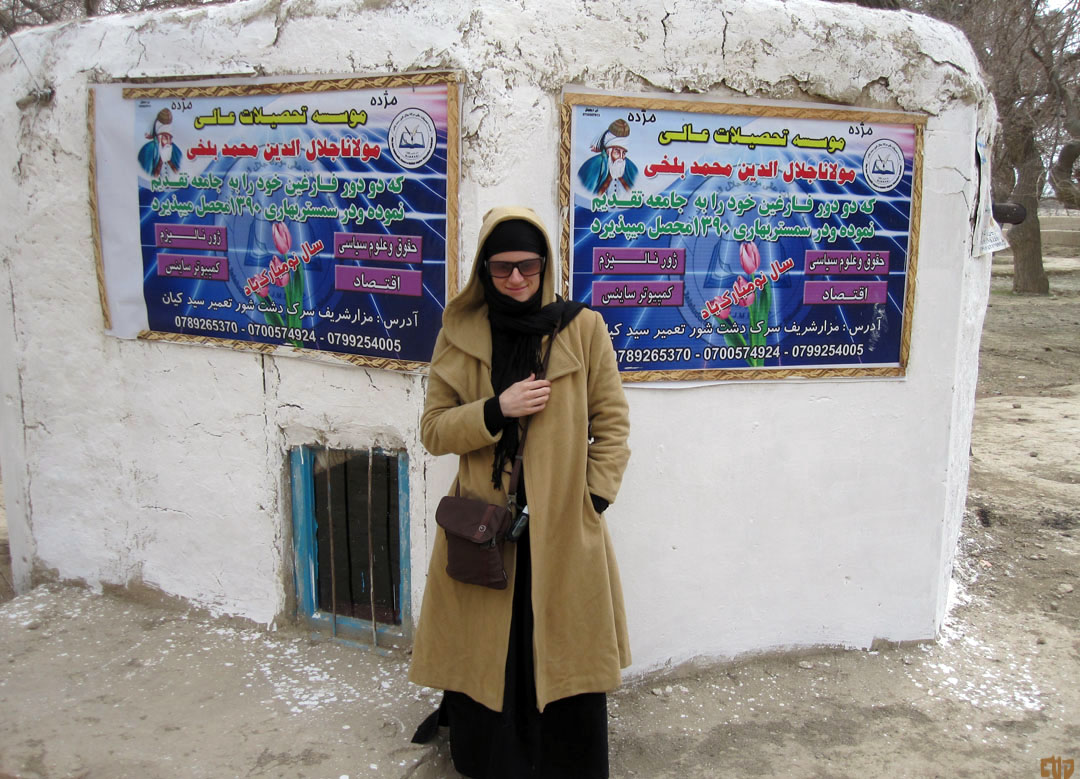
Emily O'Dell with Rumi posters in Afghanistan
Step aboard the ship and set sail,
like the soul going towards the soul’s Beloved.
Without hands or feet, travel toward Timelessness,
just as spirits flee from non-existence.
— Rumi
When I was traveling through Afghanistan, I found visual and poetic traces of Rumi in almost every direction–from Persian verses of his masterpiece being recited by children to bright posters stamped with his image stuck on mudbrick walls. On the poster above, Rumi’s name is given as Mevlana Jalaluddin Muhammad Balkhi–with “Balkhi” meaning the one from “Balkh” (where this photo was taken). Today, Rumi’s legacy is alive and well in even the most remote corners of Afghanistan…
I know that I belong to the city of those who have no place. But to find my way there I need to let go of my knowing.
— Rumi
Many Afghans believe that Rumi’s family lived in Balkh, Afghanistan before fleeing west to escape the wrath of the Mongols. Tajiks and others, however, contend that his family lived in what is now Vakhsh, Tajikistan–and since Rumi wrote in Persian, Iranians lay a great claim to him too. With his hallowed mausoleum resting in Konya, Turkey’s tangible connection to this mystic master brings tourists and seekers from far and wide to pay their respects. Everyone, it seems, wants a piece of Rumi’s legacy–and who can blame them? But for Rumi, there was no question to whom he belonged: “I belong to the beloved, and have seen the two worlds as one.”
Each moment, another spiritual seeker travels
lovedrunk and wasted to the purest of realms
to dissolve in the Beloved.
What is the soul? It is the wine vat of kings,
sheltering the wine of paradise.
Tasting it, we lose our “selves”–
and every utterance seems in vain…
— Rumi
Posted in Blog
Comments Off on Finding Rumi in Afghanistan…
Dancing Particles…
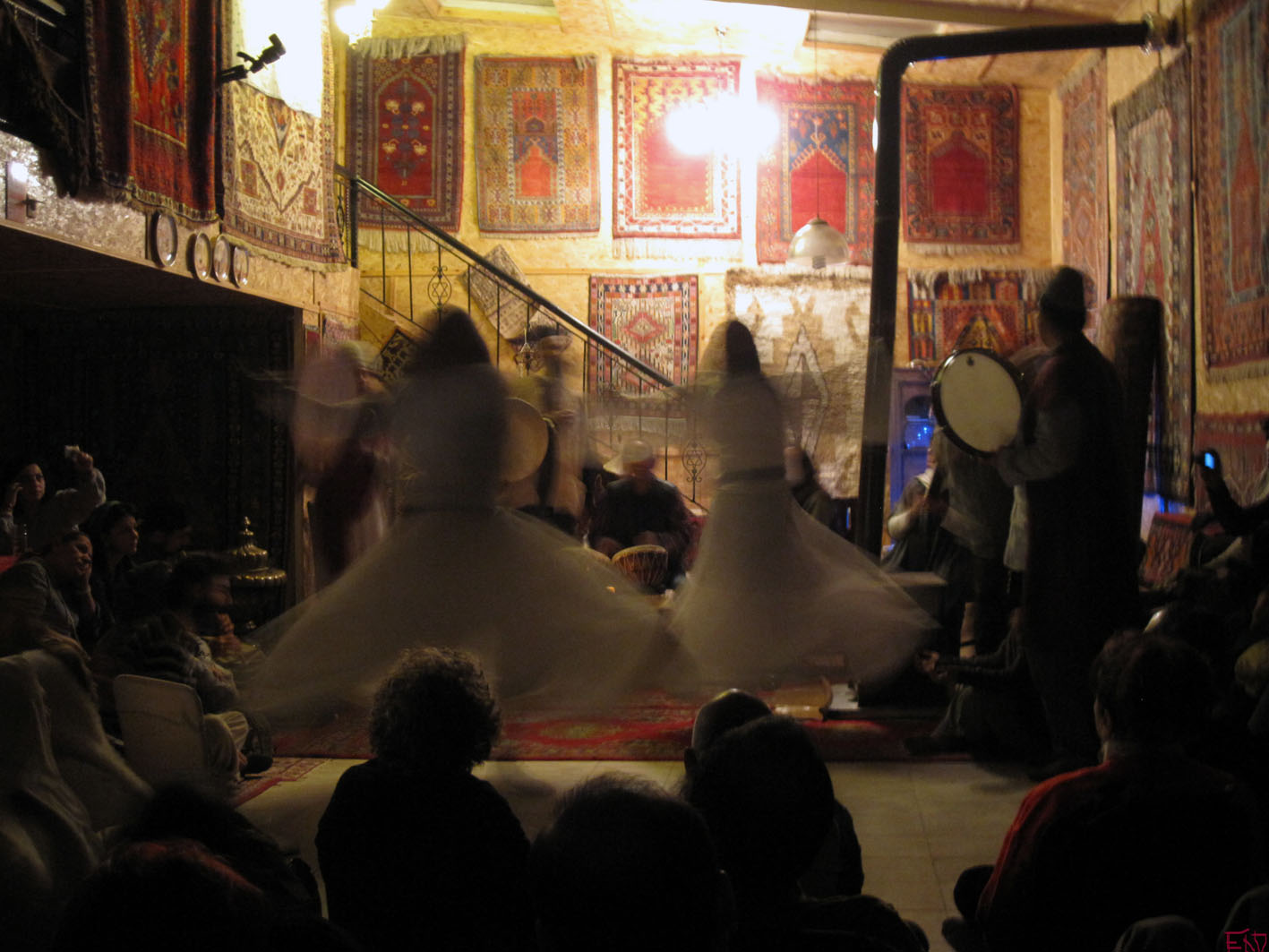
Photo by Emily O'Dell
I took this photograph on the eve of Rumi’s “Wedding Night” celebration in Konya, Turkey–just down the street from his mausoleum. For this intimate gathering, people from countries as far and wide as India, Iran, and Mexico came together to play music and whirl to usher in the anniversary of Rumi’s death–when he finally met this “Beloved.”
Daylight, full of small dancing particles
and the one great turning, our souls
are dancing with you, without feet, they dance.
Can you see them when I whisper in your ear?
— Rumi
Posted in Blog
Comments Off on Dancing Particles…
Dialoguing with the Dead: The Odyssey & Our Town…
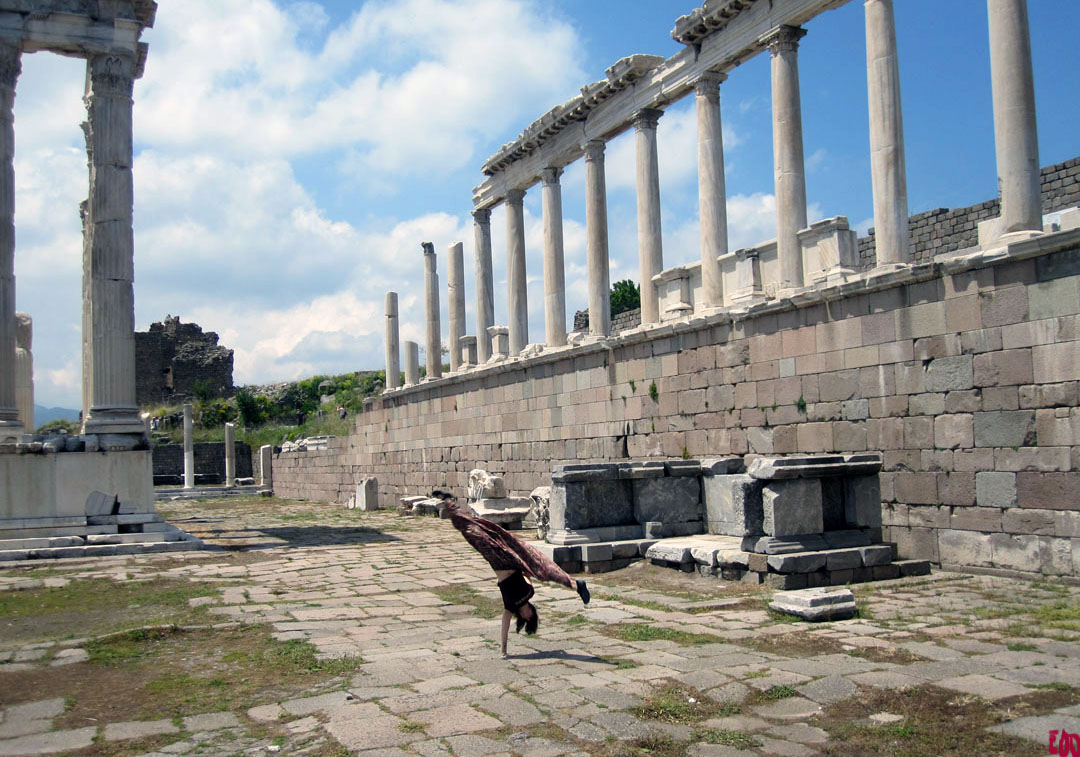
Upside down in Turkey
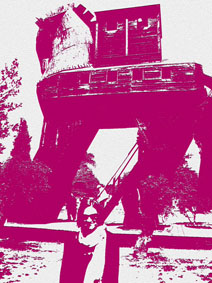
Leading a tour through Troy
EMILY: “Does anyone ever realize life while they live it…every, every minute?
STAGE MANAGER: No. Saints and poets maybe…they do some.
— Our Town
This week, my students in Lebanon and I have been reading the Odyssey. We’ve left Gilgamesh and Mesopotamia behind to focus on the Greeks and their classics. One of my favorite books of the Odyssey is Book 11, in which Odysseus travels to the underworld–where he encounters a number of characters–like an old crew member, his own mother, and the blind prophet Tiresias who predicts his future. Each character has a different piece of wisdom to impart from beyond the grave–about life and realities of the underworld. The entire chapter consists of Odysseus’ dialogues with the dead.
…which brings me to Our Town. To help my students relate to our ancient hero’s voyage through the underworld, I paired our reading of the Odyssey with the third act of Our Town. One of the many reasons why Our Town has always been one of my favorite plays is because Thornton Wilder, who spent his formative years in Shanghai, borrowed heavily from the techniques, style, and staging of Chinese opera to create this brutal and unflinching play. Our Town–far from its sentimental stereotype–was created as a radical hybrid of theatrical styles and philosophies from both the “east” and the “west.” What better place, I thought, than Beirut–itself a splendid blend of the “east” and “west”–to contemplate what the dead in Our Town have to say to us–the (currently) living…
Yes, now you know. Now you know! That’s what it was to be alive. To move about in a cloud of ignorance; to go up and down trampling on the feelings of those about you. To spend and waste time as though you had a million years. To be always at the mercy of one self-centered passion, or another. Now you know — that’s the happy existence you wanted to go back to. Ignorance and blindness.”
― Simon Stimson, Our Town
I have a rule about Our Town–anytime I hear it’s being produced in my vicinity–whether it’s on Broadway, or at a local theatre, I make it a point to go and see it. Call it a pilgrimage, a ritual, a catharsis–whatever. The last time I saw it produced, it was hard to hear the actors deliver their lines over the sobbing of the audience in the third act. The play worked just like it’s supposed to. Curious to see what my Lebanese students would make of this groundbreaking play–which challenged kitchen sink naturalism years before Brecht and Beckett–I showed them scenes from the production of Our Town below with Paul Newman cast in the role of the Stage Manager.
In the monologue that transitions into the devastating third act, Paul Newman, as the Stage Manager, discusses what’s “eternal” in all of us–what people “have been telling us for 5,000 years.” To watch that monologue, you can tune in to the production below at the 1:28:00 mark–or just click here to go straight to the monologue (since WordPress won’t let it load). In this five minute monologue, he says, “Some of the things they’re [the dead] going to say maybe’ll hurt your feelings, but that’s the way it is.”
Both the Odyssey and Our Town ask us to contemplate what we might learn from dialoguing with the dead–even if it’s not what we want to hear. Odysseus returns to the world of the living renewed with the knowledge he’s acquired from the underworld–and Emily in Our Town chooses to temporarily leave death behind to re-visit the living–though she’s horrified at what she finds…and it destroys me every time…
…mother’n daughter … husband’n wife … enemy’n enemy … money’n miser … all those terribly important things kind of grow pale around here. And what’s left when memory’s gone, and your identity, Mrs. Smith?
— Stage Manager, Our Town
http://www.youtube.com/watch?v=8bTsoAhFHG4
Good-by, Good-by, world. Good-by, Grover’s Corners… Mama and Papa. Good-by to clocks ticking… and Mama’s sunflowers. And food and coffee. And new-ironed dresses and hot baths…and sleeping and waking up. Oh, earth, you’re too wonderful for anybody to realize you.
— Emily, Our Town
Posted in Blog
Comments Off on Dialoguing with the Dead: The Odyssey & Our Town…
Spinning…
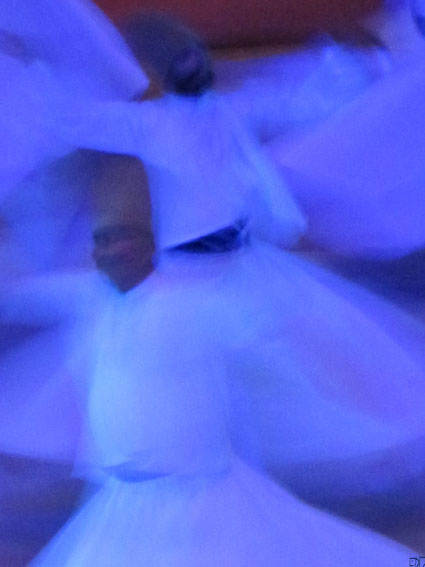
Photo by Emily O'Dell
I am filled with splendor,
spinning with your love.
It looks like I’m spinning around you,
but no – I’m spinning around myself!
— Rumi
Posted in Blog
Comments Off on Spinning…
The Tomb of Rumi…
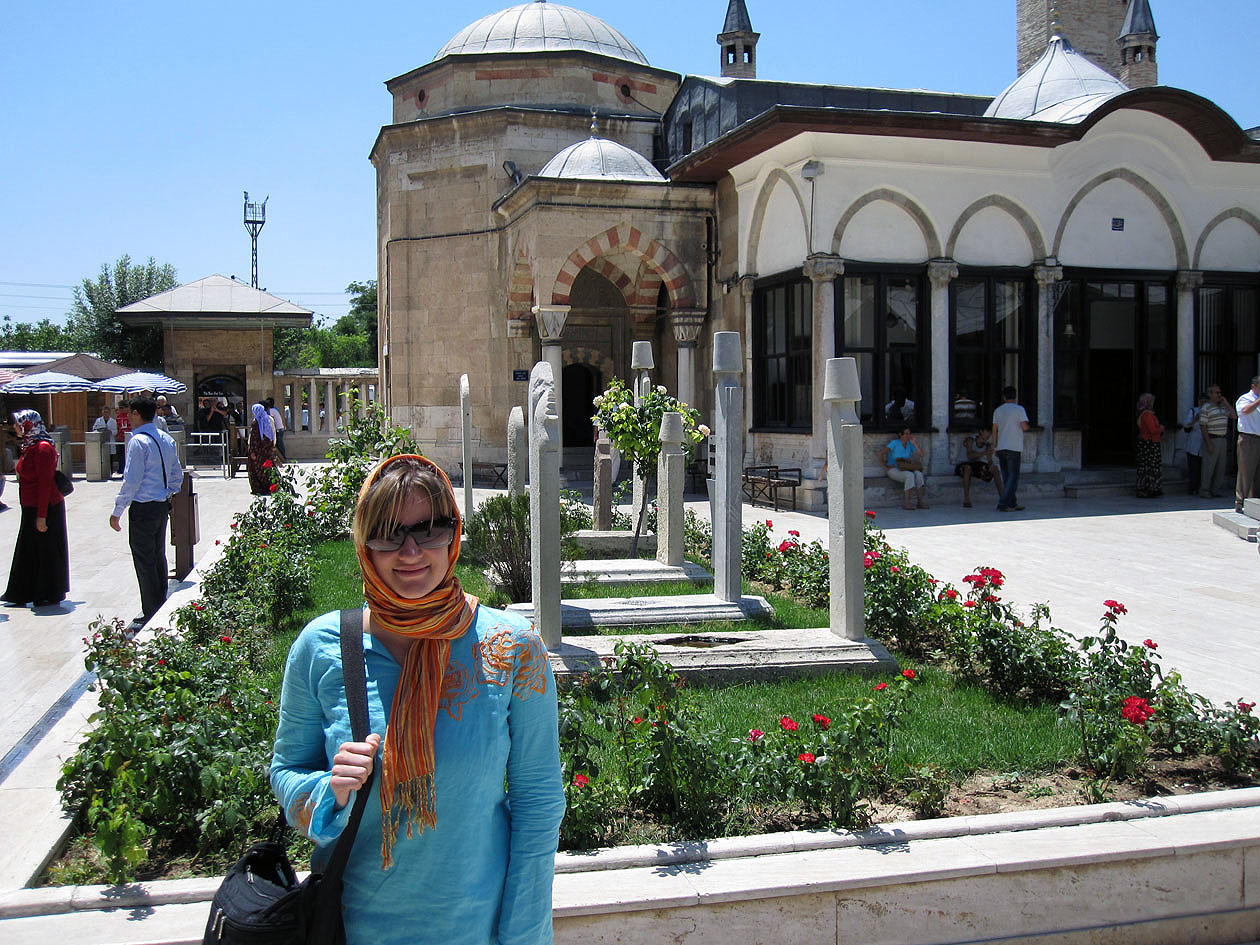
Emily O'Dell at the tomb of Rumi in Konya, Turkey
when you see
my corpse is being carried
don’t cry for my leaving
I’m not leaving
I’m arriving at eternal love
— Rumi
In a previous post, I mentioned the significance of the hats worn in the ceremony of the whirling dervishes. The wool hats worn for whirling are in the shape of tombstones to represent the death of the ego, and to remind the dervish to “die before you die.” Above, you can see graves topped with stone dervish hats at the mausoleum of Rumi in Konya, Turkey. In many cemeteries in Turkey, you can tell not only who was a dervish or Sufi sheikh based on the headgear on their tombstone–but also to which specific Sufi Order they belonged…
Wearing a symbol of one’s tombstone–along with white garments to symbolize the funeral shroud–allows a whirling dervish to “try on” death–to embody the reality of one’s life passing. At the end of the heightened ecstasy of the whirling ceremony, the dervish returns to the world with the “mystical” knowledge gleamed from having glimpsed at death–by transcending all attachments to the self. Cleansed by this spiritual unveiling, the dervish is more prepared to set aside the endless desires and demands of the ego to commit to serving others instead…
Posted in Blog
Comments Off on The Tomb of Rumi…