 Emily’s Blog
- Sunset Beach Tai Chi July 22, 2024
- Coffee with Abu… July 22, 2024
- Rumi Latte in Beverly Hills July 22, 2024
- Judging a Burmese TedTalk July 22, 2024
- Mystical Tajik Cafe in Beverly Hills July 21, 2024
- Hollywood: Brown Film Festival July 21, 2024
- New Play Premiere in Burma July 21, 2024
- Bhutan Meets Malibu & Mulholland July 21, 2024
- Tricycle Bliss July 21, 2024
- Kung Fu Panda July 21, 2024
Category Archives: Blog
Postcard from Beirut…
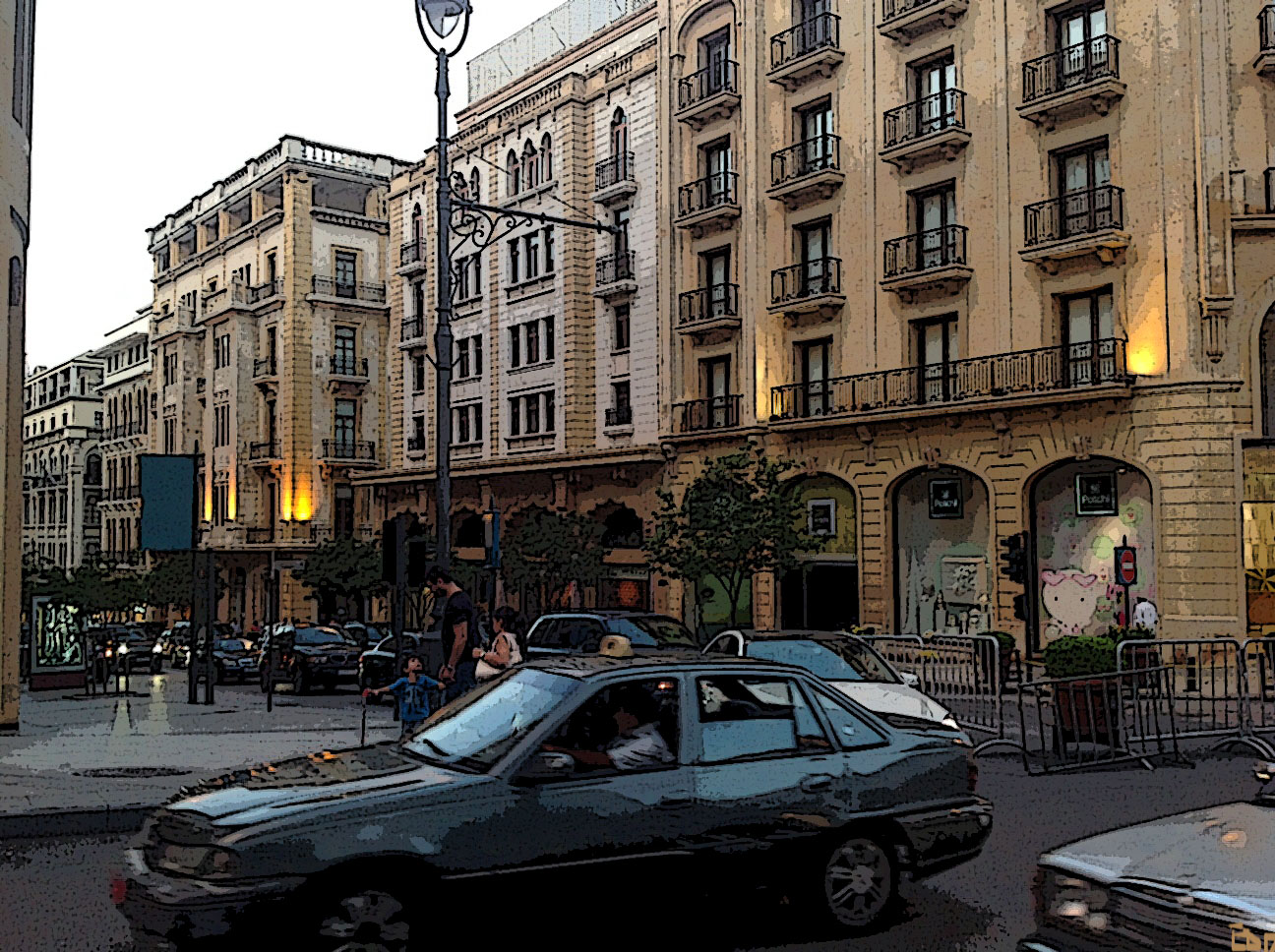
Downtown Beirut (Photo: Emily O'Dell)
Posted in Blog
Comments Off on Postcard from Beirut…
Sea du jour…
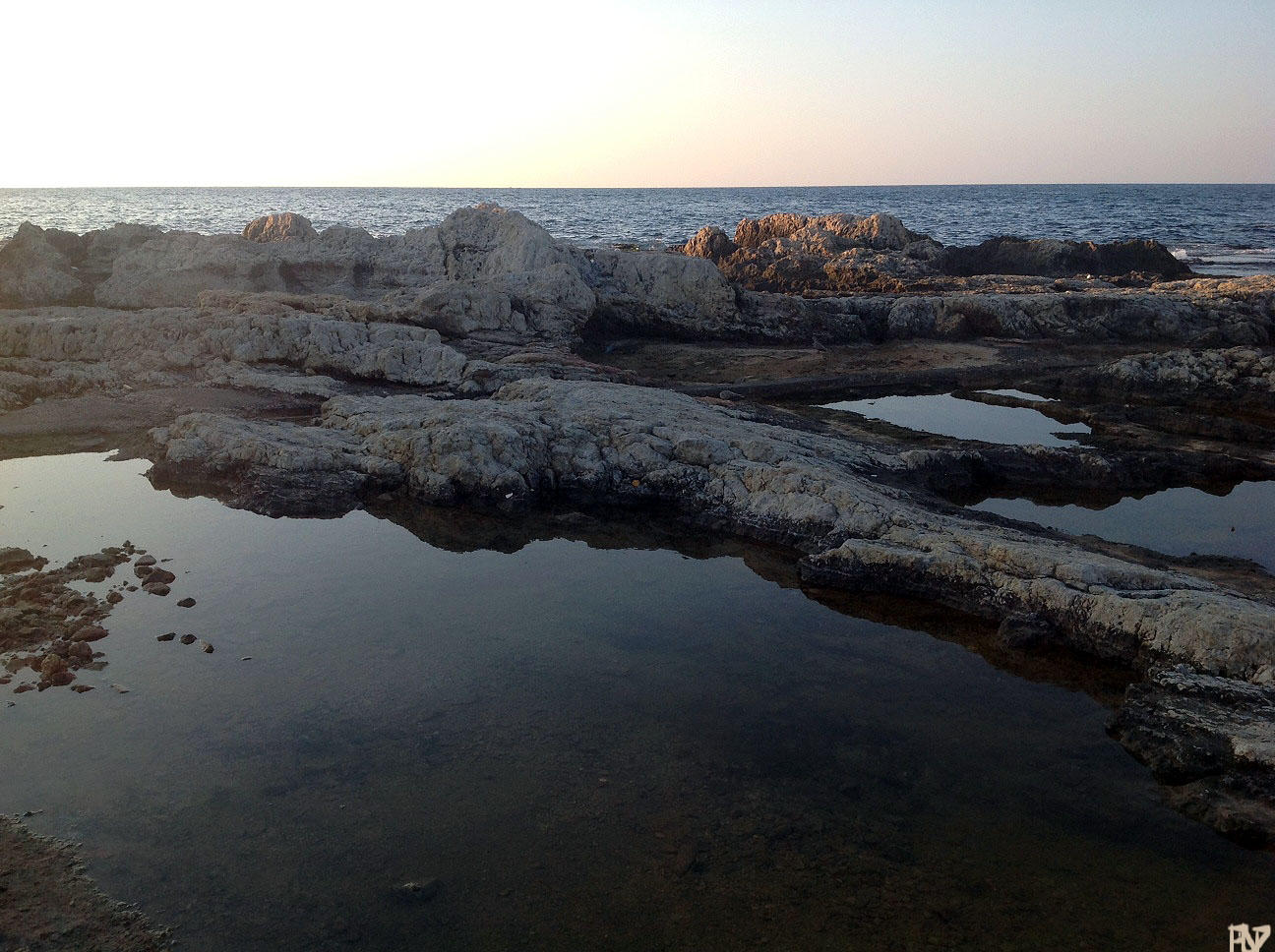
Today in Beirut (Photo: Emily O'Dell)
Pouring envy and greed from love’s open sea,
We steal from each other the waters of bliss.
No fish ever hoards its own portion of water;
Without the ocean, there’s nothing that is…
— Rumi
Posted in Blog
Comments Off on Sea du jour…
The Elephant of Hafiz…
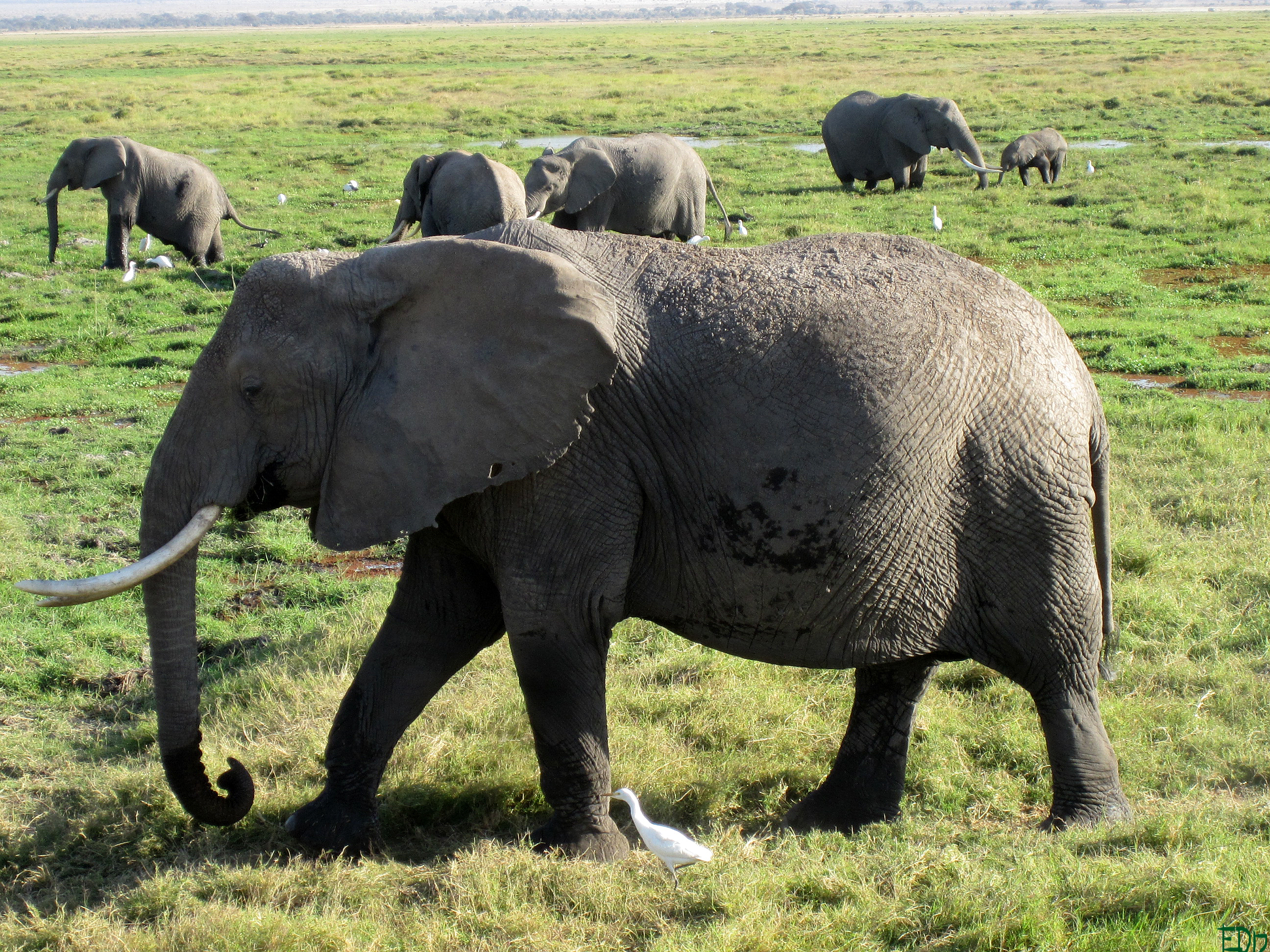
Photo: Emily O'Dell
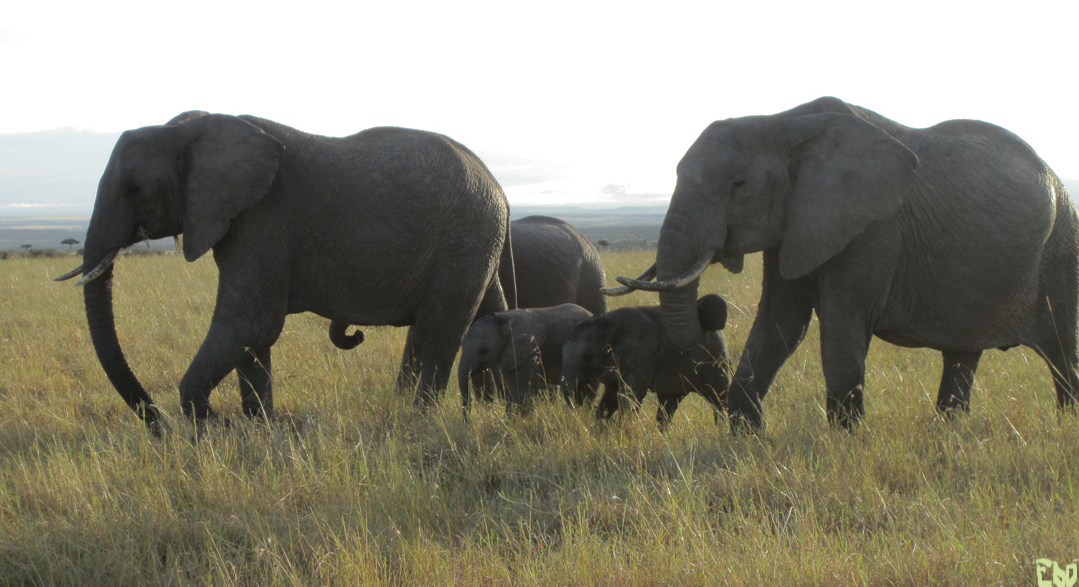
Photo: Emily O'Dell
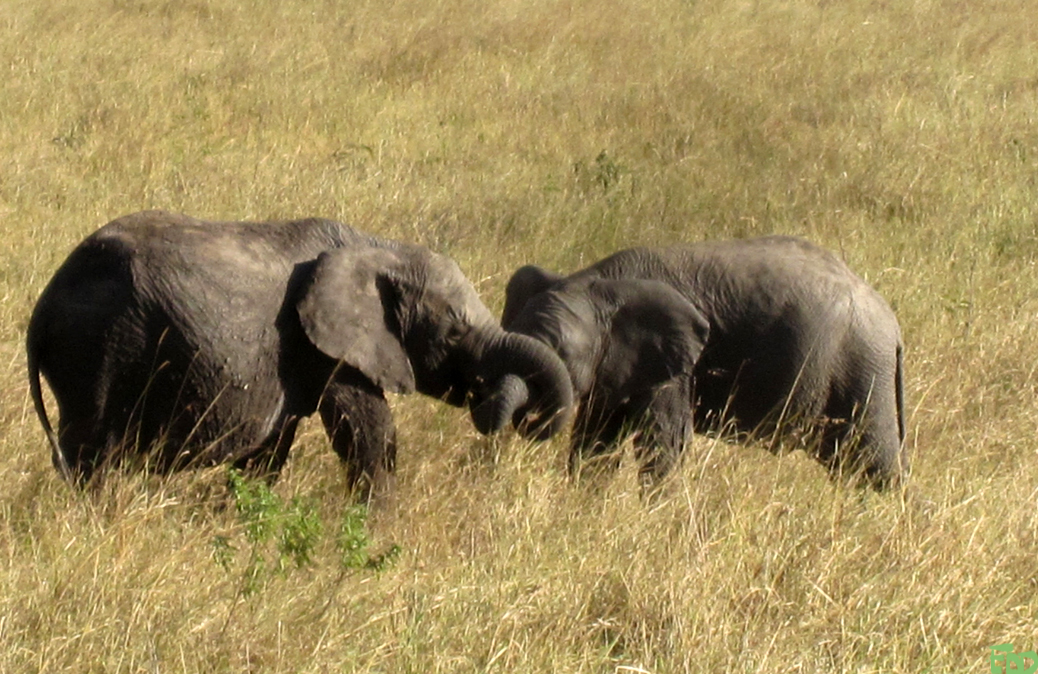
Photo: Emily O'Dell
has sprouted beneath a golden leaf
In a dark forest.
This seed is seriously contemplating,
Seriously wondering about
The moseying habits
Of the Elephant.
Why?
Because
in this lucid, wine-drenched tale
The Elephant is really–
God,
Who has His big foot upon us,
Upon the golden leaf under which lies
This sprouting
Universe
Wherein
We are all a little concerned
And
Nervous.
— Hafiz

Photo: Emily O'Dell
Posted in Blog
Comments Off on The Elephant of Hafiz…
The Elephant of Rumi…

Elephant in the Masai Mara (Photo: Emily O'Dell)
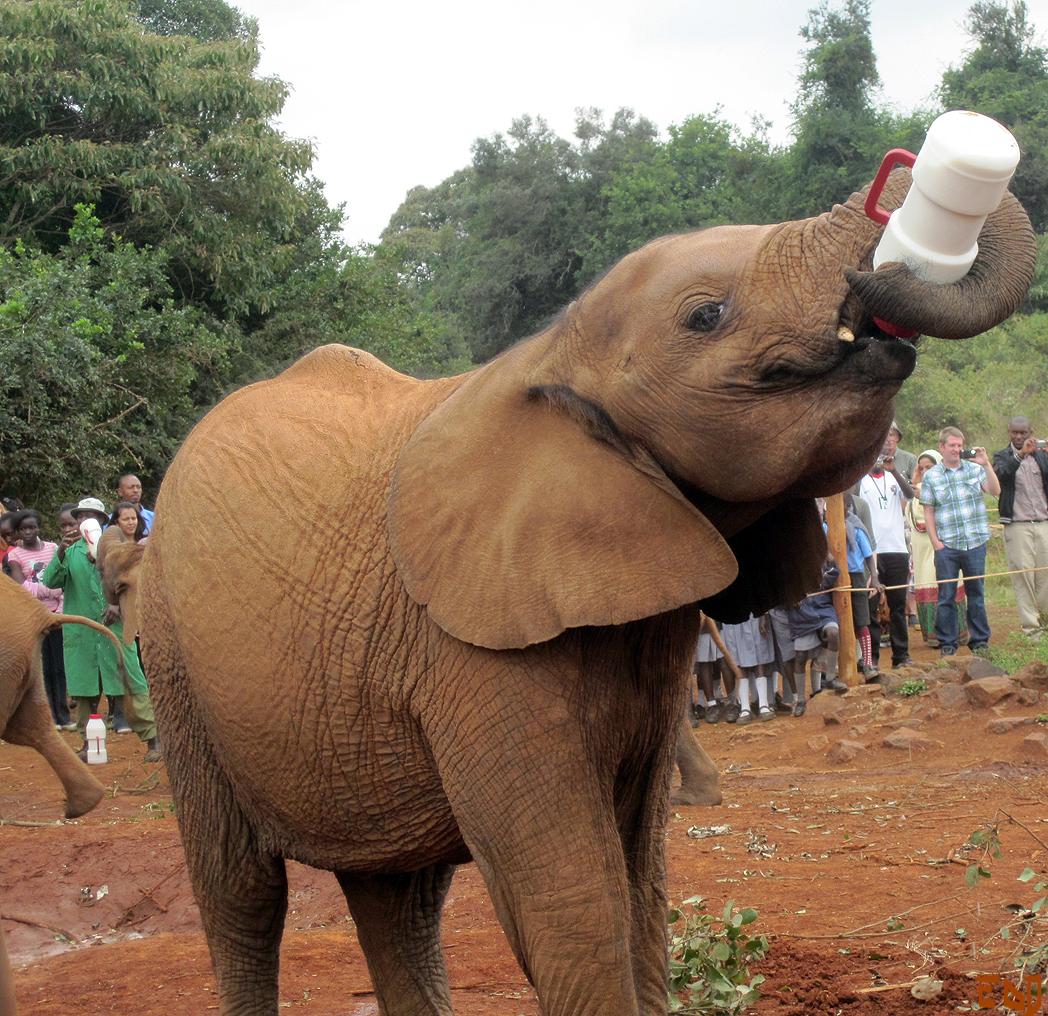
Baby orphan drinking its breakfast bottle (Photo: Emily O'Dell)
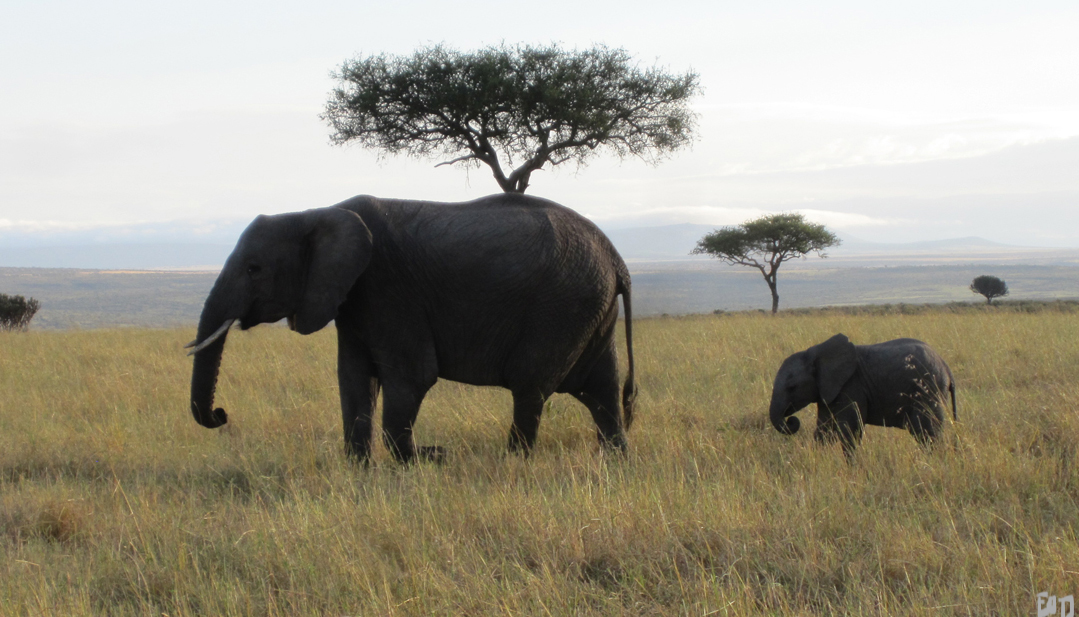
Photo: Emily O'Dell
No one here has ever seen an elephant.
They bring it at night to a dark room.
One by one, we go in the dark and come out
saying how we experience the animal.
One of us happens to touch the trunk.
A water-pipe kind of creature.
Another, the ear. A very strong, always moving
back and forth, fan-animal. Another, the leg.
I find it still, like a column on a temple.
Another touches the curved back.
A leathery throne. Another the cleverest,
feels the tusk. A rounded sword made of porcelain.
He is proud of his description.
Each of us touches one place
and understands the whole that way.
The palm and the fingers feeling in the dark
are how the senses explore the reality of the elephant.
If each of us held a candle there,
and if we went in together, we could see it.
— Rumi (translation by Coleman Barks)
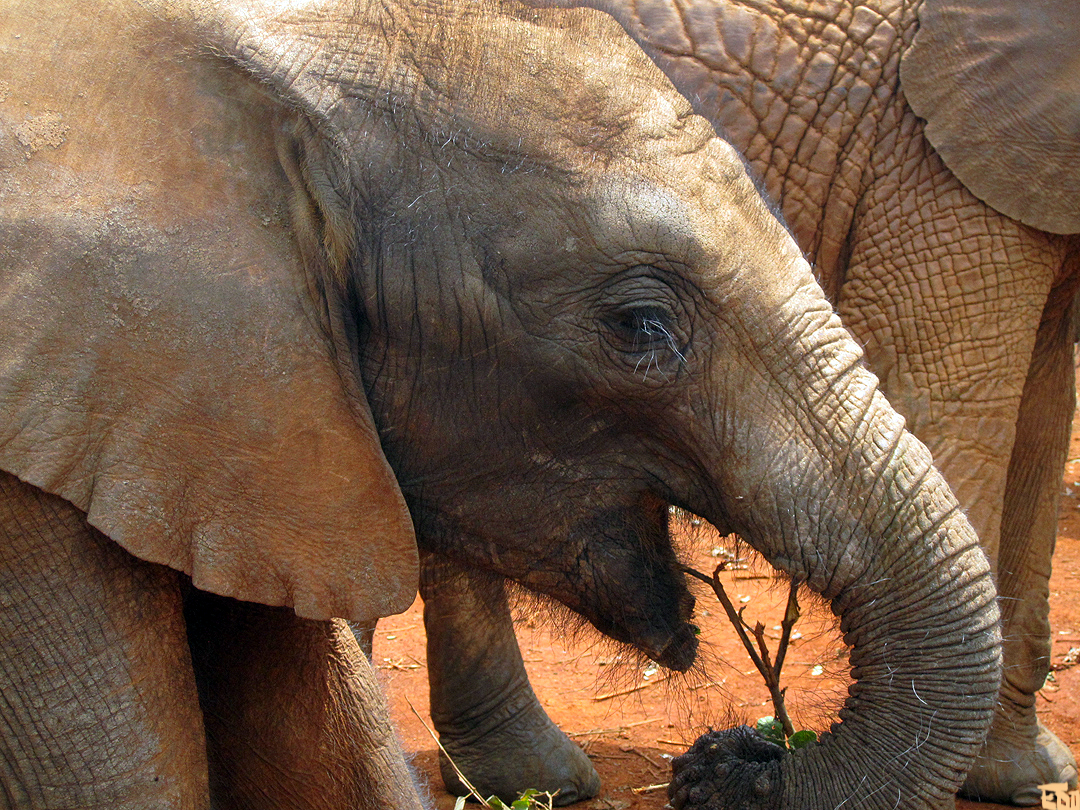
Baby elephant orphan in Kenya (Photo: Emily O'Dell)
Posted in Blog
Comments Off on The Elephant of Rumi…
Elephants in Danger…
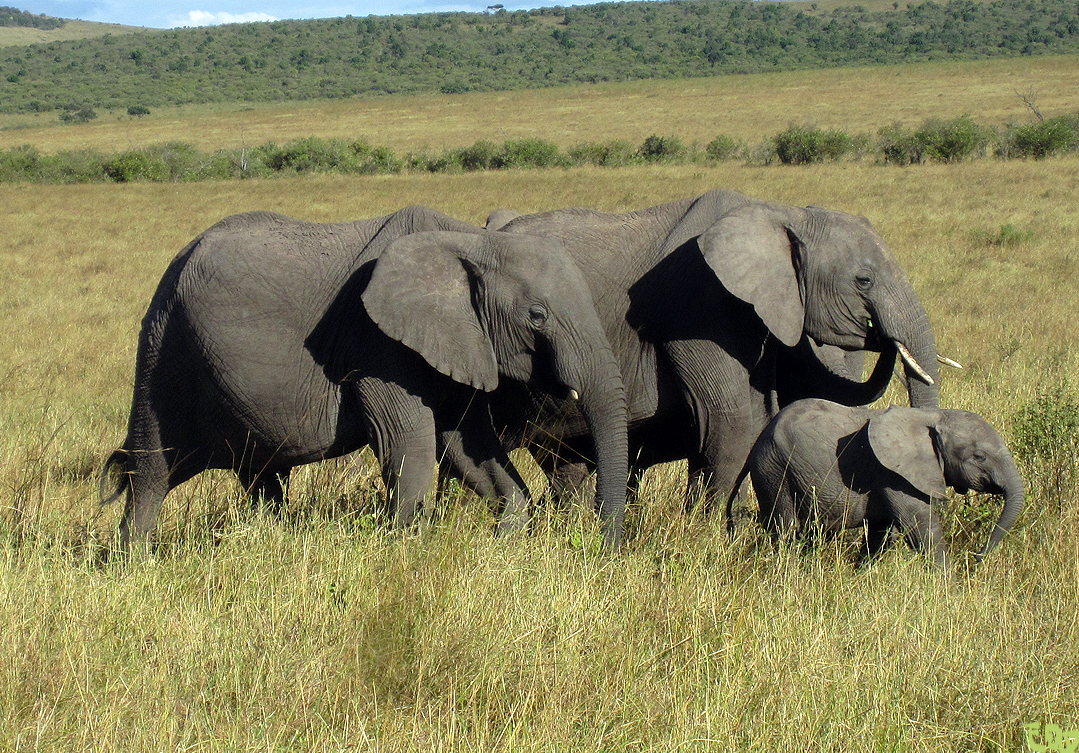
Elephants in the Masai Mara (Photo: Emily O'Dell)
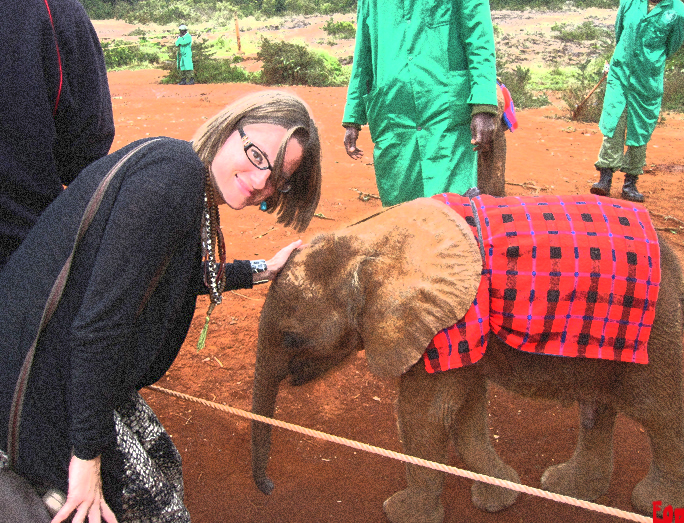
Meeting an elephant orphan in Kenya (Photo: Emily O'Dell)
This week in Zimbabwe, poachers killed at least 80 elephants by pouring cyanide into their water holes. The cyanide has also killed a number of smaller animals drinking from the same poisoned water–not to mention the vultures feasting on their remains.
Back home in New York, I have a friend who is just crazy about elephants–can’t stop talking about them, and even set up an educational program in Southeast Asia to raise awareness about their endangerment. But it wasn’t until I went to Kenya and Tanzania and saw for myself hundreds of these massive and majestic creatures lumbering through the grasslands of the Serengeti and Amboseli, that I understood what all the fuss was about–and transformed into a crazy elephant lady myself.
Watching the matriarchs nurse their newborns, and spunky adolescents tussle with their tusks, the plight of these animals in grave danger was no longer an abstraction. A few of the elephants walked right up to our van to peer inside, and I found myself staring eye to eye out with creatures that could kill me in an instant–but didn’t. To watch these enormous yet graceful animals stroll and graze with their tight-knit families–and meet baby elephants orphaned by poachers–it was sickening to think of how many of them have been slaughtered in the name of profit–and I finally understood just how urgent and important it is to try and save them…
While this issue may seem a world away for many, it’s important to recognize that wildlife trafficking is now considered a national security threat–since illegal wildlife trafficking is a major source of funding for terrorist groups, including Al-Shabaab–the al-Qaeda-backed Somali terror group responsible for Saturday’s attack in the Nairobi mall. Our elefriends can’t save themselves from the powers of ruthless greed and heartless destruction. They need our help now, before it’s too late–and they all disappear…
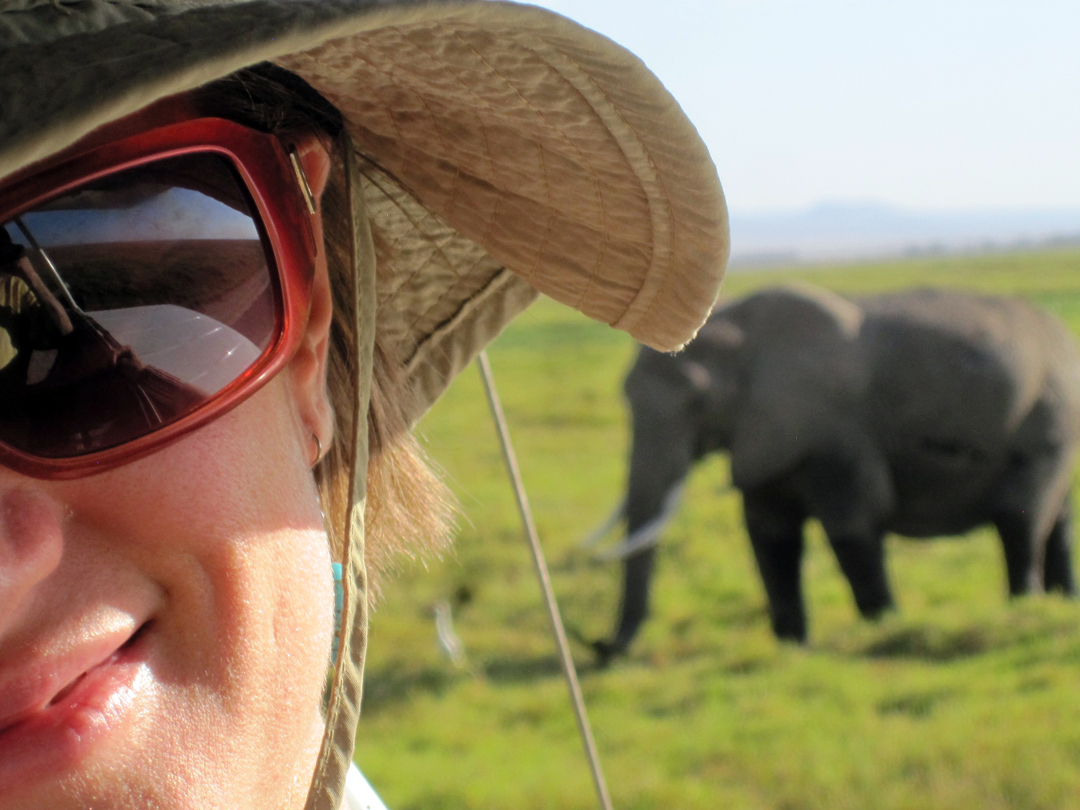
We got your back... (Photo: Emily O'Dell)
Posted in Blog
Comments Off on Elephants in Danger…
UNESCO & Sufi Heritage…
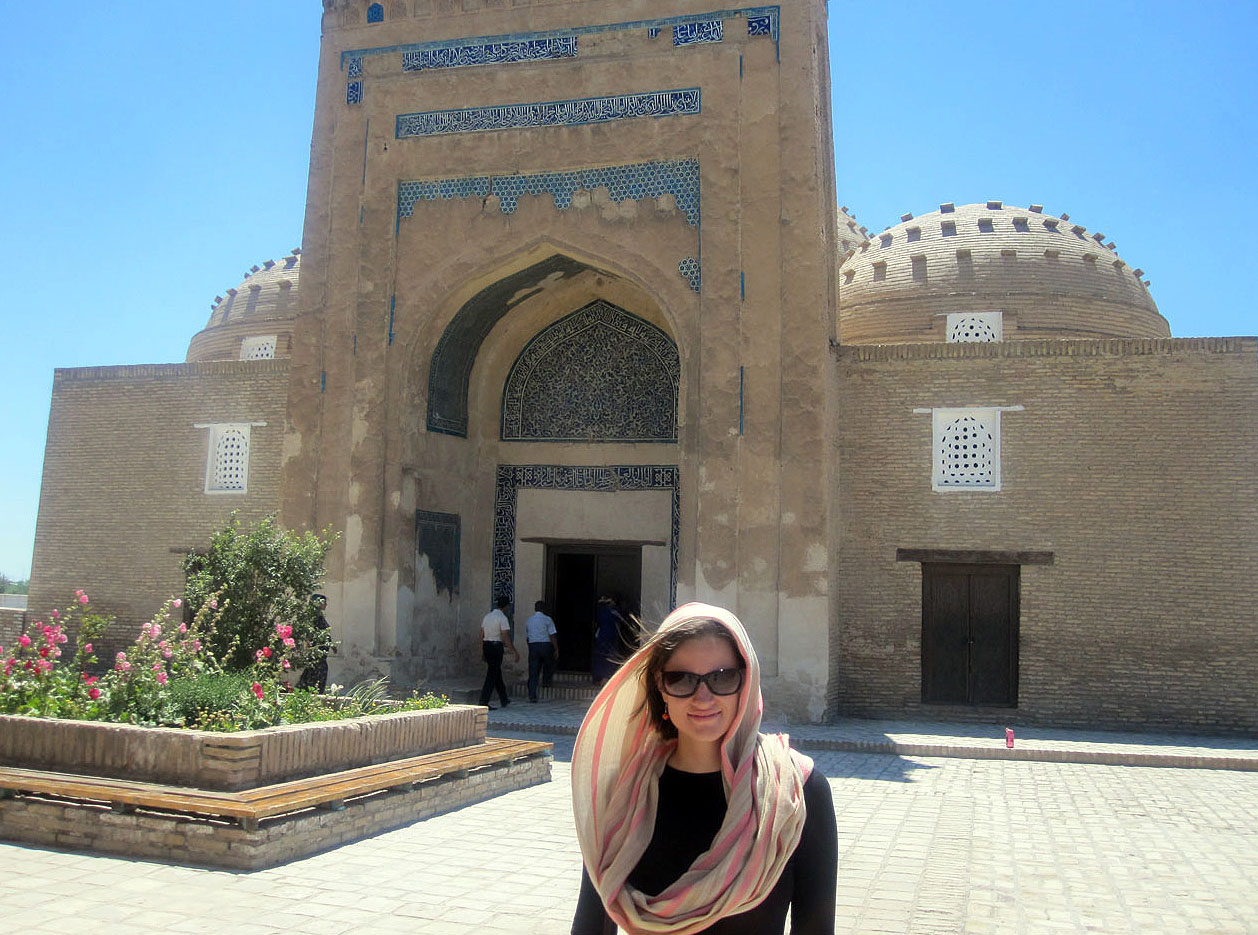
Shrine of Najmeddin Kubra in Turkmenistan
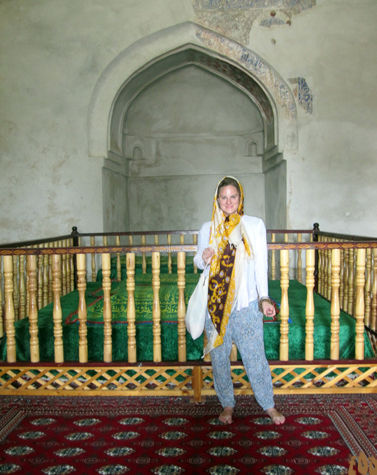
Shrine of Abu Said in Turkmenistan
Beg for Love.
Consider this burning, and those who
burn, as gifts from the Friend.
Nothing to learn.
Too much has already been said.
When you read a single page from
the silent book of your heart,
you will laugh at all this chattering,
all this pretentious learning.
— Abu Said
The director of the Iranian National Commission for UNESCO recently announced that the United Nations Educational, Scientific, and Cultural Organization (UNESCO) will be registering several “Iranian” occasions on its celebration list of anniversaries for 2014 and 2015–including the 800th birth anniversary of the 12th century Persian Sufi Sheikh Najmuddin Kubra (d. 1220)–whose beautiful tomb I had the chance to visit in Turkmenistan.
Also on the list is the 1000th anniversary of the achievements of Persian poet and Sufi philosopher Abu Said Abul-Khayr (d. 1049)–whose remote tomb I reached in Turkmenistan (left) after a very long, and bumpy ride through the middle of the desert. Abu Said referred to himself as “Nobody, Son of No One”–leaving his ego far behind…
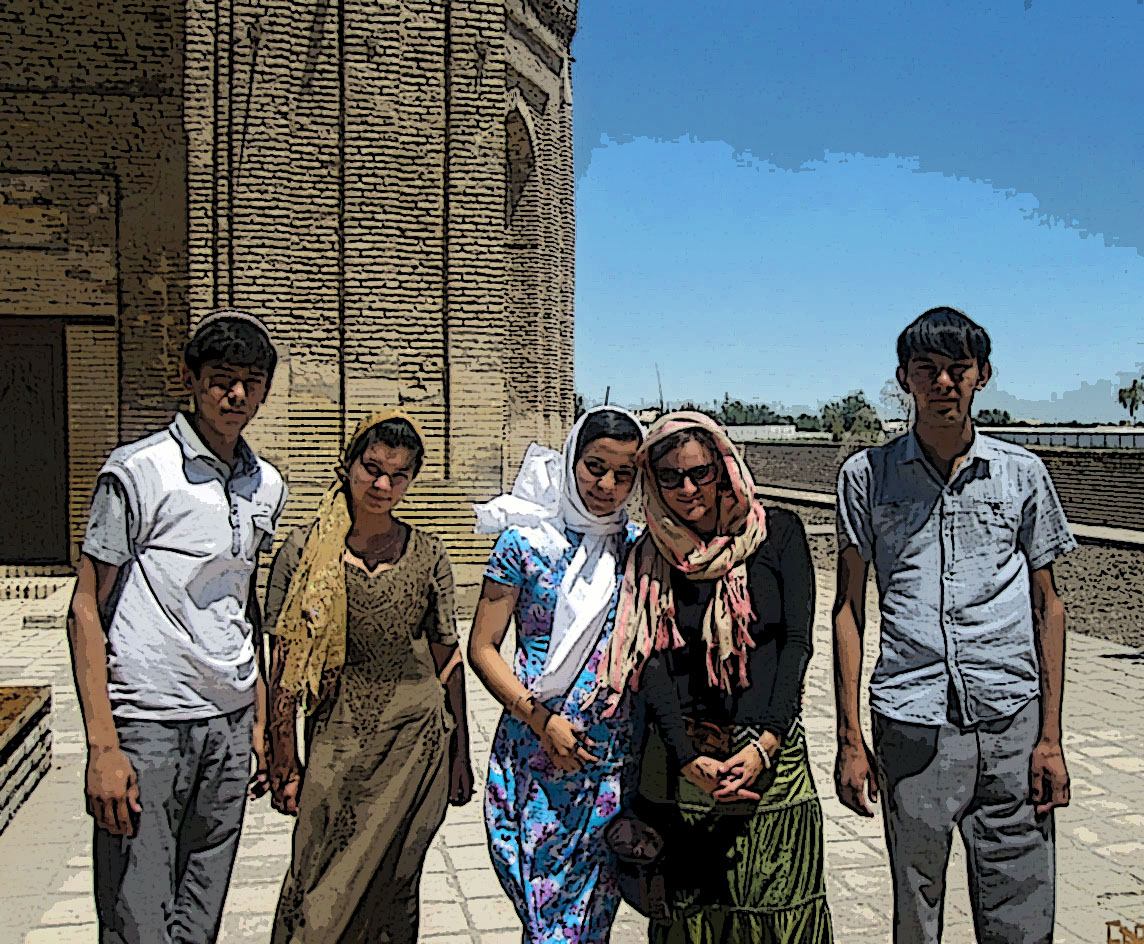
Meeting with Turkmen visitors to the shrine of Sheikh Najmeddin Kubra in Konya-Urgench (Photo: Emily O'Dell)
Posted in Blog
Comments Off on UNESCO & Sufi Heritage…
Sweet Elixir…
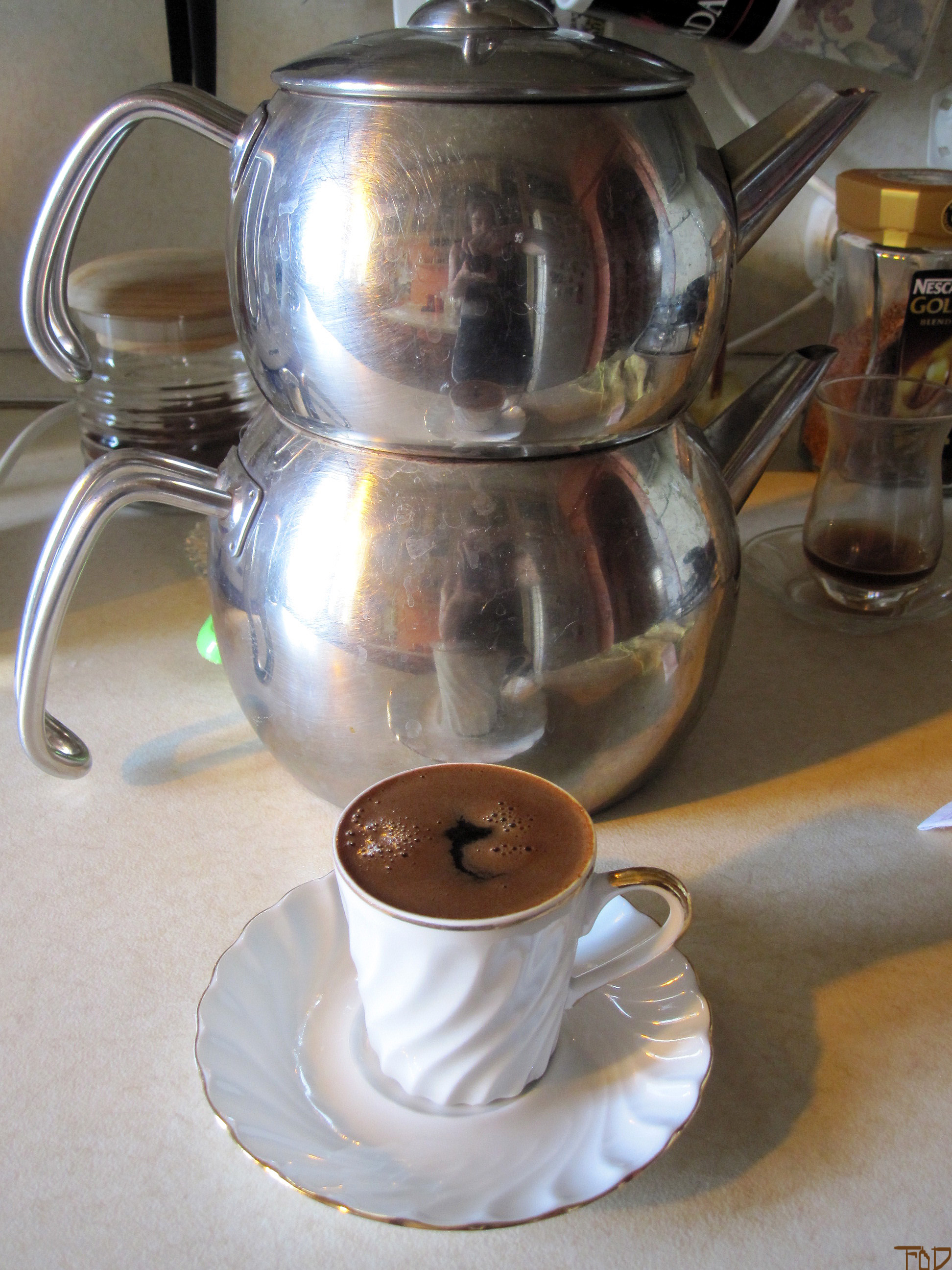
Always tasty...(Photo: Emily O'Dell)
They drank coffee every Monday and Friday eve, putting it in a large vessel made of red clay. Their leader ladled it out with a small dipper and gave it to them to drink, passing it to the right, while they recited one of their usual formulas, mostly “La illaha il’Allah…”
— Ibn ‘Abd al-Ghaffar
One of my favorite morning rituals is brewing a fresh cup of Turkish/Arabic coffee, as I was taught how to do several years ago by a Sufi Sheikh in Istanbul. Coffee, however, wasn’t always welcome in Turkey. In fact, the first ships bringing coffee to Istanbul in 1543 were sunk at the Port of Tophane upon a decree issued by Sheikh-ul Islam Ebussuud Efendi. Despite the initial religious opposition to coffee, its intoxicating smell and stimulant perks eventually gained too much popularity for the authorities to stamp out its consumption completely–though Sultan Murad IV (d. 1651) certainly tried by issuing several serious and bloody bans. Coffee allowed Sufis to stay up all night doing their whirling and dhikr/zikr, and it brought many people together in the coffeehouses to discuss a range of topics–which is what the political and religious authorities found so threatening…
Posted in Blog
Comments Off on Sweet Elixir…
Saadi Speaks…
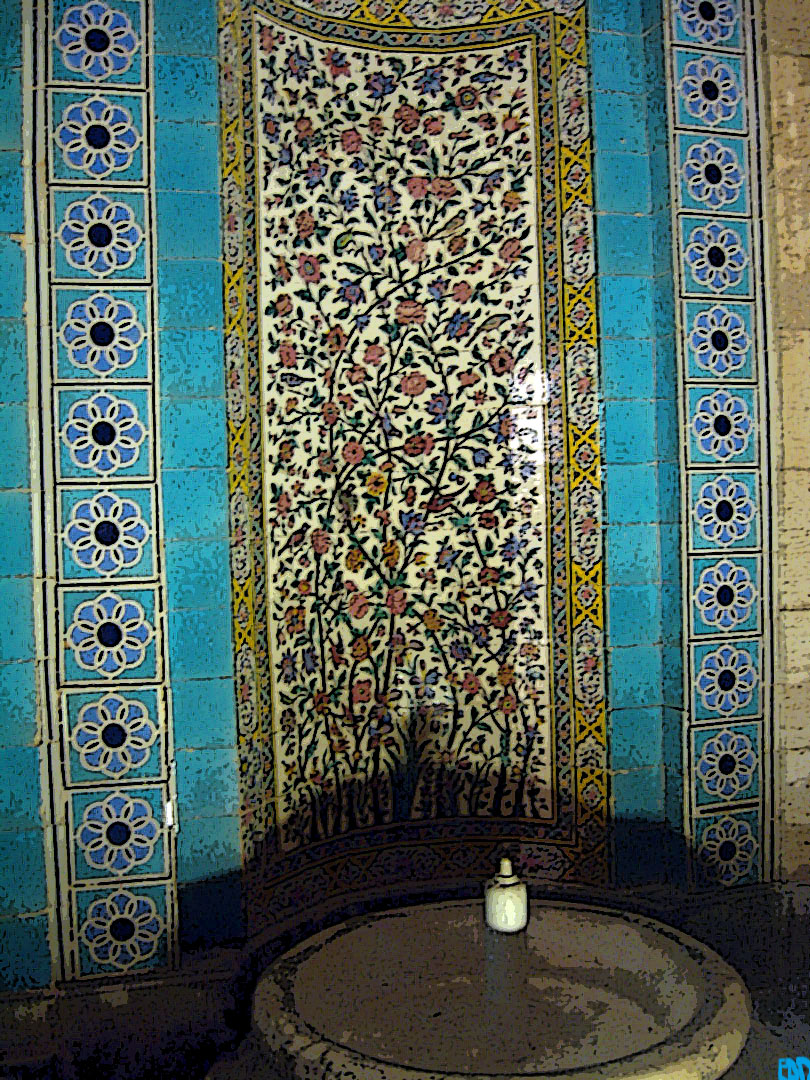
Shrine of Saadi in Shiraz, Iran (Photo: Emily O'Dell)
There is no choice but to drop the shield
The enemy has a stone and us a glass.
— Saadi
Posted in Blog
Comments Off on Saadi Speaks…
Beirut at Night…
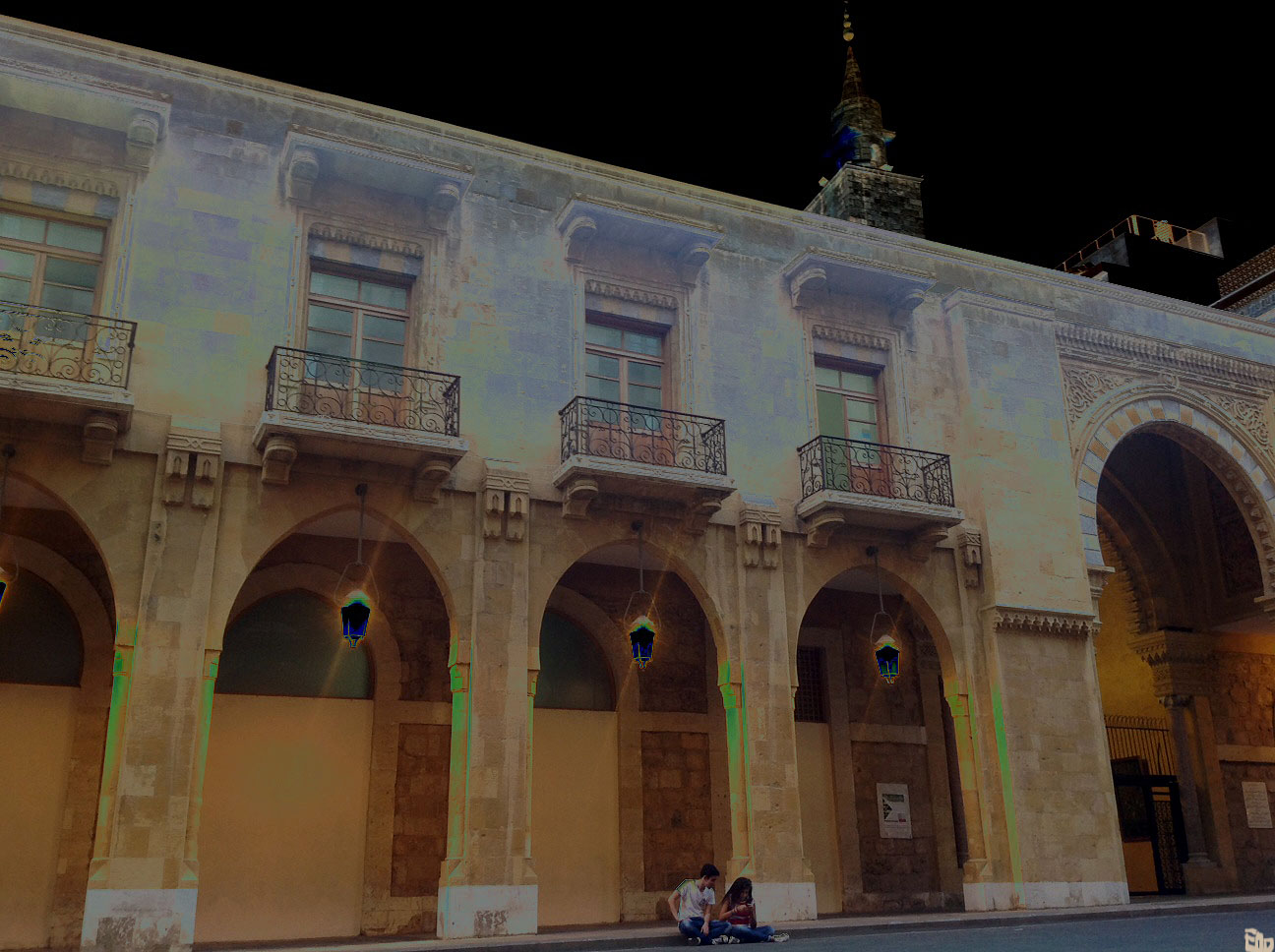
Beirut (Photo: Emily O'Dell)
The stars will be watching us,
and we will show them
what it is to be a thin crescent moon.
You and I unselfed, will be together,
indifferent to idle speculation, you and I.
— Rumi
Posted in Blog
Comments Off on Beirut at Night…
Minaret in Beirut…
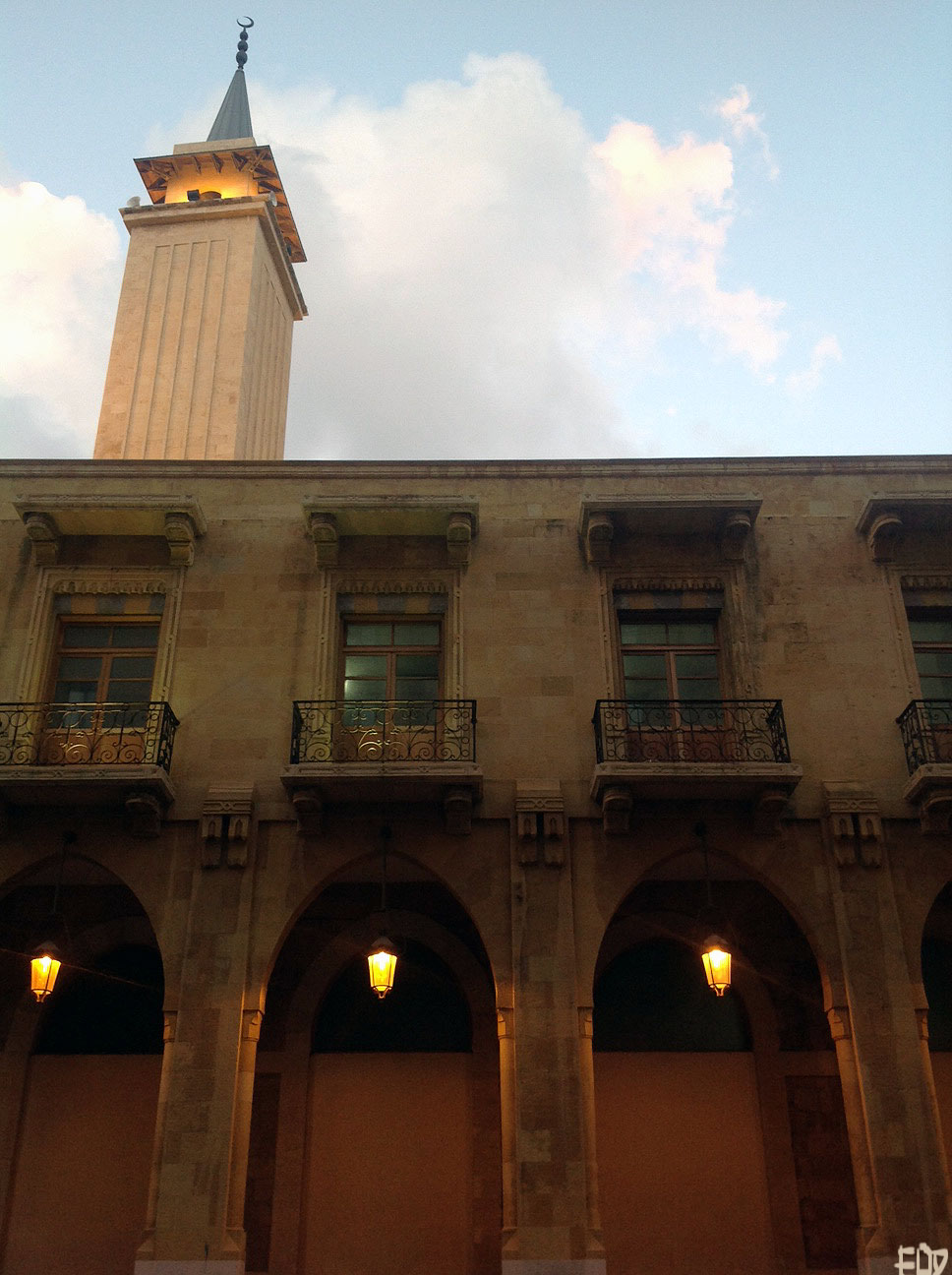
Beirut (Photo: Emily O'Dell)
The universe and the light of the stars come through me.
I am the crescent moon put up
over the gate to the festival.
— Rumi
Posted in Blog
Comments Off on Minaret in Beirut…
Reading Saadi in Beirut…
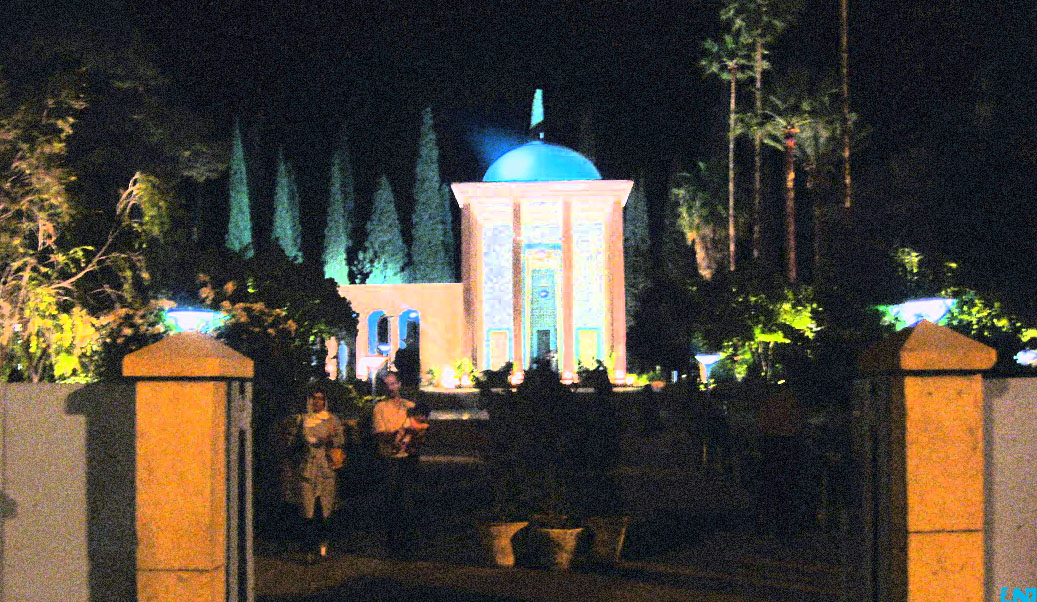
Shrine of the Persian poet Saadi in Iran (Photo: Emily O'Dell)
Remember that you were set on war?
The will is yours, whether peace or war…
Do what you will we wish not to fight,
Head down would be better
where you have raised the sword.
— Saadi
Posted in Blog
Comments Off on Reading Saadi in Beirut…
Got Gourd?
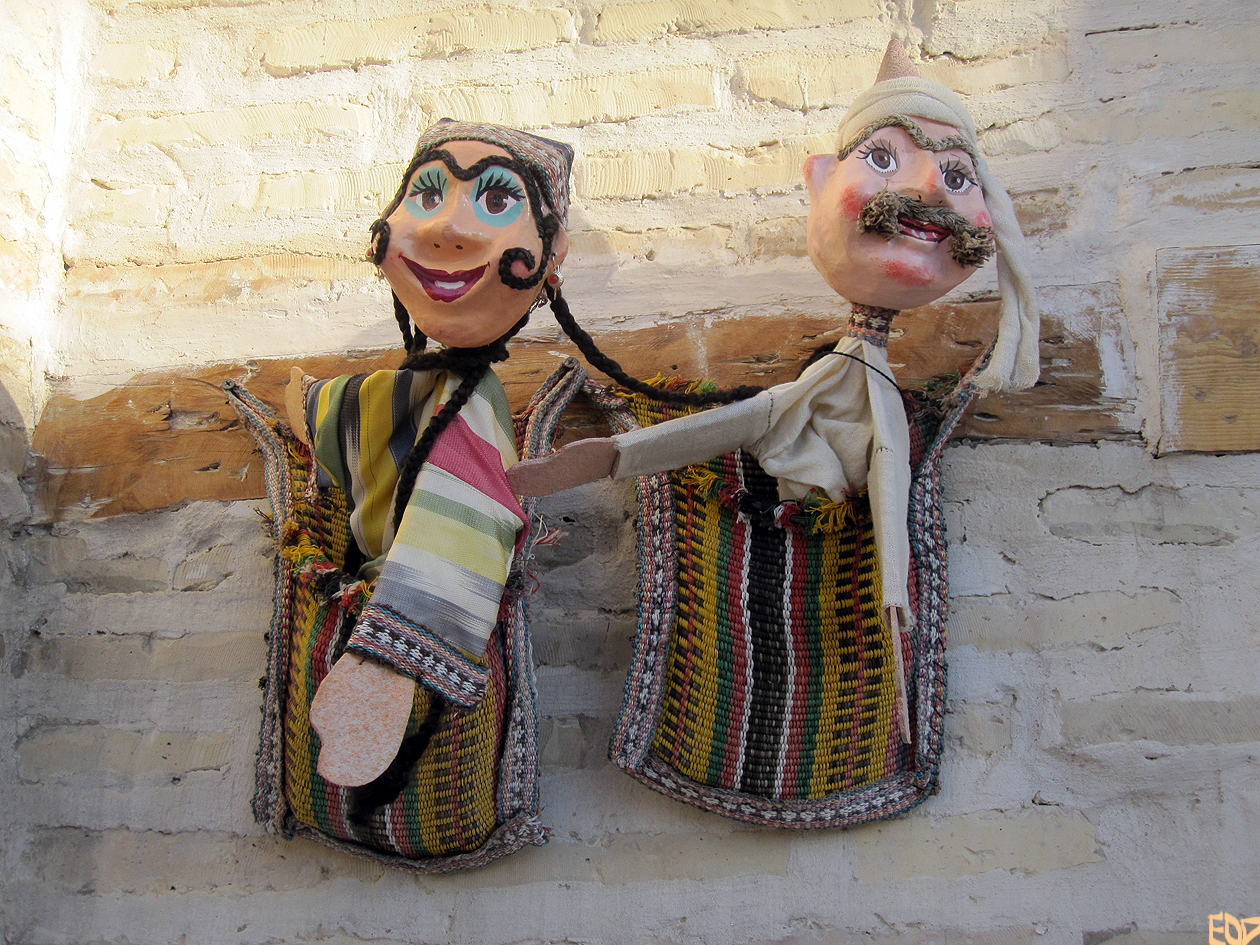
Puppets in Bukhara (Photo: Emily O'Dell)
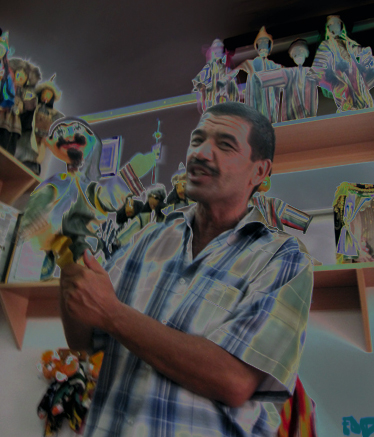
Puppet Maker in Bukhara (Photo: Emily O'Dell)
ای بخارا شاد باش و دیر زی
Oh Bukhara! Be joyous and live long!
شاه زی تو میهمان آید همی
Your King comes to you in ceremony.
— Rudaki
In my travels over the past ten years through Central Asia, Africa, the Middle East and Eastern Europe, I’ve been on the lookout for puppets everywhere I’ve gone. Though I was fortunate to visit Uzbekistan several times, it wasn’t until my last trip to the legendary city of Bukhara that I finally found a puppet shop–and had the chance to speak with an Uzbek puppet maker.
“I made this one for 1,0001 Nights,” he said–pointing to a puppet of Shahrizad.
The rest of them, he explained, he made for performances of the Shahnameh–sometimes referred to as “the Persian Odyssey.” In Bukhara and Samarkand, Tajik (a dialect of Persian) is spoken more than Uzbek–so the Shahnameh (along with the poetry of Rumi and Hafiz) is especially admired in these two Silk Road cities. One of the many things that I love about Uzbekistan and Tajikistan, is that I can speak Russian, Tajik and Uzbek in both places–and even blend them together when I’m tired…

Fall Craft Idea from Uzbekistan? (Photo: Emily O'Dell)
As you can see in the photo above, many of these puppets are made from gourds. Maybe these Uzbek puppets will inspire some crafting ideas to do with the kids…
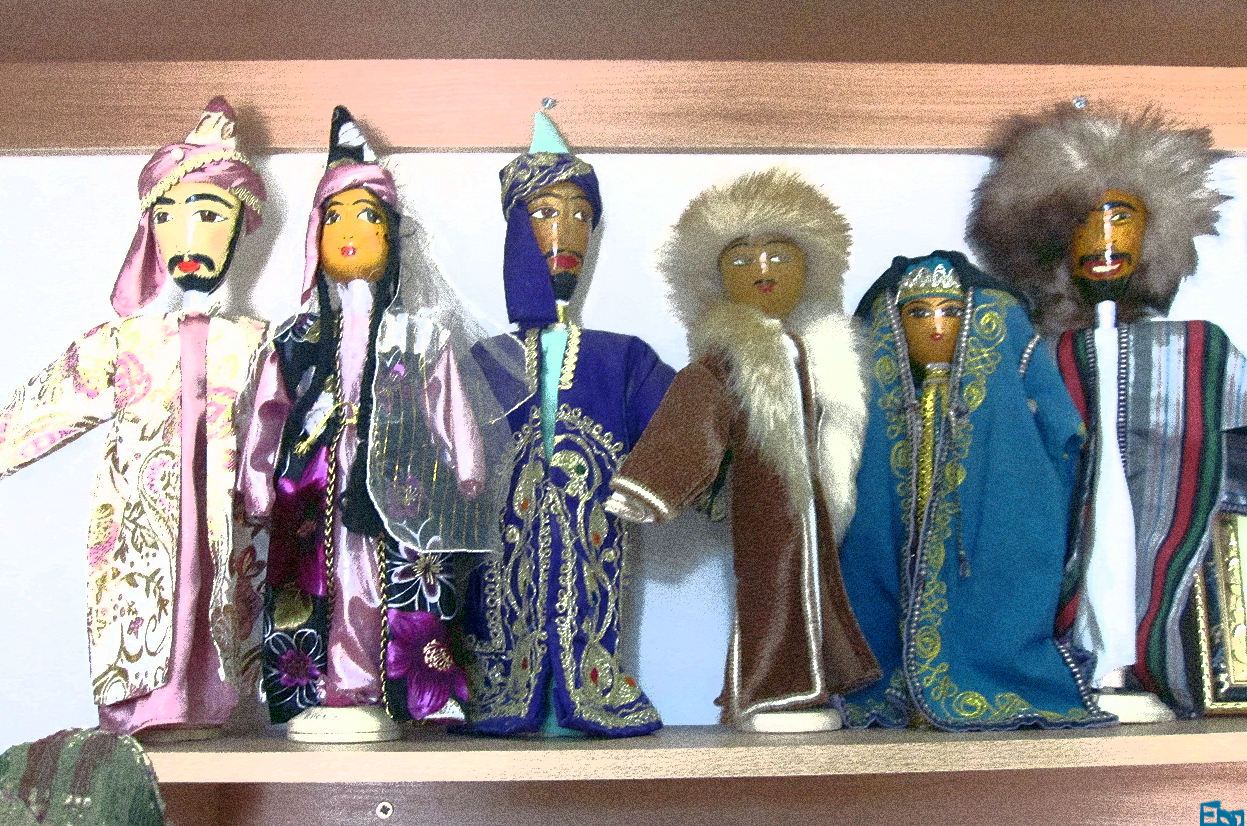
Puppet Royalty (Photo: Emily O'Dell)
Calabash gourds are multi-purpose. I’ve used them to make berimbaus for capoeira (an Afro-Brazilian martial art), to serve as shakers at a trance ceremony in Bamako, and to make music with the kora (below) at a Save the Children’s school in Kolondieba. Since the complex, soothing melodies of this African harp are virtually impossible for anyone who’s not a musical genius to master, I’m always content to just strum a few notes…
http://www.youtube.com/watch?v=wneaapj9as8
To see the berimbau–a one-stringe instrument carved from a gourd and used in capoeira–here’s a video of young kids playing a difficult rhythm on the berimbau. When I’ve made berimbaus with other capoeiristas, we carve out the inside of the gourd first, let it dry, and then decorate it with either paint or a wood burner. Afterwards, we strip down some car tires to get at the steel wire inside, and attach the wire to the wood of a beriba tree–which can only be cut on a full moon after several rituals have already been performed…
From Uzbek puppets to Malian harps and Brazilian martial arts, gourds are all the rage. So, how about you? Got gourd?
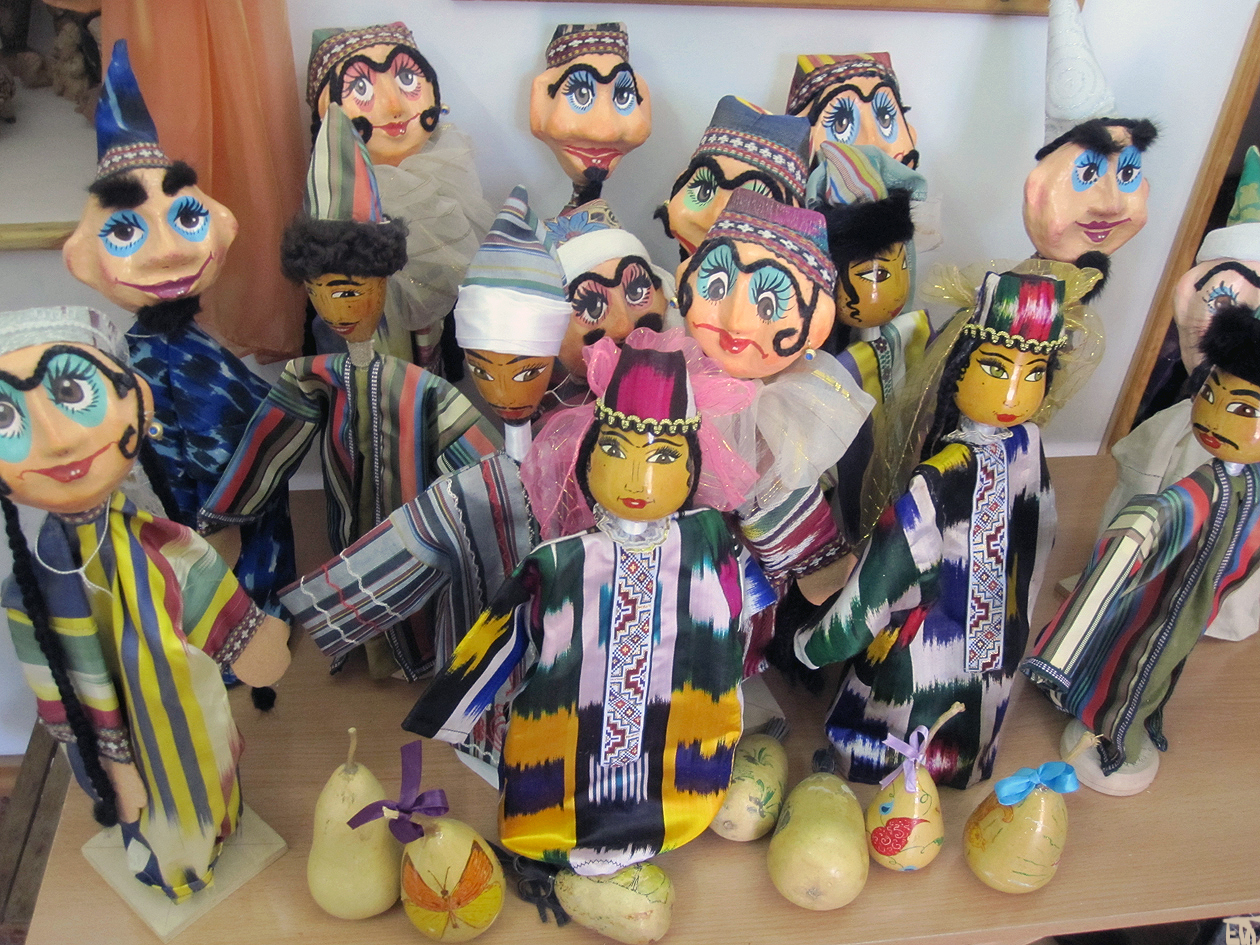
Puppets in Uzbek National Costume (Photo: Emily O'Dell)
Posted in Blog
Comments Off on Got Gourd?
Whirling with the Bektashis in Turkey…
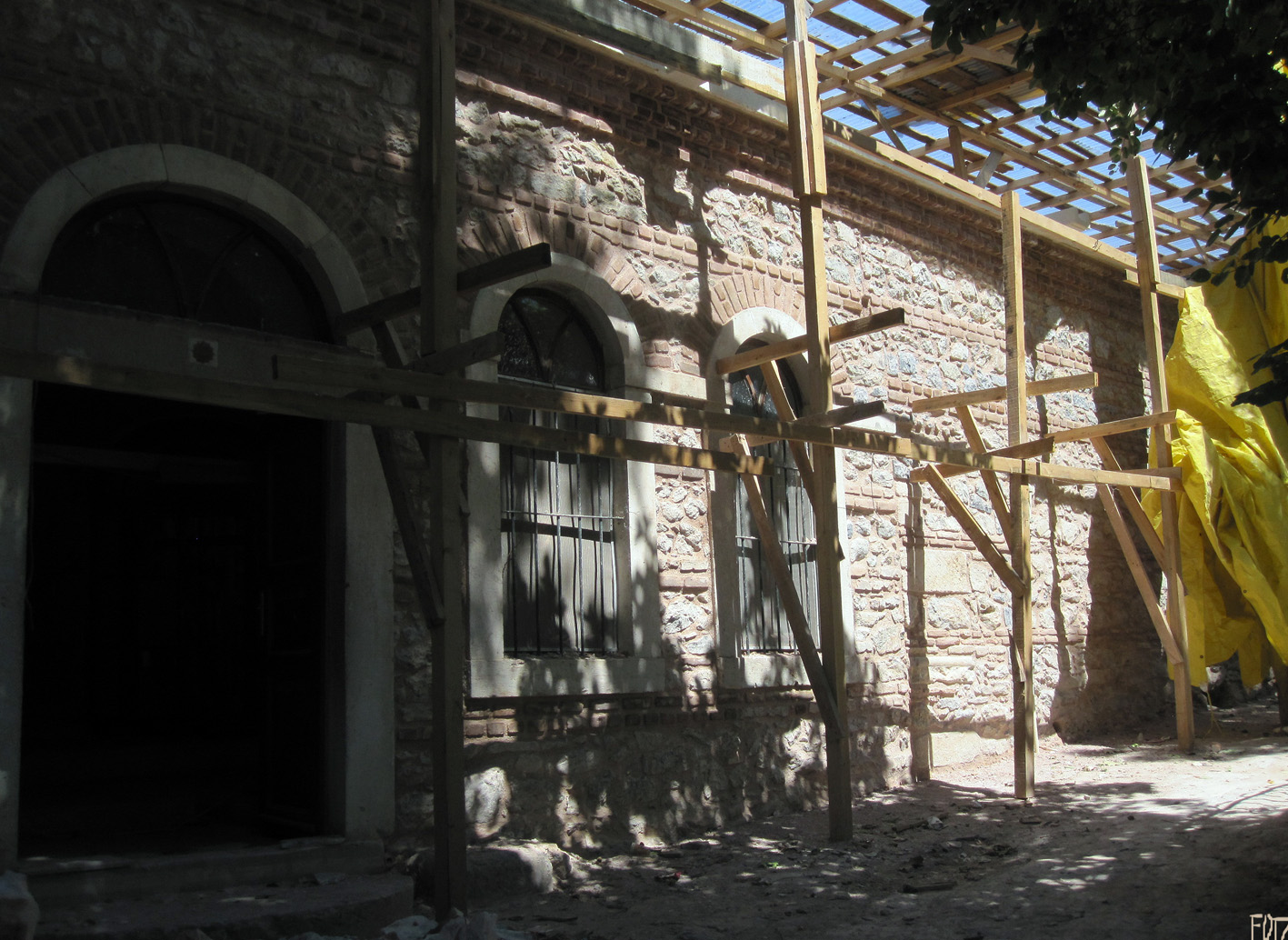
Restoring an Alevi complex in Istanbul (Photo: Emily O’Dell)
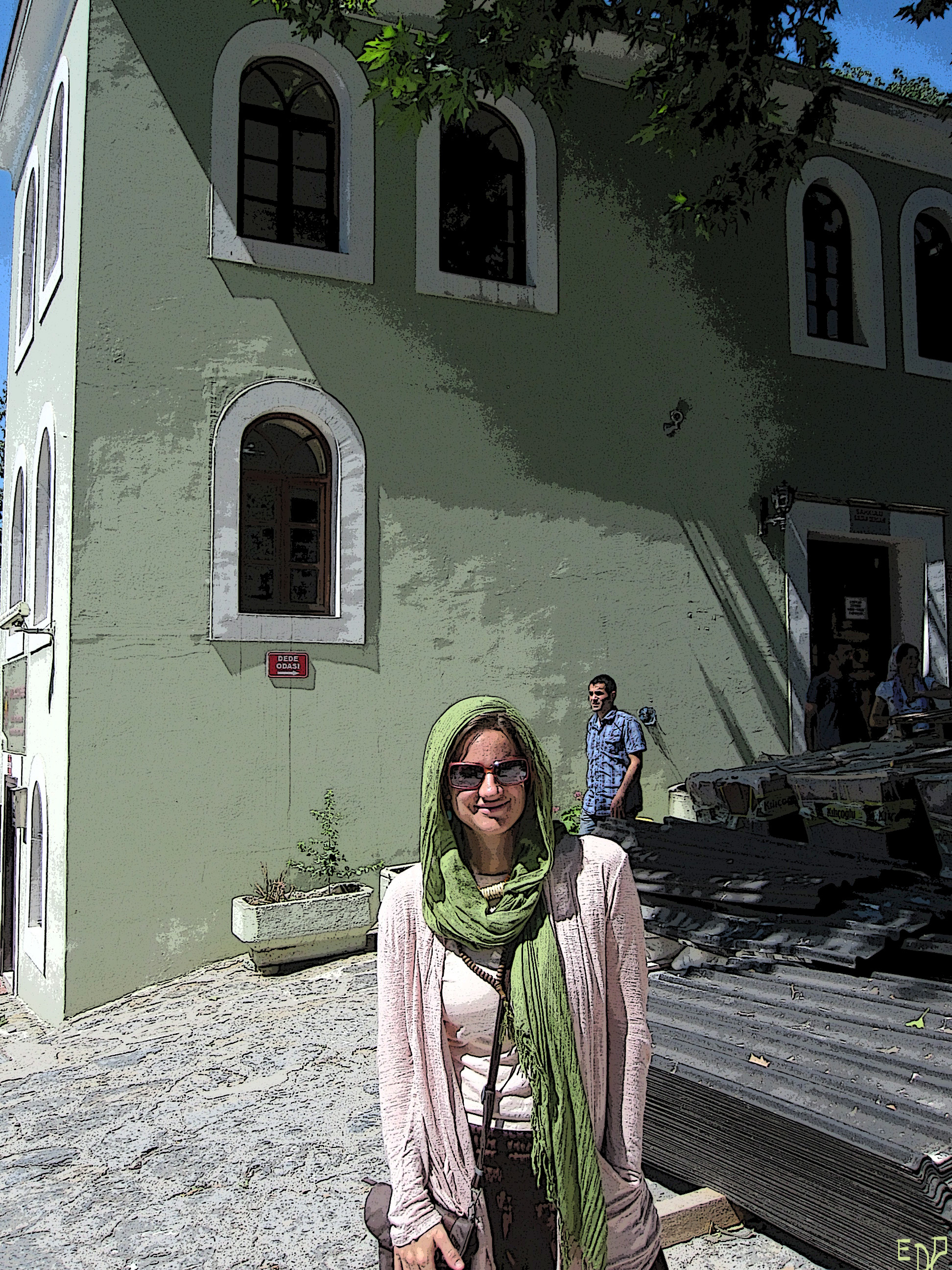
Visiting with Bektashis in Turkey (Photo: Emily O’Dell)
In my last post about Sufism in Macedonia, I linked to an article about the Sufi followers of the medieval mystic Hajji Bektash Wali/Veli–whose order is found extensively throughout Albania, Kosovo and Macedonia.
The last time I was in Turkey, a Sufi took me to watch a “semah” performed by Bektashis in Istanbul. Semahs have been described by UNESCO as “a set of mystical and aesthetic body movements in rhythmic harmony” performed to the accompaniment of the “saz,” a long-necked lute.
While some consider them a secretive order, the people I met at the cemlevi (gathering house) were hospitable, welcoming and kind. What struck me most about the ceremony was the beauty of the songs that were sung (which reminded me of my Tajik music teacher strumming his dutar), and the sight of men and women dancing–and even whirling–together side-by-side (which would be considered heretical by some).
Not unlike the sema (whirling ceremony) of Rumi, the semah rituals of the Alevi-Bektashis are founded on the concept of seeking unity with the divine, and each movement within the ceremony is coded with spiritual meaning. To watch the whirling movements of the semah, tune into the video below around the 5:30 mark…
The condition of the common people is to injure one another. Therefore arrogance and jealousy, malevolence and meanness, as well as enmity can be always seen among them. This is the case with nearly all of them.
The second group is made of the ascetics. Their derivation is of fire and they are the People of the Path. Therefore, they have to burn night and day and burn themselves, for whoever incinerates himself in this world will be rescued from the large number of punishments awaiting in the hereafter. Hence, know that one who has burned once will never burn again.
After that, the third group is that of the Knowers. Their derivation is of water and they are the people of spiritual understanding (ma’rifat). As water is both pure and also purifying, a knower also should be both pure and purifying…
Water is pure and if it is poured into any jug, the jug holds the qualities of the water. Similarly, nothing accrues in the jug except the water itself. In addition, its color is apparent and it expels pollution. Likewise the purity of knowers is apparent, and it returns to its own source and accumulates…
— Hajji Bektash Veli
Posted in Blog
Comments Off on Whirling with the Bektashis in Turkey…
Sufism in Macedonia…
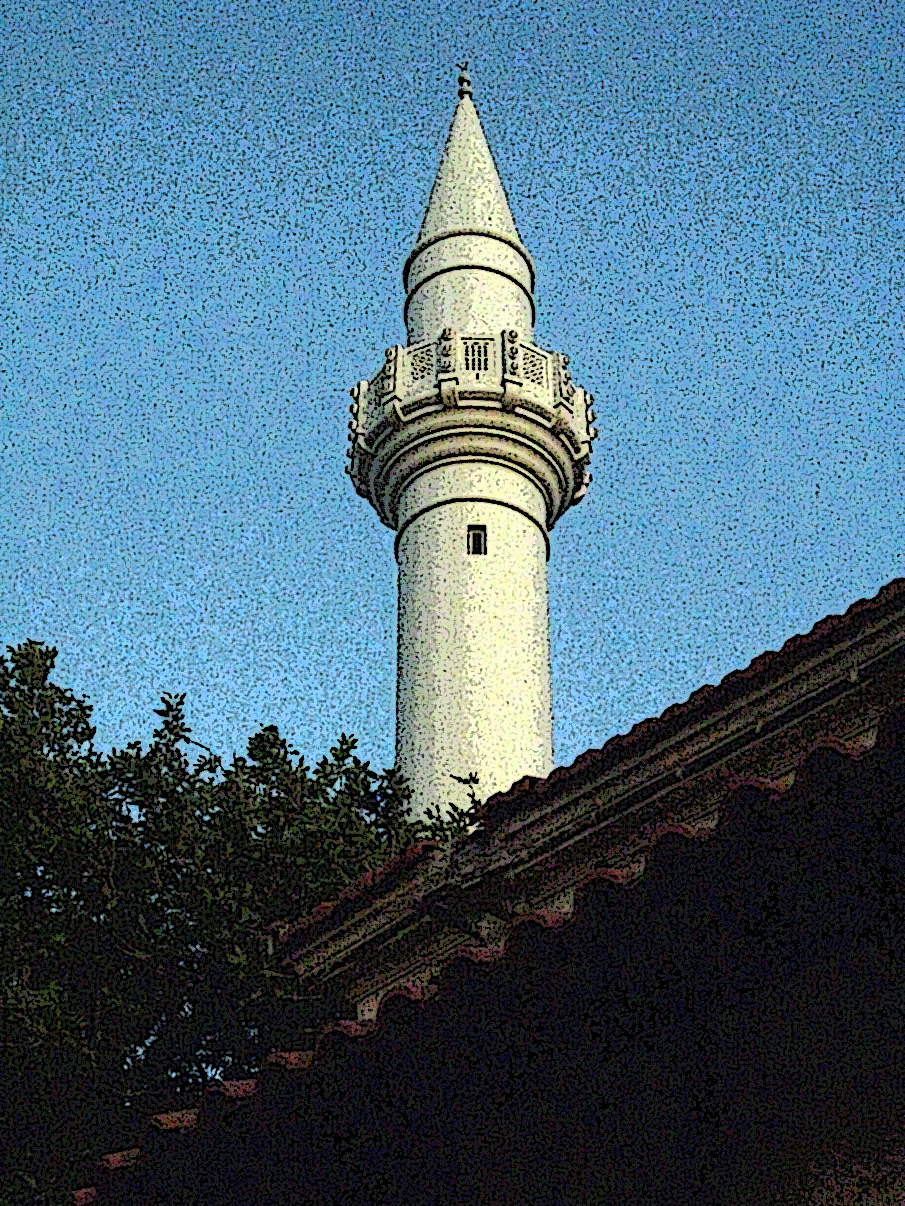
Photo: Emily O'Dell
In the Balkans, Islam and Christianity often coexist within a very small area and this has been an obstacle in relations between the two communities over the centuries. But people in south-east Europe tend to know very little about the life of communities other than their own.
I have always been fascinated by the mystery and secrecy of the Dervish orders so I was keen to learn more about them and reveal their world of ritual and beliefs in this story…
The order was founded almost 800 years ago by the Islamic mystic Hajji Bektash Wali and has remained autonomous within Islam as one of the largest and oldest of the Dervish orders.
— Nemanja Pancic
To read about Sufism in Macedonia with an accompanying slide show, please click here…
Posted in Blog
Comments Off on Sufism in Macedonia…