 Emily’s Blog
- Sunset Beach Tai Chi July 22, 2024
- Coffee with Abu… July 22, 2024
- Rumi Latte in Beverly Hills July 22, 2024
- Judging a Burmese TedTalk July 22, 2024
- Mystical Tajik Cafe in Beverly Hills July 21, 2024
- Hollywood: Brown Film Festival July 21, 2024
- New Play Premiere in Burma July 21, 2024
- Bhutan Meets Malibu & Mulholland July 21, 2024
- Tricycle Bliss July 21, 2024
- Kung Fu Panda July 21, 2024
Category Archives: Blog
Breaking in Beirut…

Today in Beirut
Posted in Blog
Comments Off on Breaking in Beirut…
Camels…
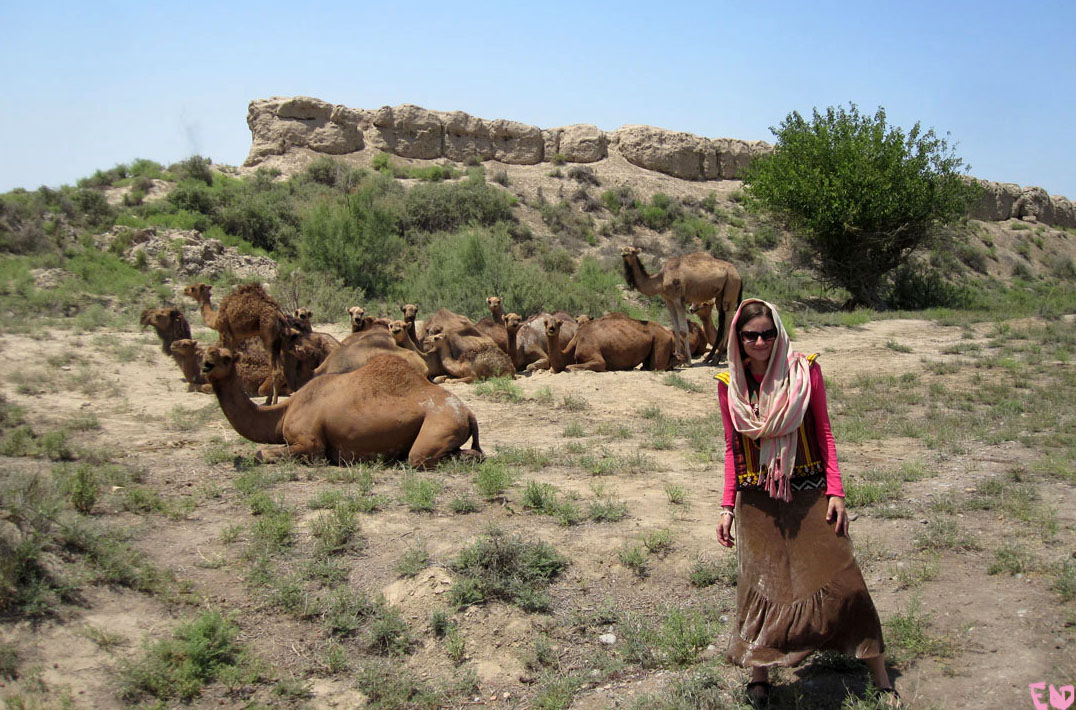
Working on the Silk Road in Turkmenistan (Photo: Emily O'Dell)

Say what? (Photo: Emily O'Dell)
Any wine will get you wasted.
Judge like a king, and choose the purest,
the wines unsullied with fear,
or some urgency about “what’s needed.”
Drink the wine that moves you,
as a camel moves when it’s been untied,
and is just ambling about…
— Rumi
Posted in Blog
Comments Off on Camels…
Dreaming of Rumi in Beirut…
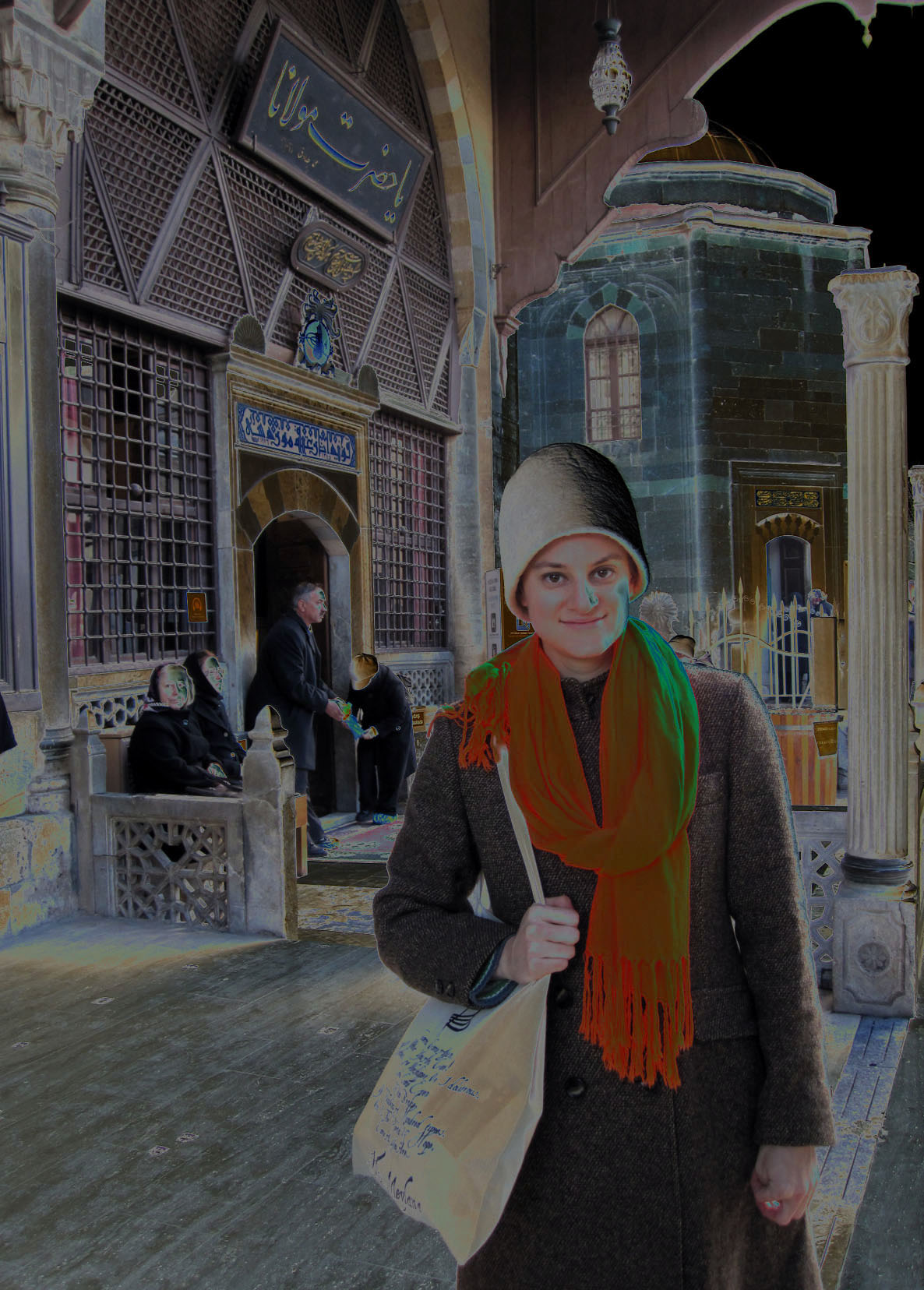
At Rumi's tomb in Konya (Photo: Emily O'Dell)
This place is a dream
only a sleeper considers it real
then death comes like dawn
and you wake up laughing
at what you thought was your grief.
A man goes to sleep in the town
where he has always lived,
and he dreams
he’s living in another town.
In the dream, he doesn’t remember
the town where he’s sleeping in his bed–
he believes the reality of the dream town.
The world is that kind of sleep
— Rumi
Posted in Blog
Comments Off on Dreaming of Rumi in Beirut…
Women on the Path of Rumi…

With Cemalnur Sargut in Istanbul (Photo: Emily O'Dell)
When it comes to love, women can learn and grow as a Mevlevi very quickly.
— Cemalnur Sargut
In my ten-year Silk Road wanderings, I’ve been very fortunate to learn about Sufism from some of the most revered female Sufi teachers in the region. One of the most inspiring Sufi teachers with whom I’ve met is Cemalnur Sargut in Turkey–who is also the President of the Turkish Women’s Cultural Association (TURKKAD).
With sweet grace and loving compassion, Cemalnur has guided many broken hearts towards joy and kindness–even in the face of tremendous suffering and hardship. She is beloved by female and male dervishes alike–and to be in her loving and generous presence is to be truly humbled. In the video below, she explains how and why women are well-suited for the path of Rumi…
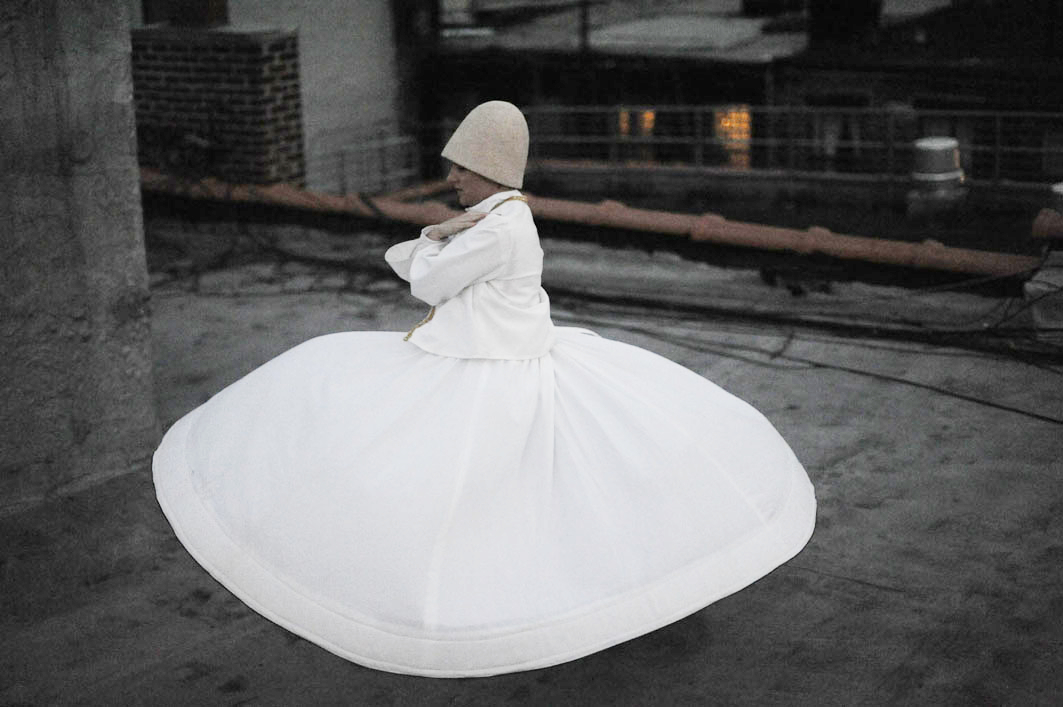
Floating on my roof... (Photo: Eddie Chu)
Posted in Blog
Comments Off on Women on the Path of Rumi…
What is Sema, do you know?
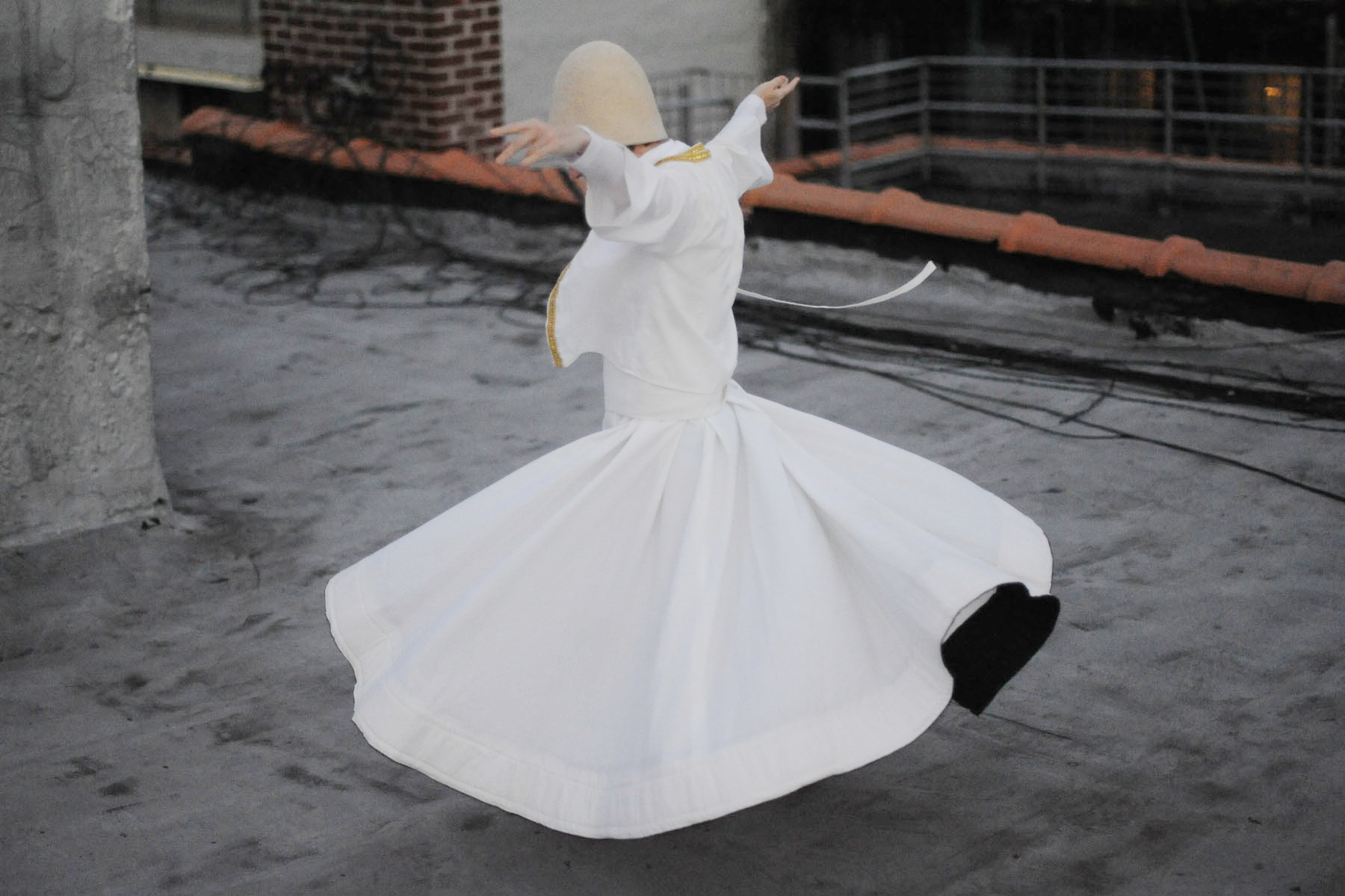
Whirling on my roof in Harlem (Photo: Eddie Chu)
What is sema, do you know?
Being ignorant of existence and tasting eternity in
the ultimate mortality.
— Rumi
Posted in Blog
Comments Off on What is Sema, do you know?
Dervishes in Konya…
To see Tim Mackintosh-Smith follow in the footsteps of the legendary 14th century explorer
Ibn Battuta and meet with dervishes in Konya (where Rumi is buried), click on this clip…
Posted in Blog
Comments Off on Dervishes in Konya…
What is Sema?
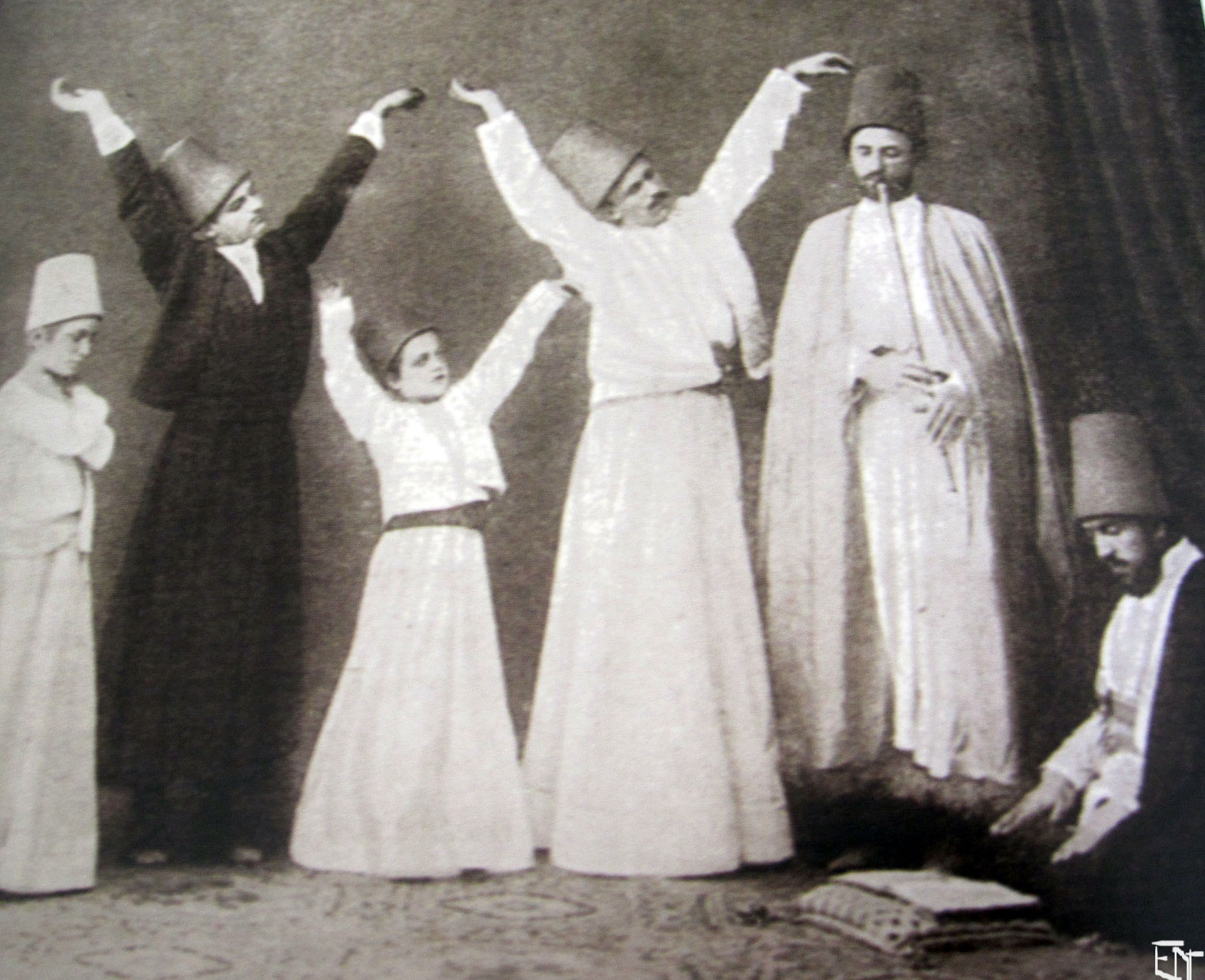
Studying old photographs of dervishes (Photo: Emily O'Dell)
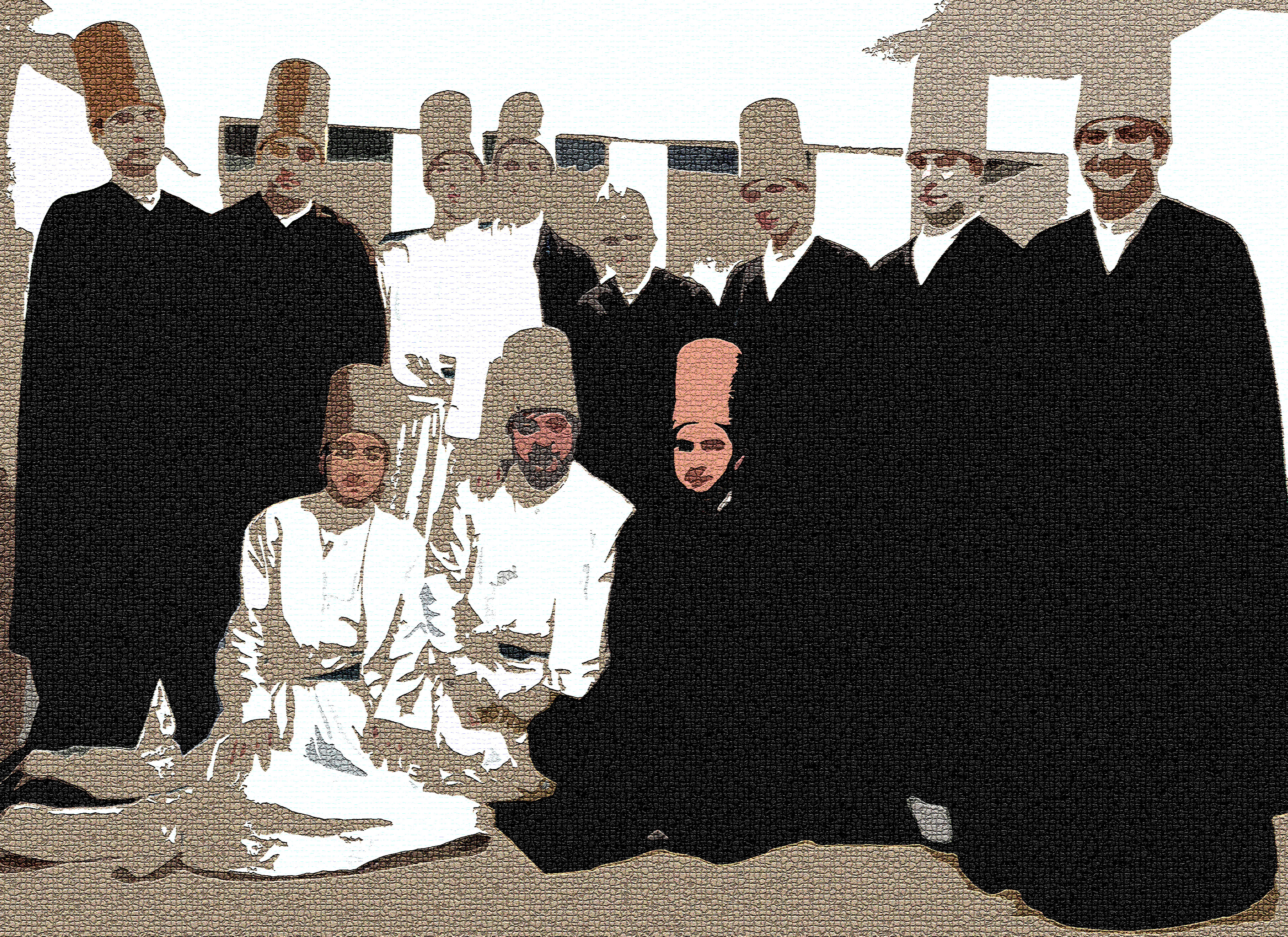
Learning whirling in Turkey (Photo: Emily O'Dell)
What is sema, do you know?
It is the hearing of the sound ‘yes,’
Of separating from yourself and reaching the Beloved,
Seeing and knowing the state of the Friend,
And hearing, through the divine veils, the secrets of the Beloved.
— Rumi
Nothing could have prepared me to learn the sema whirling ceremony in Turkey. Even though I’d been a dancer my whole life, it didn’t matter. And though I’d studied tanoura in Egypt, that didn’t matter. What I thought mattered, didn’t–and what did matter, is not what I had thought…at all…
To learn how to whirl, one often has to seek and receive permission–which is no easy task. Before even beginning to learn the mechanics of whirling, a dervish must often prove herself first in service. In Rumi’s time, a dervish had to complete a retreat of study and service for 1,001 days. Today, long retreats are rarely required. In Rumi’s day, a series of ascetic tests were also given to assess the resolve and longing of an aspirant’s heart–but today more aspirants are welcomed than turned away. Because whirling is about much more than spinning, a dervish doesn’t learn how to “whirl” until many months have passed. Because whirling begins in the heart, that is where the training starts too.
Each aspect of the whirling ceremony is highly symbolic–and related to the cosmos and grave. To learn the symbolism of the sema ceremony in depth, I completed an intensive 40 day retreat in Istanbul with a Mevlevi sheikh–who taught me much more than just the mechanics of how to spin. Though the formalized ceremony of whirling did not emerge until after Rumi’s death, “sema” is the ritual most associated with his order. As you can see in these photographs, the right hand is open to the sky to receive love, and the left hand is pointed down to the earth for the dervish to deliver the love received–while whirling between the two worlds…
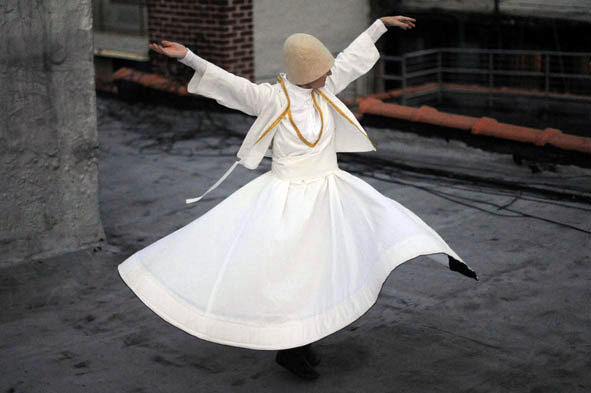
Whirling on my roof (Photo: Eddie Chu)
Posted in Blog
Comments Off on What is Sema?
Whirling in Cairo…
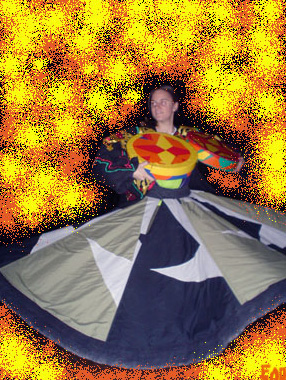
Whirling in Cairo (Photo: Emily O'Dell)
The Lover is ever drunk with Love.
He is mad,
she is free.
He sings with delight,
she dances with ecstasy.
Caught by our own thoughts,
we worry about everything.
But once we get drunk on that Love
whatever will be, will be.
— Rumi
When you think of whirling dervishes, do you think of Turkey? How about Egypt? Over a decade ago, I began my whirling training in Egypt–not Turkey. The whirling ceremony of the Mevlevi Order (of Rumi) is quite different from the practice of whirling in Egypt–which is called “tanoura.” In Egypt, the attire for tanoura is full of color, whereas the sema ceremony of Rumi requires a white dress.
To watch tanoura, click on the tourist video from Dubai below–around the 2:00 mark is where things start to get pretty crazy with the skirt (the umbrellas are an innovation that I’ve never seen in person). Tanoura is very difficult–it looks fluid and beautiful, but all whirling is really an ascetic practice. The skirt of the performer below is weighted, and it takes remarkable practice to not get sick or lose one’s balance. So, while I don’t want to say ‘don’t try this at home’ since whirling has many benefits to bestow, try a slow (tai chi speed) version if you feel compelled to give it a whirl…
Posted in Blog
Comments Off on Whirling in Cairo…
Rumi in the Levant…
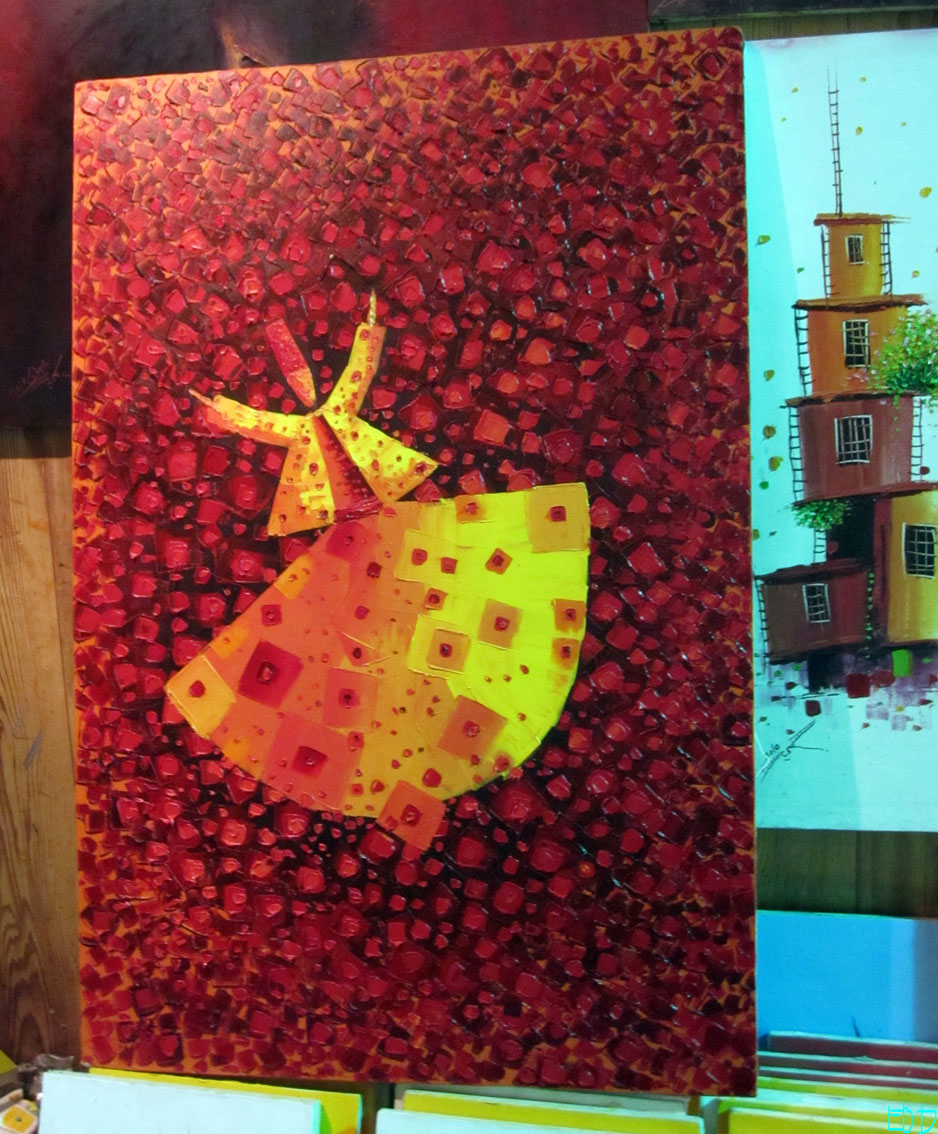
Dervishes in Damascus, Syria (Photo: Emily O'Dell)
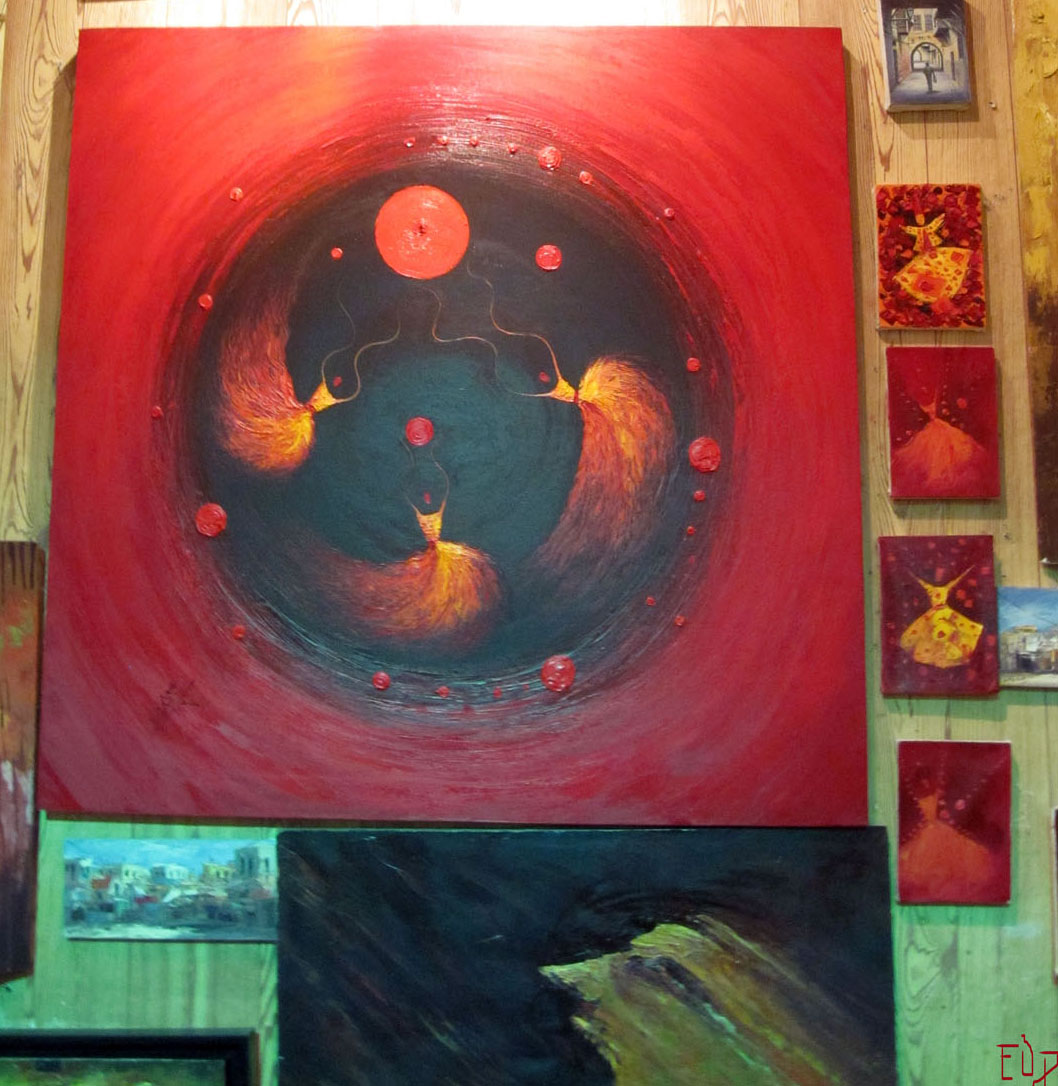
Damascus, Syria (Photo: Emily O'Dell)
In my piece Sharing the Sufis of Syria, I explored the vibrant Sufism–including whirling–being practiced throughout Syria today. In fact, Rumi was very familiar with Damascus–having traveled there himself…
Damascus, in many ways, served as the landscape of Rumi’s grief–since it is where he reportedly searched for his teacher Shams of Tabriz, after Shams disappeared (having fallen victim to those who were jealous of the love that he and Rumi shared). Many of Rumi’s most famous verses were composed out of an all-consuming longing for his lost friend…
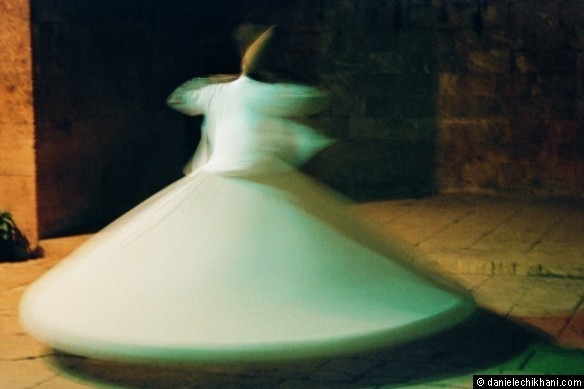
Today, from dervishes whirling in Aleppo (below) to Sufis whirling in Beirut, Rumi’s legacy lives on in the Levant…
Posted in Blog
Comments Off on Rumi in the Levant…
Rumi & Shashmaqam in Tajikistan…
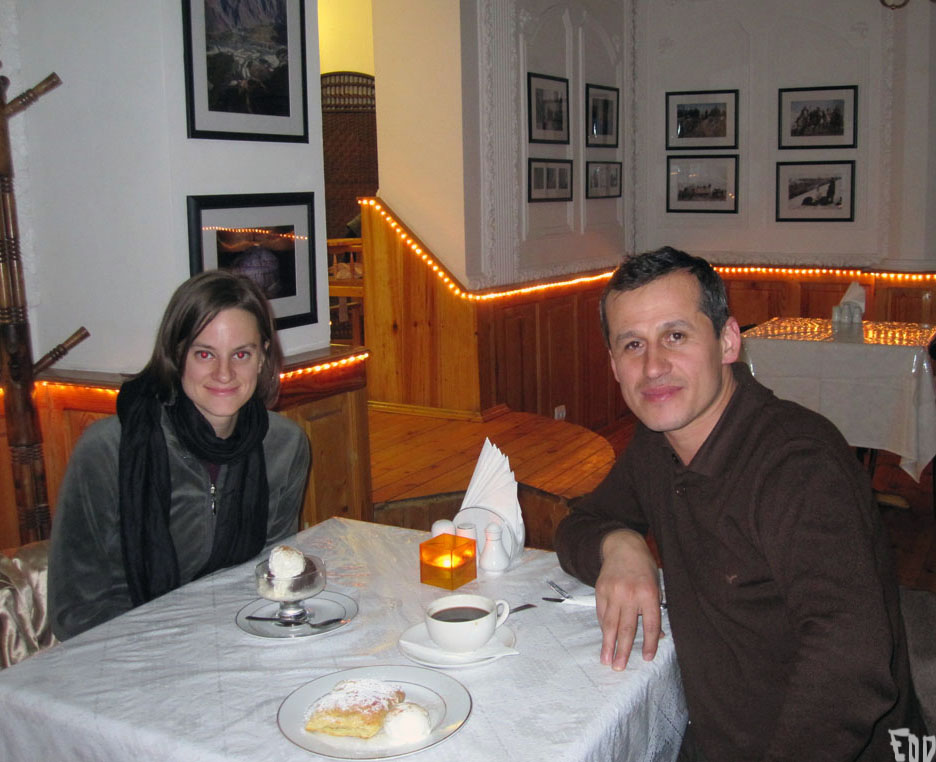
With Sirojiddin Juraev (above & below) in Tajkistan
We have fallen into the place
where everything is music.
The strumming and the flute notes
rise into the atmosphere,
and even if the whole world’s harp
should burn up, there will still be
hidden instruments playing…
— Rumi
In addition to studying Sufism in Tajikistan, one of the other reasons why I keep finding myself returning there is to study the shashmaqam–a refined Central Asian music tradition which uses Persian Sufi poetry–especially the poems of Rumi and Hafiz–to create lyrical melodies infused with the spirit of Sufism. In Dushanbe, I studied dutar (a two-stringed long-necked lute) with a folk music master, who treated me to a mini-concert (Rumi lyrics included) every lesson. To listen to the soulful sounds of shashmaqam, click on the video above (the beautiful singing comes in around the 4:00 mark), and to see a true dutar master at work, click on the video below (all that sound from just two strings!). Today, all over Tajikistan–and Uzbekistan–Rumi’s words and memory live on in the shashmaqam…
Posted in Blog
Comments Off on Rumi & Shashmaqam in Tajikistan…
Traveling to Tajikistan…

Haji Yaqub Charkhi Mosque in Dushanbe, Tajikistan (Photo: Emily O'Dell)
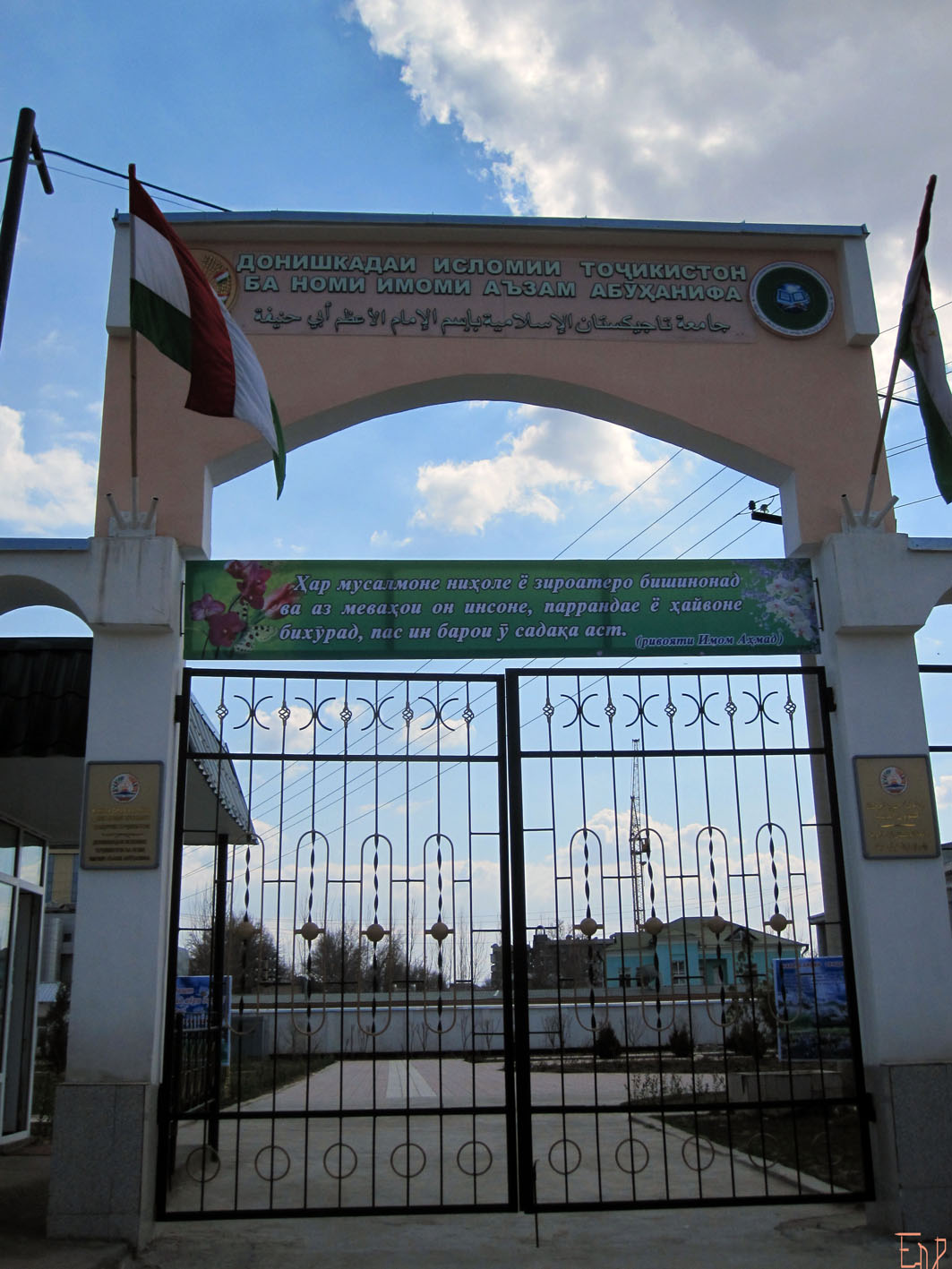
The Islamic University of Tajikistan
as a child in school memorizes facts and concepts
from books and from what the teacher says…
With such intelligence you rise in the world.
You get ranked ahead or behind others
in regard to your competence in retaining
information. You stroll with this intelligence
in and out of fields of knowledge, getting always more
marks on your preserving tablets.
There is another kind of tablet, one
already completed and preserved inside you.
A spring overflowing its springbox. A freshness
in the center of the chest. This other intelligence
does not turn yellow or stagnate. It’s fluid,
and it doesn’t move from outside to inside
through conduits of plumbing-learning.
This second knowing is a fountainhead
from within you, moving out.
This poem by Rumi (translated by Coleman Barks) illustrates Rumi’s embrace and promotion of experiential, mystic knowledge over scholarly, academic knowledge–which is radical considering his upbringing. Tajiks and many others believe that Rumi was born in Vakhsh, Tajikistan. Rumi’s father, Bahā ud-Dīn Walad, was a celebrated scholar of theology referred to as the “Sultan of Scholars.” Rumi initially followed in his father’s footsteps by becoming a teacher of theology and jurisprudence himself. But everything in Rumi’s life changed in the wake of his legendary first encounter with Shams of Tabriz–a wandering mystic who encouraged Rumi to leave his academic knowledge behind, and instead step on to the path of the love…
When I was living in Tajikistan to improve my Persian–in hopes of reading Rumi in the original–I visited a number of Sufi teachers and shrines. In Tajikistan, as in Afghanistan, Rumi’s legacy is alive and well–as is Sufism (even the mosque pictured above is named after a Sufi). I was very fortunate to return to Tajikistan several times to study the transmission of Sufism at the Islamic University–where Rumi features prominently in the curriculum. Even though Rumi left his scholarly books behind, today many people–from theology students in Tajikistan to poetry lovers in America–can’t seem to put his books down…
Posted in Blog
Comments Off on Traveling to Tajikistan…
The Tavern of Ruins…
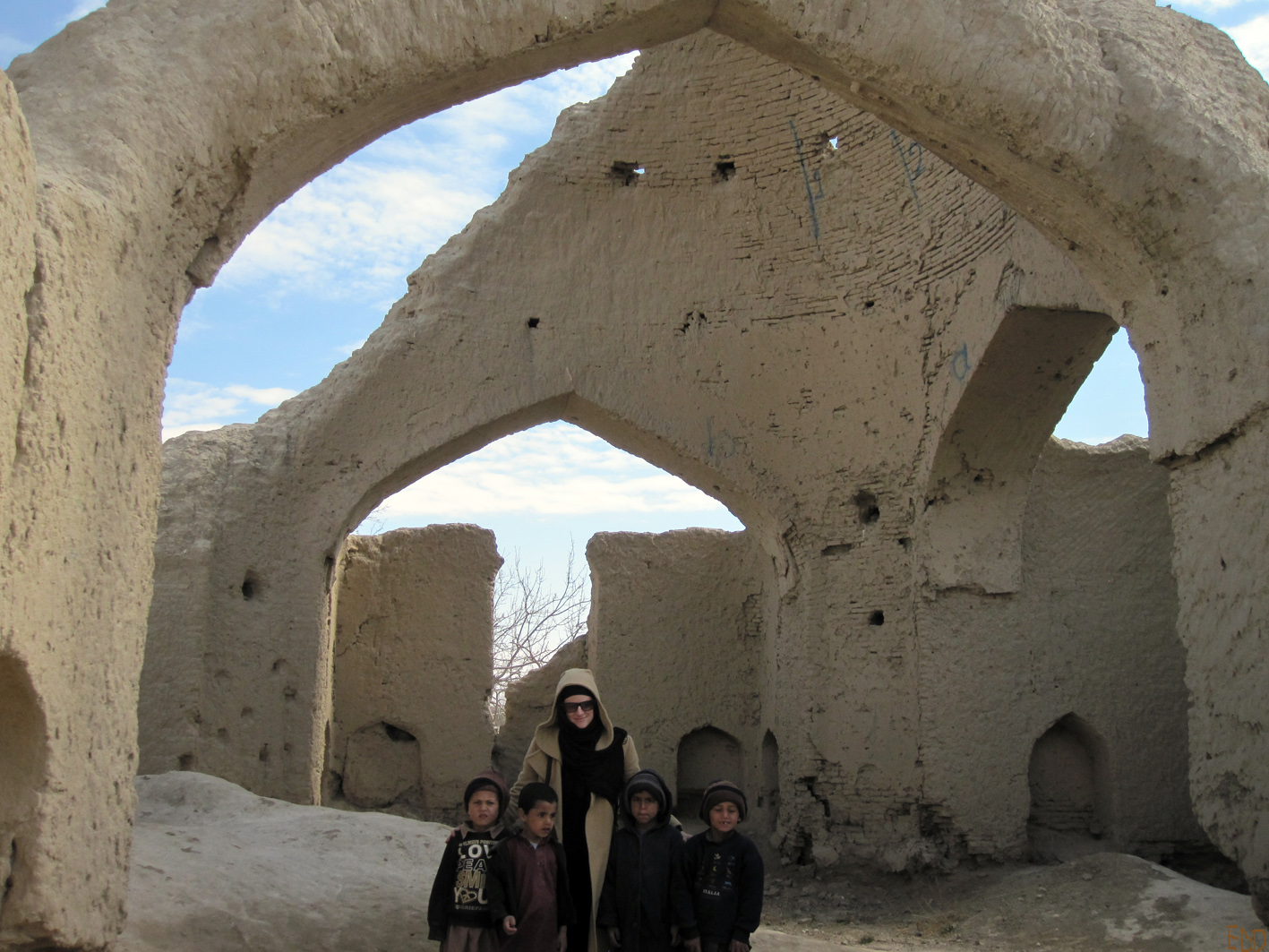
The tavern of ruins (Photo: Emily O'Dell)
Within tears, find hidden laughter.
Seek treasures amid ruins, sincere one.
— Rumi
Before exploring each nook of this structure on my own, I spent some time playing with these rascals–who greeted us when we drove up to the house. When I stepped out of the car, they asked me to join them for a game of hide-and-go-seek–which seemed like the perfect game to play in a house thought to have belonged to Rumi’s family. My Afghan host family, who kindly brought me here on their way to visit other Sufi shrines, said a number of prayers–and the little girl who accompanied us recited verses from Rumi’s masterpiece–the Masnavi–right in the middle of the house. Like her–and these other tiny custodians of Rumi’s memory in Afghanistan–Rumi was a child affected by war too…
Come on, my friend.
Step into the tavern of ruins.
Taste the sweetness of life
in the company of another friend.
— Rumi
Gather your things, looks like this caravan of friends is moving on…
Posted in Blog
Comments Off on The Tavern of Ruins…
Stepping Inside…
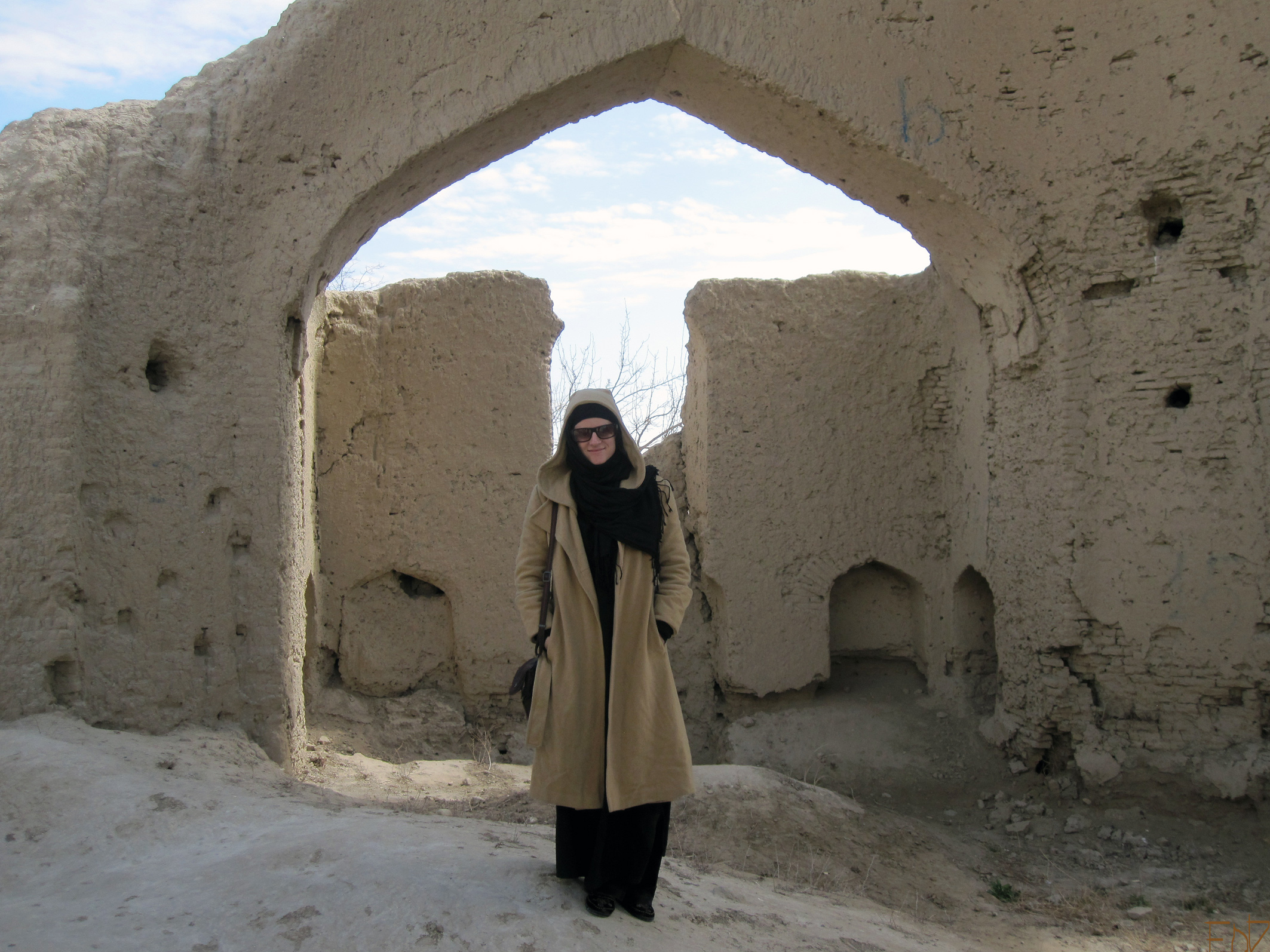
Rumi
I want to be where your bare foot walks,
Because maybe before you step you’ll look at the ground.
I want that blessing.
— Rumi
Posted in Blog
Comments Off on Stepping Inside…
Caravan of Lovers…
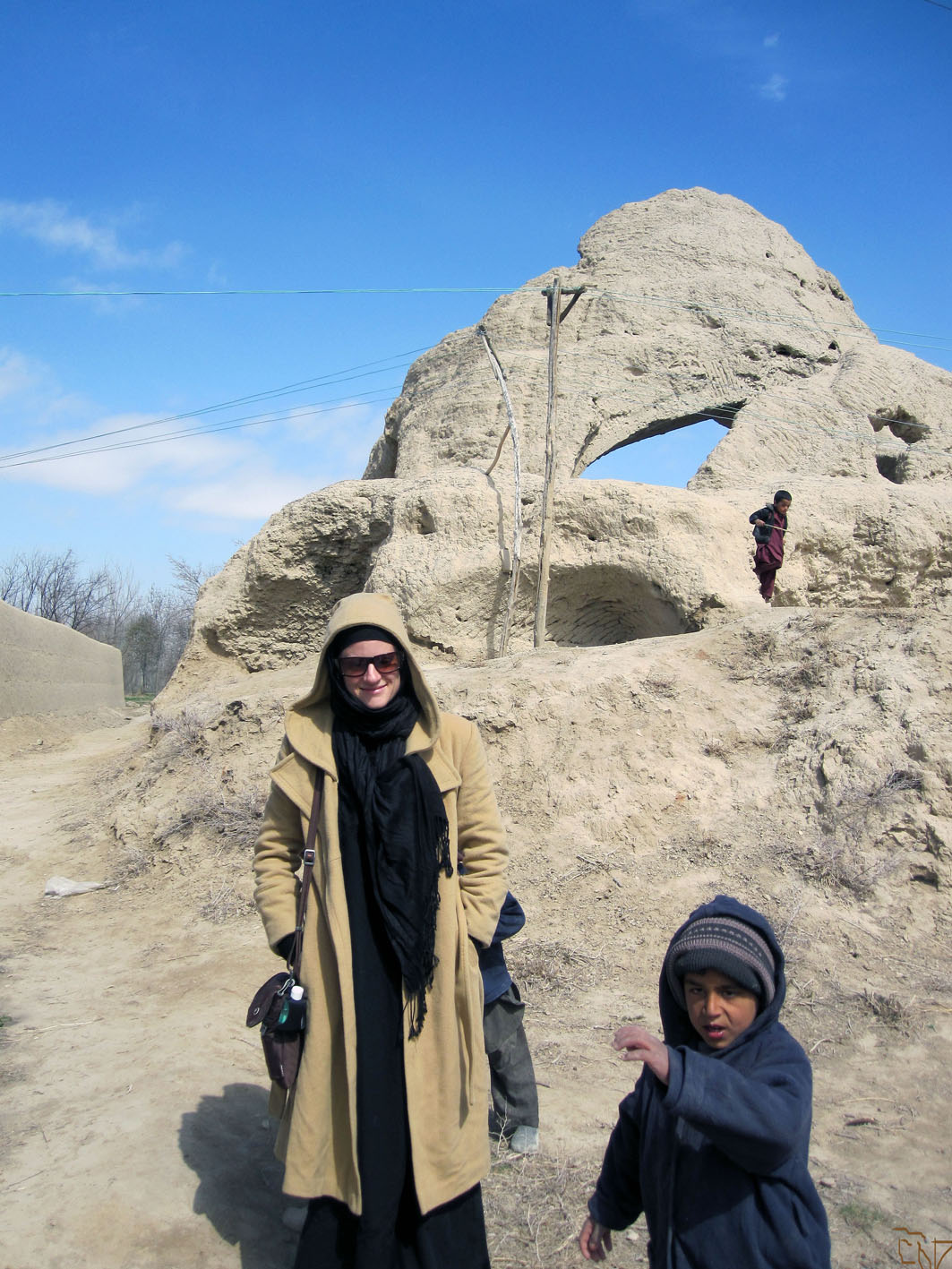
Children preserving Rumi's memory in Balkh
There’s no one with intelligence in this town
except that man over there playing with the children,
the one riding the stick horse.
He has keen, fiery insight and vast dignity
like the night sky,
but he conceals it in the madness of child’s play.
— Rumi
Posted in Blog
Comments Off on Caravan of Lovers…