 Emily’s Blog
- Sunset Beach Tai Chi July 22, 2024
- Coffee with Abu… July 22, 2024
- Rumi Latte in Beverly Hills July 22, 2024
- Judging a Burmese TedTalk July 22, 2024
- Mystical Tajik Cafe in Beverly Hills July 21, 2024
- Hollywood: Brown Film Festival July 21, 2024
- New Play Premiere in Burma July 21, 2024
- Bhutan Meets Malibu & Mulholland July 21, 2024
- Tricycle Bliss July 21, 2024
- Kung Fu Panda July 21, 2024
Category Archives: Blog
Souvenirs…
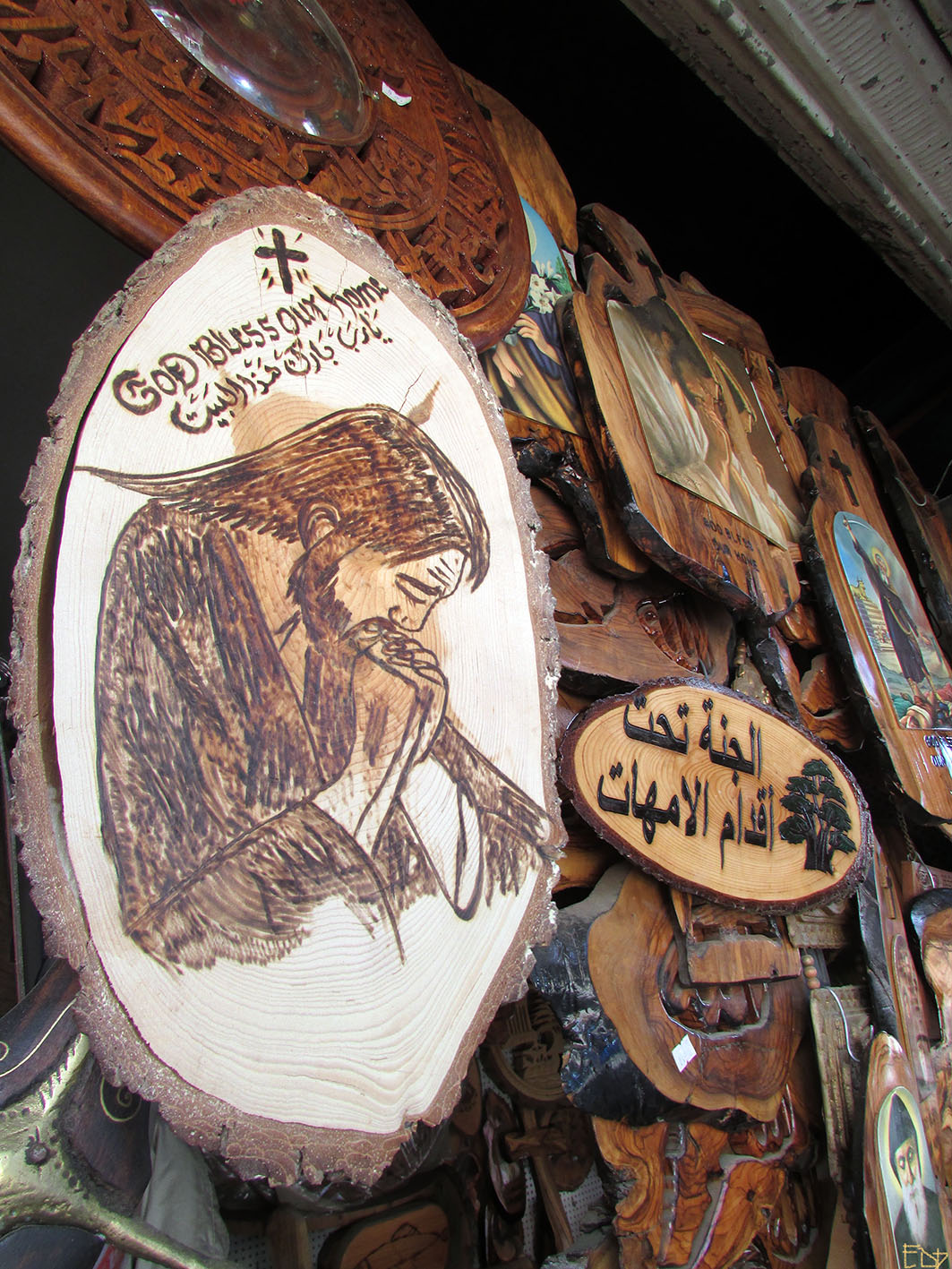
On the road in Lebanon (Photo: Emily O'Dell)
Posted in Blog
Comments Off on Souvenirs…
Madame X…
Audiences are not important for me now and they never were.
This week, I can’t get enough Rachmaninoff–especially Martha Argerich’s performance of Rachmaninoff’s Piano Concerto No. 3. Though she has cited Prokofiev as her favorite Russian composer, Argerich’s 1982 performance with the Berlin Radio Symphony Orchestra of Rachmaninoff’s Concerto No. 3 (above) is legendary. Her genius is still producing celebrated new recordings. Earlier this month, Argerich and Orchestra Mozart released an elegant and electrifying new recording of Mozart’s Piano Concertos in C Major K 503 & D Minor K 466. As I listen to recordings of her compelling performances here in Beirut–surrounded by the carnage of hate, and millions of victims of war–I’m reminded of the beauty that human hands and hearts can create when working in concert…
Bloody Daughter, a documentary about Argerich’s brilliant artistic career and enigmatic private life, was released last year. This intimate portrait of the artist’s life was directed by her daughter, and it explores the nature of their mother-daughter relationship–along with Argerich’s musical gift. You can watch a clip from the film below…
Posted in Blog
Comments Off on Madame X…
Heading to the Hills…
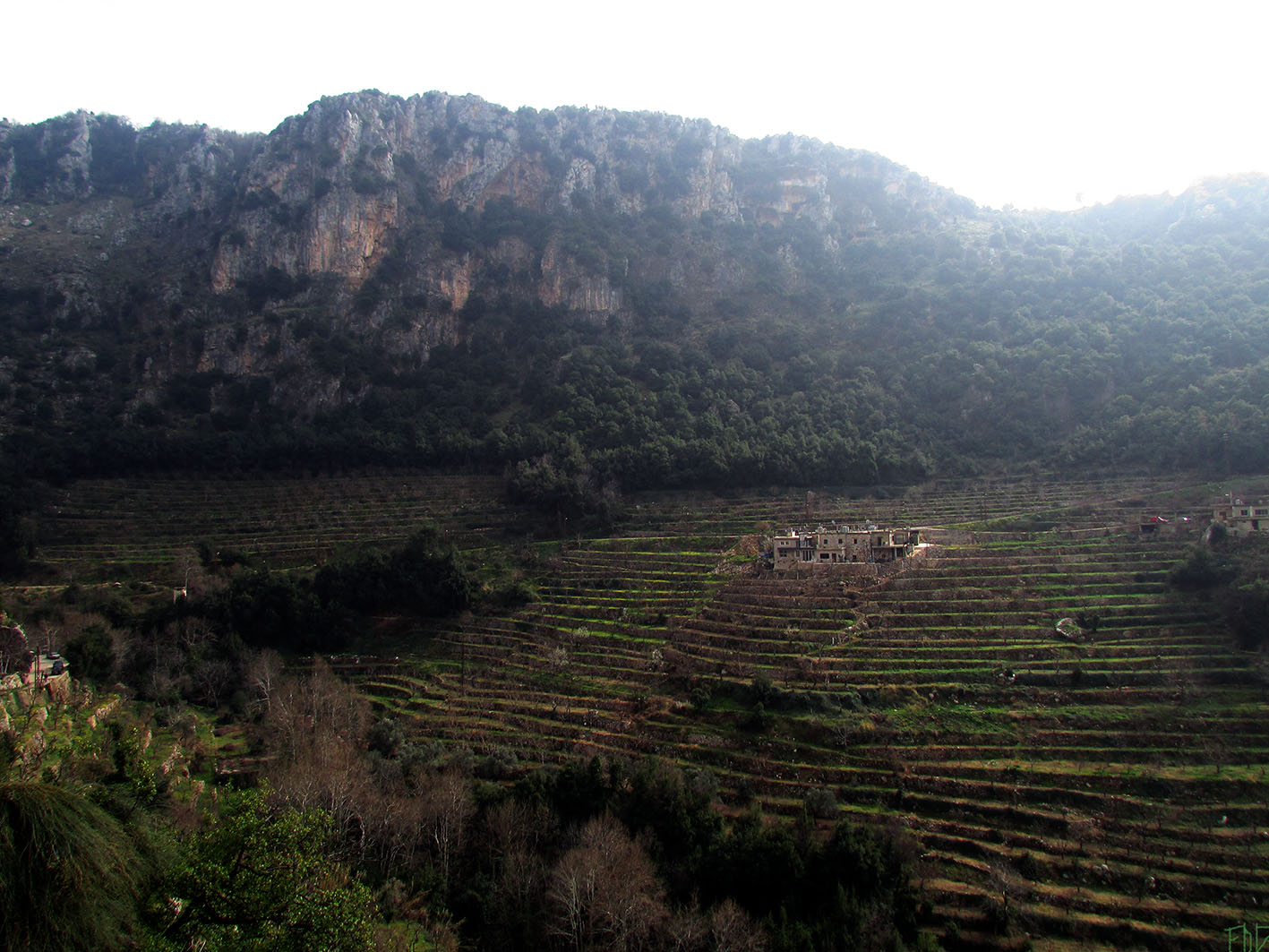
On retreat in Lebanon (Photo: Emily O'Dell)
I am far, far away, my companions, and the clouds are
Hiding the hills from my eyes.
The valleys are becoming flooded with an ocean of silence…
— Khalil Gibran
While hiking yesterday to a monastery hidden in the mountains (far away from the chaos of Beirut), I came across this terraced landscape in a valley known for centuries as a contemplative home for pious ascetics…
Posted in Blog
Comments Off on Heading to the Hills…
Beirut Graffiti…
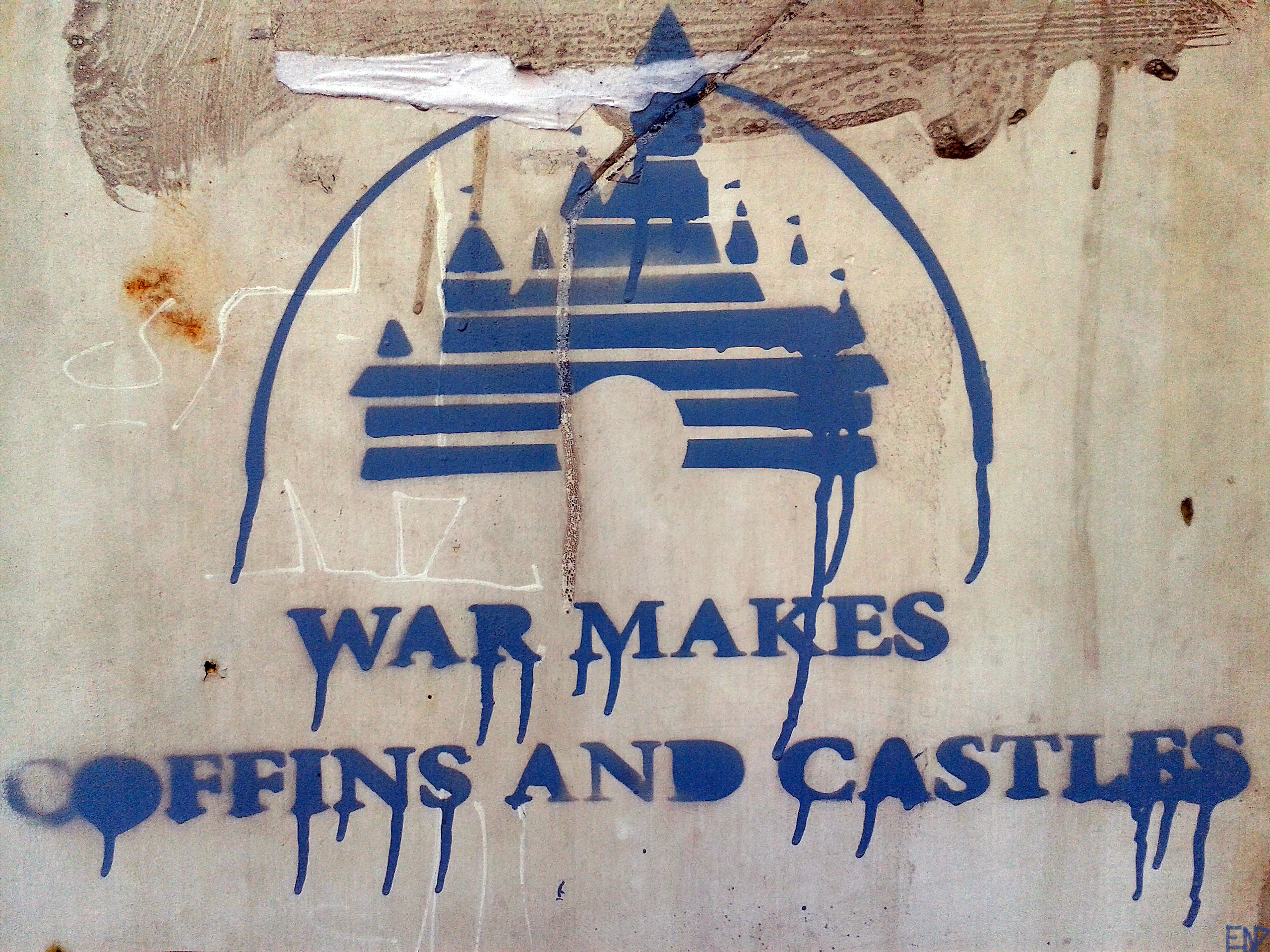
Today in Beirut (Photo: Emily O'Dell)
Posted in Blog
Comments Off on Beirut Graffiti…
Snow in Lebanon…
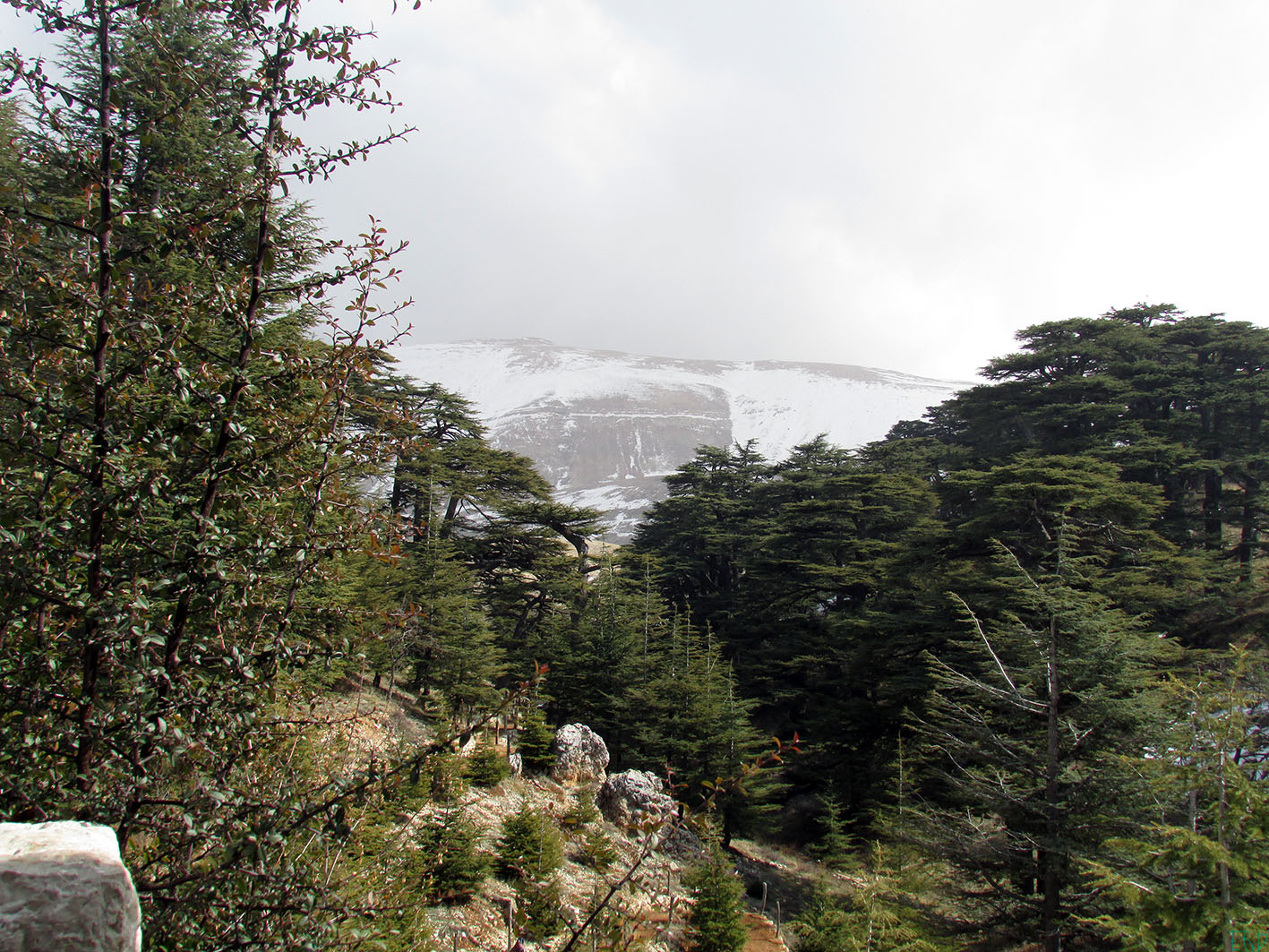
Exploring the Cedars (Photo: Emily O'Dell)
Kindness is like snow – it beautifies everything it covers…
— Khalil Gibran
On our drive yesterday to the Cedars, we barely saw any snow. Usually, around this time of year, the ski slopes in Lebanon are blanketed with thick, fresh snow. This year, however, the ski lifts are empty, and the muddy mountains are playing host to restless hikers–hungry for adventure in a winter without snow. Today, one of my colleagues, who’s hoping for some snow next month, quoted an old saying (which in Arabic rhymes): “Save your wooden logs for the month of March.”
Posted in Blog
Comments Off on Snow in Lebanon…
A Familiar Face…
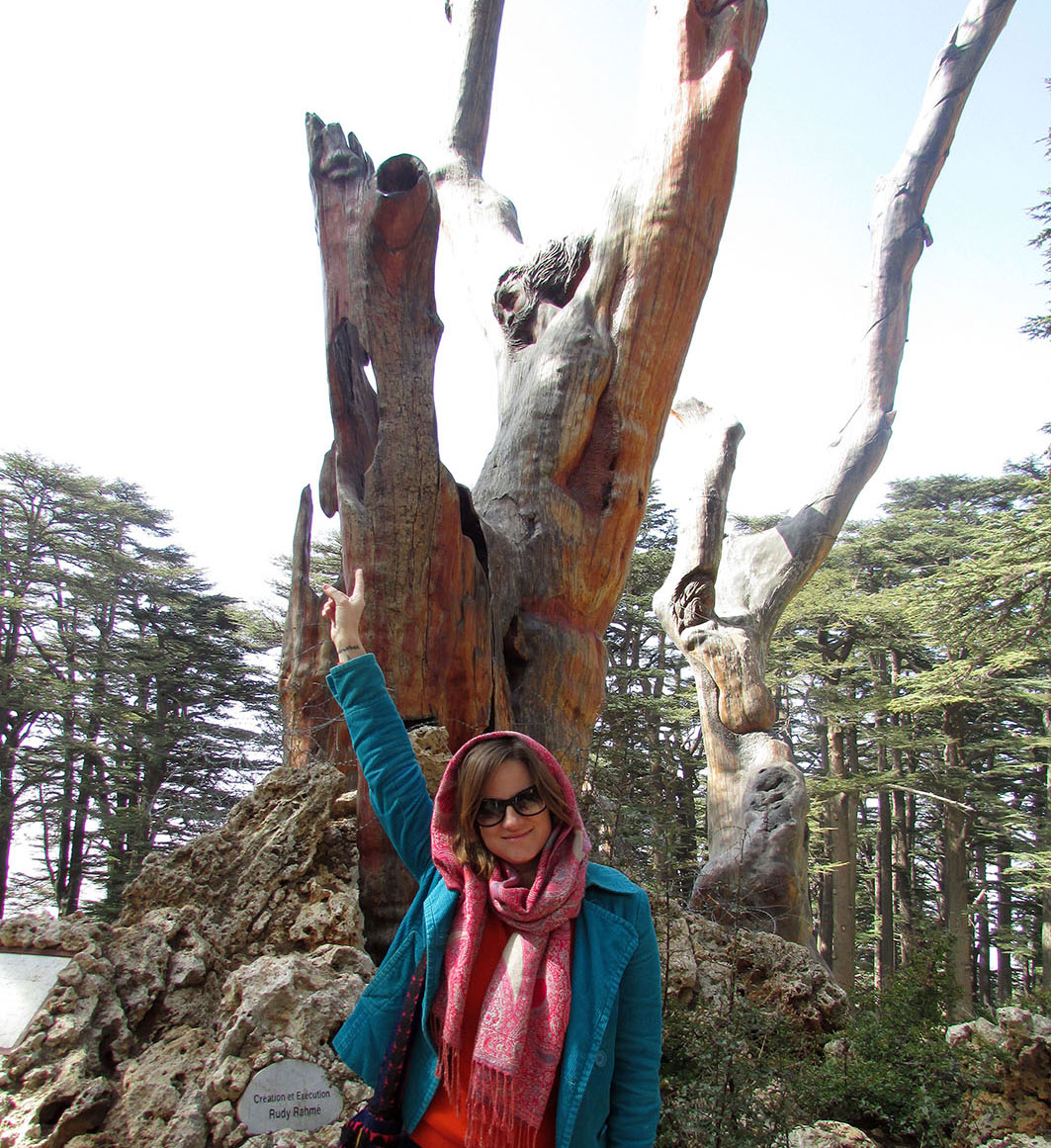
Today in Lebanon (Photo: Emily O'Dell)
Posted in Blog
Comments Off on A Familiar Face…
Take a Hike…
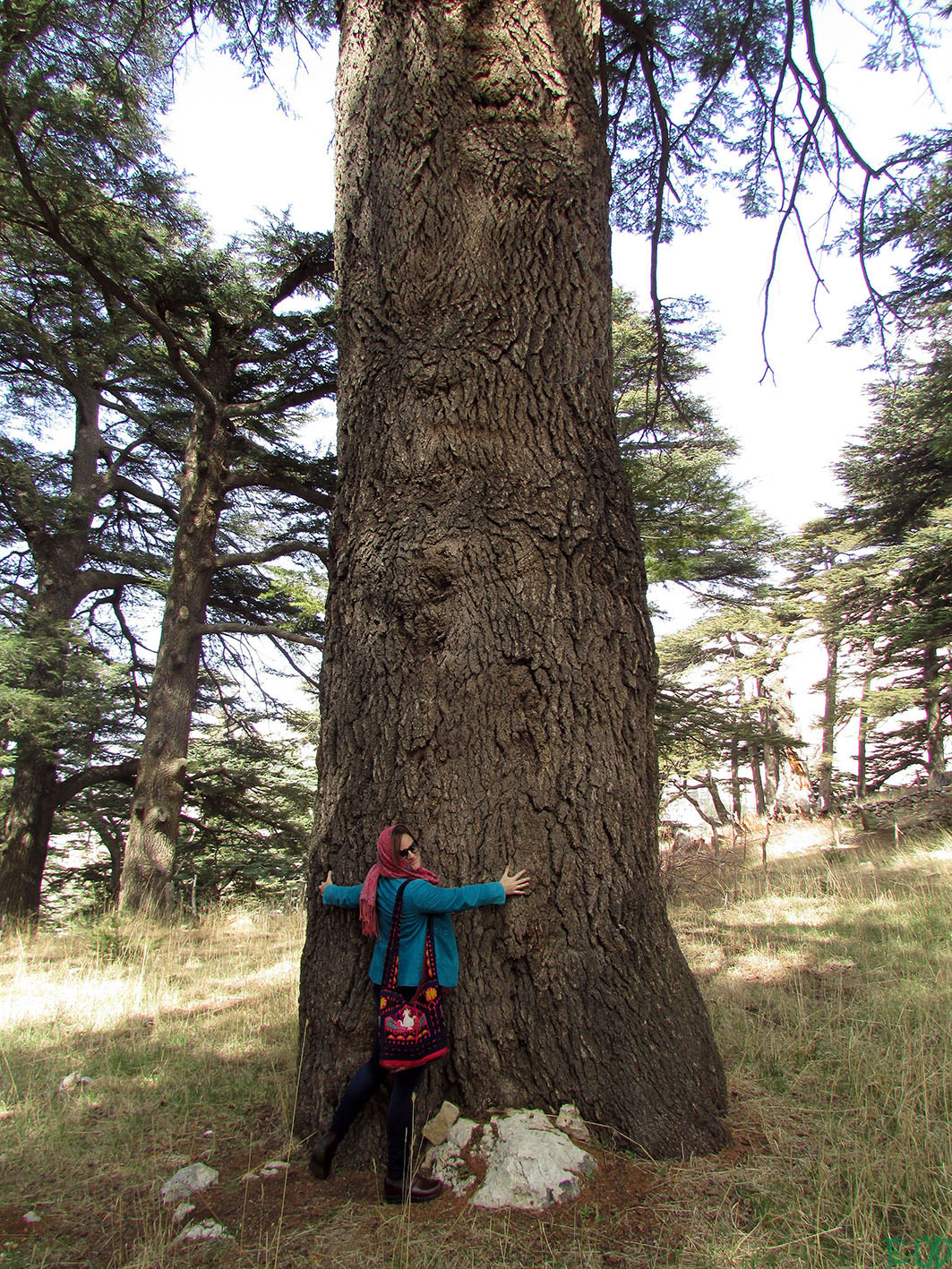
The Cedars of Lebanon (Photo: Emily O'Dell)
Nature reaches out to us with welcoming arms, and bids us enjoy her beauty;
but we dread her silence and rush into the crowded cities,
there to huddle like sheep fleeing from a ferocious wolf…
— Khalil Gibran
In the wake of last night’s suicide bombing in Lebanon, I decided to head to the hills, and spend the day on retreat–in the arms of nature, and the silence of a monastery carved into a mountain. Comforted by the majesty of the Cedars, I felt compelled to express my gratitude with a wide embrace…
Posted in Blog
Comments Off on Take a Hike…
Sudan House in Beirut…
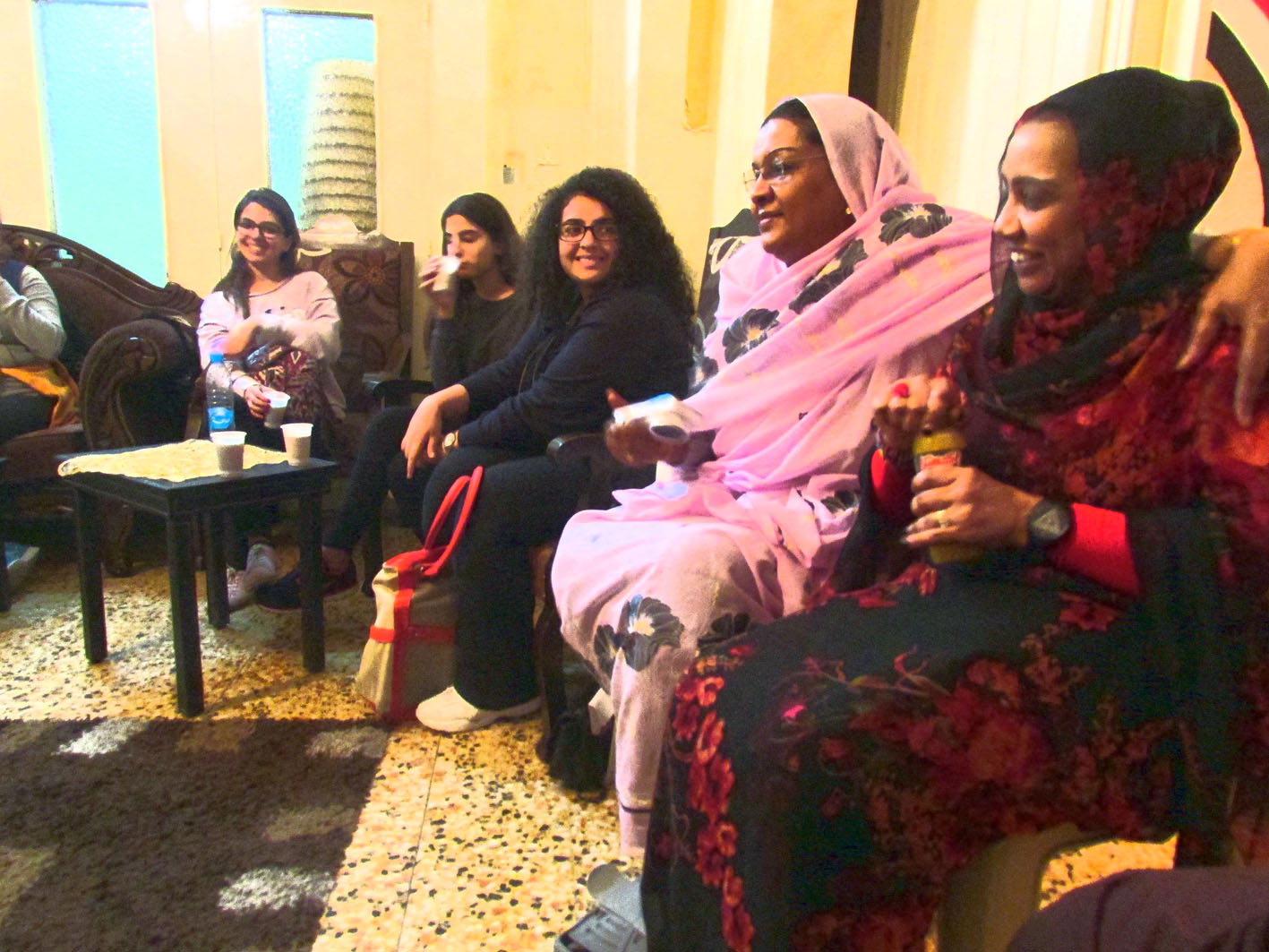
Field-trip to Sudan House in Beirut (Photo: Emily O'Dell)
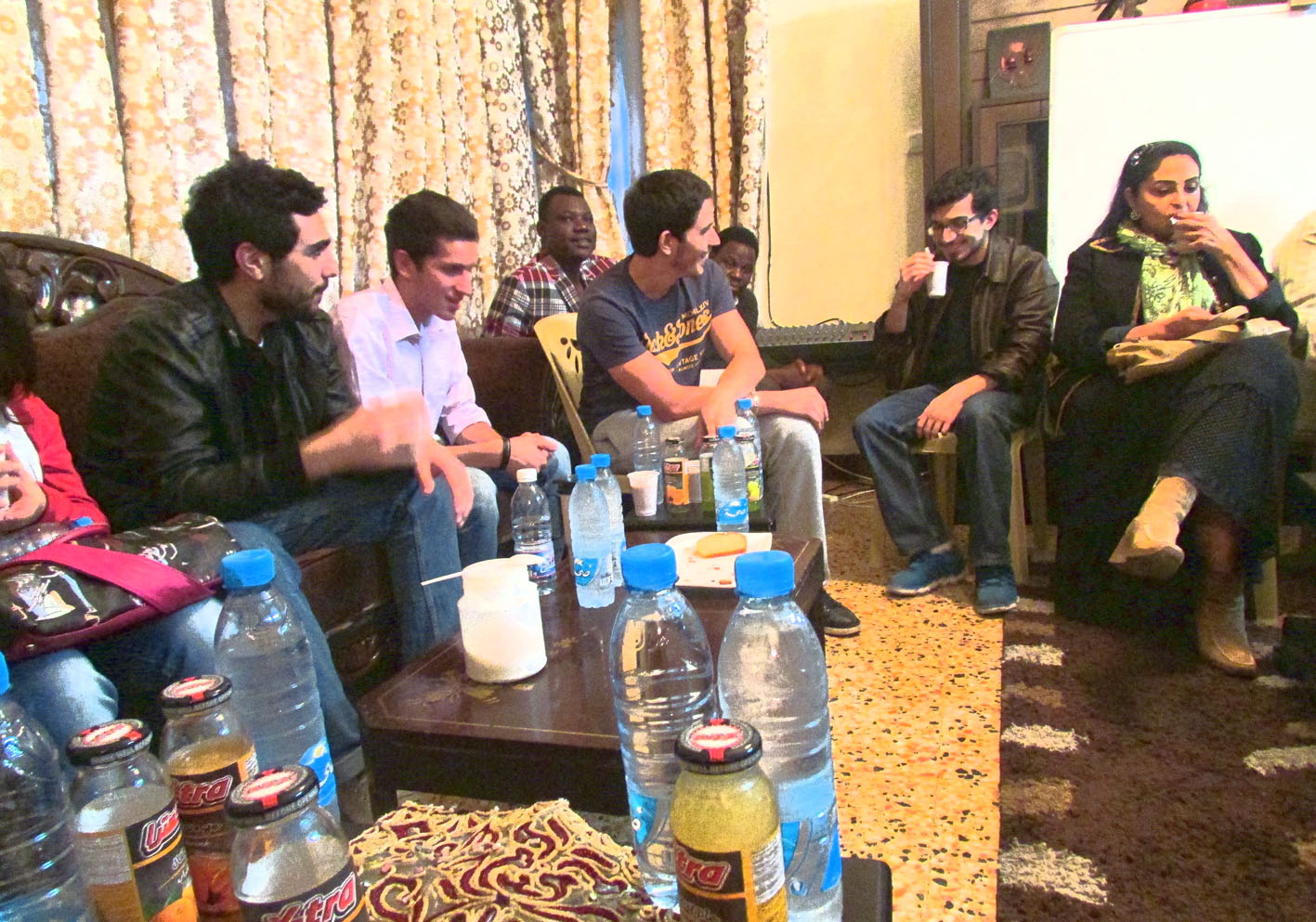
Tea-time (Photo: Emily O'Dell)
When my students and I stepped through the doors of Sudan House, we found ourselves standing face to face with photographs of the Royal Pyramids of Meroe hanging on the wall. After a semester of studying Sudanese and Egyptian archaeology, the students were able to identify the ancient Nubian sites displayed on large posters in the hall.
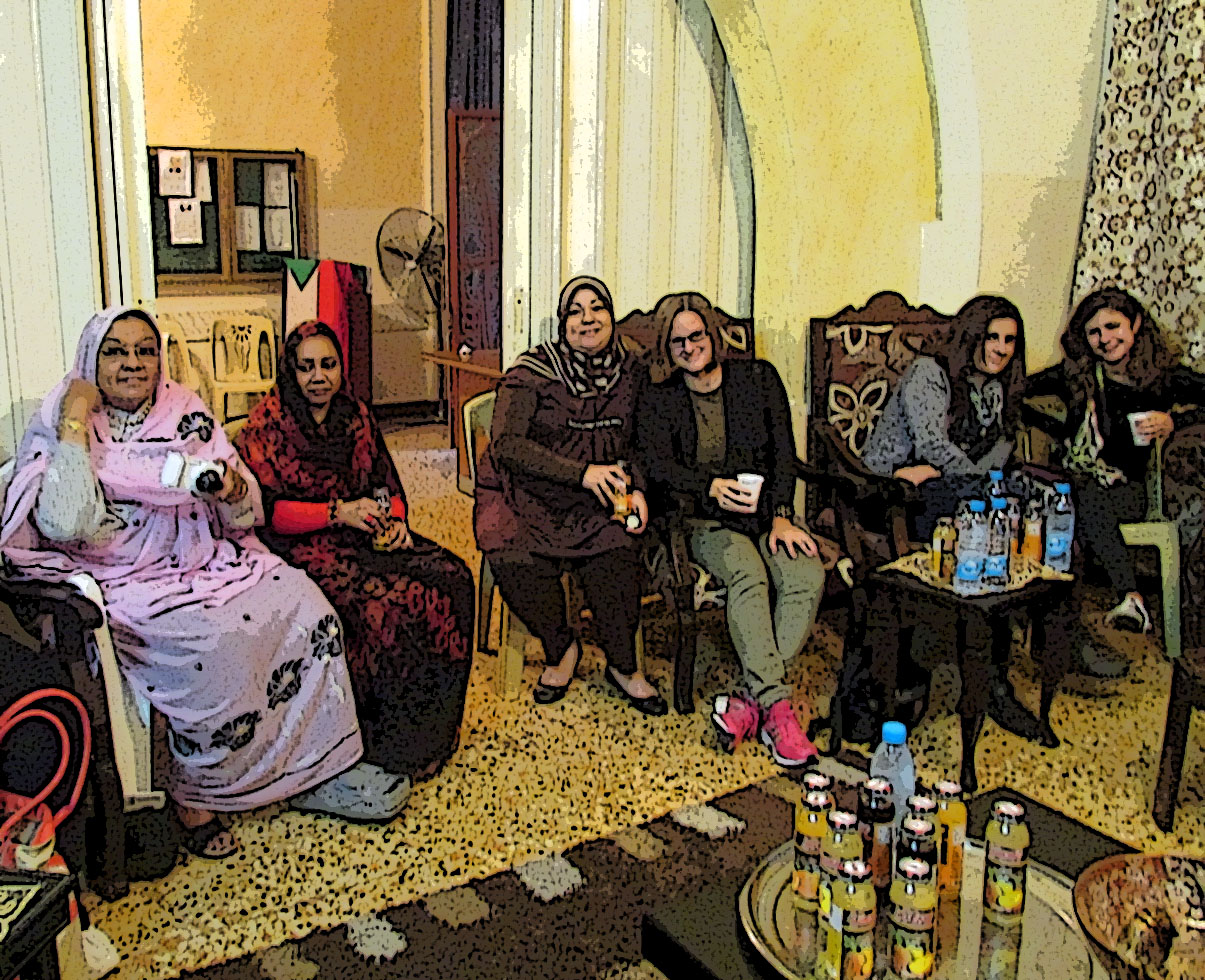
Building bridges in Beirut (Photo: Emily O'Dell)
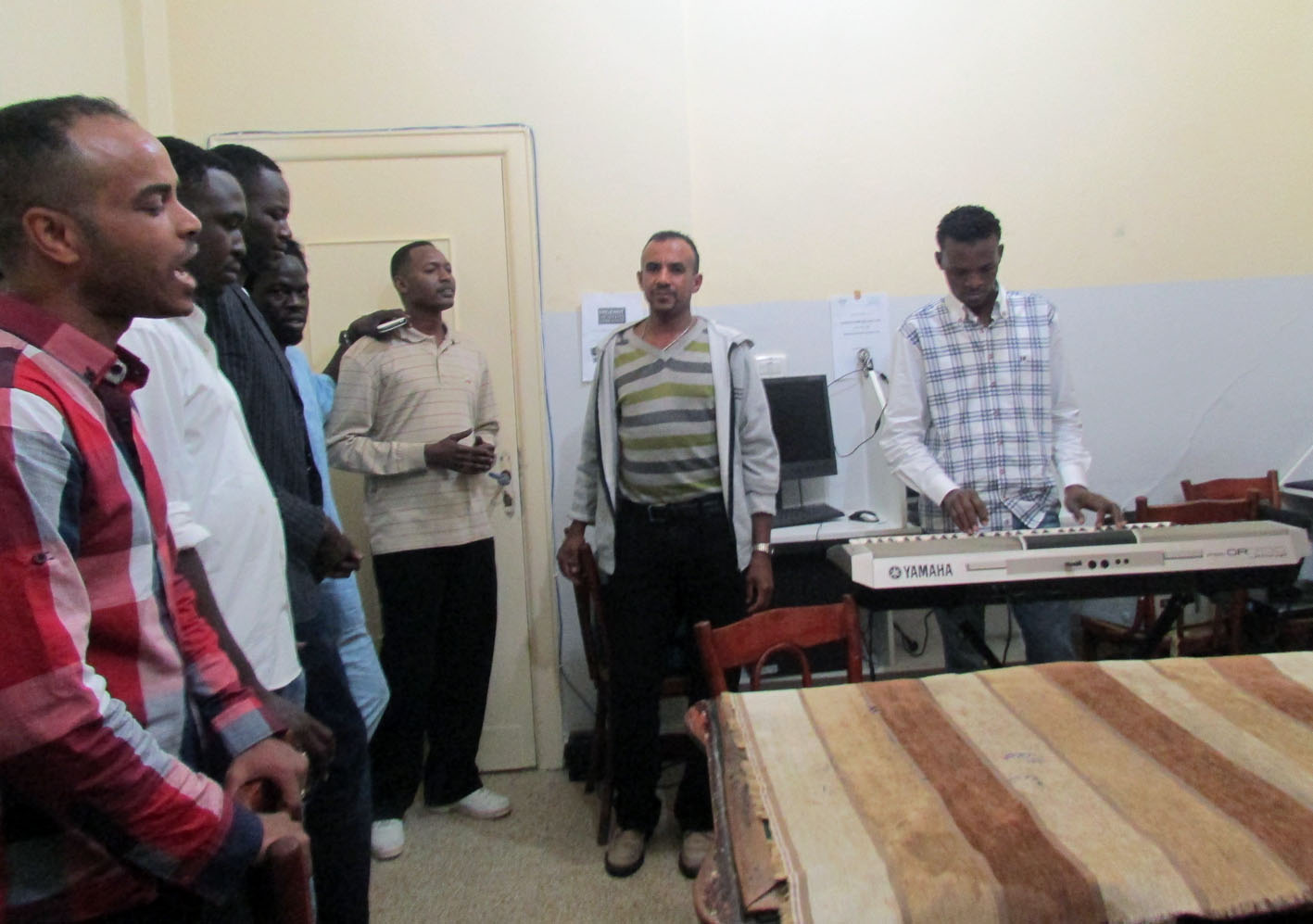
Sharing Sudanese music (Photo: Emily O'Dell)
The Sudanese community in Beirut, we learned, comes from all regions of Sudan–like Khartoum, Darfur, and Shendi. “But here at Sudan House,” one of our hosts said, “all of us are one.”
After our conversation, several of the men offered to give us an impromptu music performance–much to our surprise and delight. As the men sang with spirit to the accompaniment of a keyboard, the students pulled out their phones to record a souvenir of this unique cultural exchange. It’s not every day in Beirut that we get to hear live music from Sudan. Though the room was small and crowded, we couldn’t help but sway.
When we returned to campus, the students said our trip to Sudan House was the highlight of the semester–and I had to agree. For me personally, it was also the perfect send-off to Sudan, where I was scheduled to go the following week to excavate a Nubian temple in the desert.
When I finally reached those Royal Pyramids we’d seen hanging on the wall in Sudan House, I couldn’t help but think of my new Sudanese friends in Beirut–who had kindly shared with me a glimpse of Sudan, before I had the chance to see it for myself…
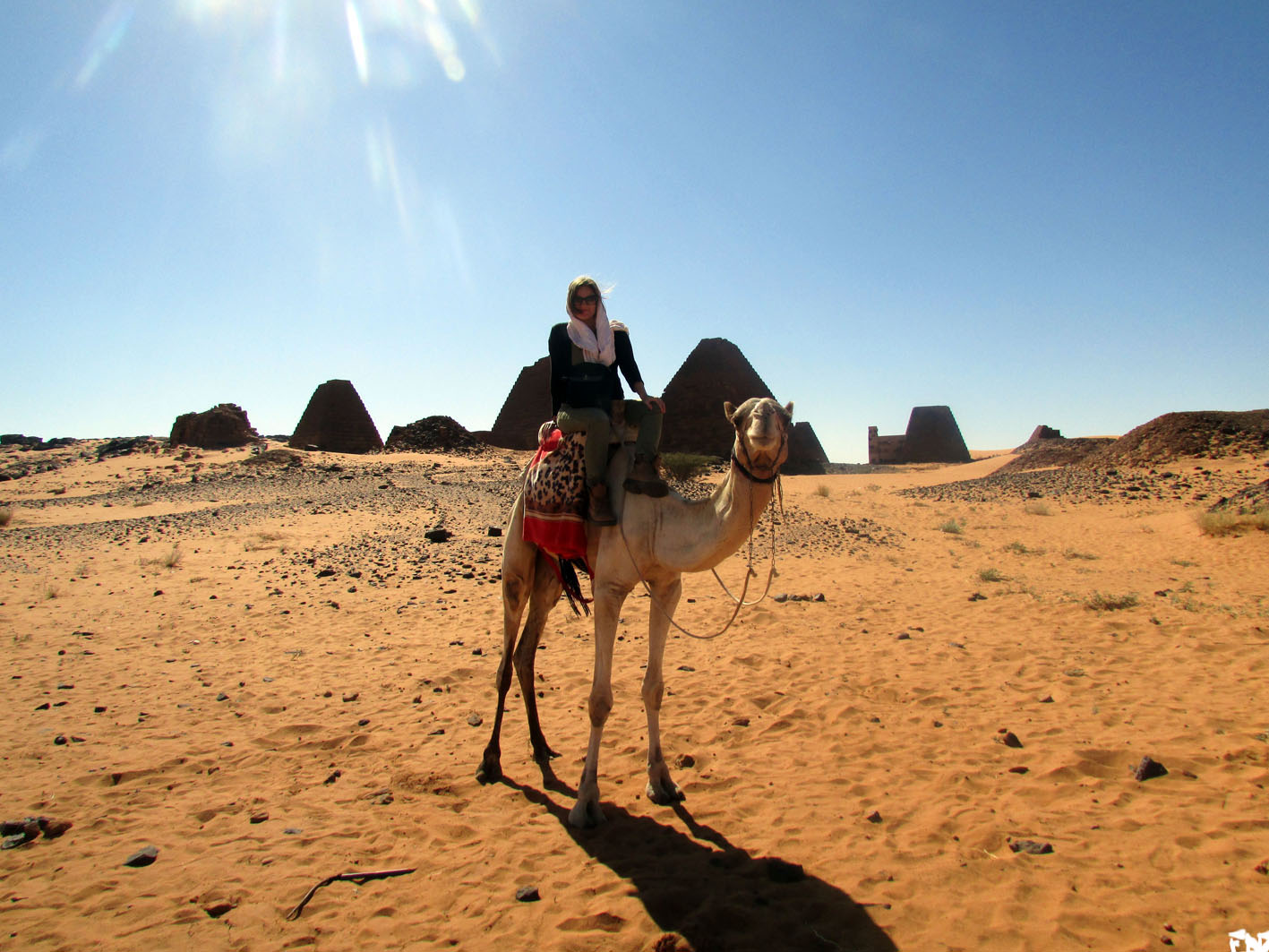
From Beirut to Sudan (Photo: Emily O'Dell)
Posted in Blog
Comments Off on Sudan House in Beirut…
Taking a hike…
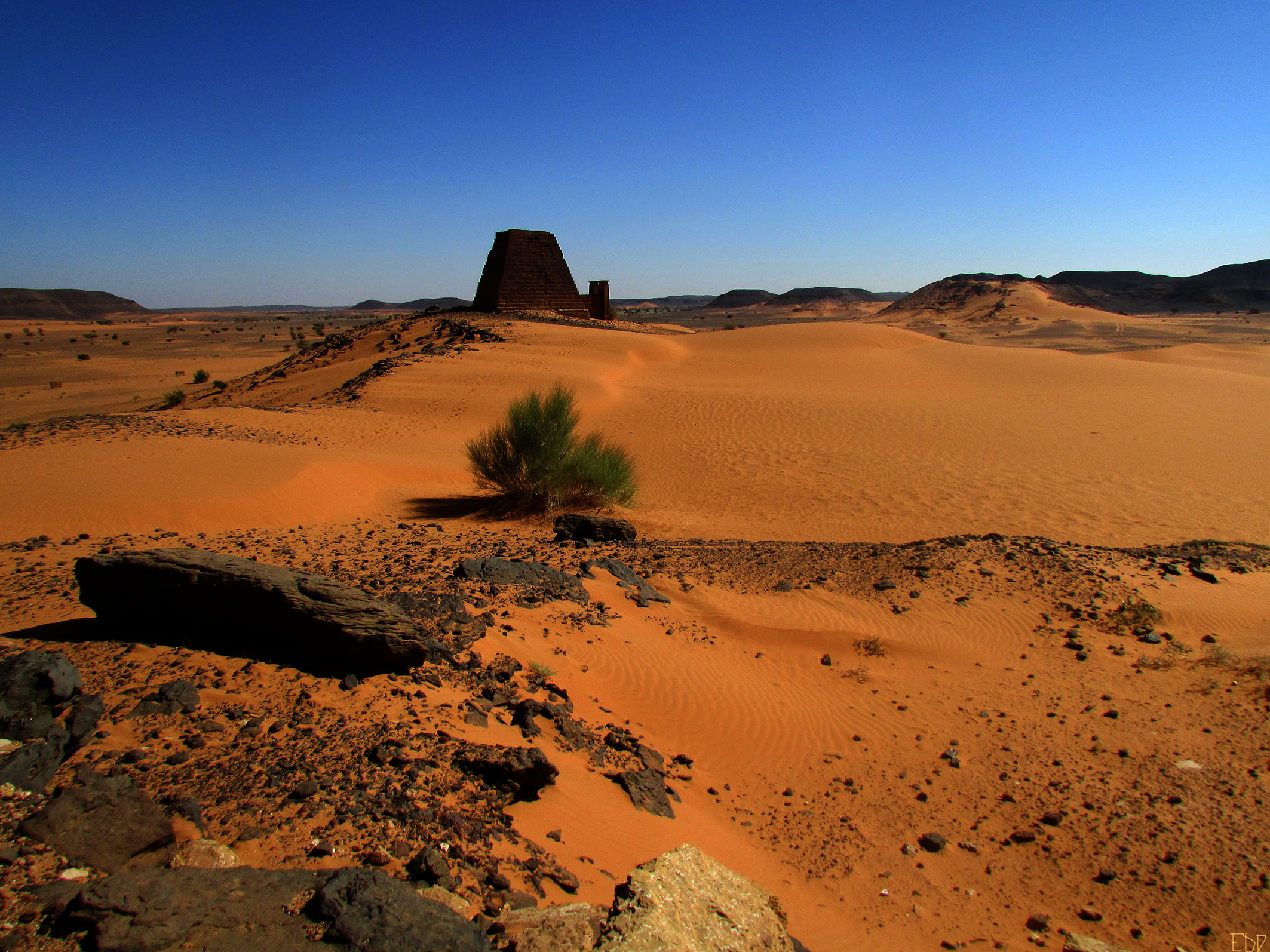
A desert hike in Sudan (Photo: Emily O'Dell)
One square mile of living desert is worth a hundred ‘great books’–
and one brave deed is worth a thousand…
― Edward Abbey
Posted in Blog
Comments Off on Taking a hike…
Malcolm X: From Brown to Beirut…

Today in Beirut...
You’re not supposed to be so blind with patriotism that you can’t face reality.
Wrong is wrong, no matter who says it.
— Malcolm X
Today, on the 49th anniversary of the assassination of Malcolm X, I attended a stimulating talk by my colleague Alex Lubin on Malcolm X’s travels in the Middle East–including Beirut. I’m thrilled to finally have my hands on a copy of his new book.
Since I’m currently teaching a class on Sudanese history and culture, I’ve been researching Malcolm X’s connections to the Sudanese community in Beirut, and to a Sudanese sheikh who accompanied him back home to the United States.
 In 1964, Malcolm X gave a talk in Beirut at the Sudanese Cultural Center, after the American University of Beirut deemed him too controversial to speak on campus. Because the crowd that gathered at the Sudanese Cultural Center was so large, loudspeakers had to be placed on the street to broadcast his stirring speech to those assembled outside.
In his autobiography, Malcolm X describes a walk through the streets of Beirut, when he arrived in Lebanon in April 1964:
…immediately my attention was struck by the mannerisms and attire of the Lebanese women. In the Holy Land [Saudi Arabia] there had been the very modest, very feminine Arabian women—and there was this sudden contrast of the half-French, half-Arab Lebanese women who projected in their dress and street manners more liberty, more boldness. I saw clearly the obvious European influence upon the Lebanese culture. It showed me how any country’s moral strength, or its moral weakness, is quickly measurable by the street attire and attitude of its women—especially its young women. Wherever the spiritual values have been submerged, if not destroyed, by an emphasis upon the material things, invariably, the women reflect it. Witness the women, both young and old, in America—where scarcely any moral values are left.
At the conclusion of his second trip to the Middle East (several months later), his views on women had changed–and he no longer judged women as an appropriate measure of a country’s morality:
…in every country you go to, usually the degree of progress can never be separated from the woman. If you’re in a country that’s progressive, the woman is progressive. If you’re in a country that reflects the consciousness toward the importance of education, it’s because the woman is aware of the importance of education.
But in every backward country you’ll find the women are backward, and in every country where education is not stressed it’s because the women don’t have education. So one of the things I became thoroughly convinced of in my recent travels is the importance of giving freedom to the women, giving her education, and giving her the incentive to get out there and put the same spirit and understanding in her children. And I am frankly proud of the contributions that our women have made in the struggle for freedom and I’m one person who’s for giving them all the leeway possible because they’ve made a greater contribution than many of us men.
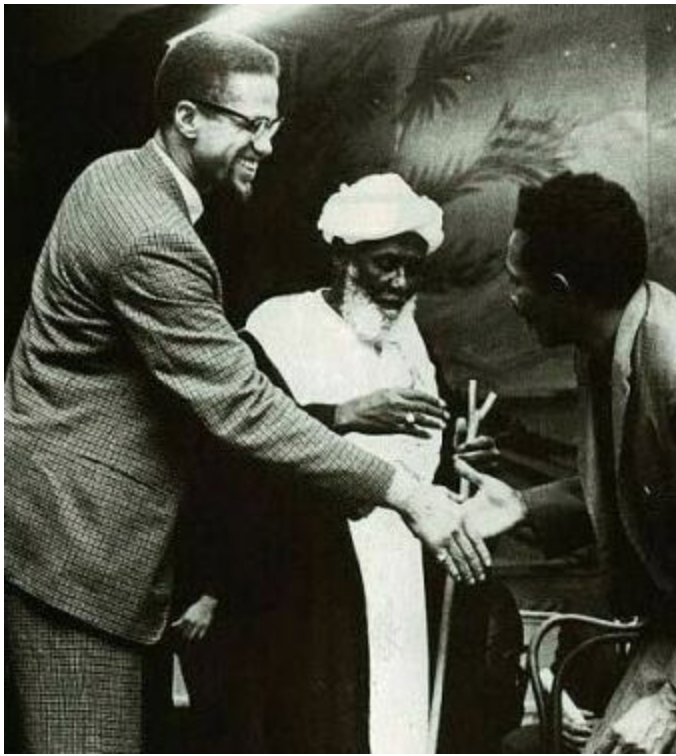
Malcolm X with Sheikh Ahmed Hassoun from Sudan
This winter, when I was working in Sudan, I did some research on Sheikh Ahmed Hassoun–the Sudanese sheikh who served as a spiritual guide for Malcolm X, after he broke from the Nation of Islam and turned towards Sunni Islam. Sheikh Ahmed Hassoun accompanied him back to America in 1964, after Malcolm X had made his pilgrimage to Mecca. It was Sheikh Hassoun who ritually washed and prepared Malcolm X’s body for his funeral in Harlem.
In 2011, a long-forgotten recording of Malcolm X speaking at Brown University was discovered by a student (also named Malcolm) doing research in the library there. In the speech (parts of which you can hear below), Malcolm X talks about the place of Islam in global affairs–three years before coming to Beirut. His 1961 visit to the university was prompted by an article in the school newspaper criticizing the Nation of Islam–an article which had been written by Katherine Pierce, and edited by Richard Holbrooke.
Malcolm X’s legacy and image are still hotly debated and contested in America today–as illustrated earlier this month by the controversy over the cover of Nicki Minaj’s new album, and the labeling of Malcolm X as “violent” and “bad” by public school teachers in Queens–who forbade their students from writing a report on his life for Black History Month. Tonight in Beirut, on the 49th anniversary of his assassination, I’ll be watching with curiosity to see how his memory is contextualized and commemorated in the media back home…
I’m for truth, no matter who tells it. I’m for justice, no matter who it’s for or against.
— Malcolm X
Posted in Blog
Comments Off on Malcolm X: From Brown to Beirut…
Today in Beirut…

An empty boat (Photo: Emily O'Dell)
Your reason and your passion are the rudder and the sails of your seafairing soul, if either your sails or your rudder be broken, you can but toss and drift, or else be held at a standstill in mid-seas. For reason, ruling alone, is a force confining; and passion, unattended, is a flame that burns to its own destruction.
— Khalil Gibran
Posted in Blog
Comments Off on Today in Beirut…
Cleopatra Pop…
Since my class in Beirut on ancient Egypt and Nubia is partially devoted to deconstructing samples of Egyptomania, Katy Perry’s new “Cleopatra” video will be giving us plenty of material to critique all week. For starters, the hieroglyphs make no sense–a common but avoidable problem in video and cinematic representations of ancient Egypt. Then again, only those of us who read hieroglyphs tend to notice…
Posted in Blog
Comments Off on Cleopatra Pop…